

Turkey, light meat, roasted, skin not eaten
Common food
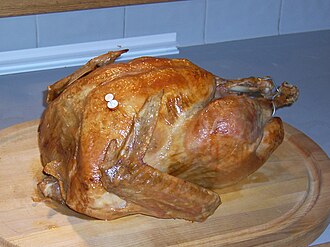
Photo: Wikipedia
Roasted turkey breast, with the skin removed, is a lean, high-protein staple with a mild, savory flavor and a firm, slightly fibrous texture. It's a nutritional powerhouse, delivering an impressive 28.81 grams of protein per 100g with virtually no fat or carbohydrates. This makes it one of the most protein-dense, calorie-efficient animal proteins available.
Calorie split: 86% protein · 0% carbs · 14% fat
↓ Full nutrition💚 Why it's loved
People love it for its clean, mild taste that readily absorbs marinades and seasonings, making it a blank canvas for culinary creativity. Its lean profile and cultural association with holidays like Thanksgiving make it a go-to for health-conscious cooks and festive meals alike.
⚠️ Watch-outs & how to enjoy it better
The primary downside is its tendency to become dry and bland if overcooked, which can make it unappetizing. To counteract this, brining before cooking or using a meat thermometer to ensure it reaches exactly 165°F (74°C) is crucial. Pairing it with a flavorful sauce, gravy, or a side of healthy fats (like avocado or olive oil) can also enhance both moisture and taste.
Key benefits
- Exceptionally high in lean protein for muscle maintenance and sati.
- Very low in fat and contains zero carbohydrates or sugars.
- Excellent source of niacin (vitamin B3) and selenium.
- A versatile base for countless healthy meal preparations.
🍽️ Popular dishes
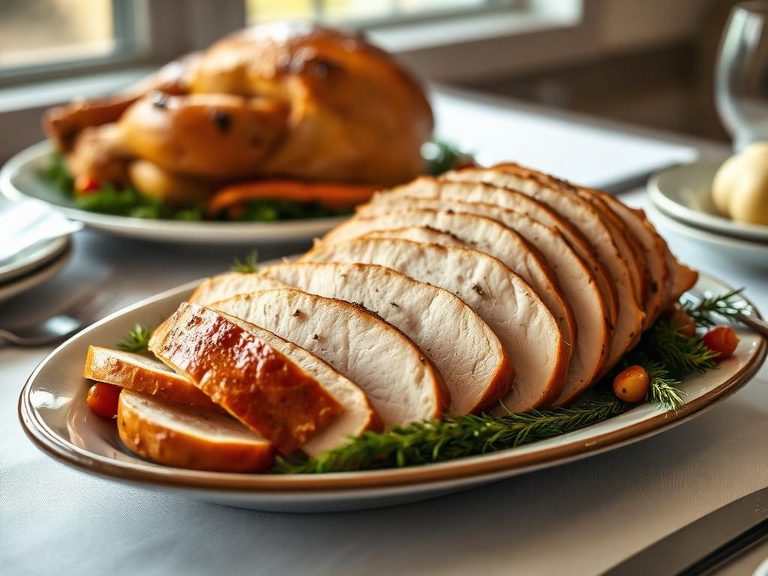


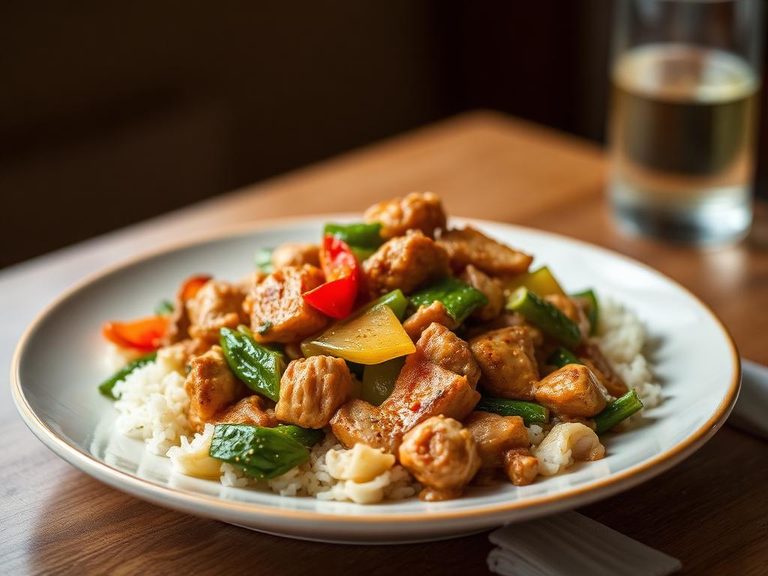
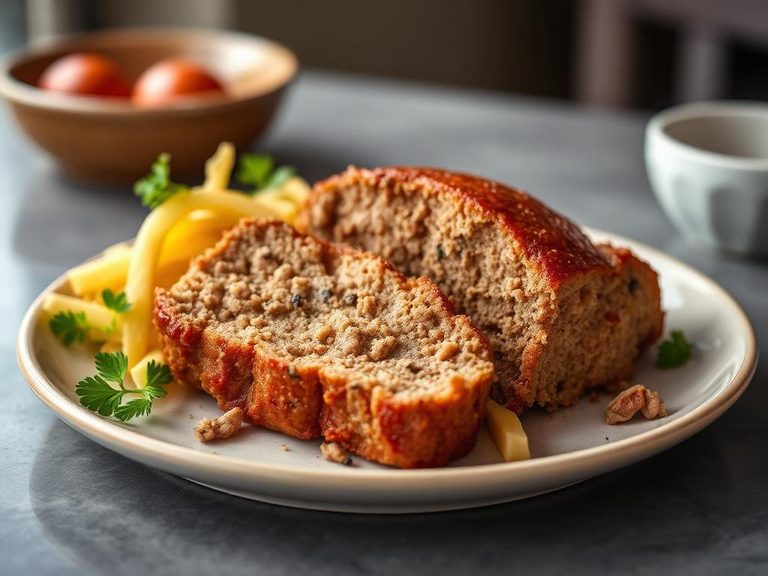
🌍 Where it's eaten
💡 Did you know?
The wild turkey was so admired by Benjamin Franklin that he suggested it, not the bald eagle, as the national bird of the United States, calling it a 'Bird of Courage'.
Full nutrition (USDA data · scales with serving)
| Water | 68.1 g |
| Energy | 139 kcal |
| Protein | 28.8 g |
| Total lipid (fat) | 2.1 g |
| Carbohydrate, by difference | 0.00 g |
| Fiber, total dietary | 0.00 g |
| Total Sugars | 0.00 g |
| Calcium, Ca | 11.0 mg |
| Iron, Fe | 0.65 mg |
| Magnesium, Mg | 31.0 mg |
| Phosphorus, P | 237 mg |
| Potassium, K | 247 mg |
| Sodium, Na | 467 mg |
| Zinc, Zn | 1.6 mg |
| Copper, Cu | 0.06 mg |
| Selenium, Se | 29.9 ug |
| Vitamin C, total ascorbic acid | 0.00 mg |
| Thiamin | 0.04 mg |
| Riboflavin | 0.20 mg |
| Niacin | 11.7 mg |
| Vitamin B-6 | 0.76 mg |
| Folate, total | 10.0 ug |
| Folic acid | 0.00 ug |
| Folate, food | 10.0 ug |
| Folate, DFE | 10.0 ug |
| Choline, total | 78.1 mg |
| Vitamin B-12 | 0.82 ug |
| Vitamin B-12, added | 0.00 ug |
| Vitamin A, RAE | 3.0 ug |
| Retinol | 3.0 ug |
| Carotene, beta | 0.00 ug |
| Carotene, alpha | 0.00 ug |
| Cryptoxanthin, beta | 0.00 ug |
| Lycopene | 0.00 ug |
| Lutein + zeaxanthin | 0.00 ug |
| Vitamin E (alpha-tocopherol) | 0.06 mg |
| Vitamin E, added | 0.00 mg |
| Vitamin D (D2 + D3) | 0.30 ug |
| Vitamin K (phylloquinone) | 0.00 ug |
| Alcohol, ethyl | 0.00 g |
| Caffeine | 0.00 mg |
| Theobromine | 0.00 mg |
Fat & fatty acid profile (per 100g)
| Fatty acids, total saturated | 0.59 g |
| SFA 4:0 | 0.00 g |
| SFA 6:0 | 0.00 g |
| SFA 8:0 | 0.00 g |
| SFA 10:0 | 0.00 g |
| SFA 12:0 | 0.01 g |
| SFA 14:0 | 0.02 g |
| SFA 16:0 | 0.37 g |
| SFA 18:0 | 0.18 g |
| Fatty acids, total monounsaturated | 0.62 g |
| MUFA 16:1 | 0.06 g |
| MUFA 18:1 | 0.55 g |
| MUFA 20:1 | 0.01 g |
| MUFA 22:1 | 0.00 g |
| Fatty acids, total polyunsaturated | 0.52 g |
| PUFA 18:2 | 0.43 g |
| PUFA 18:3 | 0.02 g |
| PUFA 18:4 | 0.00 g |
| PUFA 20:4 | 0.04 g |
| PUFA 20:5 n-3 (EPA) | 0.00 g |
| PUFA 22:5 n-3 (DPA) | 0.01 g |
| PUFA 22:6 n-3 (DHA) | 0.00 g |
| Cholesterol | 76.0 mg |
Amino acid profile (per 100g)
Estimated from Turkey, mechanically deboned, from turkey frames, raw — USDA does not publish this profile for Turkey.
| Tryptophan | 0.11 g |
| Threonine | 0.64 g |
| Isoleucine | 0.50 g |
| Leucine | 1.1 g |
| Lysine | 1.2 g |
| Methionine | 0.37 g |
| Cystine | 0.10 g |
| Phenylalanine | 0.55 g |
| Tyrosine | 0.47 g |
| Valine | 0.54 g |
| Arginine | 0.87 g |
| Histidine | 0.50 g |
| Alanine | 0.87 g |
| Aspartic acid | 1.4 g |
| Glutamic acid | 2.2 g |
| Glycine | 0.78 g |
| Proline | 0.65 g |
| Serine | 0.62 g |
FAQ
How is 'light meat' different from 'dark meat' in turkey?
Light meat comes from the breast and wing muscles, which are used less frequently by the bird. This results in less myoglobin, a protein that gives meat its red color, making it paler, leaner, and milder in flavor than the darker, richer, and slightly fattier leg and thigh meat.
Why is the nutrition data for 'skin not eaten' so different?
Turkey skin is composed almost entirely of fat. Removing it drastically reduces the total fat and calorie content of the meat, transforming it from a moderate-fat protein into an extremely lean one, as seen in these stats (2.06g fat per 100g).
What's the best way to store leftover roasted turkey?
For safety and quality, slice or shred the meat and store it in an airtight container in the refrigerator for 3-4 days. For longer storage, portion it into freezer-safe bags or containers, removing as much air as possible, and freeze for up to 3 months.
Nutrient density (calculated · NRF9.3)
Nutrient Rich Foods index: beneficial nutrients (protein, fiber, vitamins, minerals) minus saturated fat, added sugar & sodium, per 100 kcal.
NRF9.3 index — Fulgoni, Keast & Drewnowski, 2009. Computed from USDA nutrients.
Weight-loss friendliness (composite index)
Energy density 1.39 kcal/g · 83% calories from protein · 0.0 g fiber · 0.0 g sugar per 100 g.
Composite of energy density (Rolls et al., 1999), protein & fiber satiety, minus sugar. A calculated heuristic — ranks satiety-per-calorie, not a clinical measure.
Dietary load (calculated from USDA values)
Potential renal acid load. Positive = acid-forming, negative = alkaline-forming.
Sodium-to-potassium ratio: 1.89 (lower is better — aim for ≤ 1)
Sodium:potassium per WHO potassium guidance. Computed from USDA nutrients.