

Tea, hot, leaf, green
Common food
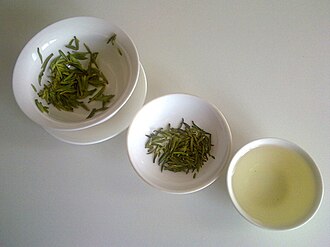
Photo: Wikipedia
Hot green tea is a fragrant, pale-green infusion brewed from the unoxidized leaves of the Camellia sinensis plant, offering a taste that ranges from grassy and vegetal to sweet and marine depending on the variety. Sipped plain, it has virtually no calories, carbohydrates, or fat, making it a zero-guilt, hydrating beverage. Its nutritional power comes from a potent concentration of plant compounds, particularly catechins like EGCG, which are released during steeping.
Calorie split: 100% protein · 0% carbs · 0% fat
↓ Full nutrition💚 Why it's loved
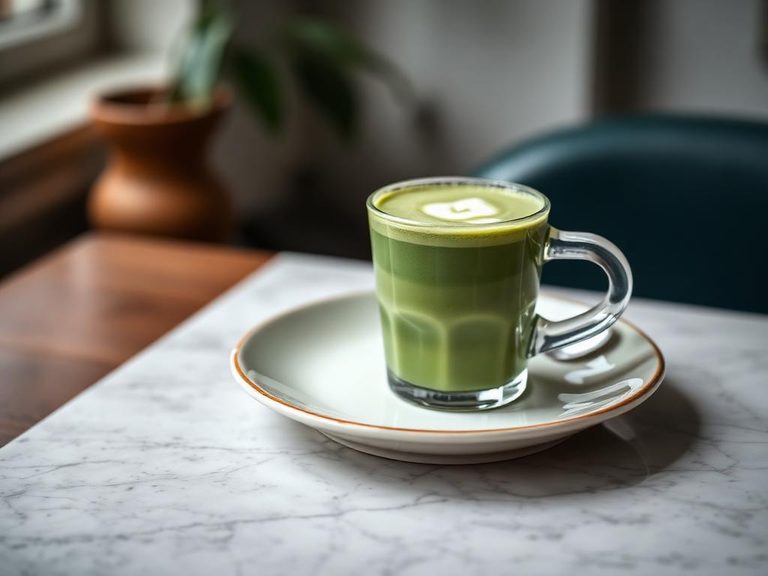
People love green tea for its complex, nuanced flavors—from the savory umami of Matcha to the sweet, nutty notes of Hojicha—and its central role in cultural rituals like the Japanese tea ceremony. It's cherished as a mindful daily ritual that offers a moment of calm and connection.
⚠️ Watch-outs & how to enjoy it better
The tannins in green tea can inhibit non-heme iron absorption, so those with anemia should avoid drinking it with iron-rich meals. The caffeine, though moderate, can cause jitters or disrupt sleep in sensitive individuals; opt for a lower-caffeine variety like Hojicha or limit intake after 2 PM. Its natural bitterness can be off-putting; use cooler water (160-180°F/70-80°C) and shorter steeping times (1-3 minutes) to reduce astringency.
Key benefits
- Rich in antioxidant catechins (like EGCG) that help combat cellular stress.
- Contains L-theanine, an amino acid that promotes calm alertness and focus.
- May support metabolic health and modestly increase calorie expenditure.
- Hydrating, zero-calorie beverage that can replace sugary drinks.
- Provides a gentle, sustained energy lift from a moderate caffeine content.
🍽️ Popular dishes
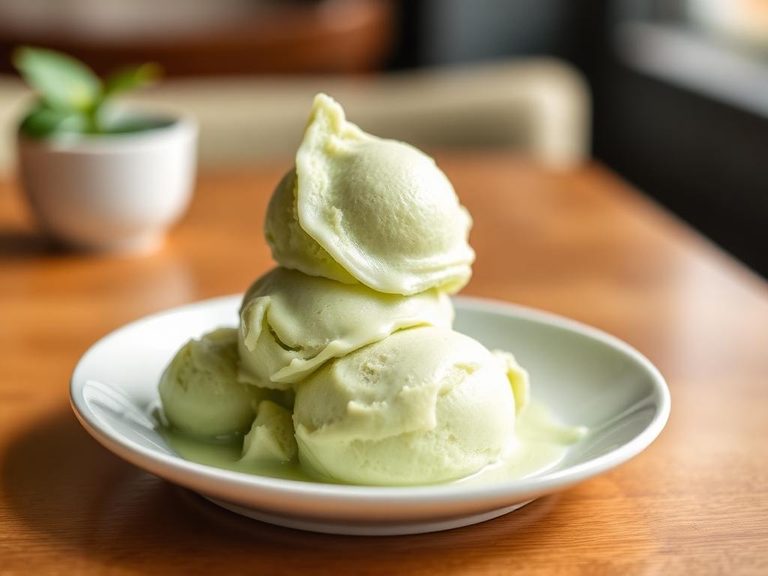
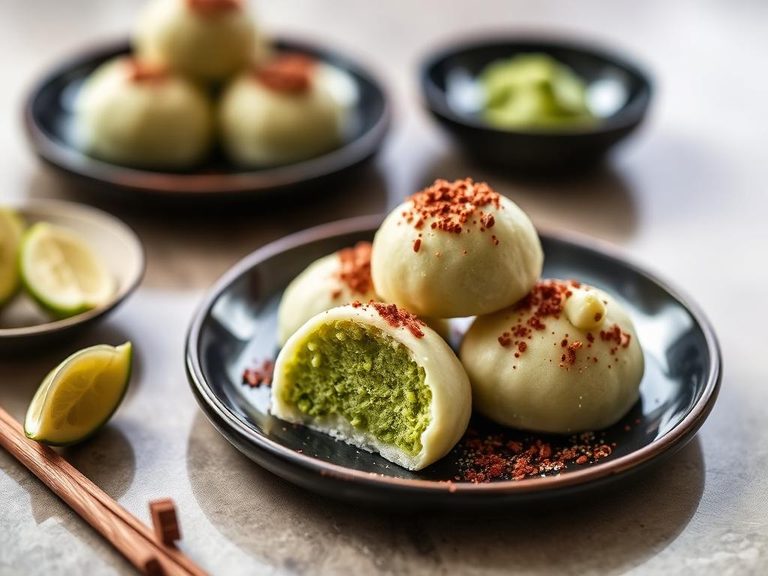
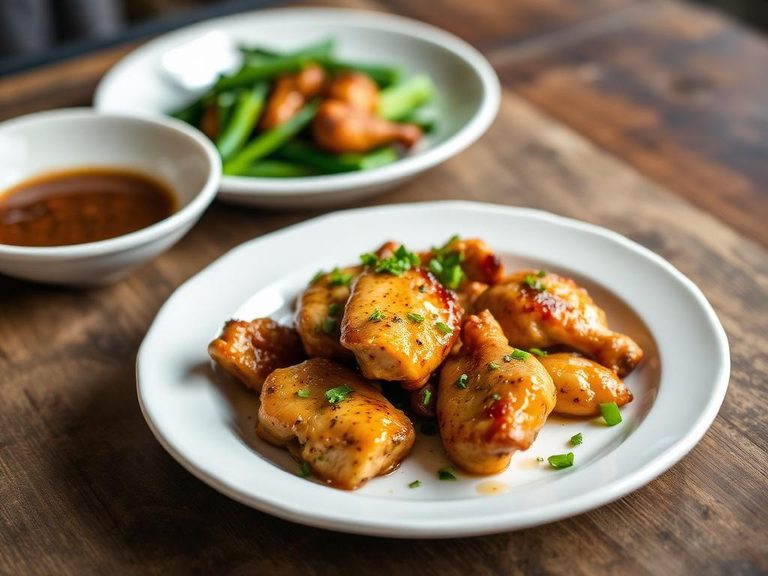
🌍 Where it's eaten
💡 Did you know?
The vibrant green color and high L-theanine content of premium Japanese green teas like Gyokuro are achieved by shading the tea plants for several weeks before harvest, which boosts chlorophyll and amino acid production.
Full nutrition (USDA data · scales with serving)
| Water | 99.9 g |
| Energy | 1.0 kcal |
| Protein | 0.22 g |
| Total lipid (fat) | 0.00 g |
| Carbohydrate, by difference | 0.00 g |
| Fiber, total dietary | 0.00 g |
| Total Sugars | 0.00 g |
| Calcium, Ca | 0.00 mg |
| Iron, Fe | 0.02 mg |
| Magnesium, Mg | 1.0 mg |
| Phosphorus, P | 0.00 mg |
| Potassium, K | 8.0 mg |
| Sodium, Na | 1.0 mg |
| Zinc, Zn | 0.01 mg |
| Copper, Cu | 0.00 mg |
| Selenium, Se | 0.00 ug |
| Vitamin C, total ascorbic acid | 0.00 mg |
| Thiamin | 0.01 mg |
| Riboflavin | 0.06 mg |
| Niacin | 0.03 mg |
| Vitamin B-6 | 0.01 mg |
| Folate, total | 0.00 ug |
| Folic acid | 0.00 ug |
| Folate, food | 0.00 ug |
| Folate, DFE | 0.00 ug |
| Choline, total | 0.00 mg |
| Vitamin B-12 | 0.00 ug |
| Vitamin B-12, added | 0.00 ug |
| Vitamin A, RAE | 0.00 ug |
| Retinol | 0.00 ug |
| Carotene, beta | 0.00 ug |
| Carotene, alpha | 0.00 ug |
| Cryptoxanthin, beta | 0.00 ug |
| Lycopene | 0.00 ug |
| Lutein + zeaxanthin | 0.00 ug |
| Vitamin E (alpha-tocopherol) | 0.00 mg |
| Vitamin E, added | 0.00 mg |
| Vitamin D (D2 + D3) | 0.00 ug |
| Vitamin K (phylloquinone) | 0.00 ug |
| Alcohol, ethyl | 0.00 g |
| Caffeine | 12.0 mg |
| Theobromine | 0.00 mg |
Fat & fatty acid profile (per 100g)
| Fatty acids, total saturated | 0.00 g |
| SFA 4:0 | 0.00 g |
| SFA 6:0 | 0.00 g |
| SFA 8:0 | 0.00 g |
| SFA 10:0 | 0.00 g |
| SFA 12:0 | 0.00 g |
| SFA 14:0 | 0.00 g |
| SFA 16:0 | 0.00 g |
| SFA 18:0 | 0.00 g |
| Fatty acids, total monounsaturated | 0.00 g |
| MUFA 16:1 | 0.00 g |
| MUFA 18:1 | 0.00 g |
| MUFA 20:1 | 0.00 g |
| MUFA 22:1 | 0.00 g |
| Fatty acids, total polyunsaturated | 0.00 g |
| PUFA 18:2 | 0.00 g |
| PUFA 18:3 | 0.00 g |
| PUFA 18:4 | 0.00 g |
| PUFA 20:4 | 0.00 g |
| PUFA 20:5 n-3 (EPA) | 0.00 g |
| PUFA 22:5 n-3 (DPA) | 0.00 g |
| PUFA 22:6 n-3 (DHA) | 0.00 g |
| Cholesterol | 0.00 mg |
Amino acid profile (per 100g)
Estimated from Cookies, animal crackers (includes arrowroot, tea biscuits) — USDA does not publish this profile for Tea.
| Tryptophan | 0.10 g |
| Threonine | 0.19 g |
| Isoleucine | 0.26 g |
| Leucine | 0.47 g |
| Lysine | 0.24 g |
| Methionine | 0.12 g |
| Cystine | 0.15 g |
| Phenylalanine | 0.32 g |
| Tyrosine | 0.20 g |
| Valine | 0.30 g |
| Arginine | 0.26 g |
| Histidine | 0.14 g |
| Alanine | 0.21 g |
| Aspartic acid | 0.29 g |
| Glutamic acid | 2.3 g |
| Glycine | 0.23 g |
| Proline | 0.76 g |
| Serine | 0.36 g |
FAQ
Does green tea have a lot of caffeine?
An 8 oz cup typically contains 25-50 mg of caffeine, about half that of coffee. The exact amount varies by leaf type, water temperature, and steeping time. Matcha, where you consume the whole leaf, is higher, around 60-70 mg per serving.
Why does my green tea taste bitter?
Bitterness comes from over-extraction of catechins and caffeine. Use water that's not boiling (160-180°F/70-80°C), steep for only 1-3 minutes, and don't over-pack the teapot or cup.
Is it better to drink green tea with or without food?
For optimal nutrient absorption, especially if you're iron-deficient, drink it between meals. The tannins can bind to non-heme iron from plant foods, reducing its absorption. If you drink it with a meal, pairing it with vitamin C-rich foods (like citrus) can help counteract this effect.
Nutrient density (calculated · NRF9.3)
Nutrient Rich Foods index: beneficial nutrients (protein, fiber, vitamins, minerals) minus saturated fat, added sugar & sodium, per 100 kcal.
NRF9.3 index — Fulgoni, Keast & Drewnowski, 2009. Computed from USDA nutrients.
Weight-loss friendliness (composite index)
Energy density 0.01 kcal/g · 88% calories from protein · 0.0 g fiber · 0.0 g sugar per 100 g.
Composite of energy density (Rolls et al., 1999), protein & fiber satiety, minus sugar. A calculated heuristic — ranks satiety-per-calorie, not a clinical measure.
Dietary load (calculated from USDA values)
Potential renal acid load. Positive = acid-forming, negative = alkaline-forming.
Sodium-to-potassium ratio: 0.13 (lower is better — aim for ≤ 1)
Sodium:potassium per WHO potassium guidance. Computed from USDA nutrients.