

Tea, hot, leaf, oolong
Common food

Photo: Wikipedia
Oolong tea is a traditional Chinese tea made from partially oxidized leaves, offering a complex flavor profile that sits between green and black tea. Its taste can range from floral and creamy to toasty and fruity, with a smooth, lingering finish. Nutritionally, it is virtually calorie-free, providing trace amounts of carbohydrates without any protein, fat, or sugar.
Calorie split: 0% protein · 100% carbs · 0% fat
↓ Full nutrition💚 Why it's loved
People love oolong for its remarkable flavor complexity and the ritual of gongfu brewing, which reveals new layers with each infusion. Its versatility—from light, floral high-mountain oolongs to dark, roasted varieties—makes it a lifelong exploration for tea enthusiasts.
⚠️ Watch-outs & how to enjoy it better
Its caffeine content, while lower than coffee, can disrupt sleep or cause jitters in sensitive individuals. To counteract this, opt for a lighter roast or a later harvest, brew for shorter durations, or enjoy it earlier in the day. Some roasted oolongs may contain trace minerals; those with specific mineral restrictions should consult a healthcare provider.
Key benefits
- Contains antioxidants like theaflavins and thearubigins from partial oxidation.
- May support metabolic health and fat oxidation.
- L-theanine content can promote calm alertness.
- Traditionally consumed for digestive comfort after meals.
- Hydrating beverage with minimal calories.
🍽️ Popular dishes
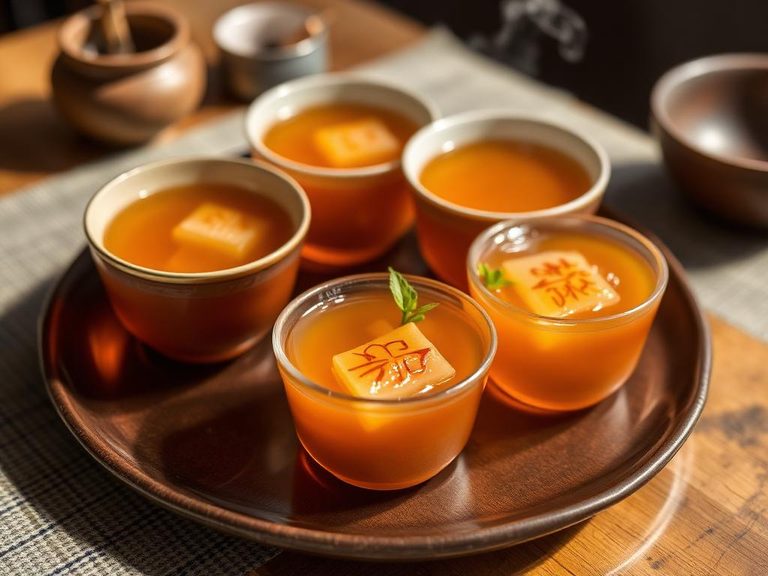
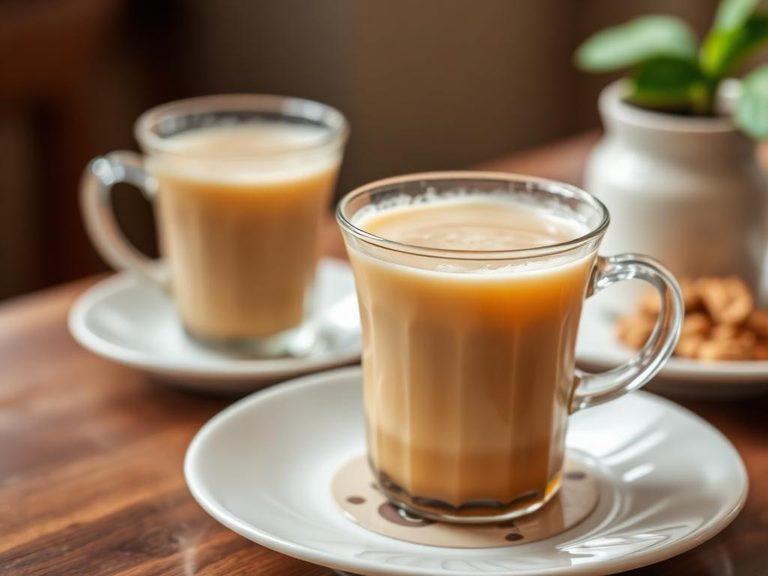
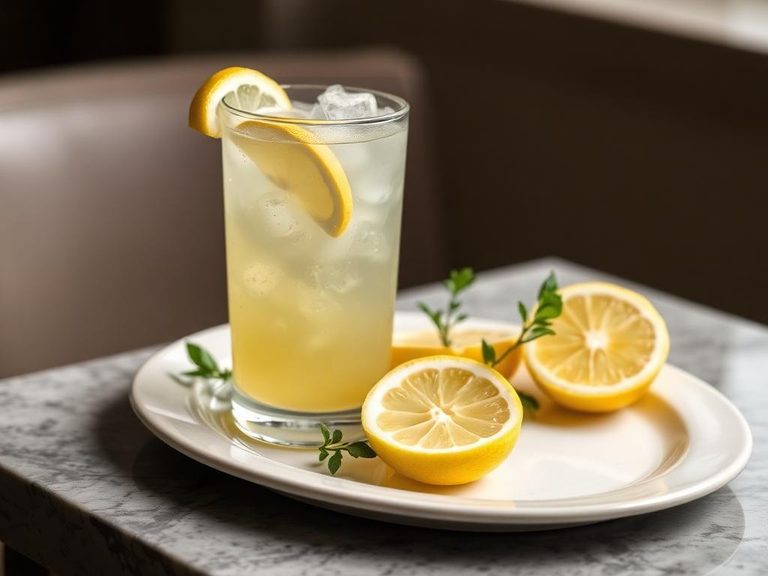
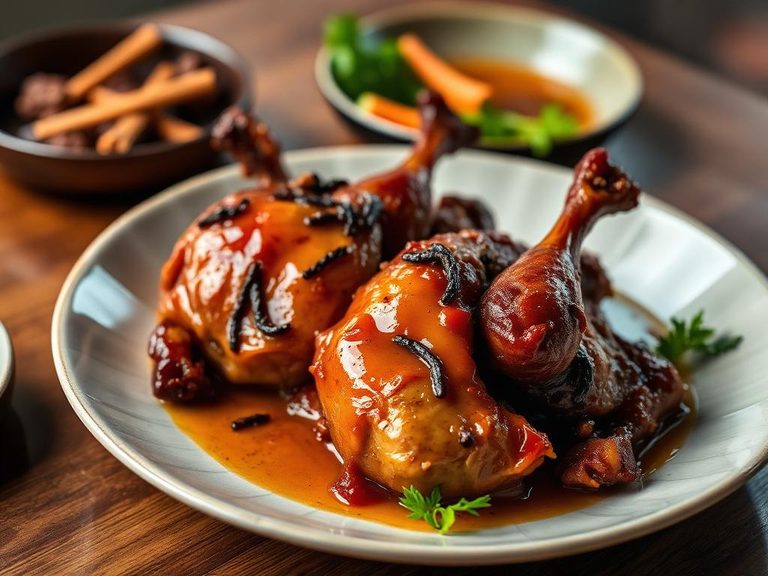
🌍 Where it's eaten
💡 Did you know?
The most prized oolong teas, like Da Hong Pao (Big Red Robe), come from ancient tea bushes growing in the mineral-rich cliffs of the Wuyi Mountains, and original mother bushes are now protected as national treasures.
Full nutrition (USDA data · scales with serving)
| Water | 99.8 g |
| Energy | 1.0 kcal |
| Protein | 0.00 g |
| Total lipid (fat) | 0.00 g |
| Carbohydrate, by difference | 0.15 g |
| Fiber, total dietary | 0.00 g |
| Total Sugars | 0.00 g |
| Calcium, Ca | 1.0 mg |
| Iron, Fe | 0.00 mg |
| Magnesium, Mg | 1.0 mg |
| Phosphorus, P | 1.0 mg |
| Potassium, K | 12.0 mg |
| Sodium, Na | 3.0 mg |
| Zinc, Zn | 0.01 mg |
| Copper, Cu | 0.00 mg |
| Selenium, Se | 0.00 ug |
| Vitamin C, total ascorbic acid | 0.00 mg |
| Thiamin | 0.00 mg |
| Riboflavin | 0.00 mg |
| Niacin | 0.06 mg |
| Vitamin B-6 | 0.00 mg |
| Folate, total | 0.00 ug |
| Folic acid | 0.00 ug |
| Folate, food | 0.00 ug |
| Folate, DFE | 0.00 ug |
| Choline, total | 0.00 mg |
| Vitamin B-12 | 0.00 ug |
| Vitamin B-12, added | 0.00 ug |
| Vitamin A, RAE | 0.00 ug |
| Retinol | 0.00 ug |
| Carotene, beta | 0.00 ug |
| Carotene, alpha | 0.00 ug |
| Cryptoxanthin, beta | 0.00 ug |
| Lycopene | 0.00 ug |
| Lutein + zeaxanthin | 0.00 ug |
| Vitamin E (alpha-tocopherol) | 0.00 mg |
| Vitamin E, added | 0.00 mg |
| Vitamin D (D2 + D3) | 0.00 ug |
| Vitamin K (phylloquinone) | 0.00 ug |
| Alcohol, ethyl | 0.00 g |
| Caffeine | 16.0 mg |
| Theobromine | 2.0 mg |
Fat & fatty acid profile (per 100g)
| Fatty acids, total saturated | 0.00 g |
| SFA 4:0 | 0.00 g |
| SFA 6:0 | 0.00 g |
| SFA 8:0 | 0.00 g |
| SFA 10:0 | 0.00 g |
| SFA 12:0 | 0.00 g |
| SFA 14:0 | 0.00 g |
| SFA 16:0 | 0.00 g |
| SFA 18:0 | 0.00 g |
| Fatty acids, total monounsaturated | 0.00 g |
| MUFA 16:1 | 0.00 g |
| MUFA 18:1 | 0.00 g |
| MUFA 20:1 | 0.00 g |
| MUFA 22:1 | 0.00 g |
| Fatty acids, total polyunsaturated | 0.00 g |
| PUFA 18:2 | 0.00 g |
| PUFA 18:3 | 0.00 g |
| PUFA 18:4 | 0.00 g |
| PUFA 20:4 | 0.00 g |
| PUFA 20:5 n-3 (EPA) | 0.00 g |
| PUFA 22:5 n-3 (DPA) | 0.00 g |
| PUFA 22:6 n-3 (DHA) | 0.00 g |
| Cholesterol | 0.00 mg |
Amino acid profile (per 100g)
Estimated from Cookies, animal crackers (includes arrowroot, tea biscuits) — USDA does not publish this profile for Tea.
| Tryptophan | 0.10 g |
| Threonine | 0.19 g |
| Isoleucine | 0.26 g |
| Leucine | 0.47 g |
| Lysine | 0.24 g |
| Methionine | 0.12 g |
| Cystine | 0.15 g |
| Phenylalanine | 0.32 g |
| Tyrosine | 0.20 g |
| Valine | 0.30 g |
| Arginine | 0.26 g |
| Histidine | 0.14 g |
| Alanine | 0.21 g |
| Aspartic acid | 0.29 g |
| Glutamic acid | 2.3 g |
| Glycine | 0.23 g |
| Proline | 0.76 g |
| Serine | 0.36 g |
FAQ
How is oolong different from green or black tea?
Oolong is partially oxidized (typically 10-80%), placing it between minimally oxidized green tea and fully oxidized black tea. This gives it a unique spectrum of flavors and aromas.
Can I re-steep oolong tea leaves?
Yes, high-quality loose-leaf oolong is designed for multiple infusions. Each steeping (often 5-10) can last from 30 seconds to several minutes, revealing evolving flavors.
Does oolong tea have caffeine?
Yes, but amounts vary. A typical 8 oz cup has 30-50 mg of caffeine, less than coffee but more than most green teas. Factors like leaf grade and brew time affect the level.
Nutrient density (calculated · NRF9.3)
Nutrient Rich Foods index: beneficial nutrients (protein, fiber, vitamins, minerals) minus saturated fat, added sugar & sodium, per 100 kcal.
NRF9.3 index — Fulgoni, Keast & Drewnowski, 2009. Computed from USDA nutrients.
Weight-loss friendliness (composite index)
Energy density 0.01 kcal/g · 0% calories from protein · 0.0 g fiber · 0.0 g sugar per 100 g.
Composite of energy density (Rolls et al., 1999), protein & fiber satiety, minus sugar. A calculated heuristic — ranks satiety-per-calorie, not a clinical measure.
Dietary load (calculated from USDA values)
Potential renal acid load. Positive = acid-forming, negative = alkaline-forming.
Sodium-to-potassium ratio: 0.25 (lower is better — aim for ≤ 1)
Sodium:potassium per WHO potassium guidance. Computed from USDA nutrients.