

Steelhead trout, boiled, canned (Alaska Native)
Whole food · American Indian/Alaska Native Foods
This is wild-caught Alaska Steelhead trout, a type of large, anadromous rainbow trout, that has been boiled and preserved in a can. The meat is typically firm, flaky, and mild-flavored, with a tender, moist texture that holds up well to the canning process. It's a nutritional powerhouse, delivering a significant 21 grams of high-quality protein and heart-healthy fats per 100g serving, with zero carbohydrates.
Calorie split: 53% protein · 0% carbs · 47% fat
↓ Full nutrition💚 Why it's loved
People appreciate its clean, savory flavor and the convenience of having ready-to-eat, nutrient-dense protein on hand. It's a staple in many Alaskan and Pacific Northwest pantries, valued for its connection to traditional subsistence foods and its reliability in quick, healthy meals.
⚠️ Watch-outs & how to enjoy it better
The canning process can result in a higher sodium content, which may be a concern for those monitoring salt intake. The texture, while tender, can be softer than fresh-cooked trout, which some may find less appealing. To counteract sodium, rinse the fish under cold water before use, or look for 'no salt added' versions. Pairing it with fresh, potassium-rich vegetables can also help balance electrolyte intake.
Key benefits
- Excellent source of complete protein for muscle maintenance.
- Rich in omega-3 fatty acids for heart and brain health.
- Provides essential minerals like selenium and phosphorus.
- Zero-carb, making it suitable for ketogenic and low-carb diets.
- Convenient, shelf-stable source of wild-caught seafood.
🍽️ Popular dishes
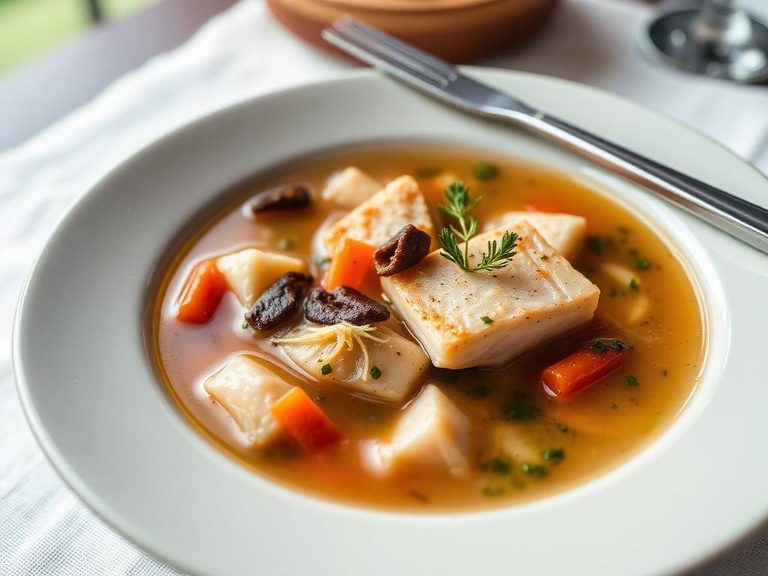
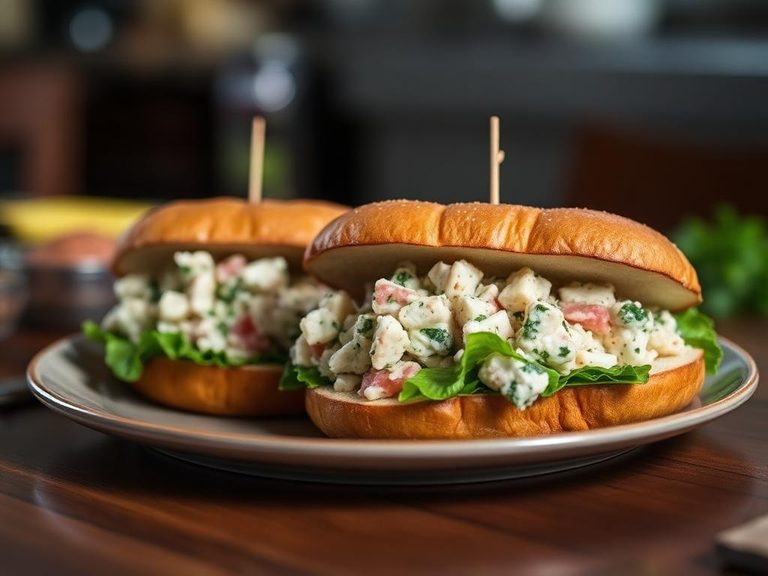
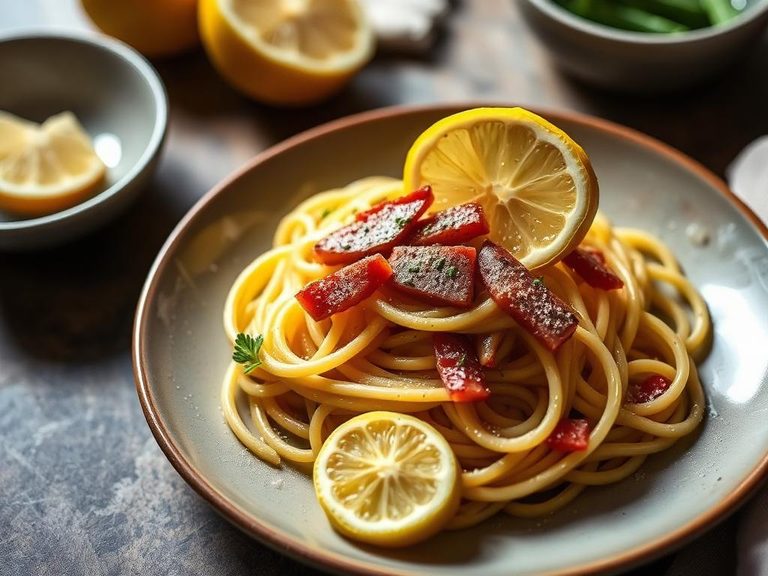
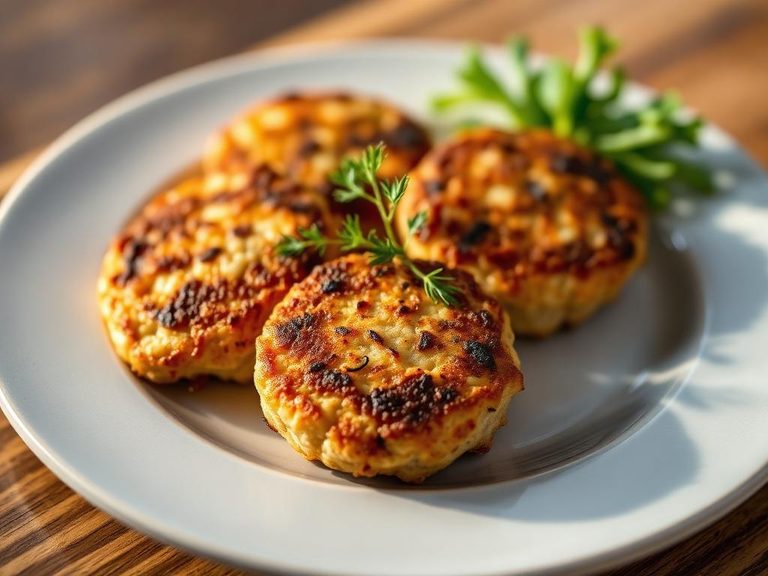
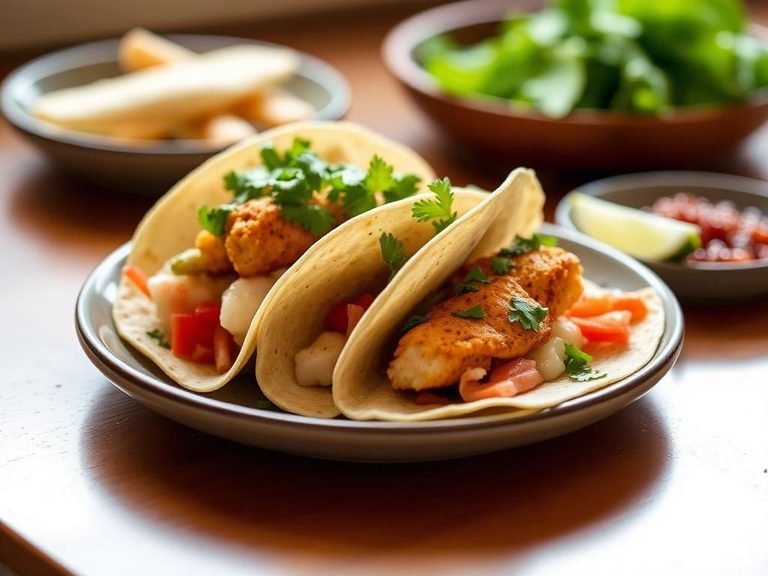
🌍 Where it's eaten
💡 Did you know?
Steelhead trout are rainbow trout that migrate to the ocean, which is why their flesh is a deep pink-orange color similar to salmon, due to their diet of marine crustaceans rich in astaxanthin.
Full nutrition (USDA data · scales with serving)
| Water | 70.6 g |
| Energy | 159 kcal |
| Energy | 664 kj |
| Protein | 21.1 g |
| Total lipid (fat) | 8.3 g |
| Ash | 1.2 g |
| Carbohydrate, by difference | 0.00 g |
| Fiber, total dietary | 0.00 g |
| Total Sugars | 0.00 g |
| Sucrose | 0.00 g |
| Glucose | 0.00 g |
| Fructose | 0.00 g |
| Lactose | 0.00 g |
| Maltose | 0.00 g |
| Galactose | 0.00 g |
| Starch | 0.00 g |
| Calcium, Ca | 30.0 mg |
| Iron, Fe | 0.64 mg |
| Magnesium, Mg | 25.0 mg |
| Phosphorus, P | 249 mg |
| Potassium, K | 365 mg |
| Sodium, Na | 118 mg |
| Zinc, Zn | 0.57 mg |
| Copper, Cu | 0.06 mg |
| Manganese, Mn | 0.01 mg |
| Selenium, Se | 26.0 ug |
| Vitamin C, total ascorbic acid | 0.00 mg |
| Vitamin B-12 | 5.8 ug |
| Vitamin B-12, added | 0.00 ug |
| Vitamin A, RAE | 20.0 ug |
| Retinol | 20.0 ug |
| Carotene, beta | 0.00 ug |
| Carotene, alpha | 0.00 ug |
| Cryptoxanthin, beta | 0.00 ug |
| Vitamin A, IU | 65.0 iu |
| Lycopene | 0.00 ug |
| Lutein + zeaxanthin | 0.00 ug |
| Vitamin E (alpha-tocopherol) | 2.1 mg |
| Vitamin E, added | 0.00 mg |
| Tocopherol, beta | 0.00 mg |
| Tocopherol, gamma | 0.01 mg |
| Tocopherol, delta | 0.00 mg |
| Tocotrienol, alpha | 0.00 mg |
| Tocotrienol, beta | 0.00 mg |
| Tocotrienol, gamma | 0.00 mg |
| Tocotrienol, delta | 0.00 mg |
| Vitamin D (D2 + D3), International Units | 604 iu |
| Vitamin D (D2 + D3) | 15.1 ug |
| Vitamin K (phylloquinone) | 0.00 ug |
| Vitamin K (Dihydrophylloquinone) | 0.00 ug |
| Vitamin K (Menaquinone-4) | 0.20 ug |
| Alcohol, ethyl | 0.00 g |
| Caffeine | 0.00 mg |
Fat & fatty acid profile (per 100g)
| Fatty acids, total saturated | 1.5 g |
| SFA 8:0 | 0.00 g |
| SFA 10:0 | 0.00 g |
| SFA 12:0 | 0.00 g |
| SFA 14:0 | 0.36 g |
| SFA 15:0 | 0.02 g |
| SFA 16:0 | 0.92 g |
| SFA 17:0 | 0.01 g |
| SFA 18:0 | 0.21 g |
| SFA 20:0 | 0.01 g |
| SFA 22:0 | 0.00 g |
| SFA 24:0 | 0.00 g |
| Fatty acids, total monounsaturated | 2.2 g |
| MUFA 14:1 | 0.01 g |
| MUFA 15:1 | 0.00 g |
| MUFA 16:1 | 0.49 g |
| MUFA 17:1 | 0.00 g |
| MUFA 18:1 | 1.5 g |
| MUFA 20:1 | 0.23 g |
| MUFA 22:1 | 0.00 g |
| MUFA 22:1 c | 0.00 g |
| Fatty acids, total polyunsaturated | 1.2 g |
| PUFA 18:2 | 0.08 g |
| PUFA 18:3 | 0.05 g |
| PUFA 18:3 n-3 c,c,c (ALA) | 0.05 g |
| PUFA 18:3 n-6 c,c,c | 0.00 g |
| PUFA 20:2 n-6 c,c | 0.01 g |
| PUFA 20:3 | 0.01 g |
| PUFA 20:4 | 0.03 g |
| PUFA 20:5 n-3 (EPA) | 0.38 g |
| PUFA 22:5 n-3 (DPA) | 0.13 g |
| PUFA 22:6 n-3 (DHA) | 0.54 g |
| Cholesterol | 59.0 mg |
FAQ
Is this the same as canned salmon?
No, but it's a close relative. Steelhead trout is a type of rainbow trout that goes to sea, while most canned salmon comes from Pacific salmon species like pink, sockeye, or chum. Nutritionally, they are very similar, both being excellent sources of protein and omega-3s.
What does 'boiled' in the description mean?
It refers to the canning process. The fish is cooked (often steamed or boiled) and sealed in the can, which then undergoes heat processing to sterilize it for long-term shelf stability without refrigeration.
How can I use this in cooking?
It's incredibly versatile. Drain and flake it to add to salads, mix into pasta sauces, fold into omelets, or use as a filling for wraps. It can also be mashed with a little mayo and herbs for a quick fish salad, or formed into cakes and pan-fried.
Nutrient density (calculated · NRF9.3)
Nutrient Rich Foods index: beneficial nutrients (protein, fiber, vitamins, minerals) minus saturated fat, added sugar & sodium, per 100 kcal.
NRF9.3 index — Fulgoni, Keast & Drewnowski, 2009. Computed from USDA nutrients.
Weight-loss friendliness (composite index)
Energy density 1.59 kcal/g · 53% calories from protein · 0.0 g fiber · 0.0 g sugar per 100 g.
Composite of energy density (Rolls et al., 1999), protein & fiber satiety, minus sugar. A calculated heuristic — ranks satiety-per-calorie, not a clinical measure.
Dietary load (calculated from USDA values)
Potential renal acid load. Positive = acid-forming, negative = alkaline-forming.
Sodium-to-potassium ratio: 0.32 (lower is better — aim for ≤ 1)
Sodium:potassium per WHO potassium guidance. Computed from USDA nutrients.