

Spinach, fresh, cooked, no added fat
Common food
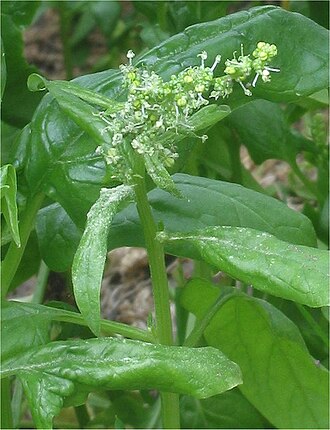
Photo: Wikipedia
Cooked spinach is a tender, dark green leafy vegetable with a mild, slightly earthy flavor and a soft, silky texture when wilted. It's a nutritional powerhouse, packing a surprising amount of protein (3.41g) and fiber (1.9g) for just 33 calories per 100g. Its vibrant color and concentrated nutrients make it a staple in health-conscious kitchens worldwide.
Calorie split: 42% protein · 38% carbs · 19% fat
↓ Full nutrition💚 Why it's loved
People love it for its incredible versatility—it wilts down effortlessly, making it easy to add a nutrient boost to countless dishes. Its mild flavor acts as a perfect canvas, absorbing the tastes of garlic, butter, or spices it's cooked with.
⚠️ Watch-outs & how to enjoy it better
Cooked spinach contains oxalates, which can bind to minerals like calcium and iron, reducing their absorption and potentially contributing to kidney stones in susceptible individuals. To counteract this, pair it with a source of vitamin C (like lemon juice) to enhance iron uptake, and ensure adequate calcium intake from other dietary sources. Those prone to kidney stones should consult a doctor about portion control.
Key benefits
- Excellent source of plant-based protein for a leafy green.
- High in dietary fiber, supporting digestive health.
- Very low in calories and fat, ideal for weight management.
- Rich in vitamins A, C, and K, and minerals like iron and magnesium.
- Contains antioxidants like lutein and zeaxanthin, beneficial for eye health.
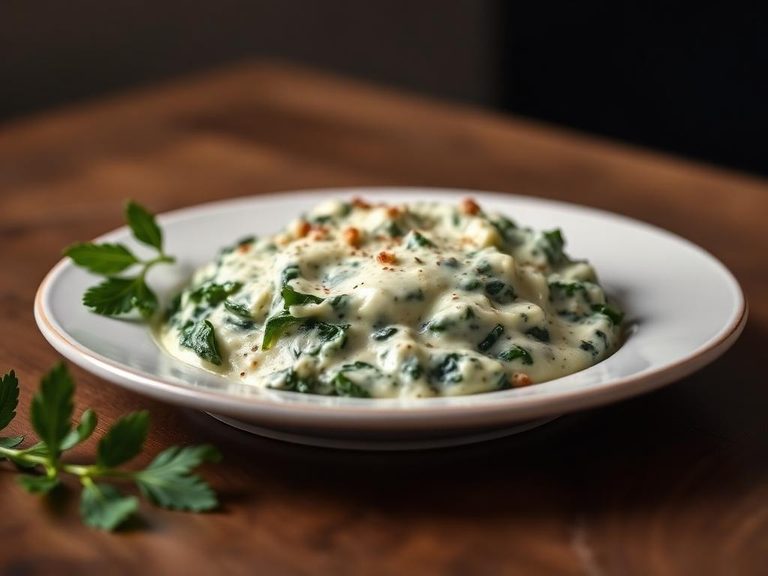
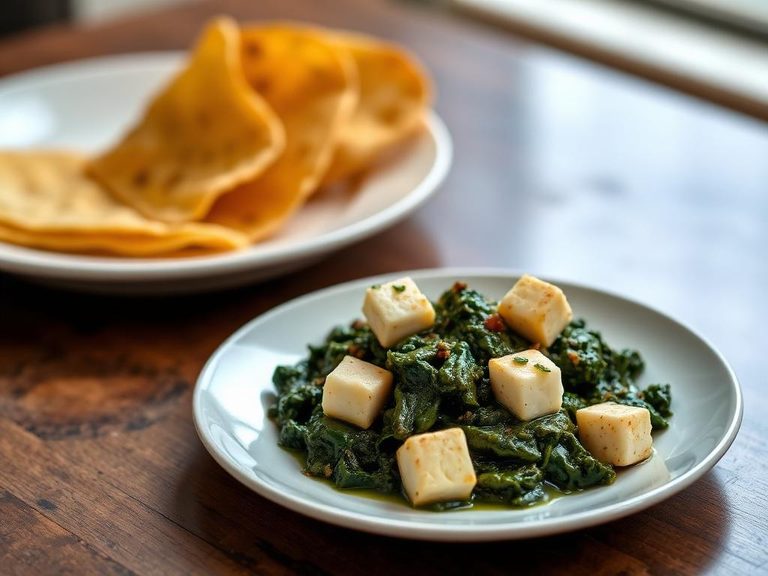
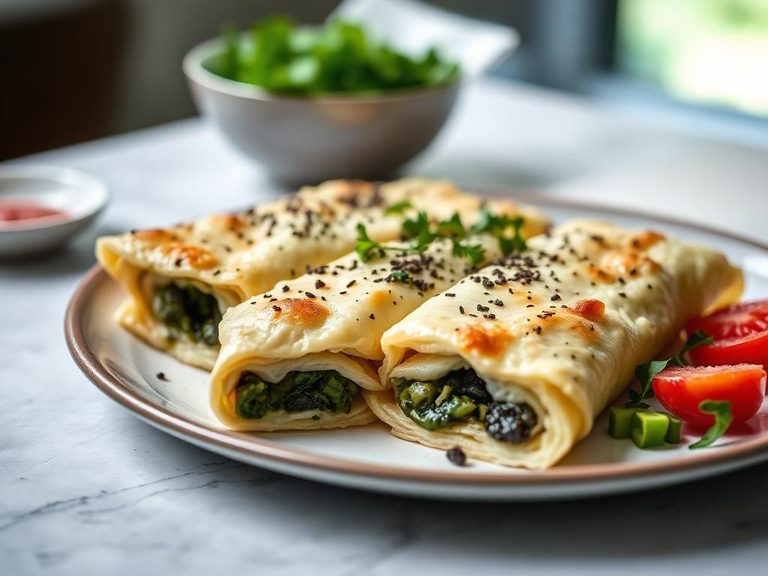
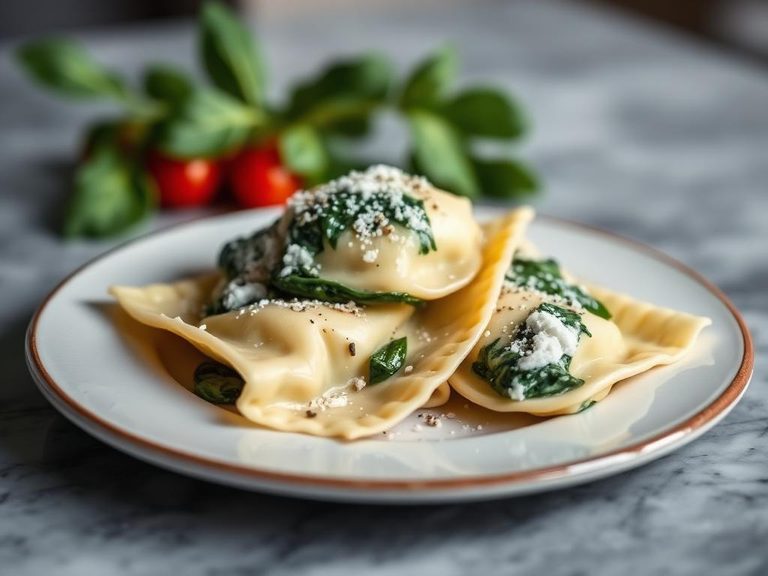
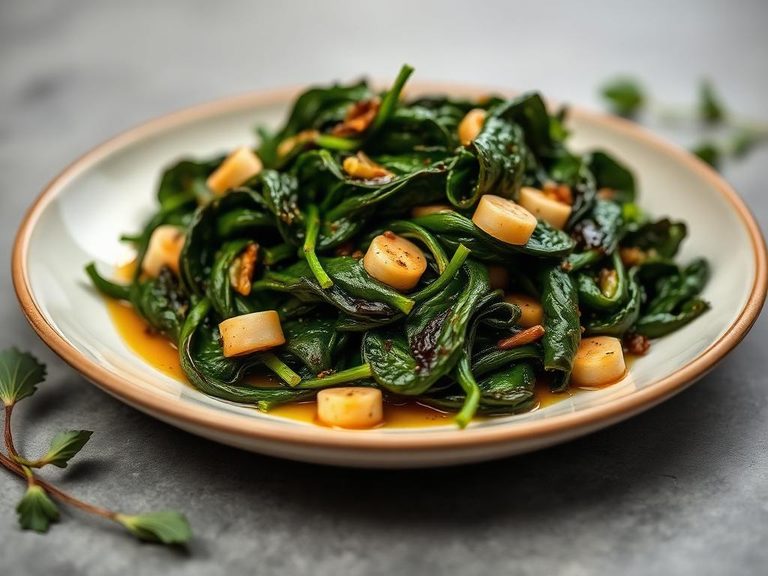
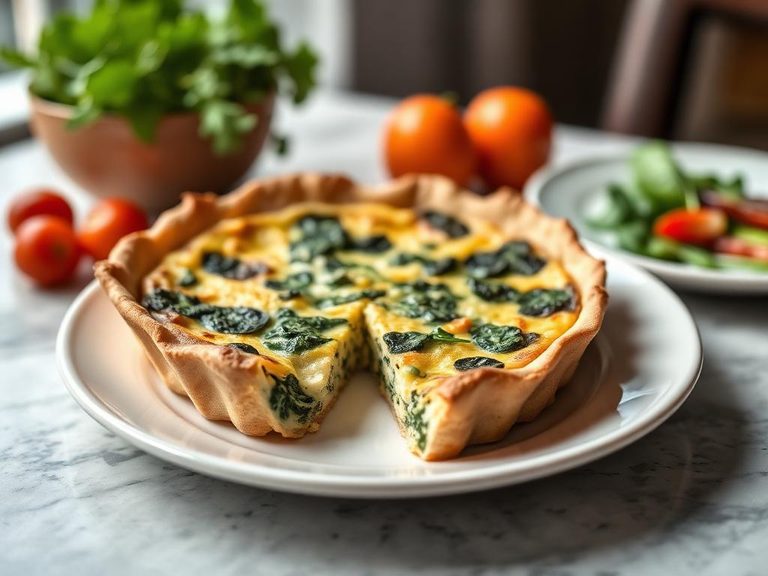
🍽️ Popular dishes
🌍 Where it's eaten
💡 Did you know?
Spinach was once called 'the Spanish vegetable' in England after being introduced by the Moors in the 14th century, leading to a persistent myth that it originated in Spain.
Full nutrition (USDA data · scales with serving)
| Water | 90.8 g |
| Energy | 33.0 kcal |
| Protein | 3.4 g |
| Total lipid (fat) | 0.70 g |
| Carbohydrate, by difference | 3.1 g |
| Fiber, total dietary | 1.9 g |
| Total Sugars | 0.49 g |
| Calcium, Ca | 79.0 mg |
| Iron, Fe | 1.2 mg |
| Magnesium, Mg | 109 mg |
| Phosphorus, P | 48.0 mg |
| Potassium, K | 540 mg |
| Sodium, Na | 262 mg |
| Zinc, Zn | 0.49 mg |
| Copper, Cu | 0.09 mg |
| Selenium, Se | 0.00 ug |
| Vitamin C, total ascorbic acid | 24.9 mg |
| Thiamin | 0.08 mg |
| Riboflavin | 0.21 mg |
| Niacin | 0.57 mg |
| Vitamin B-6 | 0.24 mg |
| Folate, total | 99.0 ug |
| Folic acid | 0.00 ug |
| Folate, food | 99.0 ug |
| Folate, DFE | 99.0 ug |
| Choline, total | 22.6 mg |
| Vitamin B-12 | 0.00 ug |
| Vitamin B-12, added | 0.00 ug |
| Vitamin A, RAE | 341 ug |
| Retinol | 0.00 ug |
| Carotene, beta | 4088 ug |
| Carotene, alpha | 0.00 ug |
| Cryptoxanthin, beta | 11.0 ug |
| Lycopene | 0.00 ug |
| Lutein + zeaxanthin | 8823 ug |
| Vitamin E (alpha-tocopherol) | 2.4 mg |
| Vitamin E, added | 0.00 mg |
| Vitamin D (D2 + D3) | 0.00 ug |
| Vitamin K (phylloquinone) | 566 ug |
| Alcohol, ethyl | 0.00 g |
| Caffeine | 0.00 mg |
| Theobromine | 0.00 mg |
Fat & fatty acid profile (per 100g)
| Fatty acids, total saturated | 0.07 g |
| SFA 4:0 | 0.00 g |
| SFA 6:0 | 0.00 g |
| SFA 8:0 | 0.00 g |
| SFA 10:0 | 0.00 g |
| SFA 12:0 | 0.00 g |
| SFA 14:0 | 0.01 g |
| SFA 16:0 | 0.06 g |
| SFA 18:0 | 0.01 g |
| Fatty acids, total monounsaturated | 0.01 g |
| MUFA 16:1 | 0.01 g |
| MUFA 18:1 | 0.01 g |
| MUFA 20:1 | 0.00 g |
| MUFA 22:1 | 0.00 g |
| Fatty acids, total polyunsaturated | 0.19 g |
| PUFA 18:2 | 0.03 g |
| PUFA 18:3 | 0.16 g |
| PUFA 18:4 | 0.00 g |
| PUFA 20:4 | 0.00 g |
| PUFA 20:5 n-3 (EPA) | 0.00 g |
| PUFA 22:5 n-3 (DPA) | 0.00 g |
| PUFA 22:6 n-3 (DHA) | 0.00 g |
| Cholesterol | 0.00 mg |
Amino acid profile (per 100g)
Estimated from Babyfood, vegetables, spinach, creamed, strained — USDA does not publish this profile for Spinach.
| Tryptophan | 0.04 g |
| Threonine | 0.10 g |
| Isoleucine | 0.11 g |
| Leucine | 0.22 g |
| Lysine | 0.15 g |
| Methionine | 0.06 g |
| Cystine | 0.03 g |
| Phenylalanine | 0.10 g |
| Tyrosine | 0.12 g |
| Valine | 0.15 g |
| Arginine | 0.15 g |
| Histidine | 0.06 g |
| Alanine | 0.12 g |
| Aspartic acid | 0.20 g |
| Glutamic acid | 0.42 g |
| Glycine | 0.10 g |
| Proline | 0.21 g |
| Serine | 0.10 g |
FAQ
Why does cooked spinach have more iron and calcium than raw?
Cooking wilts the spinach, concentrating its nutrients by removing water. A cup of raw spinach cooks down to a much smaller volume, so the same weight of cooked spinach contains more of these minerals. However, the oxalates in spinach also affect how much of these minerals your body can absorb.
How do I keep cooked spinach from being watery?
After cooking, press the spinach firmly in a fine-mesh strainer or cheesecloth to squeeze out excess liquid. You can also quickly sauté the drained spinach in a hot pan with a little garlic to evaporate any remaining moisture and add flavor.
Is the iron in spinach as good as the iron in meat?
No. The iron in spinach is non-heme iron, which is less readily absorbed by the body than the heme iron found in animal products. Pairing spinach with a source of vitamin C (like tomatoes, bell peppers, or lemon juice) significantly boosts the absorption of its iron.
Nutrient density (calculated · NRF9.3)
Nutrient Rich Foods index: beneficial nutrients (protein, fiber, vitamins, minerals) minus saturated fat, added sugar & sodium, per 100 kcal.
NRF9.3 index — Fulgoni, Keast & Drewnowski, 2009. Computed from USDA nutrients.
Weight-loss friendliness (composite index)
Energy density 0.33 kcal/g · 41% calories from protein · 1.9 g fiber · 0.5 g sugar per 100 g.
Composite of energy density (Rolls et al., 1999), protein & fiber satiety, minus sugar. A calculated heuristic — ranks satiety-per-calorie, not a clinical measure.
Dietary load (calculated from USDA values)
Potential renal acid load. Positive = acid-forming, negative = alkaline-forming.
Sodium-to-potassium ratio: 0.49 (lower is better — aim for ≤ 1)
Sodium:potassium per WHO potassium guidance. Computed from USDA nutrients.