

Spinach, frozen, cooked, fat added, NS as to fat type
Common food

Photo: Wikipedia
This is spinach that has been frozen, cooked, and prepared with an unspecified fat, resulting in a tender, slightly silky texture with a deep, earthy flavor. It's a nutrient-dense staple, offering a good source of protein and fiber for just 56 calories per 100g. The addition of fat enhances the absorption of its fat-soluble vitamins, like vitamin K and A.
Calorie split: 24% protein · 29% carbs · 47% fat
↓ Full nutrition💚 Why it's loved
People love it for its incredible convenience and deep, savory flavor that forms the backbone of countless comfort foods. It's a versatile ingredient that can be quickly incorporated into everything from pasta sauces to morning smoothies, offering a significant nutritional boost with minimal effort.
⚠️ Watch-outs & how to enjoy it better
The high oxalate content can be a concern for individuals prone to kidney stones or those concerned about mineral absorption. To mitigate this, pair it with a calcium-rich food like cheese or yogurt, and ensure you're drinking plenty of water. The 'fat added' component also means it can be higher in calories than plain frozen spinach, so mindful portioning is key for calorie-controlled diets.
Key benefits
- Excellent source of vitamin K for bone health
- Good source of plant-based protein and dietary fiber
- Rich in antioxidants like lutein and zeaxanthin
- Provides iron and magnesium in a cooked, digestible form
- Fat addition boosts nutrient bioavailability
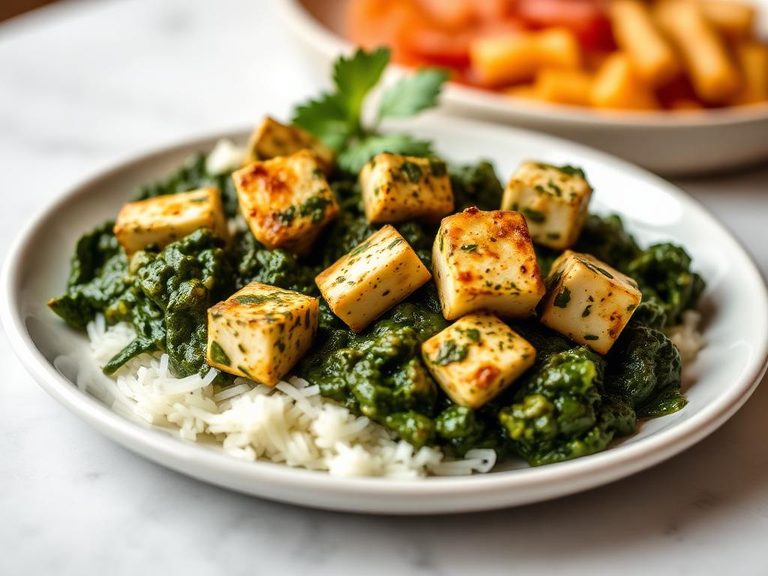
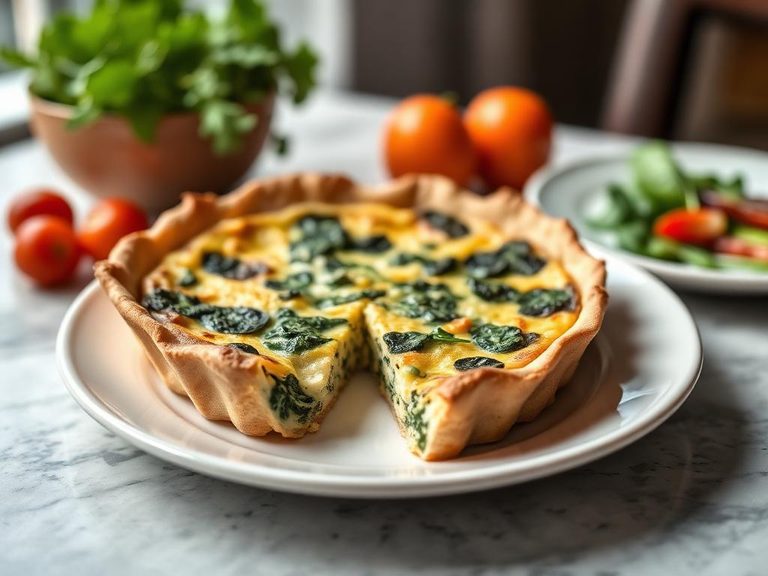
🍽️ Popular dishes
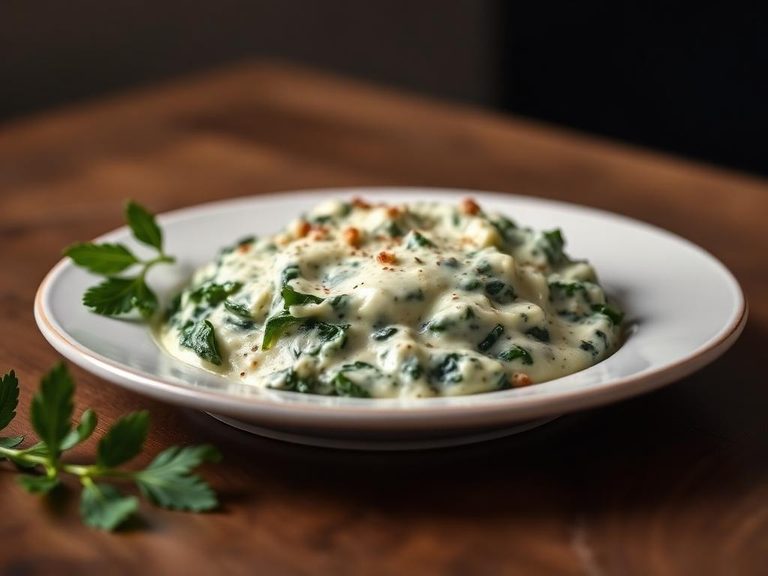
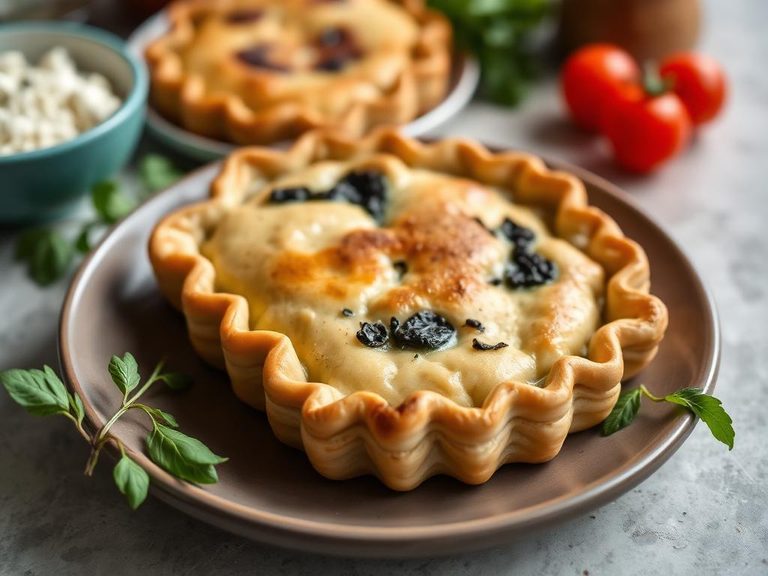
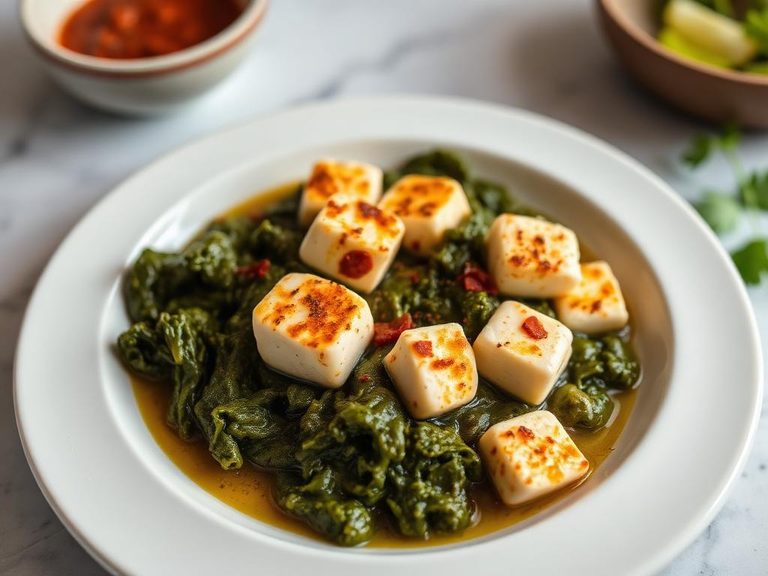
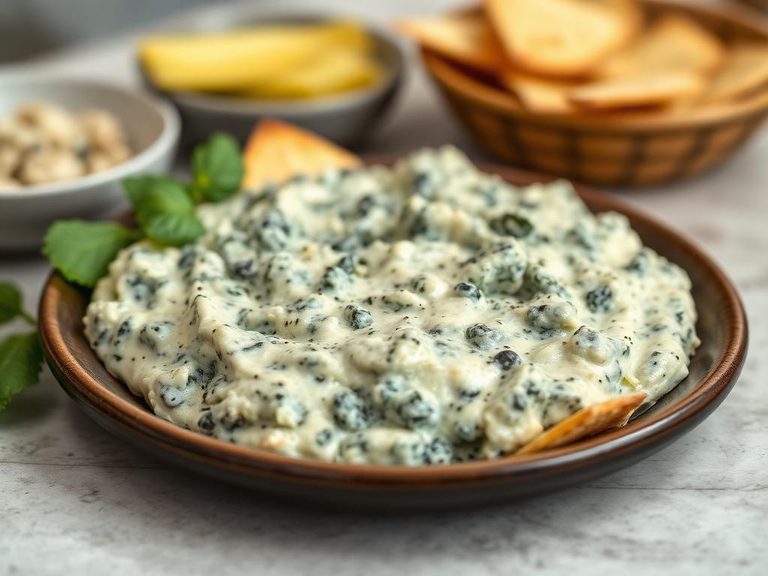
🌍 Where it's eaten
💡 Did you know?
Cooking spinach actually increases the bioavailability of certain nutrients; for example, the body can absorb more beta-carotene and lutein from cooked spinach than from raw.
Full nutrition (USDA data · scales with serving)
| Water | 86.4 g |
| Energy | 56.0 kcal |
| Protein | 3.9 g |
| Total lipid (fat) | 3.4 g |
| Carbohydrate, by difference | 4.7 g |
| Fiber, total dietary | 3.6 g |
| Total Sugars | 0.50 g |
| Calcium, Ca | 149 mg |
| Iron, Fe | 1.9 mg |
| Magnesium, Mg | 79.0 mg |
| Phosphorus, P | 49.0 mg |
| Potassium, K | 293 mg |
| Sodium, Na | 215 mg |
| Zinc, Zn | 0.48 mg |
| Copper, Cu | 0.16 mg |
| Selenium, Se | 5.3 ug |
| Vitamin C, total ascorbic acid | 2.1 mg |
| Thiamin | 0.08 mg |
| Riboflavin | 0.17 mg |
| Niacin | 0.42 mg |
| Vitamin B-6 | 0.15 mg |
| Folate, total | 117 ug |
| Folic acid | 0.00 ug |
| Folate, food | 117 ug |
| Folate, DFE | 117 ug |
| Choline, total | 24.2 mg |
| Vitamin B-12 | 0.00 ug |
| Vitamin B-12, added | 0.00 ug |
| Vitamin A, RAE | 595 ug |
| Retinol | 11.0 ug |
| Carotene, beta | 7011 ug |
| Carotene, alpha | 0.00 ug |
| Cryptoxanthin, beta | 0.00 ug |
| Lycopene | 0.00 ug |
| Lutein + zeaxanthin | 15189 ug |
| Vitamin E (alpha-tocopherol) | 3.8 mg |
| Vitamin E, added | 0.00 mg |
| Vitamin D (D2 + D3) | 0.00 ug |
| Vitamin K (phylloquinone) | 526 ug |
| Alcohol, ethyl | 0.00 g |
| Caffeine | 0.00 mg |
| Theobromine | 0.00 mg |
Fat & fatty acid profile (per 100g)
| Fatty acids, total saturated | 0.82 g |
| SFA 4:0 | 0.02 g |
| SFA 6:0 | 0.01 g |
| SFA 8:0 | 0.01 g |
| SFA 10:0 | 0.02 g |
| SFA 12:0 | 0.02 g |
| SFA 14:0 | 0.06 g |
| SFA 16:0 | 0.52 g |
| SFA 18:0 | 0.14 g |
| Fatty acids, total monounsaturated | 0.90 g |
| MUFA 16:1 | 0.01 g |
| MUFA 18:1 | 0.87 g |
| MUFA 20:1 | 0.01 g |
| MUFA 22:1 | 0.00 g |
| Fatty acids, total polyunsaturated | 1.1 g |
| PUFA 18:2 | 0.65 g |
| PUFA 18:3 | 0.44 g |
| PUFA 18:4 | 0.00 g |
| PUFA 20:4 | 0.00 g |
| PUFA 20:5 n-3 (EPA) | 0.00 g |
| PUFA 22:5 n-3 (DPA) | 0.00 g |
| PUFA 22:6 n-3 (DHA) | 0.00 g |
| Cholesterol | 2.0 mg |
Amino acid profile (per 100g)
Estimated from Babyfood, vegetables, spinach, creamed, strained — USDA does not publish this profile for Spinach.
| Tryptophan | 0.04 g |
| Threonine | 0.10 g |
| Isoleucine | 0.11 g |
| Leucine | 0.22 g |
| Lysine | 0.15 g |
| Methionine | 0.06 g |
| Cystine | 0.03 g |
| Phenylalanine | 0.10 g |
| Tyrosine | 0.12 g |
| Valine | 0.15 g |
| Arginine | 0.15 g |
| Histidine | 0.06 g |
| Alanine | 0.12 g |
| Aspartic acid | 0.20 g |
| Glutamic acid | 0.42 g |
| Glycine | 0.10 g |
| Proline | 0.21 g |
| Serine | 0.10 g |
FAQ
Is frozen cooked spinach as nutritious as fresh?
Yes, often more so. Freezing occurs shortly after harvest, locking in nutrients. The cooking process further breaks down cell walls, making some antioxidants and minerals more available for absorption.
What does 'NS as to fat type' mean?
It stands for 'Not Specified as to fat type.' This means a fat was used in preparation, but the specific type (e.g., butter, oil, lard) is unknown. The nutrition facts reflect the average for this category.
How can I use this in recipes?
It's perfect for quick additions to pasta, omelets, soups, stews, and casseroles. Thaw and drain well before using to avoid excess water. It can also be blended into sauces or smoothies for a nutrient boost.
Nutrient density (calculated · NRF9.3)
Nutrient Rich Foods index: beneficial nutrients (protein, fiber, vitamins, minerals) minus saturated fat, added sugar & sodium, per 100 kcal.
NRF9.3 index — Fulgoni, Keast & Drewnowski, 2009. Computed from USDA nutrients.
Weight-loss friendliness (composite index)
Energy density 0.56 kcal/g · 28% calories from protein · 3.6 g fiber · 0.5 g sugar per 100 g.
Composite of energy density (Rolls et al., 1999), protein & fiber satiety, minus sugar. A calculated heuristic — ranks satiety-per-calorie, not a clinical measure.
Dietary load (calculated from USDA values)
Potential renal acid load. Positive = acid-forming, negative = alkaline-forming.
Sodium-to-potassium ratio: 0.73 (lower is better — aim for ≤ 1)
Sodium:potassium per WHO potassium guidance. Computed from USDA nutrients.