

Spinach, fresh, cooked, fat added, NS as to fat type
Common food
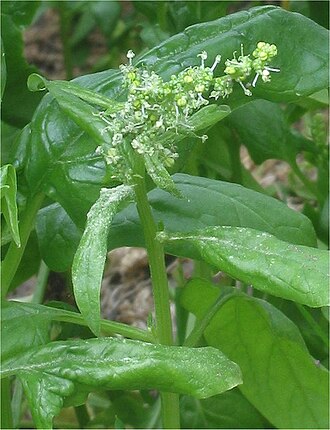
Photo: Wikipedia
This is spinach that has been cooked down, typically with a bit of added fat like butter or oil, which gives it a tender, silky texture and a rich, earthy flavor. The cooking process concentrates its nutrients, making it a dense source of vitamins and minerals. It's a classic, savory side dish that transforms from a voluminous raw green into a compact, flavorful component of a meal.
Calorie split: 23% protein · 21% carbs · 57% fat
↓ Full nutrition💚 Why it's loved
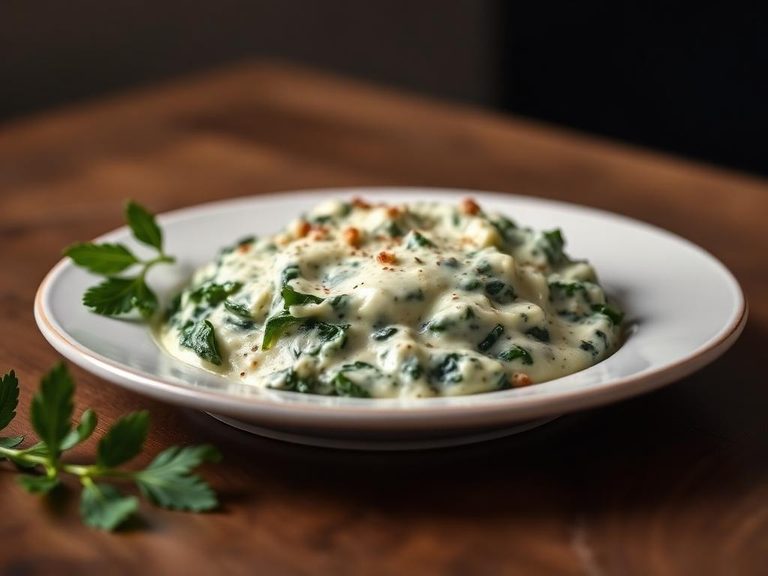
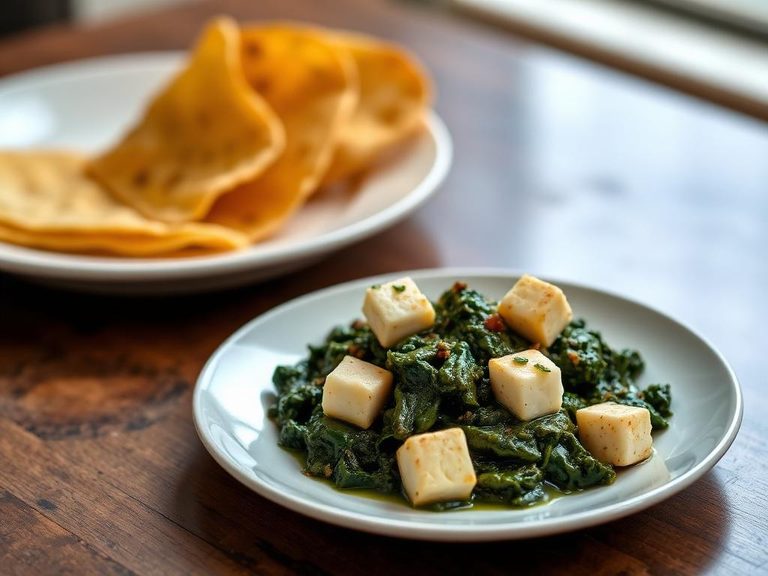
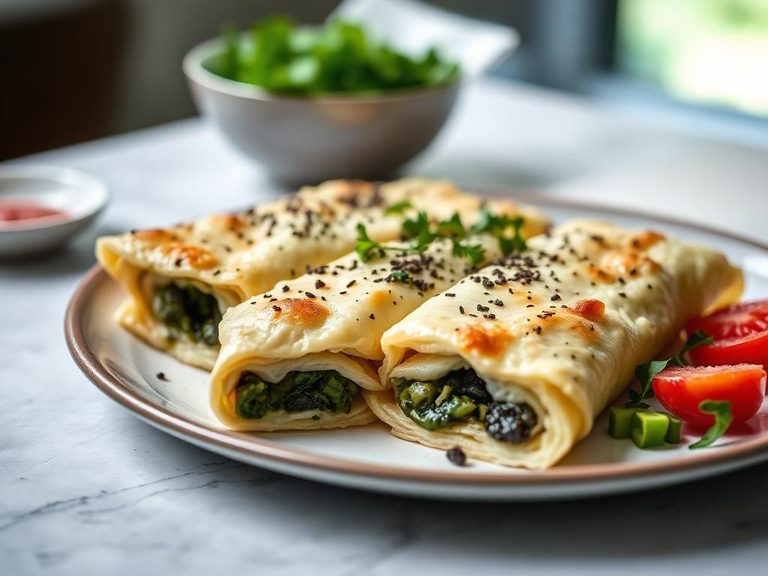
People love cooked spinach for its deep, savory flavor and its incredible versatility as a side dish, in soups, or as a filling. It's a staple in many cuisines, from Southern American comfort food to classic Indian and Mediterranean dishes, making it a familiar and comforting ingredient.
⚠️ Watch-outs & how to enjoy it better
Some find its texture slimy or its taste too metallic or bitter, especially if overcooked. Those with kidney stones or on blood thinners should be cautious due to its high oxalate and vitamin K content; pairing it with calcium-rich foods like cheese or yogurt can help mitigate oxalate absorption.
Key benefits
- Excellent source of vitamin K, crucial for bone health and blood clotting.
- High in vitamin A (as beta-carotene) for vision and immune function.
- Provides a good amount of iron and magnesium for energy and muscle function.
- Rich in antioxidants like lutein and zeaxanthin, which support eye health.
- The added fat helps the body absorb fat-soluble vitamins (A, K, E).
🍽️ Popular dishes
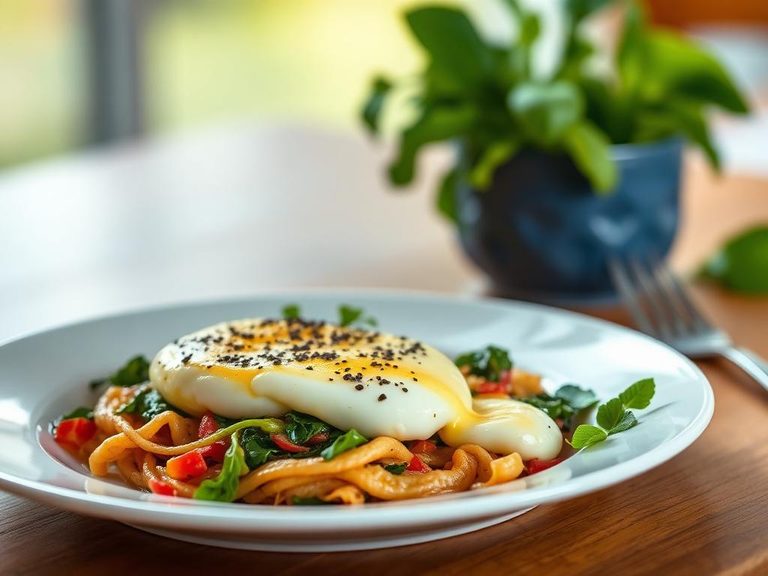
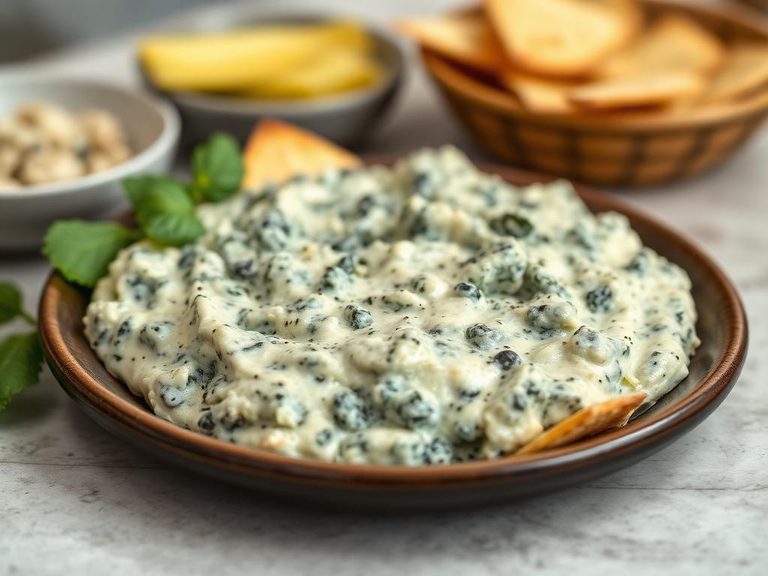
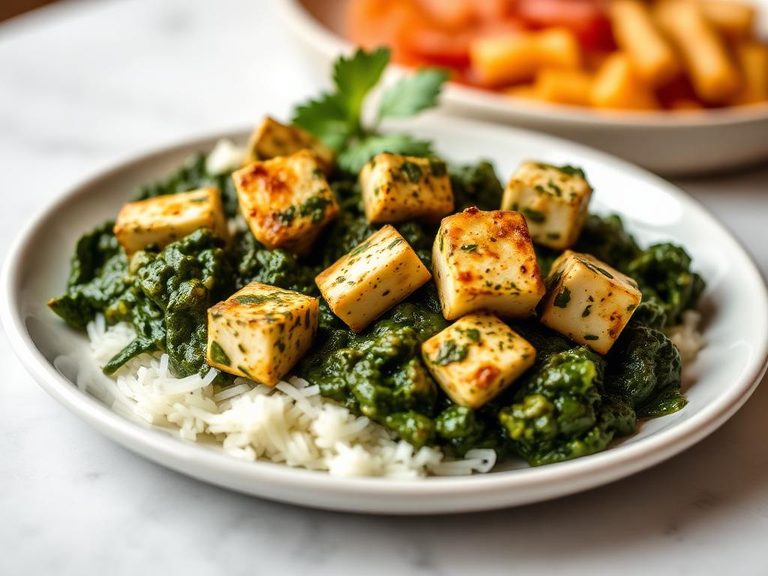
🌍 Where it's eaten
💡 Did you know?
Cooking spinach dramatically increases the bioavailability of some nutrients; for example, the body can absorb significantly more beta-carotene and lutein from cooked spinach than from raw spinach.
Full nutrition (USDA data · scales with serving)
| Water | 88.0 g |
| Energy | 59.0 kcal |
| Protein | 3.3 g |
| Total lipid (fat) | 3.7 g |
| Carbohydrate, by difference | 3.0 g |
| Fiber, total dietary | 1.8 g |
| Total Sugars | 0.48 g |
| Calcium, Ca | 77.0 mg |
| Iron, Fe | 1.2 mg |
| Magnesium, Mg | 106 mg |
| Phosphorus, P | 47.0 mg |
| Potassium, K | 524 mg |
| Sodium, Na | 264 mg |
| Zinc, Zn | 0.48 mg |
| Copper, Cu | 0.09 mg |
| Selenium, Se | 0.00 ug |
| Vitamin C, total ascorbic acid | 24.2 mg |
| Thiamin | 0.08 mg |
| Riboflavin | 0.21 mg |
| Niacin | 0.55 mg |
| Vitamin B-6 | 0.25 mg |
| Folate, total | 97.0 ug |
| Folic acid | 0.00 ug |
| Folate, food | 97.0 ug |
| Folate, DFE | 97.0 ug |
| Choline, total | 22.3 mg |
| Vitamin B-12 | 0.00 ug |
| Vitamin B-12, added | 0.00 ug |
| Vitamin A, RAE | 344 ug |
| Retinol | 13.0 ug |
| Carotene, beta | 3976 ug |
| Carotene, alpha | 0.00 ug |
| Cryptoxanthin, beta | 11.0 ug |
| Lycopene | 0.00 ug |
| Lutein + zeaxanthin | 8567 ug |
| Vitamin E (alpha-tocopherol) | 2.8 mg |
| Vitamin E, added | 0.00 mg |
| Vitamin D (D2 + D3) | 0.00 ug |
| Vitamin K (phylloquinone) | 552 ug |
| Alcohol, ethyl | 0.00 g |
| Caffeine | 0.00 mg |
| Theobromine | 0.00 mg |
Fat & fatty acid profile (per 100g)
| Fatty acids, total saturated | 0.85 g |
| SFA 4:0 | 0.02 g |
| SFA 6:0 | 0.01 g |
| SFA 8:0 | 0.01 g |
| SFA 10:0 | 0.02 g |
| SFA 12:0 | 0.02 g |
| SFA 14:0 | 0.09 g |
| SFA 16:0 | 0.48 g |
| SFA 18:0 | 0.17 g |
| Fatty acids, total monounsaturated | 1.1 g |
| MUFA 16:1 | 0.02 g |
| MUFA 18:1 | 1.0 g |
| MUFA 20:1 | 0.01 g |
| MUFA 22:1 | 0.00 g |
| Fatty acids, total polyunsaturated | 1.0 g |
| PUFA 18:2 | 0.79 g |
| PUFA 18:3 | 0.25 g |
| PUFA 18:4 | 0.00 g |
| PUFA 20:4 | 0.00 g |
| PUFA 20:5 n-3 (EPA) | 0.00 g |
| PUFA 22:5 n-3 (DPA) | 0.00 g |
| PUFA 22:6 n-3 (DHA) | 0.00 g |
| Cholesterol | 2.0 mg |
Amino acid profile (per 100g)
Estimated from Babyfood, vegetables, spinach, creamed, strained — USDA does not publish this profile for Spinach.
| Tryptophan | 0.04 g |
| Threonine | 0.10 g |
| Isoleucine | 0.11 g |
| Leucine | 0.22 g |
| Lysine | 0.15 g |
| Methionine | 0.06 g |
| Cystine | 0.03 g |
| Phenylalanine | 0.10 g |
| Tyrosine | 0.12 g |
| Valine | 0.15 g |
| Arginine | 0.15 g |
| Histidine | 0.06 g |
| Alanine | 0.12 g |
| Aspartic acid | 0.20 g |
| Glutamic acid | 0.42 g |
| Glycine | 0.10 g |
| Proline | 0.21 g |
| Serine | 0.10 g |
FAQ
Is cooked spinach healthier than raw?
Cooking spinach breaks down its tough cell walls, making certain nutrients like iron and beta-carotene more available for your body to absorb. However, some heat-sensitive vitamins like vitamin C are reduced during cooking.
Why is my cooked spinach watery?
Spinach has a very high water content. To avoid a watery dish, cook it quickly over high heat, or squeeze out excess moisture after wilting. Using a bit of fat (like butter or oil) helps create a richer texture.
How do I reduce the oxalates in spinach?
Oxalates can bind to minerals like calcium. To reduce them, you can blanch the spinach in boiling water for a minute and then drain it before further cooking. Pairing spinach with calcium-rich foods (like cheese or yogurt) can also help.
Nutrient density (calculated · NRF9.3)
Nutrient Rich Foods index: beneficial nutrients (protein, fiber, vitamins, minerals) minus saturated fat, added sugar & sodium, per 100 kcal.
NRF9.3 index — Fulgoni, Keast & Drewnowski, 2009. Computed from USDA nutrients.
Weight-loss friendliness (composite index)
Energy density 0.59 kcal/g · 23% calories from protein · 1.8 g fiber · 0.5 g sugar per 100 g.
Composite of energy density (Rolls et al., 1999), protein & fiber satiety, minus sugar. A calculated heuristic — ranks satiety-per-calorie, not a clinical measure.
Dietary load (calculated from USDA values)
Potential renal acid load. Positive = acid-forming, negative = alkaline-forming.
Sodium-to-potassium ratio: 0.50 (lower is better — aim for ≤ 1)
Sodium:potassium per WHO potassium guidance. Computed from USDA nutrients.