

Spinach, canned, cooked, fat added, NS as to fat type
Common food

Photo: Wikipedia
This is spinach that has been canned, then cooked with an unspecified type of added fat, resulting in a tender, slightly silky texture and a rich, earthy flavor. It's a convenient, shelf-stable vegetable that packs a surprising nutritional punch for its low calorie count. A 100g serving provides nearly 3g of protein and over 2g of fiber, making it a surprisingly substantial side dish.
Calorie split: 21% protein · 26% carbs · 53% fat
↓ Full nutrition💚 Why it's loved
People love it for its deep, savory flavor that pairs beautifully with garlic, onions, and a squeeze of lemon. It's incredibly versatile, easily stirred into pastas, omelets, or grain bowls, and is a staple in comfort food traditions from Southern U.S. to Mediterranean cuisines.
⚠️ Watch-outs & how to enjoy it better
The main downsides are potential high sodium content from the canning liquid and the presence of oxalates, which can bind to minerals like calcium and may be a concern for those with kidney stone history. To counteract, rinse the spinach thoroughly before use and pair it with calcium-rich foods like cheese or yogurt to help mitigate oxalate effects. Also, check labels for sodium and choose low-sodium versions when possible.
Key benefits
- Excellent source of vitamin K for bone health.
- Good source of plant-based protein and dietary fiber.
- Rich in iron and magnesium for energy and muscle function.
- Low in calories and sugar, supporting weight management.
- Convenient and shelf-stable for quick meal preparation.
🍽️ Popular dishes
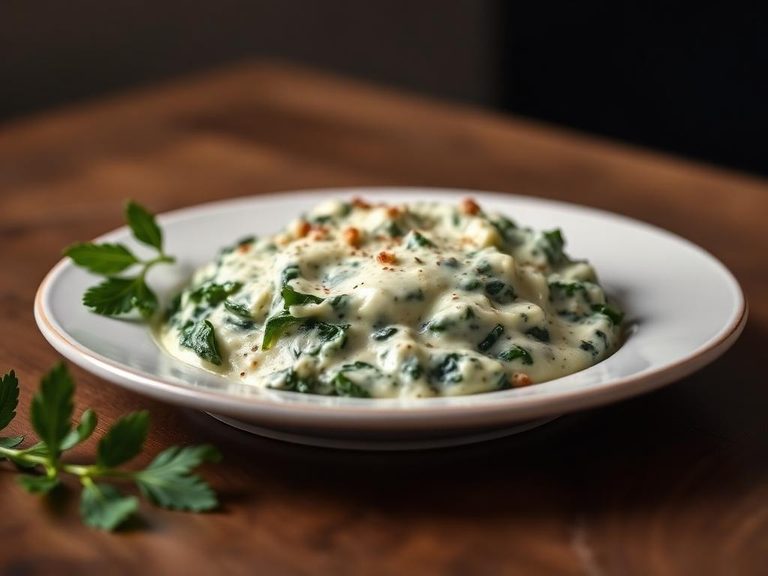
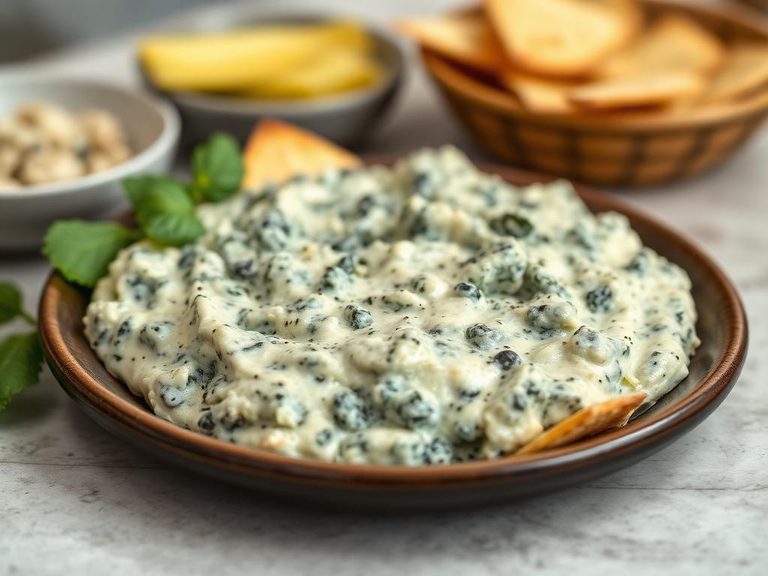
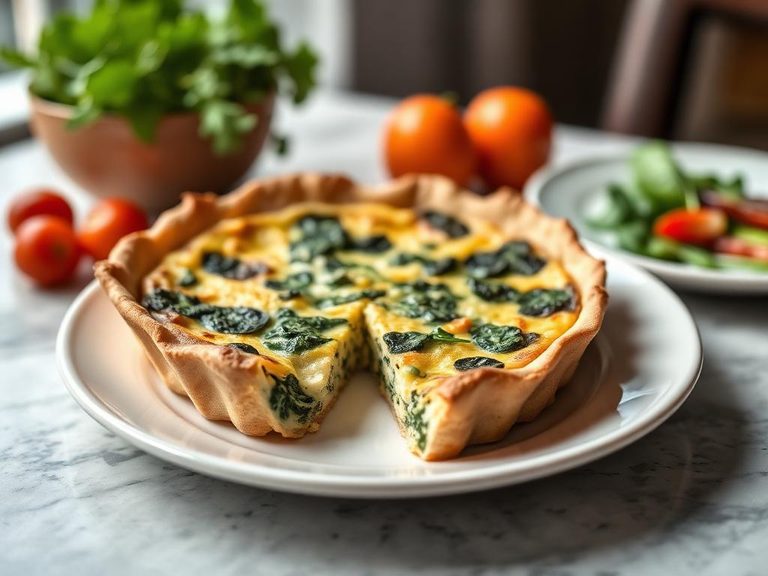
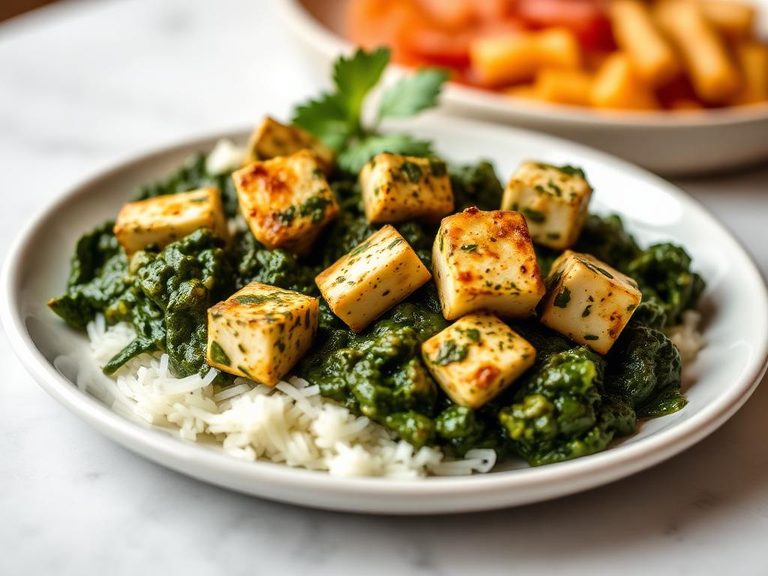

🌍 Where it's eaten
💡 Did you know?
Spinach is a natural source of nitrates, which can help improve blood flow and exercise performance, and it was famously (though inaccurately) associated with giving Popeye his super-strength.
Full nutrition (USDA data · scales with serving)
| Water | 89.4 g |
| Energy | 45.0 kcal |
| Protein | 2.7 g |
| Total lipid (fat) | 3.0 g |
| Carbohydrate, by difference | 3.3 g |
| Fiber, total dietary | 2.3 g |
| Total Sugars | 0.39 g |
| Calcium, Ca | 124 mg |
| Iron, Fe | 2.2 mg |
| Magnesium, Mg | 74.0 mg |
| Phosphorus, P | 43.0 mg |
| Potassium, K | 336 mg |
| Sodium, Na | 321 mg |
| Zinc, Zn | 0.45 mg |
| Copper, Cu | 0.17 mg |
| Selenium, Se | 1.4 ug |
| Vitamin C, total ascorbic acid | 13.2 mg |
| Thiamin | 0.02 mg |
| Riboflavin | 0.13 mg |
| Niacin | 0.38 mg |
| Vitamin B-6 | 0.11 mg |
| Folate, total | 90.0 ug |
| Folic acid | 0.00 ug |
| Folate, food | 90.0 ug |
| Folate, DFE | 90.0 ug |
| Choline, total | 18.1 mg |
| Vitamin B-12 | 0.00 ug |
| Vitamin B-12, added | 0.00 ug |
| Vitamin A, RAE | 487 ug |
| Retinol | 11.0 ug |
| Carotene, beta | 5715 ug |
| Carotene, alpha | 0.00 ug |
| Cryptoxanthin, beta | 0.00 ug |
| Lycopene | 0.00 ug |
| Lutein + zeaxanthin | 10267 ug |
| Vitamin E (alpha-tocopherol) | 2.3 mg |
| Vitamin E, added | 0.00 mg |
| Vitamin D (D2 + D3) | 0.00 ug |
| Vitamin K (phylloquinone) | 450 ug |
| Alcohol, ethyl | 0.00 g |
| Caffeine | 0.00 mg |
| Theobromine | 0.00 mg |
Fat & fatty acid profile (per 100g)
| Fatty acids, total saturated | 0.75 g |
| SFA 4:0 | 0.02 g |
| SFA 6:0 | 0.01 g |
| SFA 8:0 | 0.01 g |
| SFA 10:0 | 0.02 g |
| SFA 12:0 | 0.02 g |
| SFA 14:0 | 0.08 g |
| SFA 16:0 | 0.43 g |
| SFA 18:0 | 0.14 g |
| Fatty acids, total monounsaturated | 0.92 g |
| MUFA 16:1 | 0.02 g |
| MUFA 18:1 | 0.88 g |
| MUFA 20:1 | 0.01 g |
| MUFA 22:1 | 0.00 g |
| Fatty acids, total polyunsaturated | 0.94 g |
| PUFA 18:2 | 0.68 g |
| PUFA 18:3 | 0.25 g |
| PUFA 18:4 | 0.00 g |
| PUFA 20:4 | 0.00 g |
| PUFA 20:5 n-3 (EPA) | 0.00 g |
| PUFA 22:5 n-3 (DPA) | 0.00 g |
| PUFA 22:6 n-3 (DHA) | 0.00 g |
| Cholesterol | 2.0 mg |
Amino acid profile (per 100g)
Estimated from Babyfood, vegetables, spinach, creamed, strained — USDA does not publish this profile for Spinach.
| Tryptophan | 0.04 g |
| Threonine | 0.10 g |
| Isoleucine | 0.11 g |
| Leucine | 0.22 g |
| Lysine | 0.15 g |
| Methionine | 0.06 g |
| Cystine | 0.03 g |
| Phenylalanine | 0.10 g |
| Tyrosine | 0.12 g |
| Valine | 0.15 g |
| Arginine | 0.15 g |
| Histidine | 0.06 g |
| Alanine | 0.12 g |
| Aspartic acid | 0.20 g |
| Glutamic acid | 0.42 g |
| Glycine | 0.10 g |
| Proline | 0.21 g |
| Serine | 0.10 g |
FAQ
What does 'NS as to fat type' mean?
It means the nutritional data doesn't specify which type of fat (e.g., butter, oil, lard) was added during cooking, so the fat content is a general estimate.
Is canned spinach as nutritious as fresh?
Canned spinach retains most of its vitamins and minerals, though some heat-sensitive nutrients like vitamin C may be reduced. It's still a highly nutritious option.
How can I reduce the sodium in canned spinach?
Rinse the spinach thoroughly under cold water before cooking or using it in recipes to remove excess salt from the canning liquid.
Can I eat canned spinach raw?
No, canned spinach is already cooked and preserved, so it's ready to eat after draining and rinsing, but it's best heated for flavor and texture.
Nutrient density (calculated · NRF9.3)
Nutrient Rich Foods index: beneficial nutrients (protein, fiber, vitamins, minerals) minus saturated fat, added sugar & sodium, per 100 kcal.
NRF9.3 index — Fulgoni, Keast & Drewnowski, 2009. Computed from USDA nutrients.
Weight-loss friendliness (composite index)
Energy density 0.45 kcal/g · 24% calories from protein · 2.3 g fiber · 0.4 g sugar per 100 g.
Composite of energy density (Rolls et al., 1999), protein & fiber satiety, minus sugar. A calculated heuristic — ranks satiety-per-calorie, not a clinical measure.
Dietary load (calculated from USDA values)
Potential renal acid load. Positive = acid-forming, negative = alkaline-forming.
Sodium-to-potassium ratio: 0.96 (lower is better — aim for ≤ 1)
Sodium:potassium per WHO potassium guidance. Computed from USDA nutrients.