

Spices, pepper, red or cayenne
Whole food · Spices and Herbs

Photo: Wikipedia
Cayenne pepper is a potent, finely ground powder derived from dried chili peppers, delivering an intense, fiery heat that builds with a slightly fruity, earthy undertone. Nutritionally, it is a concentrated source of fiber and antioxidants, particularly capsaicin, which gives it its signature burn. Its vibrant red color and pungent aroma make it a foundational spice in global cuisines.
Calorie split: 11% protein · 53% carbs · 36% fat
↓ Full nutrition💚 Why it's loved
People love cayenne for its ability to instantly elevate a dish with a clean, sharp heat that awakens the palate. Its versatility allows it to be used in everything from savory stews to chocolate desserts, making it a staple in spice cabinets worldwide.
⚠️ Watch-outs & how to enjoy it better
The intense heat can be overwhelming for those with sensitive stomachs, potentially causing irritation or acid reflux. To mitigate this, pair it with dairy (like yogurt or cheese) or healthy fats (like avocado) to temper the burn, and start with small portions. Individuals with conditions like ulcers or IBS should use it sparingly.
Key benefits
- Rich in capsaicin, which may support metabolism and pain relief
- High in dietary fiber (27g per 100g) for digestive health
- Contains vitamins A and C, which are antioxidants
- May help reduce appetite and promote satiety
- Adds flavor without added sodium or sugar
🍽️ Popular dishes

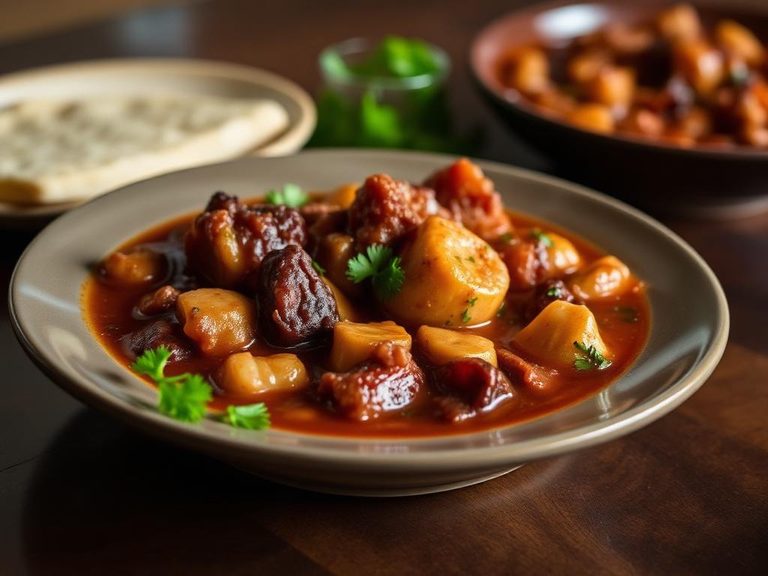
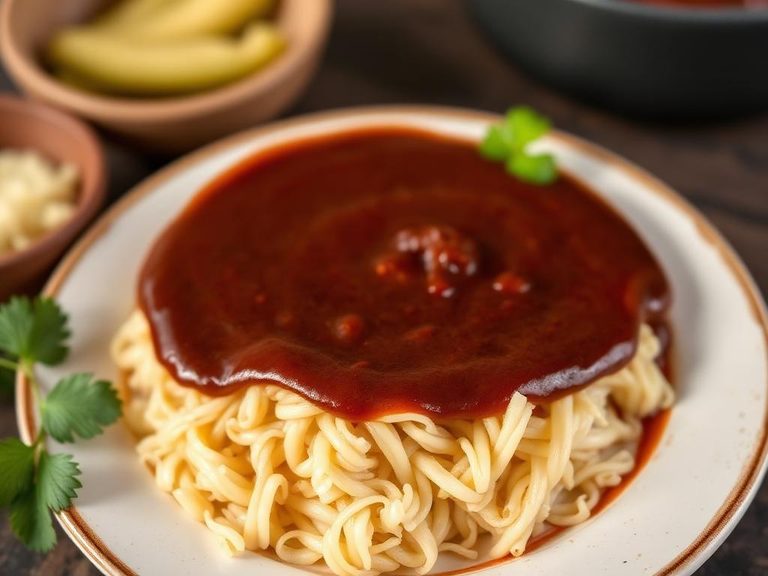
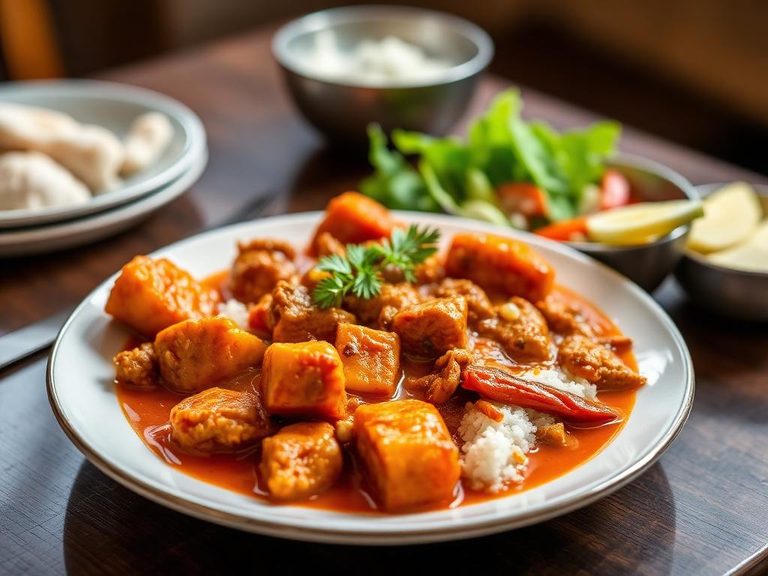
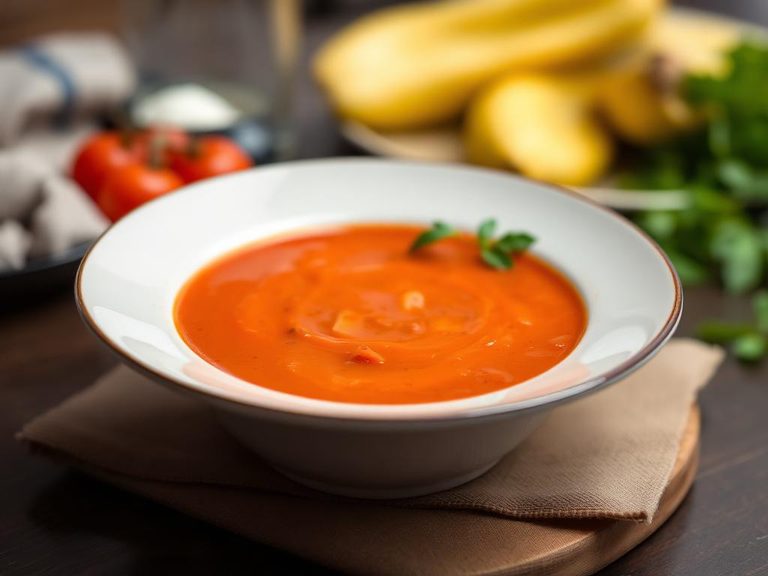
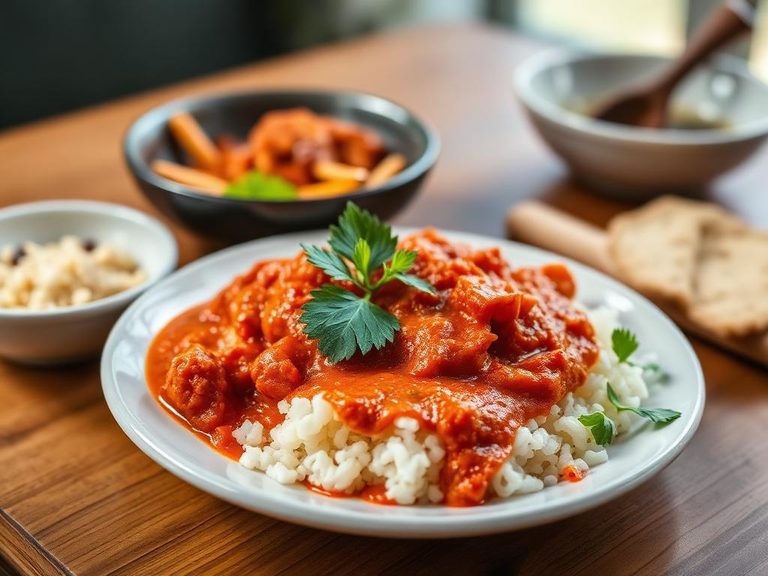
🌍 Where it's eaten
💡 Did you know?
Cayenne pepper was historically used as a folk remedy for toothaches and to stop bleeding, and it was even carried by sailors on long voyages to prevent scurvy due to its vitamin C content.
Full nutrition (USDA data · scales with serving)
| Water | 8.1 g |
| Energy | 318 kcal |
| Energy | 1331 kj |
| Protein | 12.0 g |
| Total lipid (fat) | 17.3 g |
| Ash | 6.0 g |
| Carbohydrate, by difference | 56.6 g |
| Fiber, total dietary | 27.2 g |
| Total Sugars | 10.3 g |
| Calcium, Ca | 148 mg |
| Iron, Fe | 7.8 mg |
| Magnesium, Mg | 152 mg |
| Phosphorus, P | 293 mg |
| Potassium, K | 2014 mg |
| Sodium, Na | 30.0 mg |
| Zinc, Zn | 2.5 mg |
| Copper, Cu | 0.37 mg |
| Manganese, Mn | 2.0 mg |
| Selenium, Se | 8.8 ug |
| Vitamin C, total ascorbic acid | 76.4 mg |
| Thiamin | 0.33 mg |
| Riboflavin | 0.92 mg |
| Niacin | 8.7 mg |
| Vitamin B-6 | 2.5 mg |
| Folate, total | 106 ug |
| Folic acid | 0.00 ug |
| Folate, food | 106 ug |
| Folate, DFE | 106 ug |
| Choline, total | 51.5 mg |
| Vitamin B-12 | 0.00 ug |
| Vitamin B-12, added | 0.00 ug |
| Vitamin A, RAE | 2081 ug |
| Retinol | 0.00 ug |
| Carotene, beta | 21840 ug |
| Carotene, alpha | 0.00 ug |
| Cryptoxanthin, beta | 6252 ug |
| Vitamin A, IU | 41610 iu |
| Lycopene | 0.00 ug |
| Lutein + zeaxanthin | 13157 ug |
| Vitamin E (alpha-tocopherol) | 29.8 mg |
| Vitamin E, added | 0.00 mg |
| Vitamin D (D2 + D3), International Units | 0.00 iu |
| Vitamin D (D2 + D3) | 0.00 ug |
| Vitamin K (phylloquinone) | 80.3 ug |
| Alcohol, ethyl | 0.00 g |
| Caffeine | 0.00 mg |
| Theobromine | 0.00 mg |
Fat & fatty acid profile (per 100g)
| Fatty acids, total saturated | 3.3 g |
| SFA 4:0 | 0.00 g |
| SFA 6:0 | 0.00 g |
| SFA 8:0 | 0.00 g |
| SFA 10:0 | 0.03 g |
| SFA 12:0 | 0.03 g |
| SFA 14:0 | 0.09 g |
| SFA 16:0 | 2.4 g |
| SFA 18:0 | 0.49 g |
| Fatty acids, total monounsaturated | 2.8 g |
| MUFA 16:1 | 0.24 g |
| MUFA 18:1 | 2.5 g |
| MUFA 20:1 | 0.00 g |
| MUFA 22:1 | 0.00 g |
| Fatty acids, total polyunsaturated | 8.4 g |
| PUFA 18:2 | 7.7 g |
| PUFA 18:3 | 0.66 g |
| PUFA 18:4 | 0.00 g |
| PUFA 20:4 | 0.00 g |
| PUFA 20:5 n-3 (EPA) | 0.00 g |
| PUFA 22:5 n-3 (DPA) | 0.00 g |
| PUFA 22:6 n-3 (DHA) | 0.00 g |
| Cholesterol | 0.00 mg |
| Phytosterols | 83.0 mg |
Amino acid profile (per 100g)
Estimated from Spices, garlic powder — USDA does not publish this profile for Spices.
| Tryptophan | 0.12 g |
| Threonine | 0.37 g |
| Isoleucine | 0.41 g |
| Leucine | 0.73 g |
| Lysine | 0.77 g |
| Methionine | 0.11 g |
| Cystine | 0.25 g |
| Phenylalanine | 0.53 g |
| Tyrosine | 0.45 g |
| Valine | 0.67 g |
| Arginine | 3.4 g |
| Histidine | 0.26 g |
| Alanine | 0.48 g |
| Aspartic acid | 1.9 g |
| Glutamic acid | 3.7 g |
| Glycine | 0.53 g |
| Proline | 1.4 g |
| Serine | 0.51 g |
| Hydroxyproline | 0.00 g |
FAQ
How does cayenne pepper differ from red pepper flakes?
Cayenne is a fine powder made from ground dried chili peppers, while red pepper flakes are coarsely crushed and include seeds, resulting in a milder, more textured heat.
Can cayenne pepper be used in sweet dishes?
Yes, it pairs well with chocolate, fruit, and desserts like spicy hot cocoa or chili-infused caramel, adding a surprising kick that balances sweetness.
Is cayenne pepper safe for daily consumption?
In small amounts, it is generally safe and may offer health benefits, but excessive intake can cause gastrointestinal discomfort. Start with a pinch and adjust to tolerance.
Nutrient density (calculated · NRF9.3)
Nutrient Rich Foods index: beneficial nutrients (protein, fiber, vitamins, minerals) minus saturated fat, added sugar & sodium, per 100 kcal.
NRF9.3 index — Fulgoni, Keast & Drewnowski, 2009. Computed from USDA nutrients.
Weight-loss friendliness (composite index)
Energy density 3.18 kcal/g · 15% calories from protein · 27.2 g fiber · 10.3 g sugar per 100 g.
Composite of energy density (Rolls et al., 1999), protein & fiber satiety, minus sugar. A calculated heuristic — ranks satiety-per-calorie, not a clinical measure.
Dietary load (calculated from USDA values)
Potential renal acid load. Positive = acid-forming, negative = alkaline-forming.
Sodium-to-potassium ratio: 0.01 (lower is better — aim for ≤ 1)
Sodium:potassium per WHO potassium guidance. Computed from USDA nutrients.