Indian curry
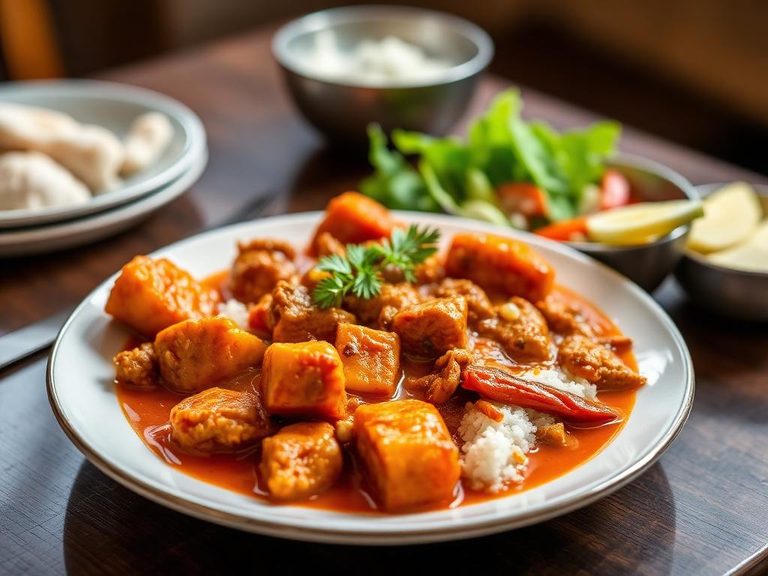
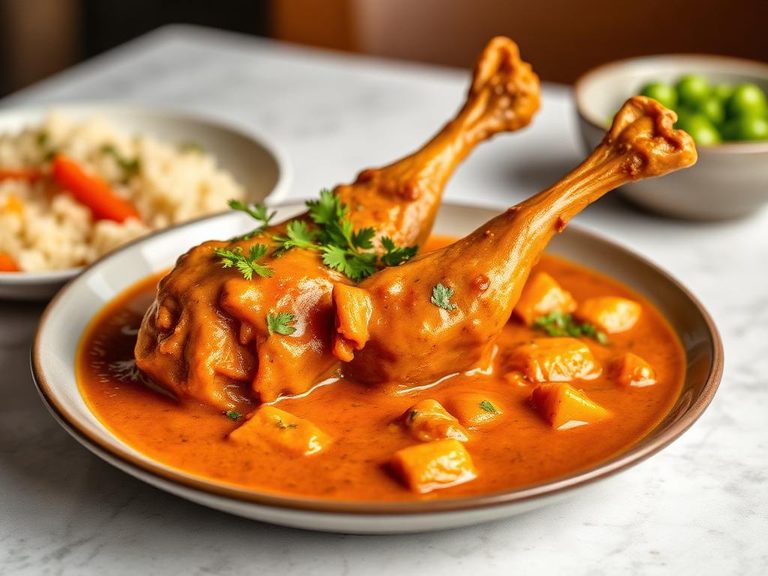
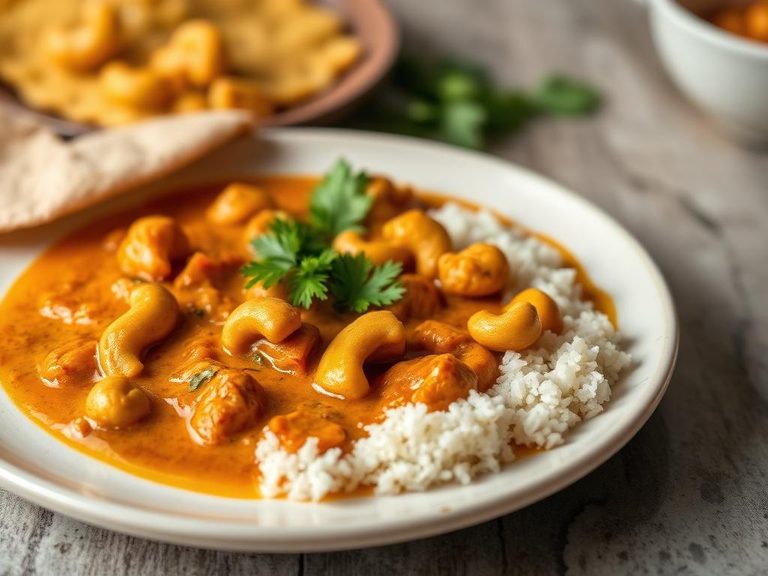
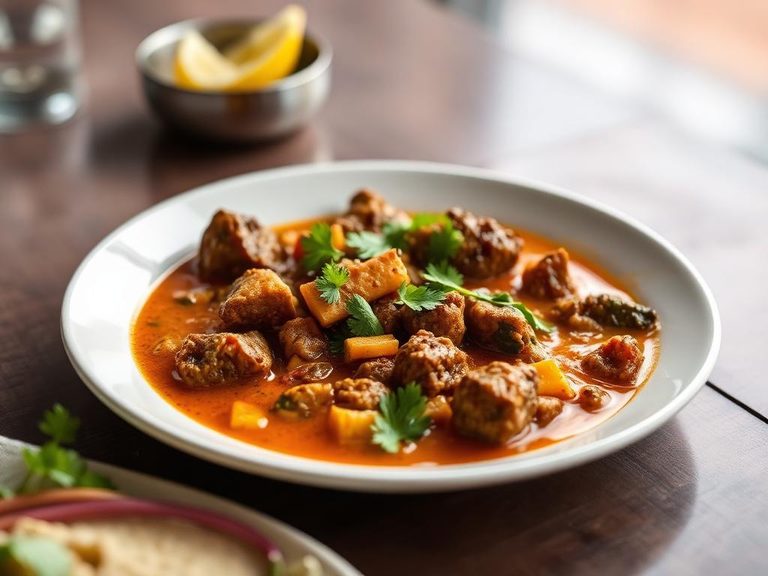
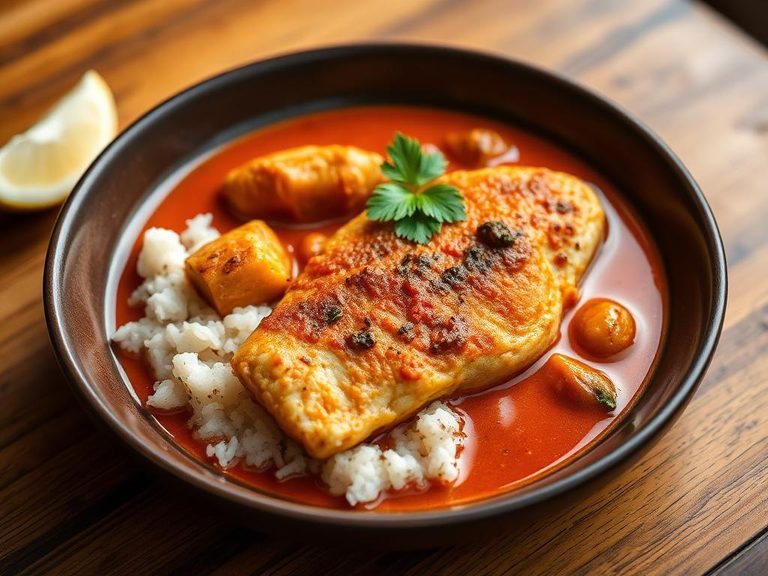
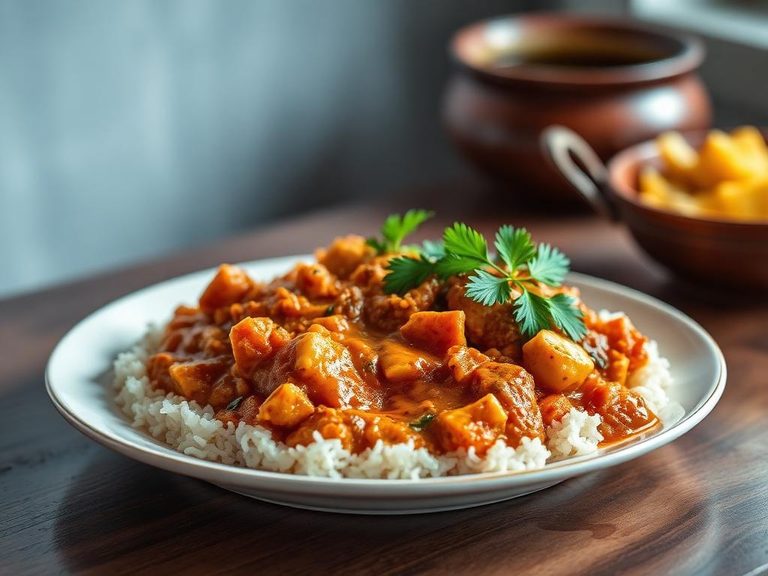
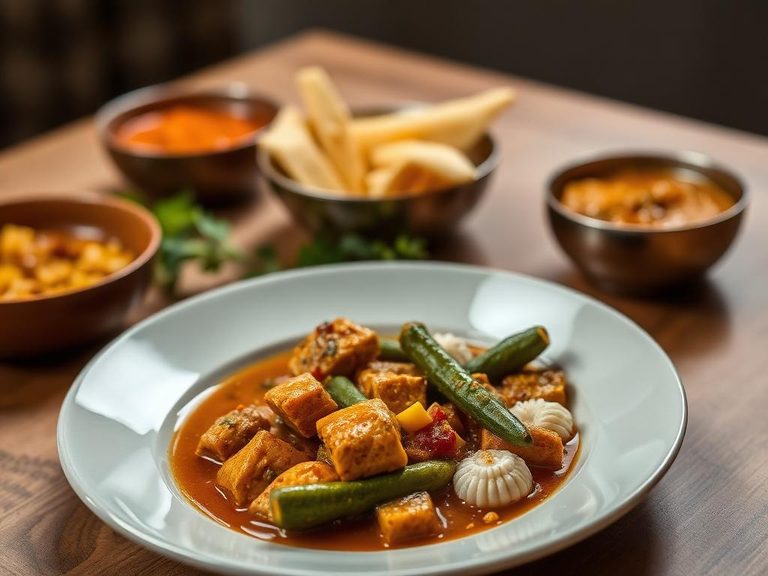
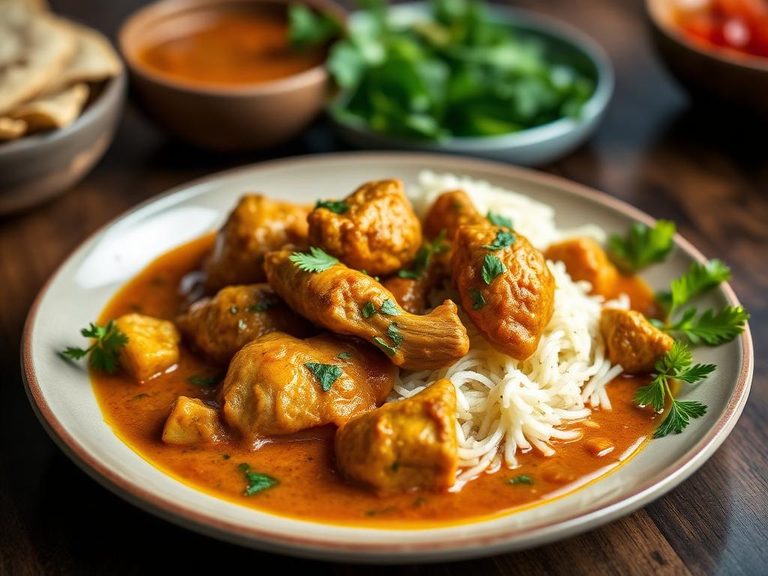
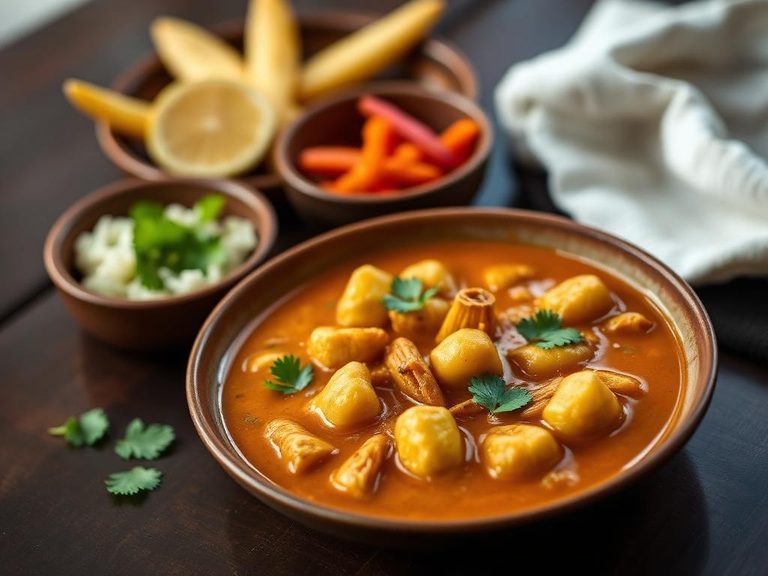
Indian curry is a broad term for a variety of spiced dishes from the Indian subcontinent, typically featuring a rich sauce made with tomatoes, onions, ginger, garlic, and a blend of aromatic spices like turmeric, cumin, and coriander. The base can be creamy with coconut milk or yogurt, or lighter with broth, and it often includes vegetables, legumes, or meat. It's a staple in Indian cuisine, with regional variations that reflect local ingredients and traditions.
🍽️ Nutrition at a glance
Indian curry can vary widely in nutrition depending on the recipe, but it's generally a balanced dish providing protein from legumes or meat, healthy fats from coconut or ghee, and complex carbs from rice or bread accompaniments. Key nutrients include fiber, iron, and antioxidants from spices, with a typical serving ranging from 300 to 500 calories.
Nutrition breakdown
| Calories | 300 kcal |
| Protein | 15 g |
| Carbs | 20 g |
| Fat | 18 g |
| Fiber | 5 g |
| Sugar | 6 g |
| Sodium | 800 mg |
| Potassium | 450 mg |
| Iron | 3 mg |
| Vitamin A | 120 mcg |
| Vitamin C | 15 mg |
| Calcium | 80 mg |
| Magnesium | 40 mg |
| Phosphorus | 200 mg |
| Zinc | 2.5 mg |
Per 1 cup (240 g) · estimated, varies by recipe
💡 What's interesting
What's fascinating about Indian curry is how its spice blend, like turmeric, not only adds vibrant color and flavor but also has been traditionally valued for its anti-inflammatory properties. Culturally, it's a communal dish that brings people together, often served family-style to celebrate diversity in flavors and regional identities across India.