

Soup, vegetable beef, canned, prepared with equal volume water
Whole food · Soups, Sauces, and Gravies
This is a classic, savory canned soup made from a tomato-based broth, tender beef chunks, and a medley of vegetables like carrots, celery, and potatoes. Diluted with water, it offers a comforting, slightly chunky texture and a familiar, hearty flavor profile. Its standout nutritional feature is being very low in calories while providing a modest amount of protein.
Calorie split: 28% protein · 51% carbs · 21% fat
↓ Full nutrition💚 Why it's loved
People cherish it for its nostalgic, comforting warmth and the satisfying, chunky texture that feels like a homemade meal in minutes. It's a versatile pantry staple, perfect as a quick lunch, a light dinner, or a base for more elaborate recipes.
⚠️ Watch-outs & how to enjoy it better
The primary concern is often the high sodium content common in canned soups, which can be problematic for those monitoring blood pressure. To counteract this, look for 'low-sodium' versions or rinse the contents lightly before preparing. The tomato base can also be acidic, potentially triggering heartburn in some individuals; pairing it with a starchy side like bread can help neutralize the acidity.
Key benefits
- Excellent source of hydration
- Very low calorie density (31 kcal/100g)
- Provides a modest protein boost
- Contains dietary fiber from vegetables
- Convenient shelf-stable meal base
🍽️ Popular dishes
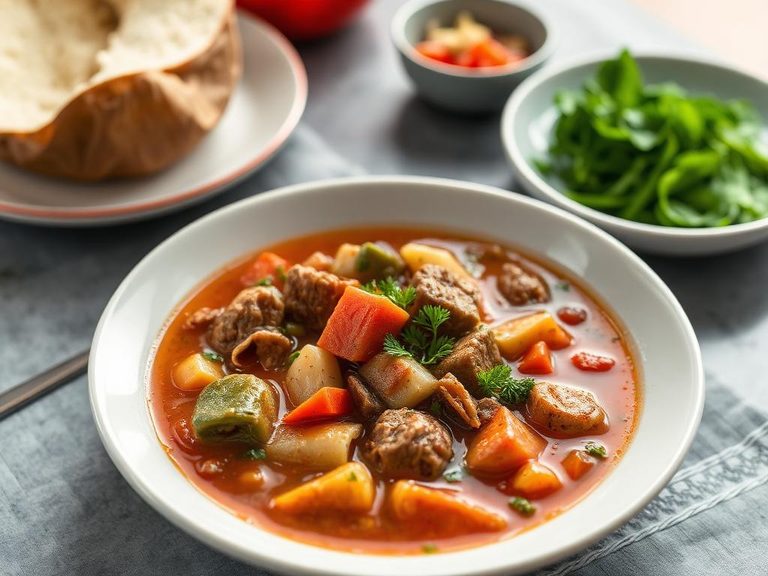
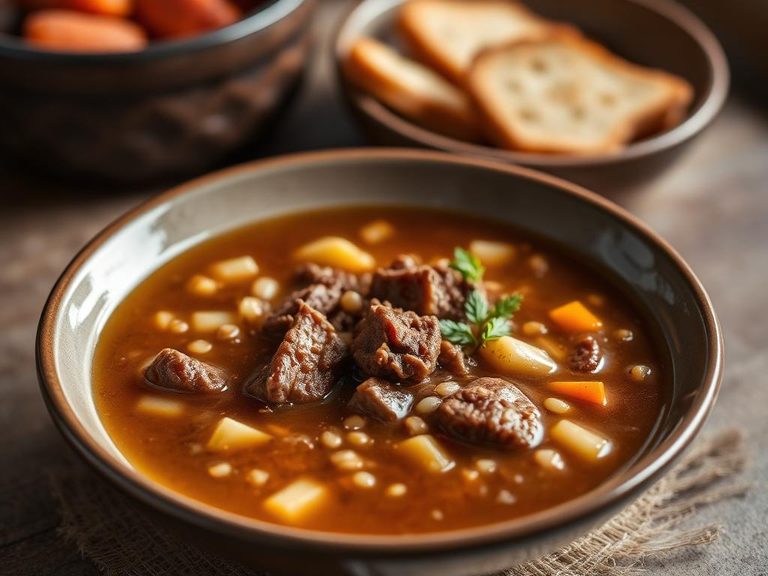
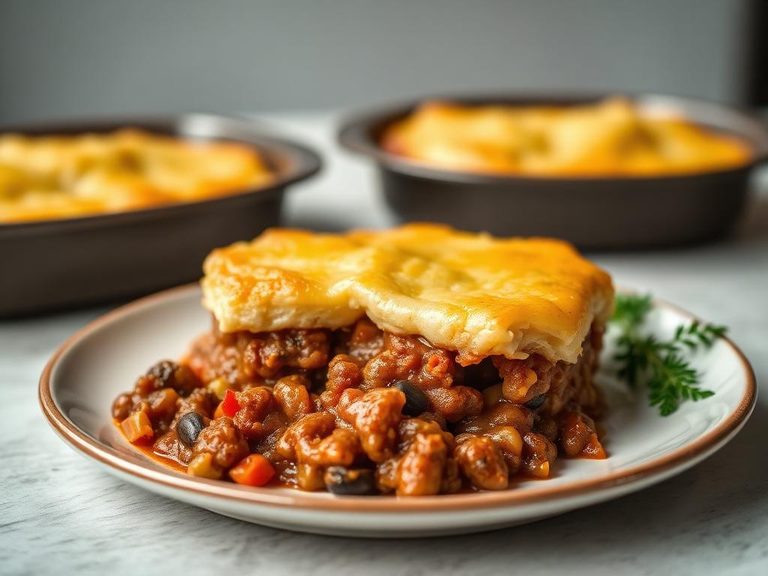
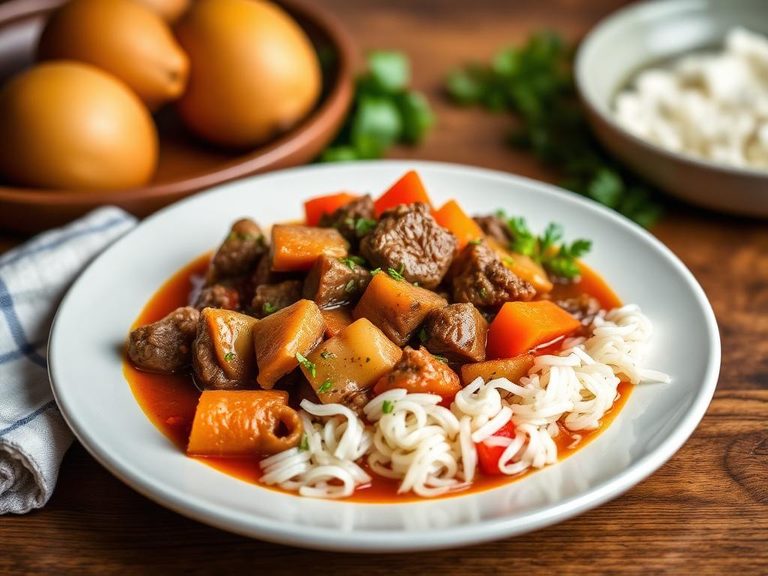
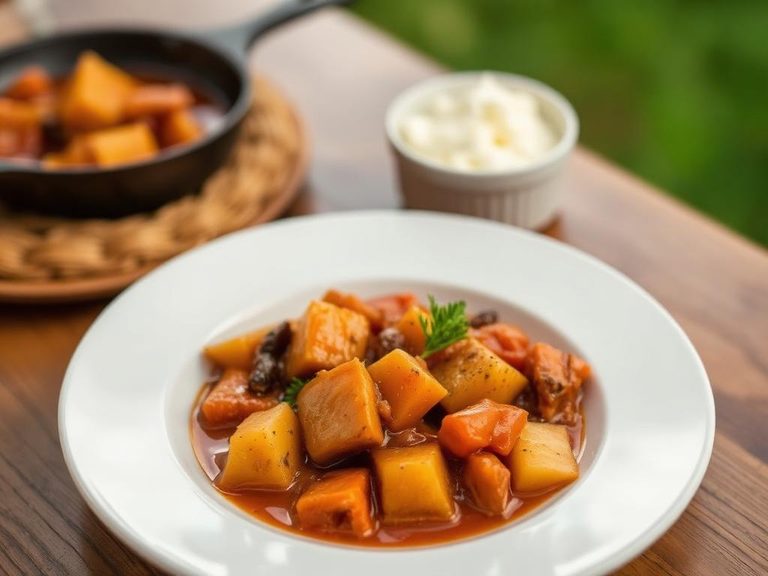
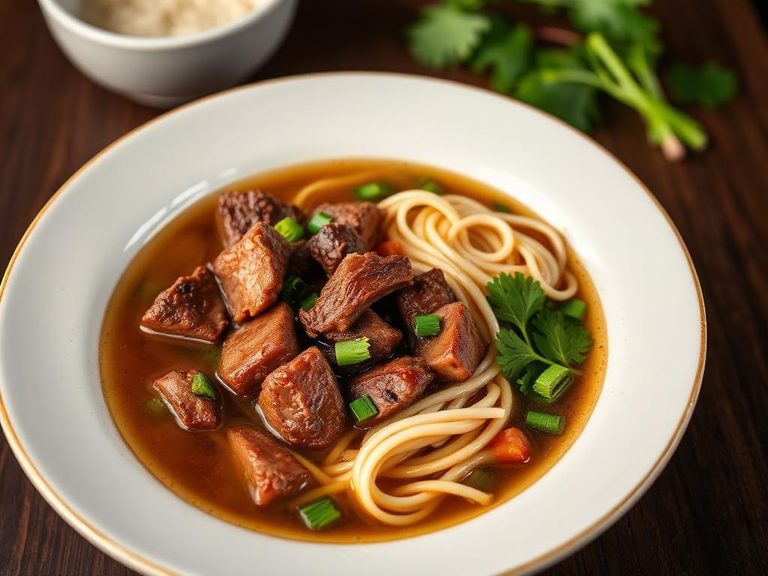
🌍 Where it's eaten
💡 Did you know?
The 'condensed' soup can, invented by John T. Dorrance in 1897, revolutionized this product; the 'prepared with equal volume water' instruction is a direct legacy of that innovation, designed to save space on store shelves and during shipping.
Full nutrition (USDA data · scales with serving)
| Water | 91.8 g |
| Energy | 31.0 kcal |
| Energy | 132 kj |
| Protein | 2.2 g |
| Total lipid (fat) | 0.76 g |
| Ash | 1.2 g |
| Carbohydrate, by difference | 4.1 g |
| Fiber, total dietary | 0.80 g |
| Total Sugars | 0.45 g |
| Calcium, Ca | 8.0 mg |
| Iron, Fe | 0.45 mg |
| Magnesium, Mg | 3.0 mg |
| Phosphorus, P | 16.0 mg |
| Potassium, K | 69.0 mg |
| Sodium, Na | 349 mg |
| Zinc, Zn | 0.62 mg |
| Copper, Cu | 0.08 mg |
| Manganese, Mn | 0.13 mg |
| Selenium, Se | 1.1 ug |
| Vitamin C, total ascorbic acid | 1.0 mg |
| Thiamin | 0.01 mg |
| Riboflavin | 0.02 mg |
| Niacin | 0.41 mg |
| Pantothenic acid | 0.14 mg |
| Vitamin B-6 | 0.03 mg |
| Folate, total | 4.0 ug |
| Folic acid | 0.00 ug |
| Folate, food | 4.0 ug |
| Folate, DFE | 4.0 ug |
| Choline, total | 5.0 mg |
| Vitamin B-12 | 0.13 ug |
| Vitamin B-12, added | 0.00 ug |
| Vitamin A, RAE | 78.0 ug |
| Retinol | 0.00 ug |
| Carotene, beta | 809 ug |
| Carotene, alpha | 245 ug |
| Cryptoxanthin, beta | 0.00 ug |
| Vitamin A, IU | 1552 iu |
| Lycopene | 182 ug |
| Lutein + zeaxanthin | 46.0 ug |
| Vitamin E (alpha-tocopherol) | 0.24 mg |
| Vitamin E, added | 0.00 mg |
| Vitamin D (D2 + D3), International Units | 0.00 iu |
| Vitamin D (D2 + D3) | 0.00 ug |
| Vitamin K (phylloquinone) | 2.8 ug |
| Alcohol, ethyl | 0.00 g |
| Caffeine | 0.00 mg |
| Theobromine | 0.00 mg |
Fat & fatty acid profile (per 100g)
| Fatty acids, total saturated | 0.34 g |
| SFA 4:0 | 0.00 g |
| SFA 6:0 | 0.00 g |
| SFA 8:0 | 0.00 g |
| SFA 10:0 | 0.00 g |
| SFA 12:0 | 0.00 g |
| SFA 14:0 | 0.01 g |
| SFA 16:0 | 0.18 g |
| SFA 18:0 | 0.12 g |
| Fatty acids, total monounsaturated | 0.32 g |
| MUFA 16:1 | 0.03 g |
| MUFA 18:1 | 0.28 g |
| MUFA 20:1 | 0.00 g |
| MUFA 22:1 | 0.00 g |
| Fatty acids, total polyunsaturated | 0.04 g |
| PUFA 18:2 | 0.04 g |
| PUFA 18:3 | 0.01 g |
| PUFA 18:4 | 0.00 g |
| PUFA 20:4 | 0.00 g |
| PUFA 20:5 n-3 (EPA) | 0.00 g |
| PUFA 22:5 n-3 (DPA) | 0.00 g |
| PUFA 22:6 n-3 (DHA) | 0.00 g |
| Cholesterol | 2.0 mg |
Amino acid profile (per 100g)
Estimated from Soup, bean with pork, canned, condensed — USDA does not publish this profile for Soup.
| Tryptophan | 0.06 g |
| Threonine | 0.24 g |
| Isoleucine | 0.29 g |
| Leucine | 0.48 g |
| Lysine | 0.40 g |
| Methionine | 0.07 g |
| Cystine | 0.07 g |
| Phenylalanine | 0.33 g |
| Tyrosine | 0.18 g |
| Valine | 0.32 g |
| Arginine | 0.31 g |
| Histidine | 0.15 g |
| Alanine | 0.29 g |
| Aspartic acid | 0.66 g |
| Glutamic acid | 1.1 g |
| Glycine | 0.28 g |
| Proline | 0.27 g |
| Serine | 0.29 g |
FAQ
Is canned vegetable beef soup healthy?
It can be a part of a healthy diet. It's low in calories and fat, and provides some protein and fiber. The main consideration is sodium; choosing low-sodium options and pairing it with fresh foods makes it a nutritious choice.
How can I improve the taste of canned vegetable beef soup?
Enhance it by sautéing fresh garlic and onions before adding the soup, stirring in herbs like thyme or a bay leaf, or finishing with a splash of Worcestershire sauce or balsamic vinegar for depth.
Can I use this soup as a cooking ingredient?
Absolutely. It's a fantastic shortcut for stews, casseroles, or as a braising liquid for tougher cuts of meat, adding instant flavor and body to your dish.
Nutrient density (calculated · NRF9.3)
Nutrient Rich Foods index: beneficial nutrients (protein, fiber, vitamins, minerals) minus saturated fat, added sugar & sodium, per 100 kcal.
NRF9.3 index — Fulgoni, Keast & Drewnowski, 2009. Computed from USDA nutrients.
Weight-loss friendliness (composite index)
Energy density 0.31 kcal/g · 29% calories from protein · 0.8 g fiber · 0.5 g sugar per 100 g.
Composite of energy density (Rolls et al., 1999), protein & fiber satiety, minus sugar. A calculated heuristic — ranks satiety-per-calorie, not a clinical measure.
Dietary load (calculated from USDA values)
Potential renal acid load. Positive = acid-forming, negative = alkaline-forming.
Sodium-to-potassium ratio: 5.06 (lower is better — aim for ≤ 1)
Sodium:potassium per WHO potassium guidance. Computed from USDA nutrients.