

Sausage, turkey, hot, smoked
Whole food · Sausages and Luncheon Meats

Photo: Wikipedia
Hot smoked turkey sausage is a lean, protein-packed sausage with a firm, snappy texture and a distinctively smoky, spicy kick. The smoking process imparts a deep, savory flavor, while the 'hot' designation promises a lingering warmth from chili spices. At 158 kcal per 100g, it offers a high-protein, lower-fat alternative to traditional pork sausage without sacrificing bold taste.
Calorie split: 38% protein · 12% carbs · 50% fat
↓ Full nutrition💚 Why it's loved
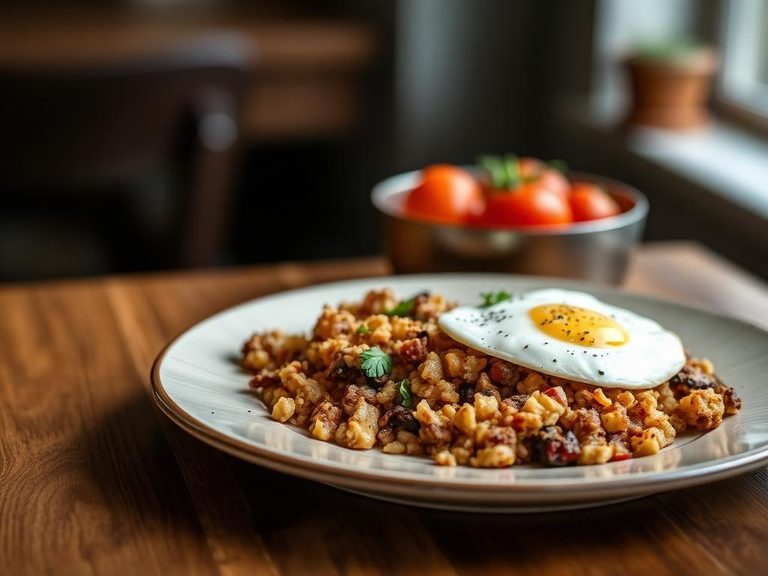
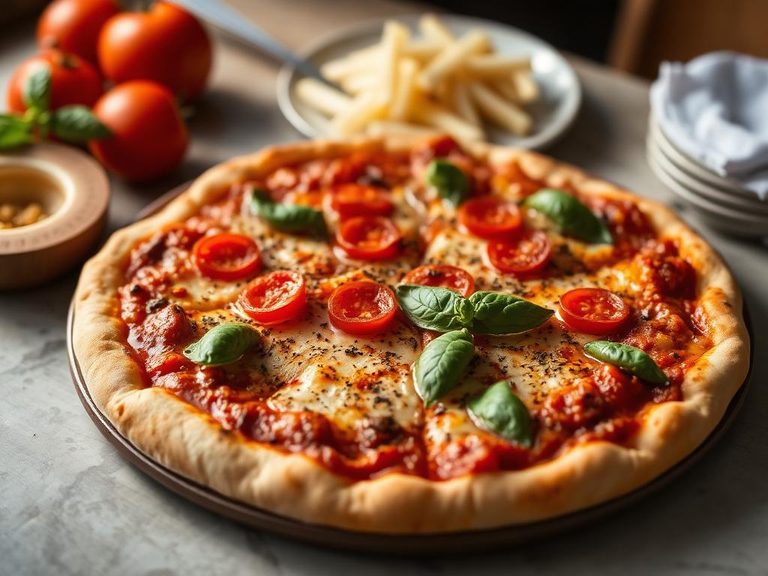
People love it for its intense, smoky-spice flavor profile that delivers a satisfying, savory punch without the heaviness of pork sausage. Its firm, sliceable texture makes it incredibly versatile for everything from breakfast scrambles to pasta dishes and pizza toppings.
⚠️ Watch-outs & how to enjoy it better
The primary downside is its likely high sodium content, common in smoked and processed meats, which can be a concern for those monitoring blood pressure. To counteract this, pair it with potassium-rich vegetables like spinach or sweet potatoes, and practice portion control by using it as a flavor accent rather than the main protein. Those sensitive to spice should also be cautious, as the 'hot' designation indicates added chili heat.
Key benefits
- Excellent source of lean protein (15.05g per 100g) for muscle maintenance.
- Lower in fat (8.75g) and calories than many pork or beef sausages.
- Rich in smoky, spicy flavor that requires minimal additional seasoning.
- Versatile for quick meals, from breakfast to dinner.
🍽️ Popular dishes
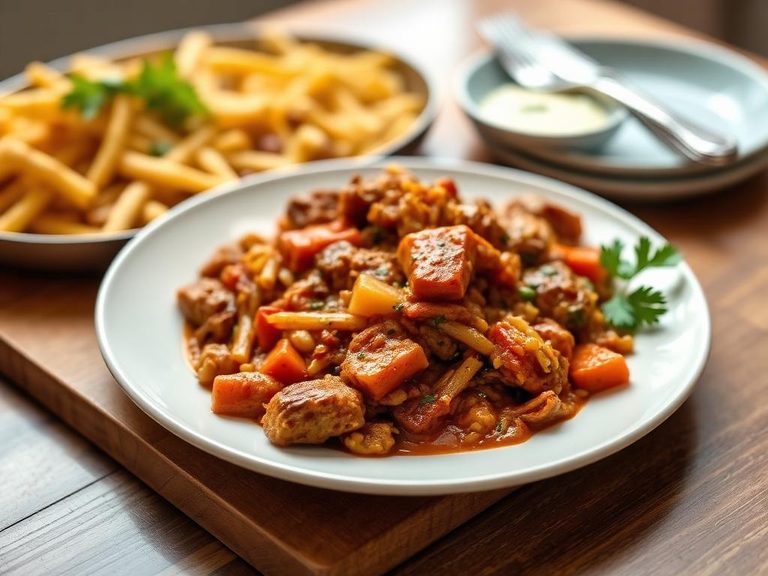
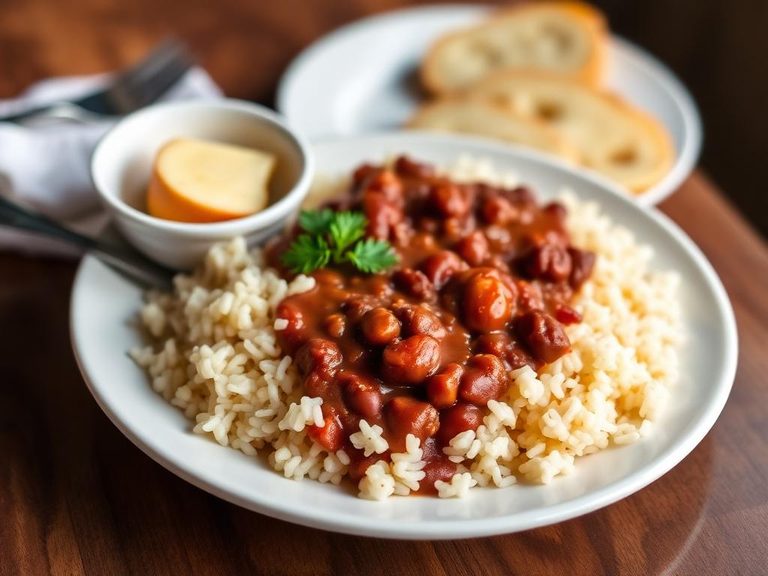
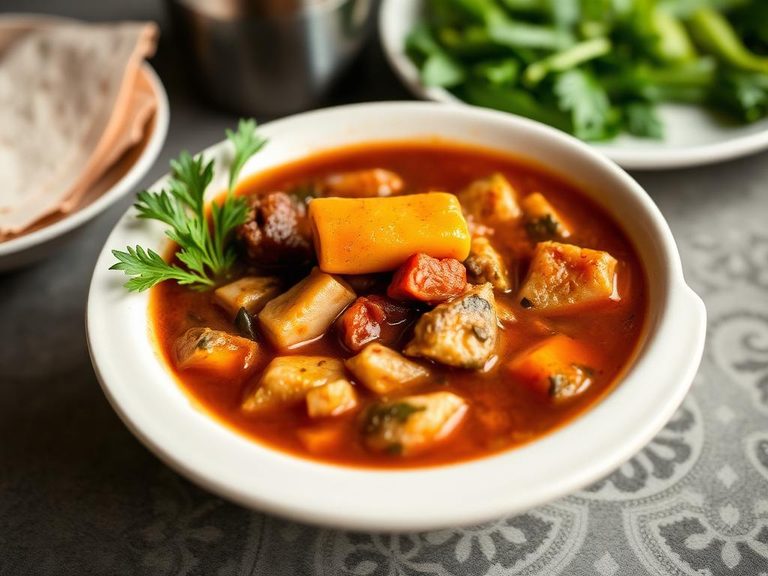
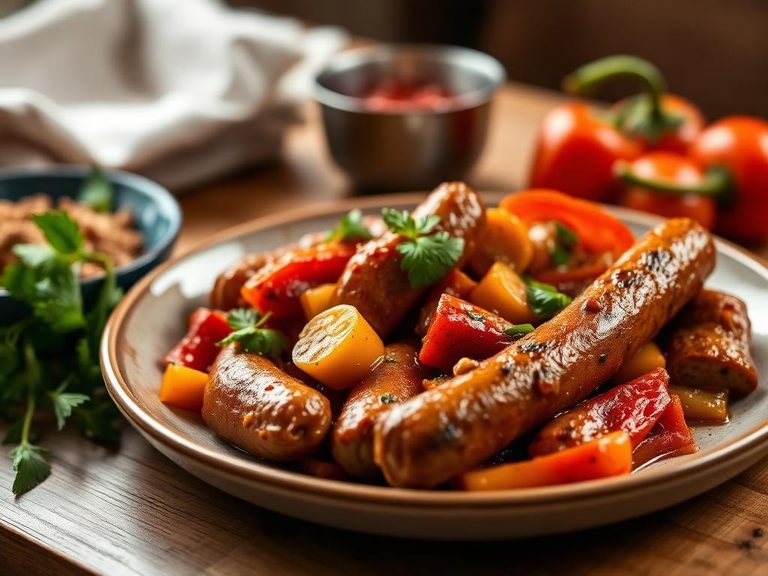
🌍 Where it's eaten
💡 Did you know?
The 'hot' in hot smoked turkey sausage typically comes from the addition of cayenne pepper or other chili flakes during the curing process, which not only adds heat but also contributes to the sausage's characteristic reddish hue.
Full nutrition (USDA data · scales with serving)
| Water | 68.5 g |
| Energy | 158 kcal |
| Energy | 659 kj |
| Protein | 15.1 g |
| Total lipid (fat) | 8.8 g |
| Ash | 3.0 g |
| Carbohydrate, by difference | 4.7 g |
| Fiber, total dietary | 0.30 g |
| Total Sugars | 3.2 g |
| Calcium, Ca | 21.0 mg |
| Iron, Fe | 9.6 mg |
| Magnesium, Mg | 25.0 mg |
| Phosphorus, P | 185 mg |
| Potassium, K | 197 mg |
| Sodium, Na | 916 mg |
| Zinc, Zn | 2.1 mg |
| Copper, Cu | 0.11 mg |
| Selenium, Se | 22.2 ug |
| Vitamin C, total ascorbic acid | 30.4 mg |
| Thiamin | 0.07 mg |
| Riboflavin | 0.17 mg |
| Niacin | 3.7 mg |
| Vitamin B-6 | 0.38 mg |
| Folate, total | 8.0 ug |
| Folic acid | 0.00 ug |
| Folate, food | 8.0 ug |
| Folate, DFE | 8.0 ug |
| Choline, total | 41.1 mg |
| Betaine | 3.7 mg |
| Vitamin B-12 | 0.43 ug |
| Vitamin B-12, added | 0.00 ug |
| Vitamin A, RAE | 43.0 ug |
| Retinol | 43.0 ug |
| Carotene, beta | 0.00 ug |
| Carotene, alpha | 0.00 ug |
| Cryptoxanthin, beta | 0.00 ug |
| Vitamin A, IU | 144 iu |
| Lycopene | 0.00 ug |
| Lutein + zeaxanthin | 0.00 ug |
| Vitamin E (alpha-tocopherol) | 0.09 mg |
| Vitamin E, added | 0.00 mg |
| Vitamin D (D2 + D3), International Units | 8.0 iu |
| Vitamin D (D2 + D3) | 0.20 ug |
| Vitamin D3 (cholecalciferol) | 0.20 ug |
| Vitamin K (phylloquinone) | 0.80 ug |
| Alcohol, ethyl | 0.00 g |
| Caffeine | 0.00 mg |
| Theobromine | 0.00 mg |
Fat & fatty acid profile (per 100g)
| Fatty acids, total saturated | 3.4 g |
| SFA 4:0 | 0.00 g |
| SFA 6:0 | 0.00 g |
| SFA 8:0 | 0.00 g |
| SFA 10:0 | 0.00 g |
| SFA 12:0 | 0.02 g |
| SFA 14:0 | 0.10 g |
| SFA 16:0 | 2.4 g |
| SFA 18:0 | 0.86 g |
| Fatty acids, total monounsaturated | 2.4 g |
| MUFA 16:1 | 0.38 g |
| MUFA 18:1 | 2.0 g |
| MUFA 20:1 | 0.01 g |
| MUFA 22:1 | 0.01 g |
| Fatty acids, total polyunsaturated | 1.6 g |
| PUFA 18:2 | 1.4 g |
| PUFA 18:3 | 0.09 g |
| PUFA 18:4 | 0.00 g |
| PUFA 20:4 | 0.09 g |
| PUFA 20:5 n-3 (EPA) | 0.00 g |
| PUFA 22:5 n-3 (DPA) | 0.01 g |
| PUFA 22:6 n-3 (DHA) | 0.01 g |
| Cholesterol | 53.0 mg |
Amino acid profile (per 100g)
| Tryptophan | 0.17 g |
| Threonine | 0.67 g |
| Isoleucine | 0.78 g |
| Leucine | 1.2 g |
| Lysine | 1.4 g |
| Methionine | 0.44 g |
| Cystine | 0.16 g |
| Phenylalanine | 0.60 g |
| Tyrosine | 0.59 g |
| Valine | 0.80 g |
| Arginine | 1.1 g |
| Histidine | 0.47 g |
| Alanine | 0.93 g |
| Aspartic acid | 1.5 g |
| Glutamic acid | 2.5 g |
| Glycine | 0.75 g |
| Proline | 0.63 g |
| Serine | 0.67 g |
FAQ
Is hot smoked turkey sausage pre-cooked?
Yes, most commercially available hot smoked turkey sausage is fully cooked during the smoking process. It can be eaten cold but is best heated through to enhance its flavor and texture.
How does it differ from regular turkey sausage?
The key difference is the smoking process, which imparts a distinct, deep smoky flavor. 'Hot' smoked varieties also contain added chili spices for heat, whereas regular turkey sausage is typically milder and not smoked.
Can I use it in a low-carb diet?
Yes, with 4.65g of carbs per 100g, it fits well into a low-carb or ketogenic diet. Be mindful of the sugar content (3.2g) if tracking net carbs closely, and check labels for any added fillers or binders.
Nutrient density (calculated · NRF9.3)
Nutrient Rich Foods index: beneficial nutrients (protein, fiber, vitamins, minerals) minus saturated fat, added sugar & sodium, per 100 kcal.
NRF9.3 index — Fulgoni, Keast & Drewnowski, 2009. Computed from USDA nutrients.
Weight-loss friendliness (composite index)
Energy density 1.58 kcal/g · 38% calories from protein · 0.3 g fiber · 3.2 g sugar per 100 g.
Composite of energy density (Rolls et al., 1999), protein & fiber satiety, minus sugar. A calculated heuristic — ranks satiety-per-calorie, not a clinical measure.
Dietary load (calculated from USDA values)
Potential renal acid load. Positive = acid-forming, negative = alkaline-forming.
Sodium-to-potassium ratio: 4.65 (lower is better — aim for ≤ 1)
Sodium:potassium per WHO potassium guidance. Computed from USDA nutrients.