

Salami, made from any type of meat, reduced fat
Common food

Photo: Wikipedia
Reduced-fat salami is a leaner version of the classic cured sausage, offering a firm, sliceable texture with a concentrated, savory, and slightly tangy flavor. While traditional salami is known for its rich fat content, this variety significantly cuts fat while preserving the essential umami and spiced character. Nutritionally, it stands out as an excellent source of protein (19.2g per 100g) with minimal carbohydrates.
Calorie split: 46% protein · 4% carbs · 50% fat
↓ Full nutrition💚 Why it's loved
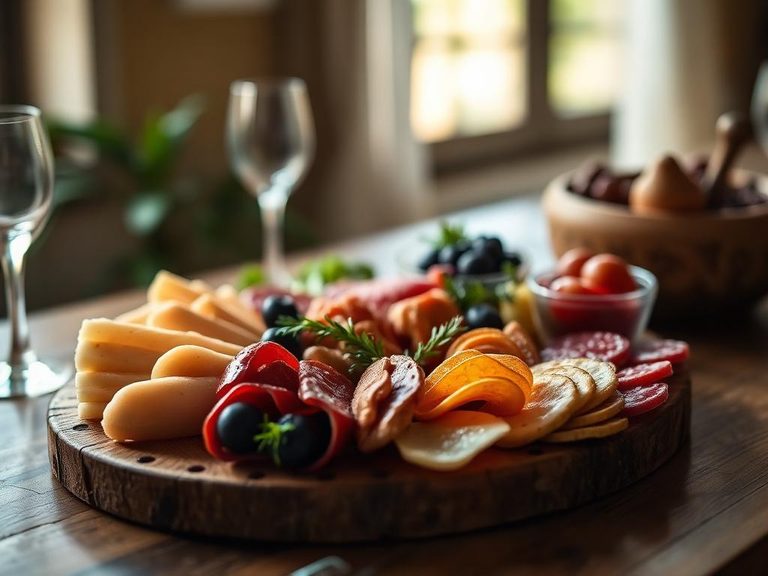
People love it for delivering the iconic, punchy, garlic-and-pepper-spiked flavor of salami in a lighter package that's easy to snack on or add to meals. Its versatility makes it a staple for quick appetizers, sandwiches, and charcuterie boards without the heaviness of full-fat versions.
⚠️ Watch-outs & how to enjoy it better
As a cured meat, it is typically high in sodium, which can be a concern for those monitoring blood pressure or fluid retention. To counteract this, pair it with potassium-rich foods like leafy greens or avocado, and practice portion control. It may also contain common allergens like milk proteins or sulfites used in curing, so checking the ingredient label is advisable for sensitive individuals.
Key benefits
- High in protein for muscle maintenance and satiety.
- Very low in carbohydrates and sugars, suitable for low-carb diets.
- Provides a concentrated source of energy and flavor.
- Offers a leaner alternative to traditional cured meats.
- Contains B vitamins and minerals like zinc and iron.
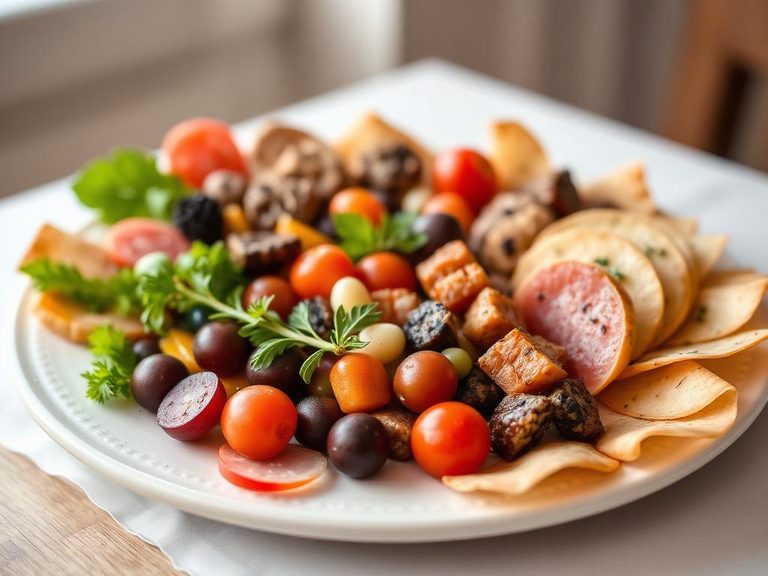
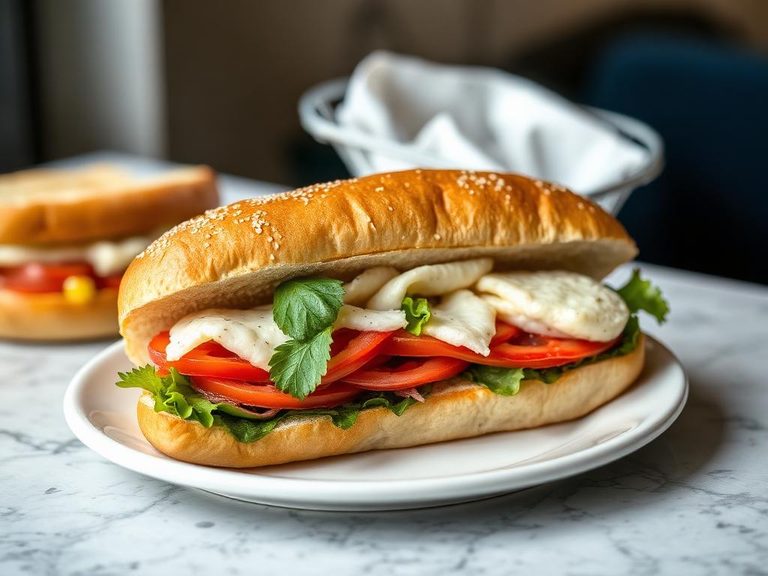
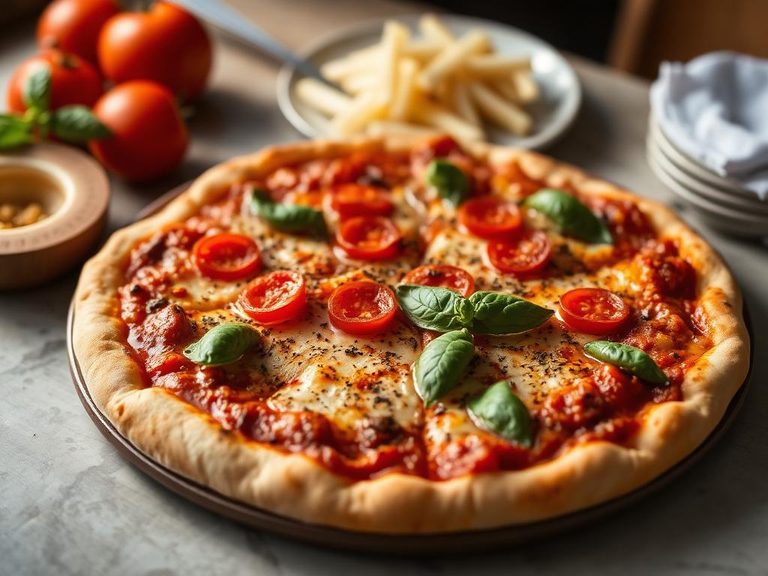
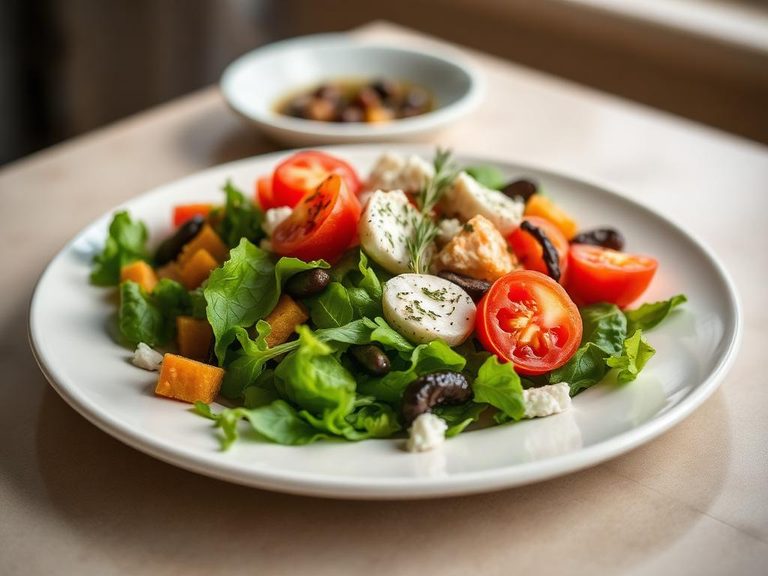
🍽️ Popular dishes
🌍 Where it's eaten
💡 Did you know?
The word 'salami' comes from the Latin word 'salumen,' meaning salted meat, highlighting the ancient preservation method that defines this food category.
Full nutrition (USDA data · scales with serving)
| Water | 68.8 g |
| Energy | 172 kcal |
| Protein | 19.2 g |
| Total lipid (fat) | 9.2 g |
| Carbohydrate, by difference | 1.6 g |
| Fiber, total dietary | 0.10 g |
| Total Sugars | 1.1 g |
| Calcium, Ca | 40.0 mg |
| Iron, Fe | 1.3 mg |
| Magnesium, Mg | 22.0 mg |
| Phosphorus, P | 266 mg |
| Potassium, K | 216 mg |
| Sodium, Na | 1107 mg |
| Zinc, Zn | 2.3 mg |
| Copper, Cu | 0.19 mg |
| Selenium, Se | 26.4 ug |
| Vitamin C, total ascorbic acid | 0.00 mg |
| Thiamin | 0.43 mg |
| Riboflavin | 0.30 mg |
| Niacin | 4.0 mg |
| Vitamin B-6 | 0.43 mg |
| Folate, total | 10.0 ug |
| Folic acid | 0.00 ug |
| Folate, food | 10.0 ug |
| Folate, DFE | 10.0 ug |
| Choline, total | 53.1 mg |
| Vitamin B-12 | 0.99 ug |
| Vitamin B-12, added | 0.00 ug |
| Vitamin A, RAE | 2.0 ug |
| Retinol | 2.0 ug |
| Carotene, beta | 0.00 ug |
| Carotene, alpha | 0.00 ug |
| Cryptoxanthin, beta | 0.00 ug |
| Lycopene | 0.00 ug |
| Lutein + zeaxanthin | 0.00 ug |
| Vitamin E (alpha-tocopherol) | 0.24 mg |
| Vitamin E, added | 0.00 mg |
| Vitamin D (D2 + D3) | 0.60 ug |
| Vitamin K (phylloquinone) | 1.3 ug |
| Alcohol, ethyl | 0.00 g |
| Caffeine | 0.00 mg |
| Theobromine | 0.00 mg |
Fat & fatty acid profile (per 100g)
| Fatty acids, total saturated | 2.8 g |
| SFA 4:0 | 0.00 g |
| SFA 6:0 | 0.00 g |
| SFA 8:0 | 0.00 g |
| SFA 10:0 | 0.00 g |
| SFA 12:0 | 0.02 g |
| SFA 14:0 | 0.12 g |
| SFA 16:0 | 2.0 g |
| SFA 18:0 | 0.66 g |
| Fatty acids, total monounsaturated | 3.2 g |
| MUFA 16:1 | 0.27 g |
| MUFA 18:1 | 2.9 g |
| MUFA 20:1 | 0.03 g |
| MUFA 22:1 | 0.00 g |
| Fatty acids, total polyunsaturated | 2.5 g |
| PUFA 18:2 | 2.3 g |
| PUFA 18:3 | 0.05 g |
| PUFA 18:4 | 0.00 g |
| PUFA 20:4 | 0.09 g |
| PUFA 20:5 n-3 (EPA) | 0.00 g |
| PUFA 22:5 n-3 (DPA) | 0.01 g |
| PUFA 22:6 n-3 (DHA) | 0.02 g |
| Cholesterol | 76.0 mg |
Amino acid profile (per 100g)
Estimated from Salami, Italian, pork — USDA does not publish this profile for Salami.
| Tryptophan | 0.25 g |
| Threonine | 1.0 g |
| Isoleucine | 1.1 g |
| Leucine | 1.6 g |
| Lysine | 1.9 g |
| Methionine | 0.47 g |
| Cystine | 0.29 g |
| Phenylalanine | 0.94 g |
| Tyrosine | 0.69 g |
| Valine | 1.1 g |
| Arginine | 1.4 g |
| Histidine | 0.61 g |
| Alanine | 1.3 g |
| Aspartic acid | 2.1 g |
| Glutamic acid | 3.8 g |
| Glycine | 1.6 g |
| Proline | 1.3 g |
| Serine | 0.90 g |
FAQ
How is reduced-fat salami made?
It's made by using leaner cuts of meat (like pork loin or turkey) and reducing the added pork fat. The meat is ground, mixed with spices and curing agents, stuffed into casings, and then fermented and dried, similar to traditional salami but with a higher lean-to-fat ratio.
Does it taste different from regular salami?
Yes, it generally has a firmer, less buttery texture and a more pronounced meaty flavor since there's less fat to mellow the spices. The taste is still savory and tangy, but the mouthfeel is noticeably leaner.
Is it a good choice for a low-fat diet?
It can be a strategic choice, as it provides significant protein with about 65% less fat than traditional salami. However, it's still a processed meat and should be consumed in moderation due to its sodium content.
Nutrient density (calculated · NRF9.3)
Nutrient Rich Foods index: beneficial nutrients (protein, fiber, vitamins, minerals) minus saturated fat, added sugar & sodium, per 100 kcal.
NRF9.3 index — Fulgoni, Keast & Drewnowski, 2009. Computed from USDA nutrients.
Weight-loss friendliness (composite index)
Energy density 1.72 kcal/g · 45% calories from protein · 0.1 g fiber · 1.1 g sugar per 100 g.
Composite of energy density (Rolls et al., 1999), protein & fiber satiety, minus sugar. A calculated heuristic — ranks satiety-per-calorie, not a clinical measure.
Dietary load (calculated from USDA values)
Potential renal acid load. Positive = acid-forming, negative = alkaline-forming.
Sodium-to-potassium ratio: 5.13 (lower is better — aim for ≤ 1)
Sodium:potassium per WHO potassium guidance. Computed from USDA nutrients.