

Salad dressing, blue or roquefort cheese, low calorie
Whole food · Fats and Oils

Photo: Wikipedia
This is a tangy, creamy dressing made from blue or Roquefort cheese blended into a low-calorie base, often using buttermilk or yogurt. It delivers a bold, pungent, and savory flavor with a smooth, pourable texture. Nutritionally, it's a standout for being high in protein (5.1g per 100g) while keeping calories and carbs low.
Calorie split: 21% protein · 12% carbs · 67% fat
↓ Full nutrition💚 Why it's loved
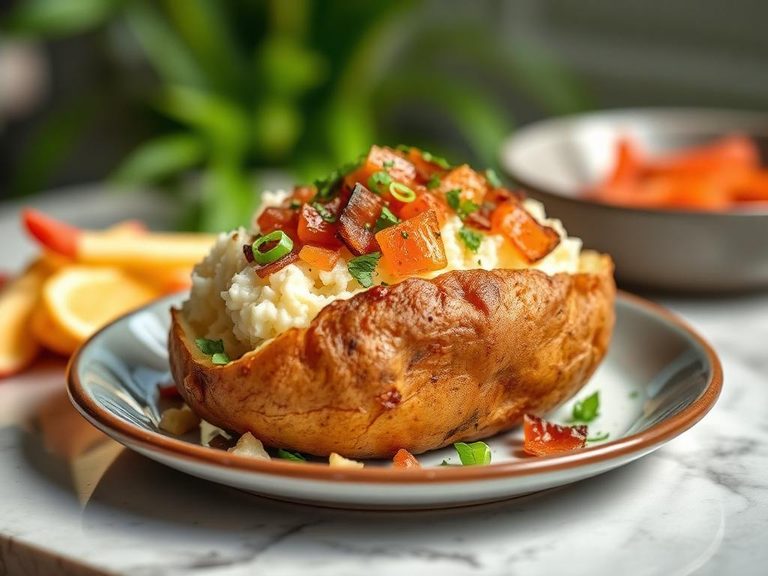
People adore it for its intense, complex flavor—a perfect balance of sharp, salty, and tangy that can elevate a simple salad. It's a versatile condiment that also works as a dip for wings or a sauce for baked potatoes, deeply rooted in American steakhouse and pub culture.
⚠️ Watch-outs & how to enjoy it better
The strong flavor of blue cheese can be polarizing. It is typically high in sodium, which may be a concern for some. As a dairy-based product, it's a common allergen. To counteract sodium, use it sparingly as a flavor accent rather than drowning your salad, and pair it with potassium-rich foods like leafy greens or tomatoes. For those with dairy sensitivities, look for recipes using nutritional yeast for a similar umami note.
Key benefits
- High in protein for a dressing, supporting satiety.
- Significantly lower in calories than traditional creamy dressings.
- Provides a strong flavor punch, so a little goes a long way.
- Contains calcium from the cheese component.
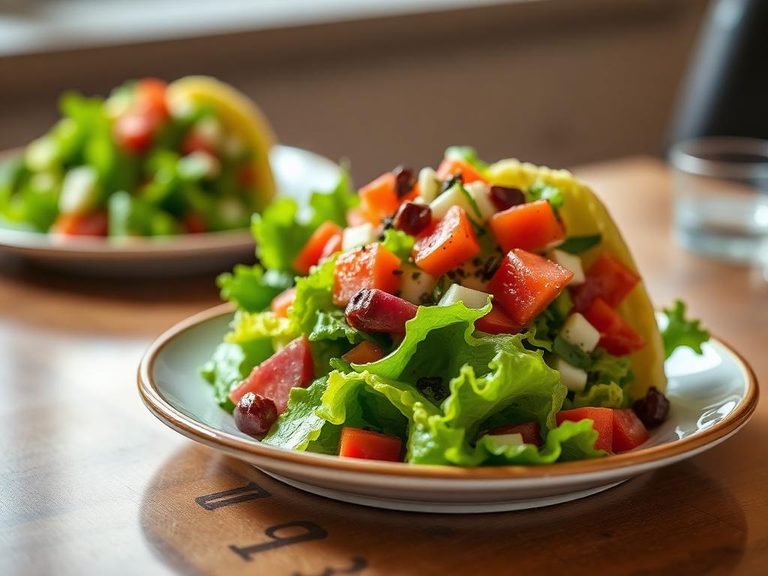
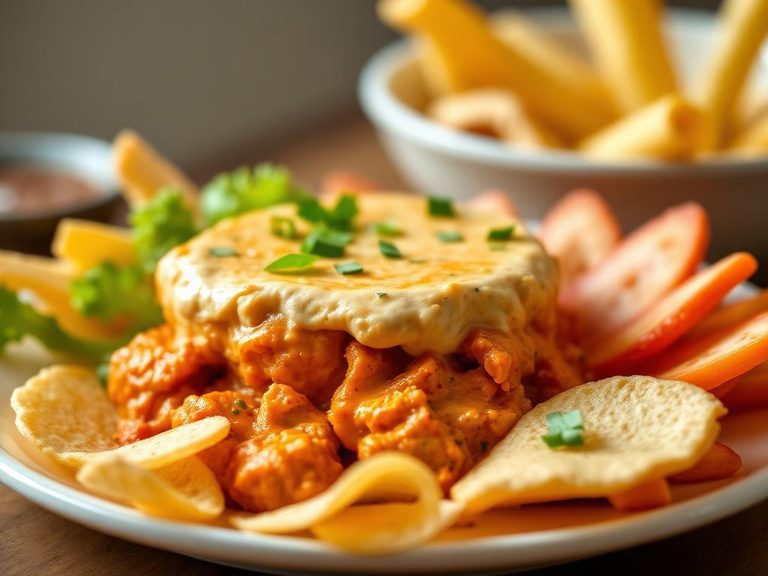
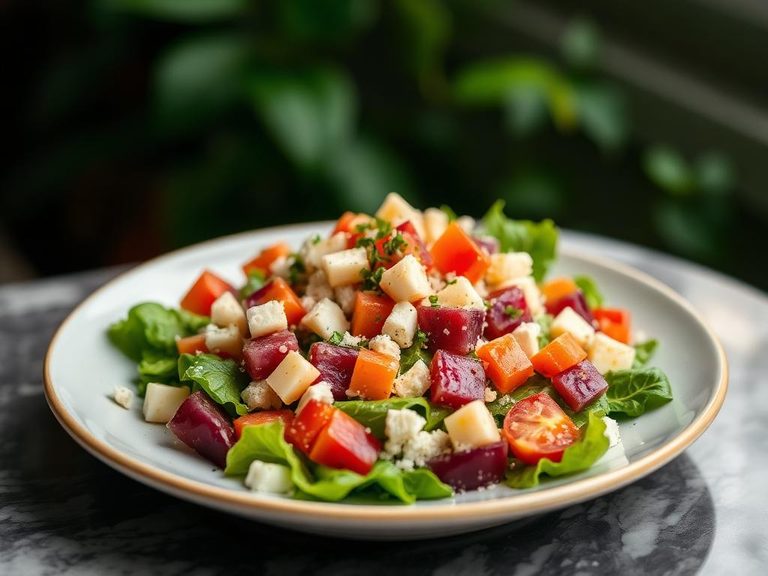
🍽️ Popular dishes
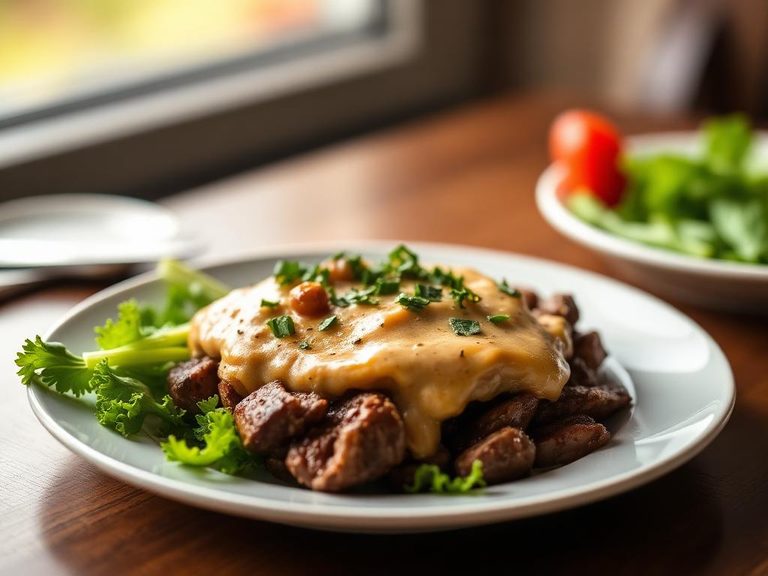
🌍 Where it's eaten
💡 Did you know?
True Roquefort dressing must use Roquefort cheese, which is legally required to be aged in the natural Combalou caves of Roquefort-sur-Soulzon, France.
Full nutrition (USDA data · scales with serving)
| Water | 79.5 g |
| Energy | 99.0 kcal |
| Energy | 414 kj |
| Protein | 5.1 g |
| Total lipid (fat) | 7.2 g |
| Ash | 5.3 g |
| Carbohydrate, by difference | 2.9 g |
| Fiber, total dietary | 0.00 g |
| Total Sugars | 2.8 g |
| Calcium, Ca | 89.0 mg |
| Iron, Fe | 0.50 mg |
| Magnesium, Mg | 7.0 mg |
| Phosphorus, P | 83.0 mg |
| Potassium, K | 5.0 mg |
| Sodium, Na | 939 mg |
| Zinc, Zn | 0.25 mg |
| Copper, Cu | 0.01 mg |
| Selenium, Se | 1.6 ug |
| Vitamin C, total ascorbic acid | 0.30 mg |
| Thiamin | 0.02 mg |
| Riboflavin | 0.10 mg |
| Niacin | 0.05 mg |
| Vitamin B-6 | 0.02 mg |
| Folate, total | 3.0 ug |
| Folic acid | 0.00 ug |
| Folate, food | 3.0 ug |
| Folate, DFE | 3.0 ug |
| Choline, total | 17.0 mg |
| Vitamin B-12 | 0.23 ug |
| Vitamin B-12, added | 0.00 ug |
| Vitamin A, RAE | 0.00 ug |
| Retinol | 0.00 ug |
| Carotene, beta | 2.0 ug |
| Carotene, alpha | 0.00 ug |
| Cryptoxanthin, beta | 0.00 ug |
| Vitamin A, IU | 3.0 iu |
| Lycopene | 0.00 ug |
| Lutein + zeaxanthin | 0.00 ug |
| Vitamin E (alpha-tocopherol) | 0.25 mg |
| Vitamin E, added | 0.00 mg |
| Vitamin D (D2 + D3), International Units | 0.00 iu |
| Vitamin D (D2 + D3) | 0.00 ug |
| Vitamin K (phylloquinone) | 5.4 ug |
| Alcohol, ethyl | 0.00 g |
| Caffeine | 0.00 mg |
| Theobromine | 0.00 mg |
Fat & fatty acid profile (per 100g)
| Fatty acids, total saturated | 2.6 g |
| SFA 4:0 | 0.07 g |
| SFA 6:0 | 0.04 g |
| SFA 8:0 | 0.03 g |
| SFA 10:0 | 0.06 g |
| SFA 12:0 | 0.05 g |
| SFA 14:0 | 0.35 g |
| SFA 16:0 | 1.4 g |
| SFA 18:0 | 0.50 g |
| Fatty acids, total monounsaturated | 1.8 g |
| MUFA 16:1 | 0.10 g |
| MUFA 18:1 | 1.6 g |
| MUFA 20:1 | 0.00 g |
| MUFA 22:1 | 0.00 g |
| Fatty acids, total polyunsaturated | 2.4 g |
| PUFA 18:2 | 2.1 g |
| PUFA 18:3 | 0.30 g |
| PUFA 18:4 | 0.00 g |
| PUFA 20:4 | 0.00 g |
| PUFA 20:5 n-3 (EPA) | 0.00 g |
| PUFA 22:5 n-3 (DPA) | 0.00 g |
| PUFA 22:6 n-3 (DHA) | 0.00 g |
| Cholesterol | 1.0 mg |
Amino acid profile (per 100g)
Estimated from Salad dressing, sesame seed dressing, regular — USDA does not publish this profile for Salad dressing.
| Tryptophan | 0.05 g |
| Threonine | 0.05 g |
| Isoleucine | 0.05 g |
| Leucine | 0.08 g |
| Lysine | 0.14 g |
| Methionine | 0.03 g |
| Cystine | 0.00 g |
| Phenylalanine | 0.09 g |
| Tyrosine | 0.10 g |
| Valine | 0.07 g |
| Arginine | 0.40 g |
| Histidine | 0.03 g |
| Alanine | 0.00 g |
| Aspartic acid | 0.00 g |
| Glutamic acid | 0.46 g |
| Glycine | 0.00 g |
| Proline | 0.00 g |
| Serine | 0.00 g |
FAQ
Is low-calorie blue cheese dressing as creamy as the regular kind?
It can be, but the texture is often lighter and less rich. The creaminess typically comes from a base of buttermilk, yogurt, or a mayonnaise substitute, rather than a full-fat mayonnaise and sour cream blend.
What's the difference between blue cheese and Roquefort dressing?
Roquefort is a specific type of blue cheese made from sheep's milk in France. 'Blue cheese' dressing is a broader category that can use various domestic or imported blue cheeses like Gorgonzola or Stilton, often from cow's milk.
Can I use this as a dip?
Absolutely! It's a classic dip for buffalo wings, raw vegetables, and pizza crusts. For a thicker dip consistency, you might mix it with a bit of Greek yogurt or sour cream.
Nutrient density (calculated · NRF9.3)
Nutrient Rich Foods index: beneficial nutrients (protein, fiber, vitamins, minerals) minus saturated fat, added sugar & sodium, per 100 kcal.
NRF9.3 index — Fulgoni, Keast & Drewnowski, 2009. Computed from USDA nutrients.
Weight-loss friendliness (composite index)
Energy density 0.99 kcal/g · 21% calories from protein · 0.0 g fiber · 2.8 g sugar per 100 g.
Composite of energy density (Rolls et al., 1999), protein & fiber satiety, minus sugar. A calculated heuristic — ranks satiety-per-calorie, not a clinical measure.
Dietary load (calculated from USDA values)
Potential renal acid load. Positive = acid-forming, negative = alkaline-forming.
Sodium-to-potassium ratio: 187.80 (lower is better — aim for ≤ 1)
Sodium:potassium per WHO potassium guidance. Computed from USDA nutrients.