

Salad dressing, blue or roquefort cheese dressing, light
Whole food · Fats and Oils

Photo: Wikipedia
A lighter, tangier take on classic blue cheese dressing, this condiment delivers the signature pungent, creamy punch of Roquefort or blue cheese without the heavy fat load. It boasts a smooth, pourable texture with a sharp, salty flavor profile, often enhanced by a hint of vinegar or buttermilk. Nutritionally, it stands out for its relatively low calorie count (86 kcal/100g) and modest fat content (2.7g/100g) compared to full-fat versions, though it carries a notable amount of carbohydrates (13.2g/100g) from added sugars and thickeners.
Calorie split: 10% protein · 62% carbs · 28% fat
↓ Full nutrition💚 Why it's loved
People love it for the intense, tangy, and umami-rich flavor of blue cheese that can transform a simple salad or vegetable platter into something indulgent. It's a versatile condiment that pairs well with everything from wings to burgers, offering a creamy, sharp taste without the guilt of a full-fat dressing.
⚠️ Watch-outs & how to enjoy it better
The relatively high carbohydrate content (13.2g per 100g) and added sugars (3.6g per 100g) may cause blood-sugar spikes, making it less ideal for those monitoring their glycemic intake. Additionally, it is a common allergen (dairy) and can be high in sodium, which may be a concern for individuals with hypertension or kidney issues. To counteract these, pair it with protein-rich foods like grilled chicken or nuts, practice portion control (use 1-2 tablespoons per serving), and consider adding fiber-rich vegetables to slow sugar absorption.
Key benefits
- Lower in calories and fat than traditional blue cheese dressing
- Provides a strong, savory flavor boost to salads and vegetables
- Contains some protein from the cheese component
- Can help increase vegetable intake by making salads more appealing
- Offers a convenient way to enjoy blue cheese flavor in a lighter format
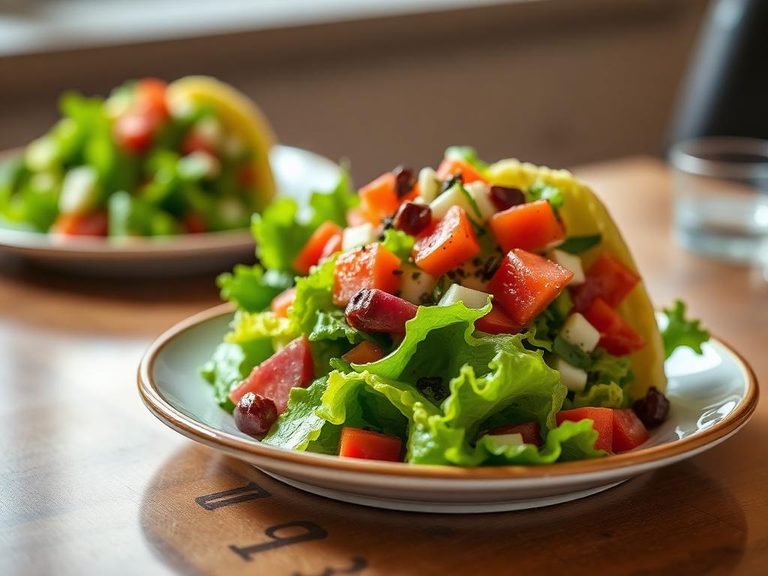
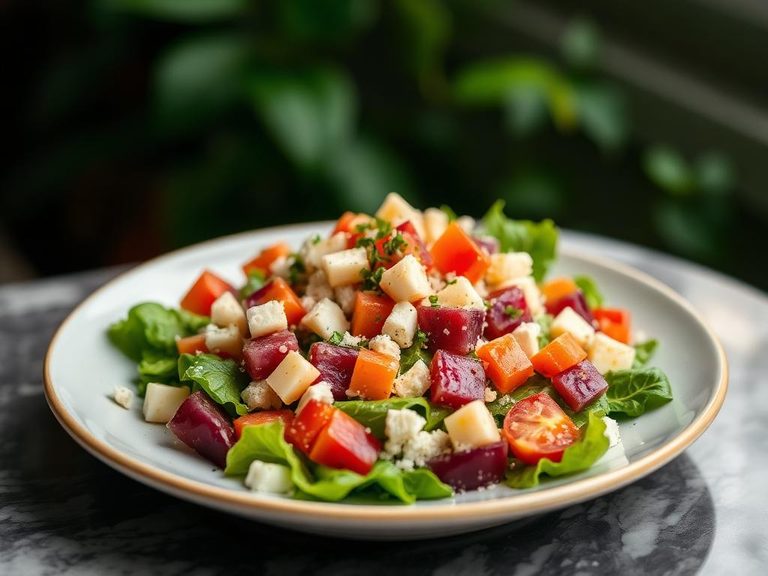
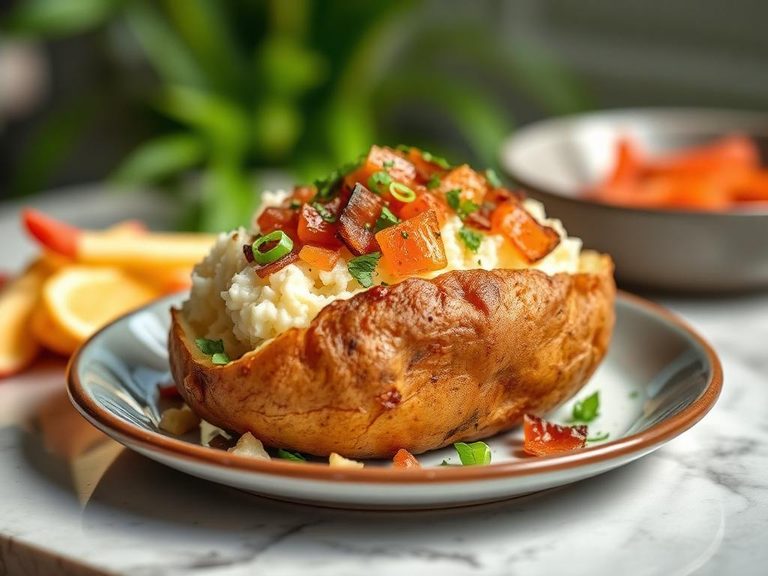
🍽️ Popular dishes

🌍 Where it's eaten
💡 Did you know?
The 'blue' in blue cheese dressing comes from the mold Penicillium roqueforti, which is intentionally introduced to the cheese during production, creating the distinctive blue-green veins and pungent flavor.
Full nutrition (USDA data · scales with serving)
| Water | 77.8 g |
| Energy | 86.0 kcal |
| Energy | 360 kj |
| Protein | 2.1 g |
| Total lipid (fat) | 2.7 g |
| Ash | 4.2 g |
| Carbohydrate, by difference | 13.2 g |
| Fiber, total dietary | 0.00 g |
| Total Sugars | 3.6 g |
| Calcium, Ca | 68.0 mg |
| Iron, Fe | 0.14 mg |
| Magnesium, Mg | 4.0 mg |
| Phosphorus, P | 47.0 mg |
| Potassium, K | 51.0 mg |
| Sodium, Na | 939 mg |
| Zinc, Zn | 0.30 mg |
| Copper, Cu | 0.01 mg |
| Selenium, Se | 1.6 ug |
| Vitamin C, total ascorbic acid | 0.00 mg |
| Thiamin | 0.01 mg |
| Riboflavin | 0.04 mg |
| Niacin | 0.04 mg |
| Vitamin B-6 | 0.02 mg |
| Folate, total | 28.0 ug |
| Folic acid | 0.00 ug |
| Folate, food | 28.0 ug |
| Folate, DFE | 28.0 ug |
| Choline, total | 17.0 mg |
| Vitamin B-12 | 0.11 ug |
| Vitamin B-12, added | 0.00 ug |
| Vitamin A, RAE | 67.0 ug |
| Retinol | 65.0 ug |
| Carotene, beta | 19.0 ug |
| Carotene, alpha | 4.0 ug |
| Cryptoxanthin, beta | 4.0 ug |
| Vitamin A, IU | 254 iu |
| Lycopene | 0.00 ug |
| Lutein + zeaxanthin | 126 ug |
| Vitamin E (alpha-tocopherol) | 0.90 mg |
| Vitamin E, added | 0.00 mg |
| Vitamin D (D2 + D3), International Units | 0.00 iu |
| Vitamin D (D2 + D3) | 0.00 ug |
| Vitamin K (phylloquinone) | 91.0 ug |
| Alcohol, ethyl | 0.00 g |
| Caffeine | 0.00 mg |
| Theobromine | 0.00 mg |
Fat & fatty acid profile (per 100g)
| Fatty acids, total saturated | 0.63 g |
| SFA 4:0 | 0.01 g |
| SFA 6:0 | 0.01 g |
| SFA 8:0 | 0.01 g |
| SFA 10:0 | 0.01 g |
| SFA 12:0 | 0.01 g |
| SFA 14:0 | 0.05 g |
| SFA 16:0 | 0.35 g |
| SFA 18:0 | 0.17 g |
| Fatty acids, total monounsaturated | 1.1 g |
| MUFA 16:1 | 0.02 g |
| MUFA 18:1 | 1.1 g |
| MUFA 20:1 | 0.00 g |
| MUFA 22:1 | 0.00 g |
| Fatty acids, total polyunsaturated | 0.85 g |
| PUFA 18:2 | 0.79 g |
| PUFA 18:3 | 0.06 g |
| PUFA 18:4 | 0.00 g |
| PUFA 20:4 | 0.00 g |
| PUFA 20:5 n-3 (EPA) | 0.00 g |
| PUFA 22:5 n-3 (DPA) | 0.00 g |
| PUFA 22:6 n-3 (DHA) | 0.00 g |
| Cholesterol | 10.0 mg |
Amino acid profile (per 100g)
Estimated from Salad dressing, sesame seed dressing, regular — USDA does not publish this profile for Salad dressing.
| Tryptophan | 0.05 g |
| Threonine | 0.05 g |
| Isoleucine | 0.05 g |
| Leucine | 0.08 g |
| Lysine | 0.14 g |
| Methionine | 0.03 g |
| Cystine | 0.00 g |
| Phenylalanine | 0.09 g |
| Tyrosine | 0.10 g |
| Valine | 0.07 g |
| Arginine | 0.40 g |
| Histidine | 0.03 g |
| Alanine | 0.00 g |
| Aspartic acid | 0.00 g |
| Glutamic acid | 0.46 g |
| Glycine | 0.00 g |
| Proline | 0.00 g |
| Serine | 0.00 g |
FAQ
Is light blue cheese dressing healthier than regular?
Yes, it typically has fewer calories and less fat, but it often contains more carbohydrates and added sugars to compensate for flavor. Always check the nutrition label.
Can I use light blue cheese dressing as a dip?
Absolutely! It works well as a dip for vegetables, wings, or chips, though its thinner consistency might be better suited for drizzling than scooping.
Does light blue cheese dressing contain real blue cheese?
Most brands use real blue cheese, but some may use cheese flavorings or powders. Check the ingredient list for terms like 'Roquefort' or 'blue cheese.'
Nutrient density (calculated · NRF9.3)
Nutrient Rich Foods index: beneficial nutrients (protein, fiber, vitamins, minerals) minus saturated fat, added sugar & sodium, per 100 kcal.
NRF9.3 index — Fulgoni, Keast & Drewnowski, 2009. Computed from USDA nutrients.
Weight-loss friendliness (composite index)
Energy density 0.86 kcal/g · 10% calories from protein · 0.0 g fiber · 3.6 g sugar per 100 g.
Composite of energy density (Rolls et al., 1999), protein & fiber satiety, minus sugar. A calculated heuristic — ranks satiety-per-calorie, not a clinical measure.
Dietary load (calculated from USDA values)
Potential renal acid load. Positive = acid-forming, negative = alkaline-forming.
Sodium-to-potassium ratio: 18.41 (lower is better — aim for ≤ 1)
Sodium:potassium per WHO potassium guidance. Computed from USDA nutrients.