

Puddings, all flavors except chocolate, low calorie, regular, dry mix
Whole food · Sweets

Photo: Wikipedia
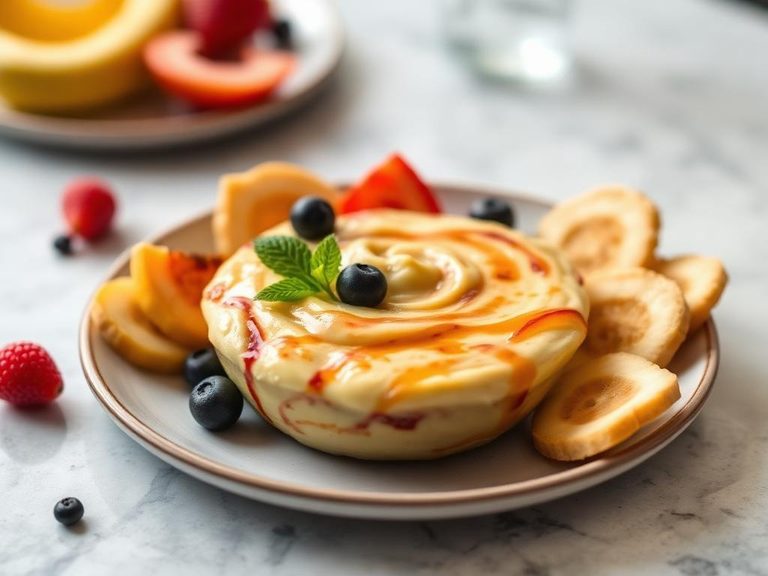
This is the dry powder base for instant puddings, designed for a quick, smooth, and creamy dessert without the fat of traditional versions. It transforms from a fine, often pale powder into a soft, wobbly, and mildly sweet treat when mixed with milk. Nutritionally, it's a high-carb, low-fat option, primarily offering quick energy from its carbohydrate content.
Calorie split: 2% protein · 98% carbs · 0% fat
↓ Full nutrition💚 Why it's loved
People love it for its nostalgic, comforting simplicity and the ability to create a creamy dessert in minutes with just milk. Its mild, versatile flavor profile (like vanilla or butterscotch) makes it a blank canvas for toppings or a base for more elaborate desserts.
⚠️ Watch-outs & how to enjoy it better
The primary concern is its high carbohydrate content (86g per 100g dry), which can cause rapid blood sugar spikes, making it less suitable for diabetics or those managing blood sugar. To counteract this, pair a small portion with a source of protein (like nuts or a dollop of Greek yogurt) or healthy fat (like a few berries) to slow digestion. Also, check labels for added sodium and common allergens like modified cornstarch or soy derivatives.
Key benefits
- Extremely low in fat (0.1g per 100g dry mix)
- Quick and convenient no-cook dessert preparation
- Provides a source of quick-release carbohydrates
- Offers a consistent, familiar texture and flavor
- Long shelf life as a dry pantry staple
🍽️ Popular dishes
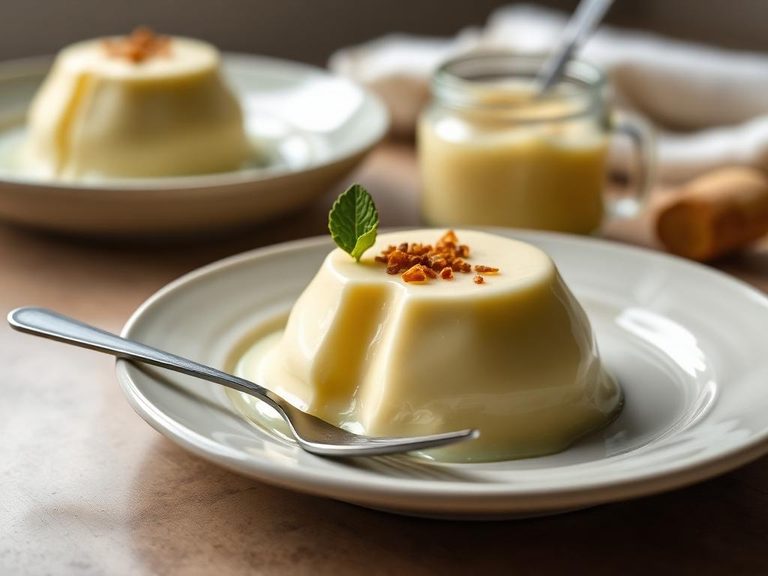
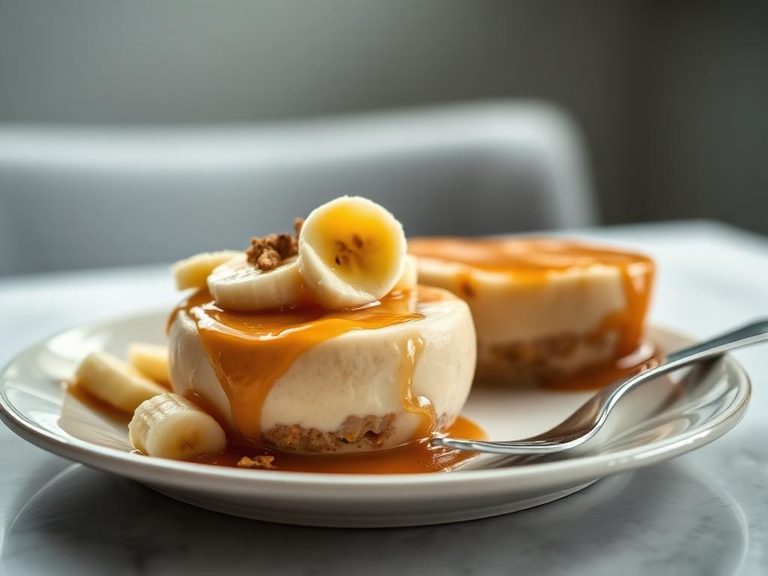
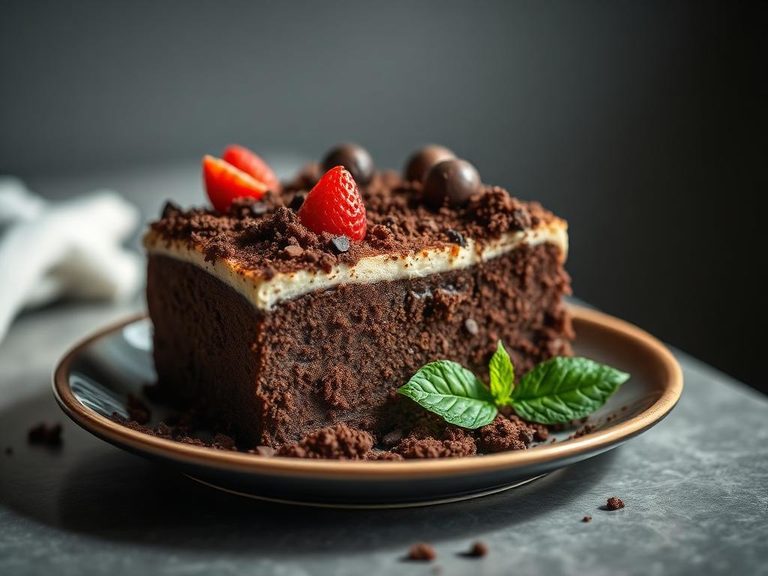
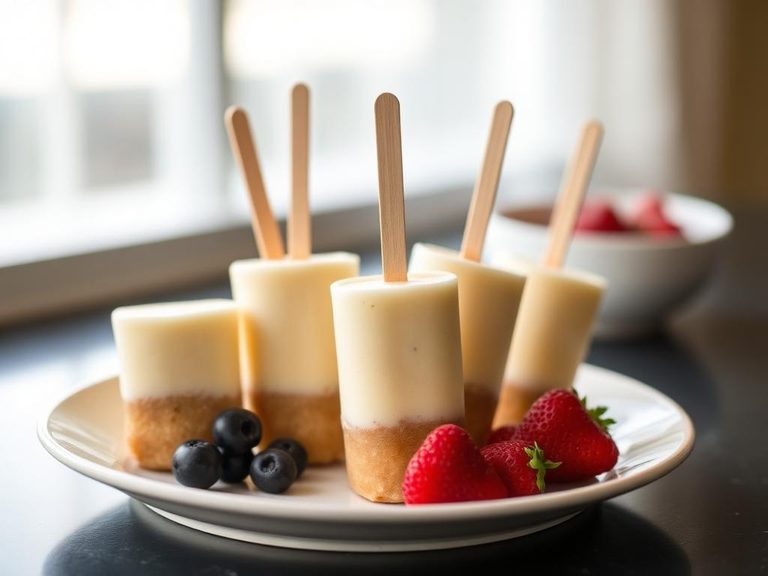
🌍 Where it's eaten
💡 Did you know?
The 'instant' pudding mix relies on a chemical thickener, often tetrasodium pyrophosphate or a modified starch, that reacts with the calcium in milk to form a gel instantly, a trick perfected in the mid-20th century.
Full nutrition (USDA data · scales with serving)
| Water | 10.4 g |
| Energy | 351 kcal |
| Energy | 1470 kj |
| Protein | 1.6 g |
| Total lipid (fat) | 0.10 g |
| Ash | 1.9 g |
| Carbohydrate, by difference | 86.0 g |
| Fiber, total dietary | 0.90 g |
| Total Sugars | 2.9 g |
| Calcium, Ca | 49.0 mg |
| Iron, Fe | 0.05 mg |
| Magnesium, Mg | 17.0 mg |
| Phosphorus, P | 12.0 mg |
| Potassium, K | 18.0 mg |
| Sodium, Na | 1765 mg |
| Zinc, Zn | 0.19 mg |
| Copper, Cu | 0.04 mg |
| Selenium, Se | 0.90 ug |
| Vitamin C, total ascorbic acid | 0.00 mg |
| Thiamin | 0.00 mg |
| Riboflavin | 0.00 mg |
| Niacin | 0.00 mg |
| Vitamin B-6 | 0.00 mg |
| Folate, total | 0.00 ug |
| Folic acid | 0.00 ug |
| Folate, food | 0.00 ug |
| Folate, DFE | 0.00 ug |
| Choline, total | 0.00 mg |
| Vitamin B-12 | 0.00 ug |
| Vitamin B-12, added | 0.00 ug |
| Vitamin A, RAE | 0.00 ug |
| Retinol | 0.00 ug |
| Carotene, beta | 0.00 ug |
| Carotene, alpha | 0.00 ug |
| Cryptoxanthin, beta | 0.00 ug |
| Vitamin A, IU | 0.00 iu |
| Lycopene | 0.00 ug |
| Lutein + zeaxanthin | 0.00 ug |
| Vitamin E (alpha-tocopherol) | 0.05 mg |
| Vitamin E, added | 0.00 mg |
| Vitamin D (D2 + D3), International Units | 0.00 iu |
| Vitamin D (D2 + D3) | 0.00 ug |
| Vitamin K (phylloquinone) | 1.1 ug |
| Alcohol, ethyl | 0.00 g |
| Caffeine | 0.00 mg |
| Theobromine | 0.00 mg |
Fat & fatty acid profile (per 100g)
| Fatty acids, total saturated | 0.02 g |
| SFA 4:0 | 0.00 g |
| SFA 6:0 | 0.00 g |
| SFA 8:0 | 0.00 g |
| SFA 10:0 | 0.00 g |
| SFA 12:0 | 0.00 g |
| SFA 14:0 | 0.00 g |
| SFA 16:0 | 0.02 g |
| SFA 18:0 | 0.00 g |
| Fatty acids, total monounsaturated | 0.03 g |
| MUFA 16:1 | 0.00 g |
| MUFA 18:1 | 0.03 g |
| MUFA 20:1 | 0.00 g |
| MUFA 22:1 | 0.00 g |
| Fatty acids, total polyunsaturated | 0.05 g |
| PUFA 18:2 | 0.05 g |
| PUFA 18:3 | 0.00 g |
| PUFA 18:4 | 0.00 g |
| PUFA 20:4 | 0.00 g |
| PUFA 20:5 n-3 (EPA) | 0.00 g |
| PUFA 22:5 n-3 (DPA) | 0.00 g |
| PUFA 22:6 n-3 (DHA) | 0.00 g |
| Cholesterol | 0.00 mg |
Amino acid profile (per 100g)
Estimated from Puddings, rice, dry mix, prepared with 2% milk — USDA does not publish this profile for Puddings.
| Tryptophan | 0.04 g |
| Threonine | 0.13 g |
| Isoleucine | 0.17 g |
| Leucine | 0.27 g |
| Lysine | 0.22 g |
| Methionine | 0.07 g |
| Cystine | 0.03 g |
| Phenylalanine | 0.14 g |
| Tyrosine | 0.14 g |
| Valine | 0.19 g |
| Arginine | 0.10 g |
| Histidine | 0.07 g |
| Alanine | 0.10 g |
| Aspartic acid | 0.21 g |
| Glutamic acid | 0.58 g |
| Glycine | 0.06 g |
| Proline | 0.27 g |
| Serine | 0.15 g |
FAQ
Can I use water instead of milk?
You can, but the result will be significantly less creamy, rich, and flavorful. Milk provides the fat, protein, and natural sugars that create the classic pudding texture and taste.
Why is my pudding runny?
Common reasons are not using enough mix, not chilling it long enough (it needs at least 2 hours to set), or using a low-fat milk with less than 2% fat content, which can affect the setting process.
Is this the same as 'cook and serve' pudding?
No. 'Cook and serve' mixes require heating on the stove to activate the cornstarch for thickening. Instant mixes use chemical thickeners that react with cold milk.
Nutrient density (calculated · NRF9.3)
Nutrient Rich Foods index: beneficial nutrients (protein, fiber, vitamins, minerals) minus saturated fat, added sugar & sodium, per 100 kcal.
NRF9.3 index — Fulgoni, Keast & Drewnowski, 2009. Computed from USDA nutrients.
Weight-loss friendliness (composite index)
Energy density 3.51 kcal/g · 2% calories from protein · 0.9 g fiber · 2.9 g sugar per 100 g.
Composite of energy density (Rolls et al., 1999), protein & fiber satiety, minus sugar. A calculated heuristic — ranks satiety-per-calorie, not a clinical measure.
Dietary load (calculated from USDA values)
Potential renal acid load. Positive = acid-forming, negative = alkaline-forming.
Sodium-to-potassium ratio: 98.06 (lower is better — aim for ≤ 1)
Sodium:potassium per WHO potassium guidance. Computed from USDA nutrients.