

Peppers, hot chile, sun-dried
Whole food · Vegetables and Vegetable Products
Sun-dried hot chiles are a flavor bomb, their deep red skins wrinkled and leathery from dehydration, concentrating their fiery heat and a complex, smoky-sweet tang. Nutritionally, they are a powerhouse of fiber and sugar, offering a significant energy boost in a small, potent package.
Calorie split: 11% protein · 75% carbs · 14% fat
↓ Full nutrition💚 Why it's loved
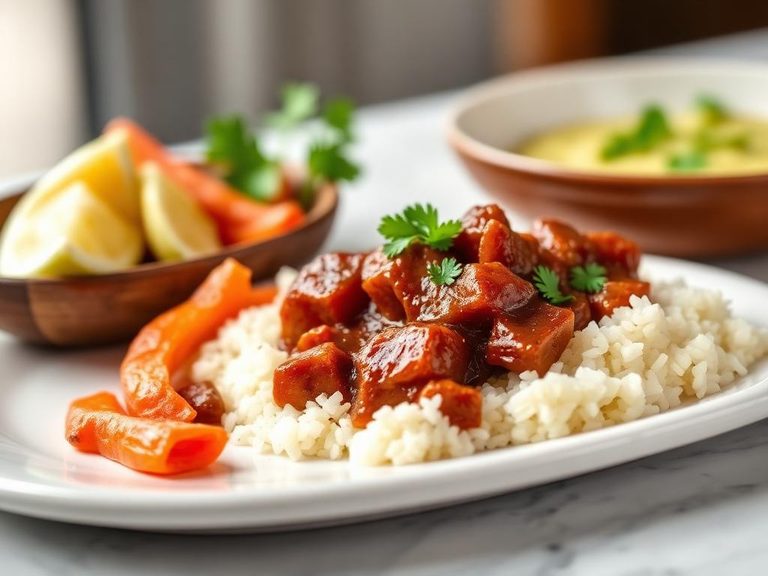
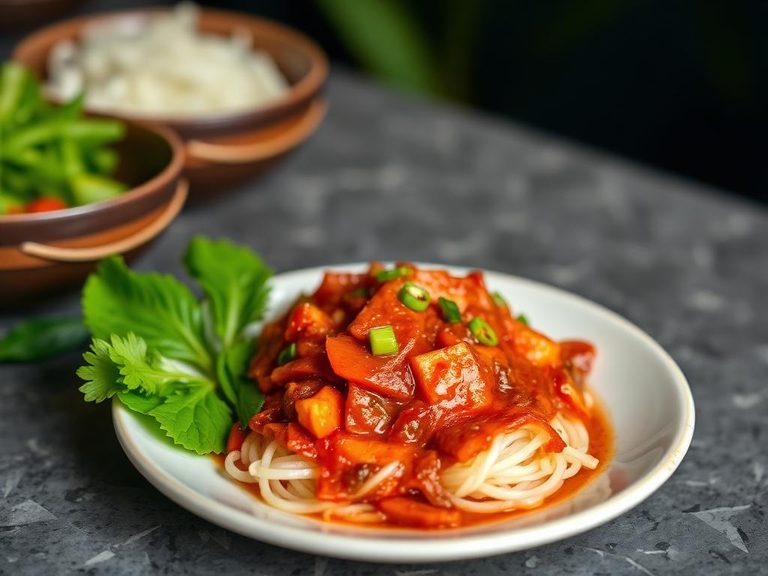
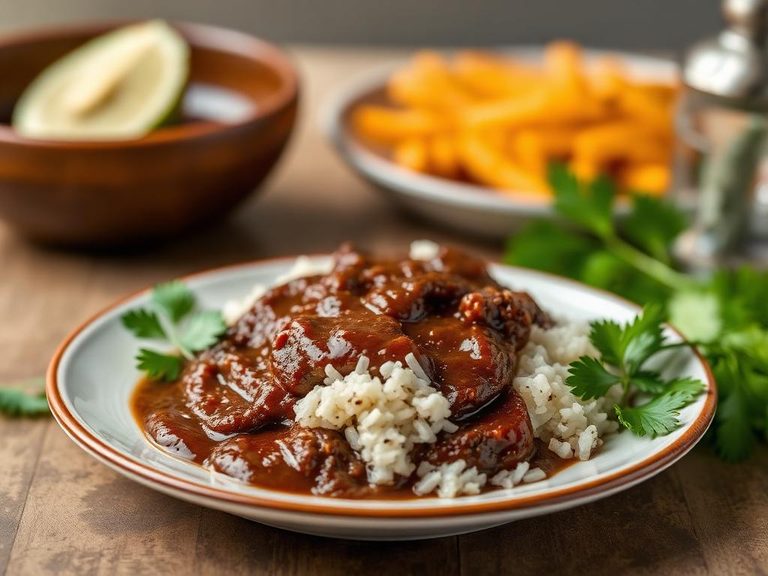
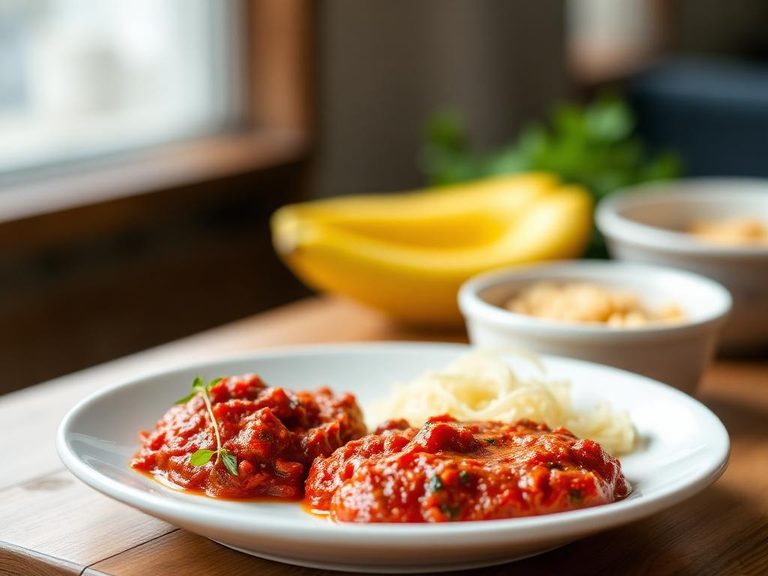
People love them for the unparalleled depth of smoky, fruity heat they bring to a dish, a warmth that builds and lingers. Their versatility is key—they can be rehydrated into sauces, ground into spice blends, or steeped to infuse oils and stews.
⚠️ Watch-outs & how to enjoy it better
Their intense heat and concentrated sugars can cause digestive discomfort or spike blood sugar if consumed in large quantities. For those sensitive, start by using a small piece, rehydrate and discard the water, or pair with cooling dairy like yogurt or cheese to temper both the heat and glycemic impact.
Key benefits
- Extremely high in dietary fiber for digestive health
- Rich in capsaicin, linked to metabolism and pain relief
- Excellent source of antioxidants like vitamin A and C
- Provides a concentrated source of iron and potassium
- Adds intense flavor without added fats
🍽️ Popular dishes
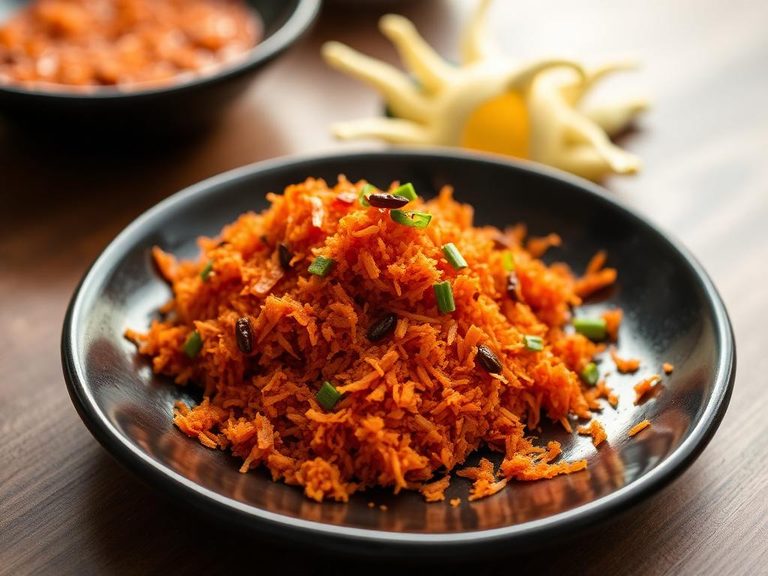
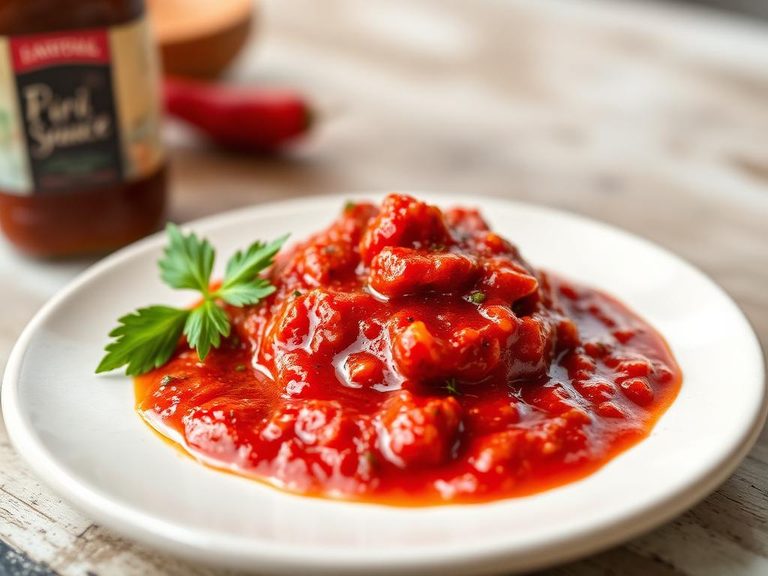
🌍 Where it's eaten
💡 Did you know?
The process of sun-drying can increase the concentration of capsaicin, the compound responsible for heat, making a sun-dried chile often feel hotter than its fresh counterpart of the same variety.
Full nutrition (USDA data · scales with serving)
| Water | 7.2 g |
| Energy | 324 kcal |
| Energy | 1356 kj |
| Protein | 10.6 g |
| Total lipid (fat) | 5.8 g |
| Ash | 6.6 g |
| Carbohydrate, by difference | 69.9 g |
| Fiber, total dietary | 28.7 g |
| Total Sugars | 41.1 g |
| Calcium, Ca | 45.0 mg |
| Iron, Fe | 6.0 mg |
| Magnesium, Mg | 88.0 mg |
| Phosphorus, P | 159 mg |
| Potassium, K | 1870 mg |
| Sodium, Na | 91.0 mg |
| Zinc, Zn | 1.0 mg |
| Copper, Cu | 0.23 mg |
| Manganese, Mn | 0.82 mg |
| Selenium, Se | 3.5 ug |
| Vitamin C, total ascorbic acid | 31.4 mg |
| Thiamin | 0.08 mg |
| Riboflavin | 1.2 mg |
| Niacin | 8.7 mg |
| Pantothenic acid | 0.96 mg |
| Vitamin B-6 | 0.81 mg |
| Folate, total | 51.0 ug |
| Folic acid | 0.00 ug |
| Folate, food | 51.0 ug |
| Folate, DFE | 51.0 ug |
| Choline, total | 84.3 mg |
| Vitamin B-12 | 0.00 ug |
| Vitamin B-12, added | 0.00 ug |
| Vitamin A, RAE | 1324 ug |
| Retinol | 0.00 ug |
| Carotene, beta | 14844 ug |
| Carotene, alpha | 994 ug |
| Cryptoxanthin, beta | 1103 ug |
| Vitamin A, IU | 26488 iu |
| Lycopene | 0.00 ug |
| Lutein + zeaxanthin | 5494 ug |
| Vitamin E (alpha-tocopherol) | 3.1 mg |
| Vitamin E, added | 0.00 mg |
| Vitamin D (D2 + D3), International Units | 0.00 iu |
| Vitamin D (D2 + D3) | 0.00 ug |
| Vitamin K (phylloquinone) | 108 ug |
| Alcohol, ethyl | 0.00 g |
| Caffeine | 0.00 mg |
| Theobromine | 0.00 mg |
Fat & fatty acid profile (per 100g)
| Fatty acids, total saturated | 0.81 g |
| SFA 4:0 | 0.00 g |
| SFA 6:0 | 0.00 g |
| SFA 8:0 | 0.00 g |
| SFA 10:0 | 0.00 g |
| SFA 12:0 | 0.00 g |
| SFA 14:0 | 0.02 g |
| SFA 16:0 | 0.69 g |
| SFA 18:0 | 0.11 g |
| Fatty acids, total monounsaturated | 0.47 g |
| MUFA 16:1 | 0.02 g |
| MUFA 18:1 | 0.45 g |
| MUFA 20:1 | 0.00 g |
| MUFA 22:1 | 0.00 g |
| Fatty acids, total polyunsaturated | 3.1 g |
| PUFA 18:2 | 3.1 g |
| PUFA 18:3 | 0.02 g |
| PUFA 18:4 | 0.00 g |
| PUFA 20:4 | 0.00 g |
| PUFA 20:5 n-3 (EPA) | 0.00 g |
| PUFA 22:5 n-3 (DPA) | 0.00 g |
| PUFA 22:6 n-3 (DHA) | 0.00 g |
| Fatty acids, total trans | 0.00 g |
| Cholesterol | 0.00 mg |
Amino acid profile (per 100g)
| Tryptophan | 0.14 g |
| Threonine | 0.39 g |
| Isoleucine | 0.34 g |
| Leucine | 0.55 g |
| Lysine | 0.47 g |
| Methionine | 0.13 g |
| Cystine | 0.20 g |
| Phenylalanine | 0.33 g |
| Tyrosine | 0.22 g |
| Valine | 0.45 g |
| Arginine | 0.51 g |
| Histidine | 0.21 g |
| Alanine | 0.43 g |
| Aspartic acid | 1.5 g |
| Glutamic acid | 1.4 g |
| Glycine | 0.39 g |
| Proline | 0.46 g |
| Serine | 0.42 g |
FAQ
How do I use sun-dried hot chiles in cooking?
Rehydrate them in hot water for 15-30 minutes until plump. Use the softened chiles in sauces, or blend them with the soaking liquid. Alternatively, toast and grind them into a powder for a smoky spice rub.
Are sun-dried hot chiles healthier than fresh?
They are nutritionally denser per gram due to water removal, offering more fiber and sugar. However, this also means their heat and calories are more concentrated, so portion control is key.
How should I store them?
Keep them in an airtight container in a cool, dark place like a pantry. For long-term storage, refrigerate or freeze them to preserve their color and potency for up to a year.
Nutrient density (calculated · NRF9.3)
Nutrient Rich Foods index: beneficial nutrients (protein, fiber, vitamins, minerals) minus saturated fat, added sugar & sodium, per 100 kcal.
NRF9.3 index — Fulgoni, Keast & Drewnowski, 2009. Computed from USDA nutrients.
Weight-loss friendliness (composite index)
Energy density 3.24 kcal/g · 13% calories from protein · 28.7 g fiber · 41.1 g sugar per 100 g.
Composite of energy density (Rolls et al., 1999), protein & fiber satiety, minus sugar. A calculated heuristic — ranks satiety-per-calorie, not a clinical measure.
Dietary load (calculated from USDA values)
Potential renal acid load. Positive = acid-forming, negative = alkaline-forming.
Sodium-to-potassium ratio: 0.05 (lower is better — aim for ≤ 1)
Sodium:potassium per WHO potassium guidance. Computed from USDA nutrients.