

Pepperoni, reduced fat
Common food

Photo: Wikipedia
Reduced-fat pepperoni is a leaner, sliced-cured sausage made from pork and beef, seasoned with paprika, garlic, and fennel. It delivers the classic spicy, savory, and slightly smoky flavor with a firm, chewy texture, but with significantly less total fat than traditional versions. Nutritionally, it's a high-protein, very low-carb option, making it a popular choice for low-carb and keto diets.
Calorie split: 23% protein · 1% carbs · 77% fat
↓ Full nutrition💚 Why it's loved
People love it for its intense, addictive flavor that instantly elevates a pizza or sandwich, and its versatility as a standalone snack or ingredient in countless dishes. It's deeply embedded in American pizza culture and Italian-American cuisine.
⚠️ Watch-outs & how to enjoy it better
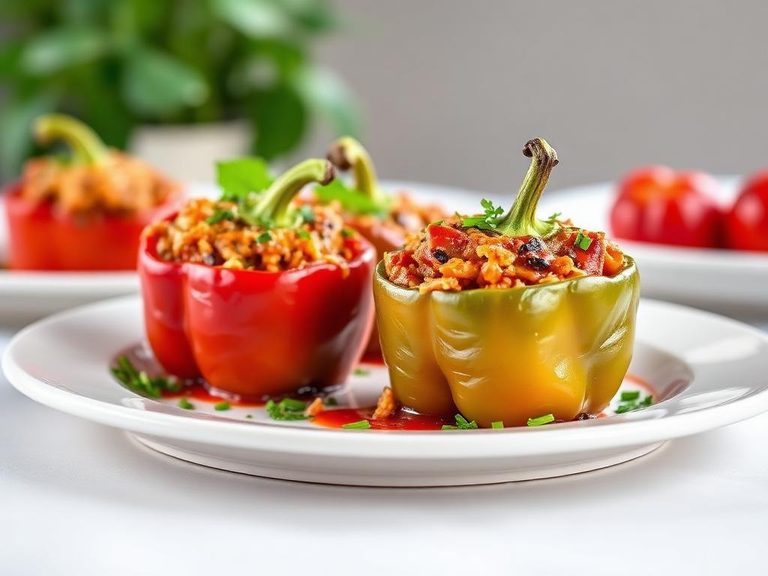
It is typically very high in sodium, which can be a concern for blood pressure, and the curing process involves nitrates. To counteract, pair it with potassium-rich vegetables (like bell peppers or spinach) and practice strict portion control, using it as a flavor accent rather than the main protein.
Key benefits
- High in protein for muscle maintenance
- Very low in carbohydrates and sugar
- Provides iron and B vitamins like B12
- A convenient, shelf-stable protein source
🍽️ Popular dishes
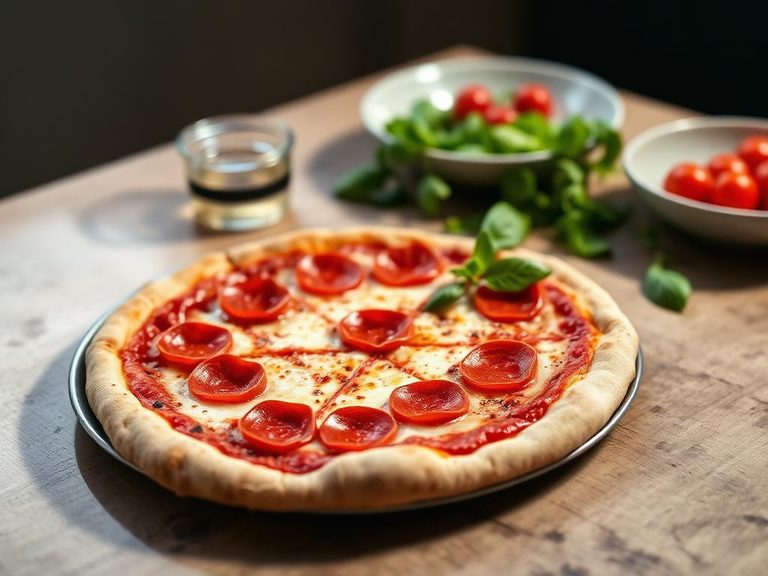
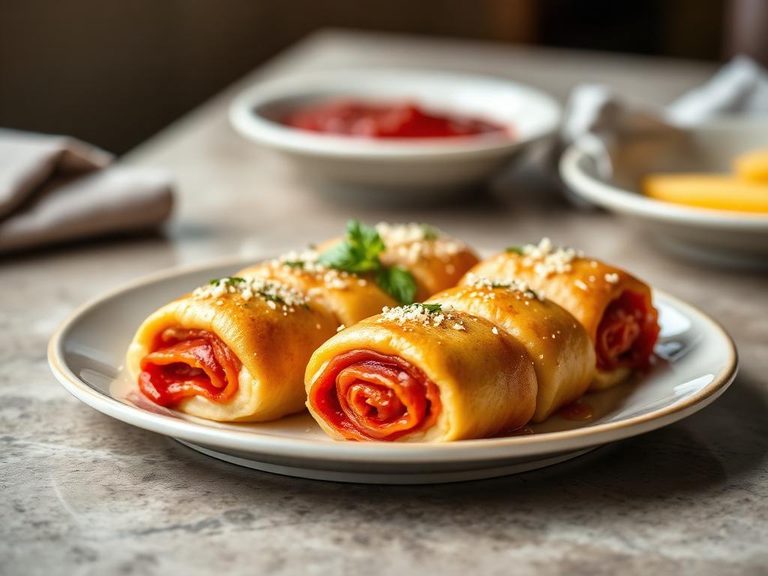
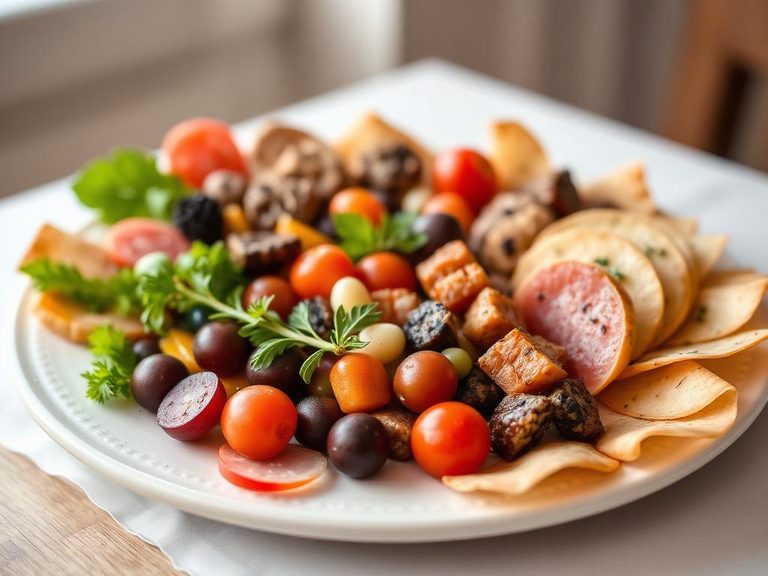
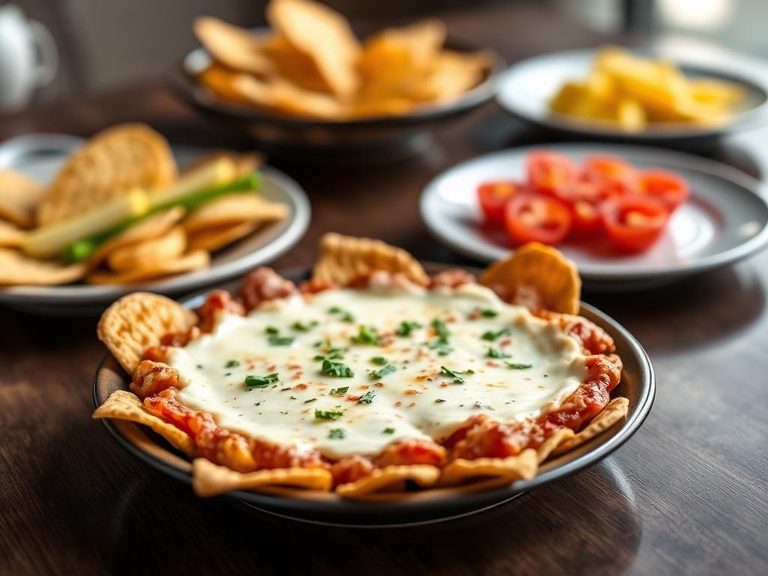

🌍 Where it's eaten
💡 Did you know?
The classic 'cup and char' pepperoni curl that forms when cooked is caused by the casing shrinking faster than the meat, a feature highly prized by pizza enthusiasts.
Full nutrition (USDA data · scales with serving)
| Water | 41.2 g |
| Energy | 378 kcal |
| Protein | 21.1 g |
| Total lipid (fat) | 31.6 g |
| Carbohydrate, by difference | 0.72 g |
| Fiber, total dietary | 0.00 g |
| Total Sugars | 0.26 g |
| Calcium, Ca | 24.0 mg |
| Iron, Fe | 1.4 mg |
| Magnesium, Mg | 20.0 mg |
| Phosphorus, P | 192 mg |
| Potassium, K | 363 mg |
| Sodium, Na | 1756 mg |
| Zinc, Zn | 2.7 mg |
| Copper, Cu | 0.10 mg |
| Selenium, Se | 33.6 ug |
| Vitamin C, total ascorbic acid | 0.00 mg |
| Thiamin | 0.39 mg |
| Riboflavin | 0.20 mg |
| Niacin | 6.1 mg |
| Vitamin B-6 | 0.44 mg |
| Folate, total | 0.00 ug |
| Folic acid | 0.00 ug |
| Folate, food | 0.00 ug |
| Folate, DFE | 0.00 ug |
| Choline, total | 72.6 mg |
| Vitamin B-12 | 1.1 ug |
| Vitamin B-12, added | 0.00 ug |
| Vitamin A, RAE | 11.0 ug |
| Retinol | 11.0 ug |
| Carotene, beta | 0.00 ug |
| Carotene, alpha | 0.00 ug |
| Cryptoxanthin, beta | 0.00 ug |
| Lycopene | 0.00 ug |
| Lutein + zeaxanthin | 0.00 ug |
| Vitamin E (alpha-tocopherol) | 0.64 mg |
| Vitamin E, added | 0.00 mg |
| Vitamin D (D2 + D3) | 0.90 ug |
| Vitamin K (phylloquinone) | 0.00 ug |
| Alcohol, ethyl | 0.00 g |
| Caffeine | 0.00 mg |
| Theobromine | 0.00 mg |
Fat & fatty acid profile (per 100g)
| Fatty acids, total saturated | 11.4 g |
| SFA 4:0 | 0.00 g |
| SFA 6:0 | 0.00 g |
| SFA 8:0 | 0.00 g |
| SFA 10:0 | 0.05 g |
| SFA 12:0 | 0.03 g |
| SFA 14:0 | 0.52 g |
| SFA 16:0 | 7.0 g |
| SFA 18:0 | 3.5 g |
| Fatty acids, total monounsaturated | 14.7 g |
| MUFA 16:1 | 0.84 g |
| MUFA 18:1 | 13.4 g |
| MUFA 20:1 | 0.24 g |
| MUFA 22:1 | 0.02 g |
| Fatty acids, total polyunsaturated | 4.9 g |
| PUFA 18:2 | 4.3 g |
| PUFA 18:3 | 0.18 g |
| PUFA 18:4 | 0.00 g |
| PUFA 20:4 | 0.14 g |
| PUFA 20:5 n-3 (EPA) | 0.00 g |
| PUFA 22:5 n-3 (DPA) | 0.02 g |
| PUFA 22:6 n-3 (DHA) | 0.01 g |
| Cholesterol | 108 mg |
Amino acid profile (per 100g)
Estimated from LITTLE CAESARS 14" Original Round Pepperoni Pizza, Regular Crust — USDA does not publish this profile for Pepperoni.
| Tryptophan | 0.13 g |
| Threonine | 0.43 g |
| Isoleucine | 0.62 g |
| Leucine | 1.2 g |
| Lysine | 0.93 g |
| Methionine | 0.32 g |
| Cystine | 0.35 g |
| Phenylalanine | 0.75 g |
| Tyrosine | 0.50 g |
| Valine | 0.78 g |
| Arginine | 0.60 g |
| Histidine | 0.39 g |
| Alanine | 0.29 g |
| Aspartic acid | 0.98 g |
| Glutamic acid | 4.1 g |
| Glycine | 0.44 g |
| Proline | 1.4 g |
| Serine | 0.82 g |
FAQ
Is reduced-fat pepperoni healthier than regular pepperoni?
It has significantly less total fat and fewer calories per serving. However, it can be similar or even higher in sodium, so it's not an automatic 'health food' and should still be consumed in moderation.
Can I use it in a keto diet?
Yes, it's an excellent keto food due to its very high protein and fat content with virtually zero carbs. Just be mindful of portion sizes due to the calorie density.
Why does it sometimes turn gray in the package?
A gray or iridescent sheen on cured meats is a natural reaction of myoglobin with oxygen and is harmless. If it smells off or is slimy, however, discard it.
Nutrient density (calculated · NRF9.3)
Nutrient Rich Foods index: beneficial nutrients (protein, fiber, vitamins, minerals) minus saturated fat, added sugar & sodium, per 100 kcal.
NRF9.3 index — Fulgoni, Keast & Drewnowski, 2009. Computed from USDA nutrients.
Weight-loss friendliness (composite index)
Energy density 3.78 kcal/g · 22% calories from protein · 0.0 g fiber · 0.3 g sugar per 100 g.
Composite of energy density (Rolls et al., 1999), protein & fiber satiety, minus sugar. A calculated heuristic — ranks satiety-per-calorie, not a clinical measure.
Dietary load (calculated from USDA values)
Potential renal acid load. Positive = acid-forming, negative = alkaline-forming.
Sodium-to-potassium ratio: 4.84 (lower is better — aim for ≤ 1)
Sodium:potassium per WHO potassium guidance. Computed from USDA nutrients.