

Peas and carrots, canned, cooked, no added fat
Common food
This is a classic, comforting mix of tender, sweet carrots and soft, starchy peas, preserved in a simple canning liquid. The texture is uniformly soft and yielding, with a mild, subtly sweet flavor profile. Nutritionally, it's a low-calorie, fiber-rich vegetable side that provides a decent source of plant-based protein.
Calorie split: 21% protein · 70% carbs · 9% fat
↓ Full nutrition💚 Why it's loved
People love it for its nostalgic, comforting flavor and effortless convenience as a ready-to-eat vegetable. It's a versatile staple that pairs seamlessly with everything from roasted meats to creamy pasta dishes.
⚠️ Watch-outs & how to enjoy it better
The canning process can lead to a softer, less vibrant texture and flavor compared to fresh. It may also be higher in sodium, which is a consideration for those monitoring salt intake. To counteract this, look for 'no salt added' versions or rinse the vegetables thoroughly before use. Pairing with a source of healthy fat (like olive oil) or protein can also help balance the meal and mitigate any potential blood sugar impact from the natural sugars.
Key benefits
- Very low in calories (46 kcal per 100g)
- Good source of dietary fiber (3.2g per 100g)
- Provides plant-based protein (2.56g per 100g)
- Contains no added fat
- Rich in vitamins A and K from the carrots and peas
🍽️ Popular dishes
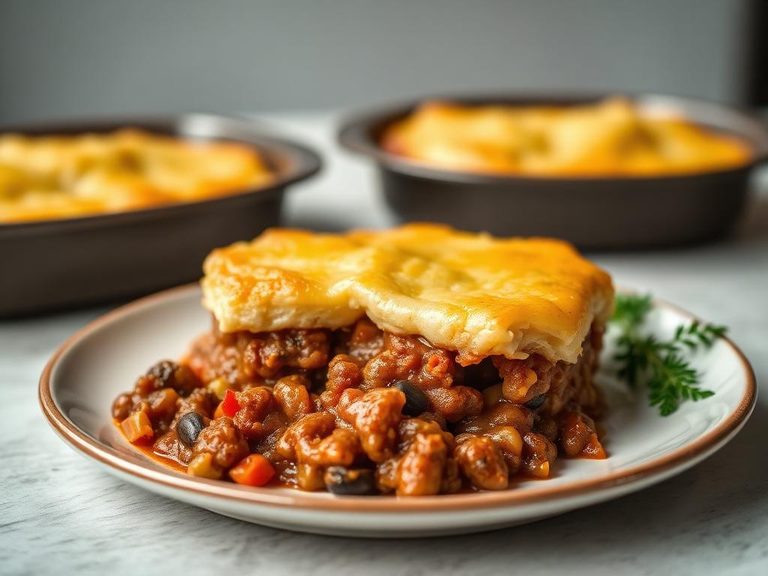

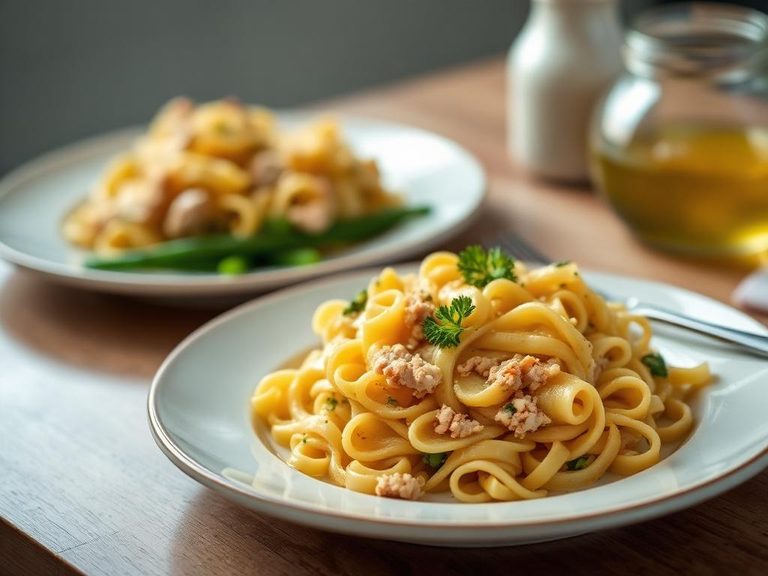
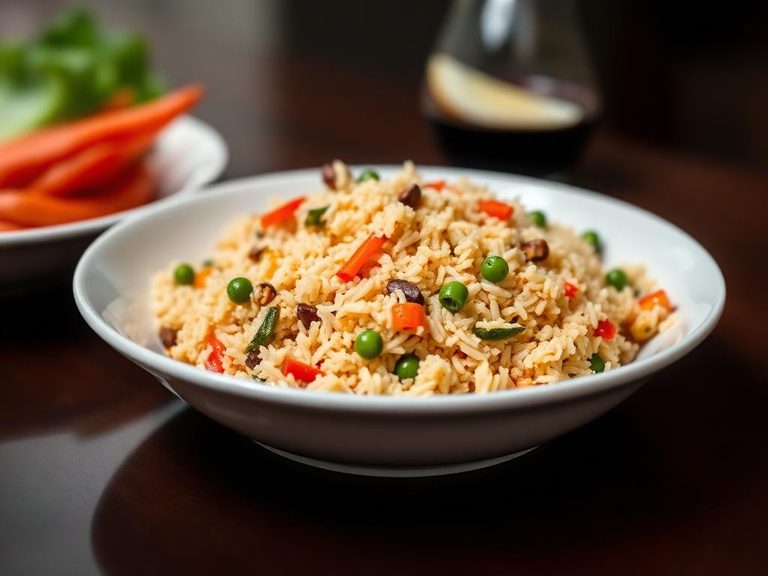
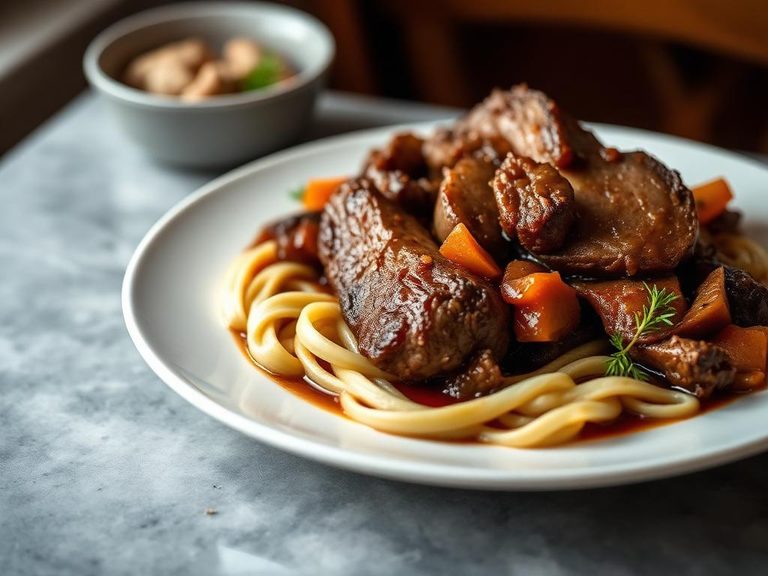
🌍 Where it's eaten
💡 Did you know?
The iconic 'peas and carrots' pairing became a widespread American pantry staple largely due to the development of efficient canning and freezing technologies in the early-to-mid 20th century, making this colorful mix available year-round.
Full nutrition (USDA data · scales with serving)
| Water | 87.6 g |
| Energy | 46.0 kcal |
| Protein | 2.6 g |
| Total lipid (fat) | 0.50 g |
| Carbohydrate, by difference | 8.4 g |
| Fiber, total dietary | 3.2 g |
| Total Sugars | 2.7 g |
| Calcium, Ca | 24.0 mg |
| Iron, Fe | 0.91 mg |
| Magnesium, Mg | 13.0 mg |
| Phosphorus, P | 46.0 mg |
| Potassium, K | 142 mg |
| Sodium, Na | 258 mg |
| Zinc, Zn | 0.46 mg |
| Copper, Cu | 0.10 mg |
| Selenium, Se | 1.0 ug |
| Vitamin C, total ascorbic acid | 3.1 mg |
| Thiamin | 0.06 mg |
| Riboflavin | 0.04 mg |
| Niacin | 0.77 mg |
| Vitamin B-6 | 0.08 mg |
| Folate, total | 19.0 ug |
| Folic acid | 0.00 ug |
| Folate, food | 19.0 ug |
| Folate, DFE | 19.0 ug |
| Choline, total | 18.2 mg |
| Vitamin B-12 | 0.00 ug |
| Vitamin B-12, added | 0.00 ug |
| Vitamin A, RAE | 300 ug |
| Retinol | 0.00 ug |
| Carotene, beta | 2922 ug |
| Carotene, alpha | 1376 ug |
| Cryptoxanthin, beta | 0.00 ug |
| Lycopene | 0.00 ug |
| Lutein + zeaxanthin | 675 ug |
| Vitamin E (alpha-tocopherol) | 0.56 mg |
| Vitamin E, added | 0.00 mg |
| Vitamin D (D2 + D3) | 0.00 ug |
| Vitamin K (phylloquinone) | 23.3 ug |
| Alcohol, ethyl | 0.00 g |
| Caffeine | 0.00 mg |
| Theobromine | 0.00 mg |
Fat & fatty acid profile (per 100g)
| Fatty acids, total saturated | 0.09 g |
| SFA 4:0 | 0.00 g |
| SFA 6:0 | 0.00 g |
| SFA 8:0 | 0.00 g |
| SFA 10:0 | 0.00 g |
| SFA 12:0 | 0.00 g |
| SFA 14:0 | 0.00 g |
| SFA 16:0 | 0.08 g |
| SFA 18:0 | 0.01 g |
| Fatty acids, total monounsaturated | 0.04 g |
| MUFA 16:1 | 0.00 g |
| MUFA 18:1 | 0.04 g |
| MUFA 20:1 | 0.00 g |
| MUFA 22:1 | 0.00 g |
| Fatty acids, total polyunsaturated | 0.23 g |
| PUFA 18:2 | 0.19 g |
| PUFA 18:3 | 0.04 g |
| PUFA 18:4 | 0.00 g |
| PUFA 20:4 | 0.00 g |
| PUFA 20:5 n-3 (EPA) | 0.00 g |
| PUFA 22:5 n-3 (DPA) | 0.00 g |
| PUFA 22:6 n-3 (DHA) | 0.00 g |
| Cholesterol | 0.00 mg |
Amino acid profile (per 100g)
Estimated from Peas and carrots, frozen, cooked, boiled, drained, without salt — USDA does not publish this profile for Peas and carrots.
| Tryptophan | 0.02 g |
| Threonine | 0.16 g |
| Isoleucine | 0.12 g |
| Leucine | 0.18 g |
| Lysine | 0.18 g |
| Methionine | 0.04 g |
| Cystine | 0.04 g |
| Phenylalanine | 0.11 g |
| Tyrosine | 0.07 g |
| Valine | 0.13 g |
| Arginine | 0.23 g |
| Histidine | 0.06 g |
| Alanine | 0.15 g |
| Aspartic acid | 0.29 g |
| Glutamic acid | 0.47 g |
| Glycine | 0.10 g |
| Proline | 0.10 g |
| Serine | 0.10 g |
FAQ
Is canned peas and carrots as nutritious as fresh?
Canning preserves most minerals and fiber but can reduce heat-sensitive vitamins like vitamin C. However, it makes vegetables accessible and affordable year-round. Rinsing can reduce sodium.
Why are canned peas and carrots sometimes mushy?
The canning process involves heating the vegetables to preserve them, which breaks down cell walls and softens the texture. Choosing brands that use smaller, younger vegetables can sometimes result in a better texture.
Can I eat this straight from the can?
Yes, it's fully cooked and safe to eat cold. However, it's most commonly heated and seasoned before serving as a side dish or ingredient.
Nutrient density (calculated · NRF9.3)
Nutrient Rich Foods index: beneficial nutrients (protein, fiber, vitamins, minerals) minus saturated fat, added sugar & sodium, per 100 kcal.
NRF9.3 index — Fulgoni, Keast & Drewnowski, 2009. Computed from USDA nutrients.
Weight-loss friendliness (composite index)
Energy density 0.46 kcal/g · 22% calories from protein · 3.2 g fiber · 2.7 g sugar per 100 g.
Composite of energy density (Rolls et al., 1999), protein & fiber satiety, minus sugar. A calculated heuristic — ranks satiety-per-calorie, not a clinical measure.
Dietary load (calculated from USDA values)
Potential renal acid load. Positive = acid-forming, negative = alkaline-forming.
Sodium-to-potassium ratio: 1.82 (lower is better — aim for ≤ 1)
Sodium:potassium per WHO potassium guidance. Computed from USDA nutrients.