

Milk dessert, frozen, milk-fat free, chocolate
Whole food · Sweets

Photo: Wikipedia
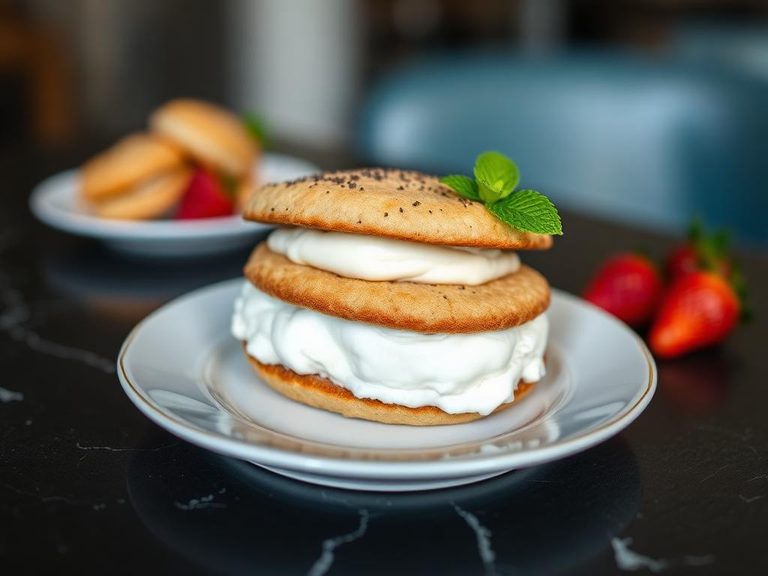
This is a light, airy frozen dairy dessert made with skim milk and chocolate flavoring, delivering a creamy, melt-on-the-tongue texture without any fat. It's a classic, lower-calorie treat that packs a significant sweet punch, with nearly all of its calories coming from sugar. Think of it as a refreshing, guilt-conscious scoop of frozen chocolate comfort.
Calorie split: 10% protein · 85% carbs · 5% fat
↓ Full nutrition💚 Why it's loved
People adore it for its intensely chocolatey, sweet flavor and smooth, scoopable texture that satisfies a dessert craving without the heaviness of fat. Its simplicity makes it a versatile canvas for toppings like hot fudge, sprinkles, or crushed cookies.
⚠️ Watch-outs & how to enjoy it better
The primary downside is its very high sugar content (37.7g per 100g), which can cause rapid blood-sugar spikes, making it a less ideal choice for those managing diabetes or insulin resistance. To enjoy it mindfully, practice strict portion control (e.g., a half-cup serving) and pair it with a source of protein or healthy fat, like a handful of almonds, to slow sugar absorption.
Key benefits
- Fat-free source of calcium and some protein
- Provides a quick source of energy from carbohydrates
- Lower in calories than premium, full-fat ice creams
- A refreshing treat for warm weather
- Often fortified with vitamins A and D
🍽️ Popular dishes
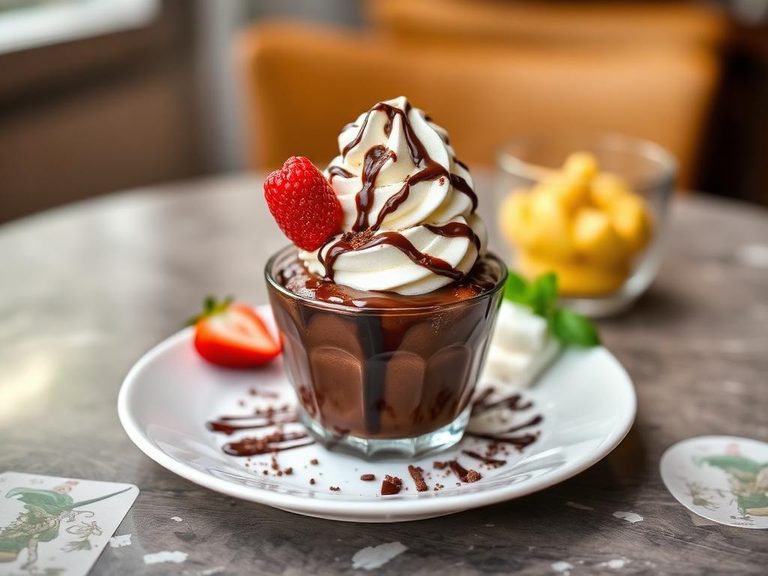
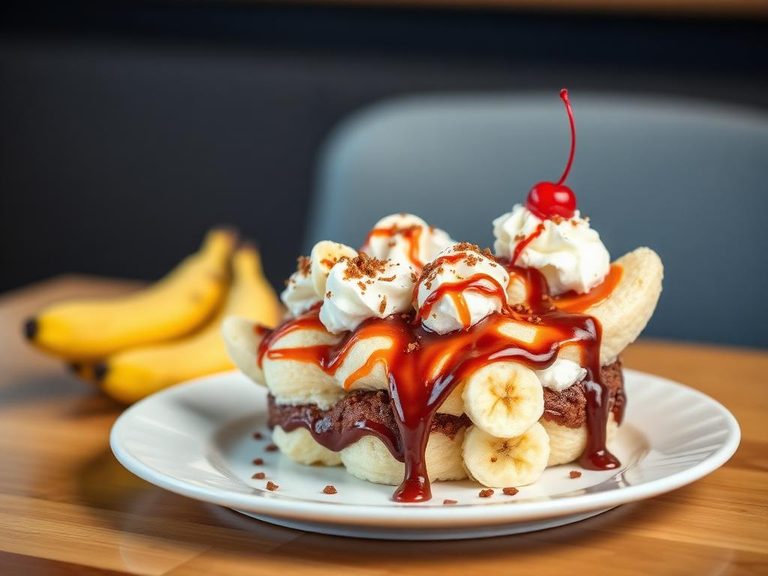
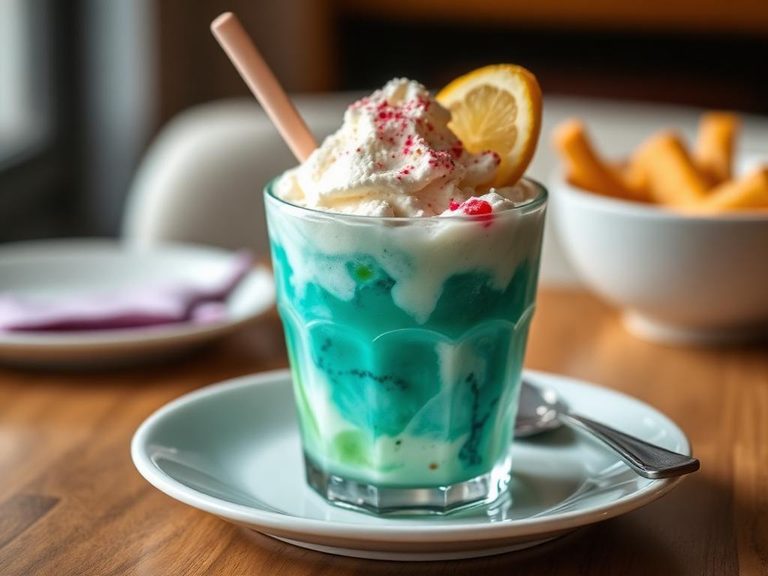

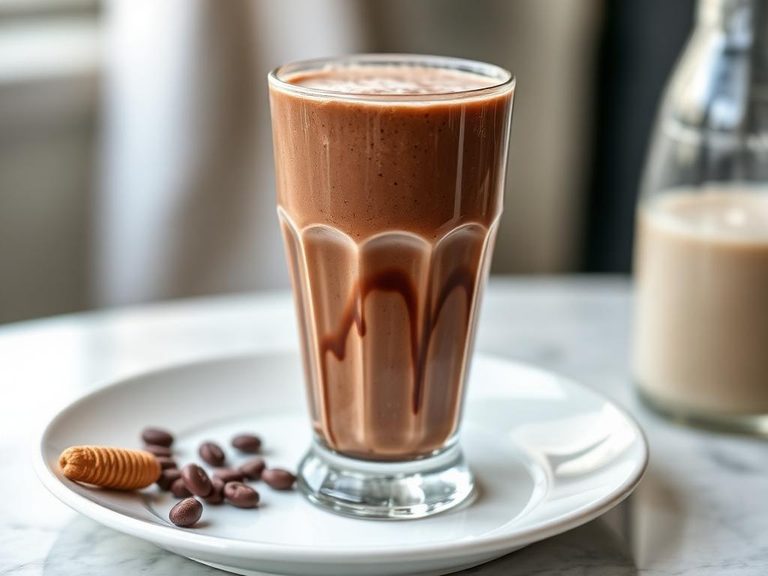
🌍 Where it's eaten
💡 Did you know?
The texture of fat-free frozen desserts can be icier than regular ice cream because fat normally helps form smaller ice crystals; manufacturers often add stabilizers like guar gum or carrageenan to mimic creaminess.
Full nutrition (USDA data · scales with serving)
| Water | 56.0 g |
| Energy | 167 kcal |
| Energy | 699 kj |
| Protein | 4.3 g |
| Total lipid (fat) | 1.0 g |
| Ash | 0.90 g |
| Carbohydrate, by difference | 37.7 g |
| Fiber, total dietary | 0.00 g |
| Total Sugars | 37.7 g |
| Calcium, Ca | 154 mg |
| Iron, Fe | 0.04 mg |
| Magnesium, Mg | 45.0 mg |
| Phosphorus, P | 123 mg |
| Potassium, K | 333 mg |
| Sodium, Na | 97.0 mg |
| Zinc, Zn | 0.47 mg |
| Copper, Cu | 0.01 mg |
| Selenium, Se | 2.6 ug |
| Vitamin C, total ascorbic acid | 0.70 mg |
| Thiamin | 0.05 mg |
| Riboflavin | 0.26 mg |
| Niacin | 0.10 mg |
| Vitamin B-6 | 0.04 mg |
| Folate, total | 6.0 ug |
| Folic acid | 0.00 ug |
| Folate, food | 6.0 ug |
| Folate, DFE | 6.0 ug |
| Choline, total | 0.90 mg |
| Vitamin B-12 | 0.55 ug |
| Vitamin B-12, added | 0.00 ug |
| Vitamin A, RAE | 2.0 ug |
| Retinol | 0.00 ug |
| Carotene, beta | 18.0 ug |
| Carotene, alpha | 0.00 ug |
| Cryptoxanthin, beta | 0.00 ug |
| Vitamin A, IU | 30.0 iu |
| Lycopene | 0.00 ug |
| Lutein + zeaxanthin | 0.00 ug |
| Vitamin E (alpha-tocopherol) | 0.00 mg |
| Vitamin E, added | 0.00 mg |
| Vitamin D (D2 + D3), International Units | 0.00 iu |
| Vitamin D (D2 + D3) | 0.00 ug |
| Vitamin D3 (cholecalciferol) | 0.00 ug |
| Vitamin K (phylloquinone) | 0.00 ug |
| Alcohol, ethyl | 0.00 g |
| Caffeine | 3.0 mg |
| Theobromine | 62.0 mg |
Fat & fatty acid profile (per 100g)
| Fatty acids, total saturated | 0.60 g |
| SFA 4:0 | 0.00 g |
| SFA 6:0 | 0.00 g |
| SFA 8:0 | 0.00 g |
| SFA 10:0 | 0.00 g |
| SFA 12:0 | 0.00 g |
| SFA 14:0 | 0.00 g |
| SFA 16:0 | 0.25 g |
| SFA 18:0 | 0.33 g |
| Fatty acids, total monounsaturated | 0.33 g |
| MUFA 16:1 | 0.00 g |
| MUFA 18:1 | 0.33 g |
| MUFA 20:1 | 0.00 g |
| MUFA 22:1 | 0.00 g |
| Fatty acids, total polyunsaturated | 0.03 g |
| PUFA 18:2 | 0.03 g |
| PUFA 18:3 | 0.00 g |
| PUFA 18:4 | 0.00 g |
| PUFA 20:4 | 0.00 g |
| PUFA 20:5 n-3 (EPA) | 0.00 g |
| PUFA 22:5 n-3 (DPA) | 0.00 g |
| PUFA 22:6 n-3 (DHA) | 0.00 g |
| Cholesterol | 0.00 mg |
Amino acid profile (per 100g)
Estimated from Dessert topping, powdered, 1.5 ounce prepared with 1/2 cup milk — USDA does not publish this profile for Milk dessert.
| Tryptophan | 0.07 g |
| Threonine | 0.16 g |
| Isoleucine | 0.20 g |
| Leucine | 0.32 g |
| Lysine | 0.20 g |
| Methionine | 0.09 g |
| Cystine | 0.02 g |
| Phenylalanine | 0.17 g |
| Tyrosine | 0.18 g |
| Valine | 0.23 g |
| Arginine | 0.10 g |
| Histidine | 0.09 g |
| Alanine | 0.11 g |
| Aspartic acid | 0.26 g |
| Glutamic acid | 0.76 g |
| Glycine | 0.08 g |
| Proline | 0.39 g |
| Serine | 0.15 g |
FAQ
Is this the same as chocolate frozen yogurt?
Not necessarily. While both can be low-fat, frozen yogurt is cultured and has a distinct tangy flavor from live bacterial cultures. This product is a standard frozen dairy dessert, which may or may not contain probiotics.
Why does it have 0g of fat?
It is made using skim milk and/or milk protein concentrates, with all milk fat removed during processing. This significantly reduces calories and saturated fat compared to regular ice cream.
Can I use this in baking?
It can be used in some recipes like milkshakes or smoothies, but its high water and sugar content can alter the texture of baked goods. It's generally not a direct substitute for full-fat ice cream or cream in recipes.
Nutrient density (calculated · NRF9.3)
Nutrient Rich Foods index: beneficial nutrients (protein, fiber, vitamins, minerals) minus saturated fat, added sugar & sodium, per 100 kcal.
NRF9.3 index — Fulgoni, Keast & Drewnowski, 2009. Computed from USDA nutrients.
Weight-loss friendliness (composite index)
Energy density 1.67 kcal/g · 10% calories from protein · 0.0 g fiber · 37.7 g sugar per 100 g.
Composite of energy density (Rolls et al., 1999), protein & fiber satiety, minus sugar. A calculated heuristic — ranks satiety-per-calorie, not a clinical measure.
Dietary load (calculated from USDA values)
Potential renal acid load. Positive = acid-forming, negative = alkaline-forming.
Sodium-to-potassium ratio: 0.29 (lower is better — aim for ≤ 1)
Sodium:potassium per WHO potassium guidance. Computed from USDA nutrients.