

Marmalade, orange
Whole food · Sweets

Photo: Wikipedia
A lustrous, jewel-toned preserve made from bitter Seville oranges, prized for its bittersweet flavor and delicate balance of sweet and tart. The texture is a smooth, spreadable gel studded with tender shreds of citrus peel. Nutritionally, it's a concentrated source of quick energy from carbohydrates, primarily sugar.
Calorie split: 0% protein · 100% carbs · 0% fat
↓ Full nutrition💚 Why it's loved
People adore its sophisticated bittersweet flavor profile that elevates simple toast or scones. It's a beloved cultural staple in British and Irish breakfasts, evoking a sense of tradition and comfort.
⚠️ Watch-outs & how to enjoy it better
Its very high sugar content (60g per 100g) can cause rapid blood-sugar spikes, making it unsuitable for diabetics or those monitoring sugar intake. To counteract this, always pair it with protein and fat—like spreading it on whole-grain toast with butter or full-fat yogurt—to slow sugar absorption. Use strict portion control, limiting to a single tablespoon.
Key benefits
- Quick source of energy from natural and added sugars
- Contains small amounts of vitamin C from orange peel
- The peel provides dietary fiber and flavonoids
- A traditional remedy for soothing sore throats
- Adds complex flavor to both sweet and savory dishes
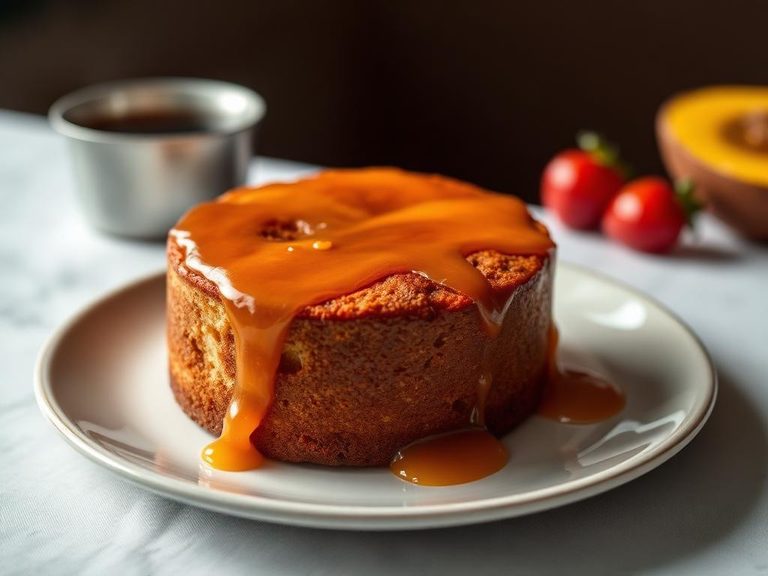
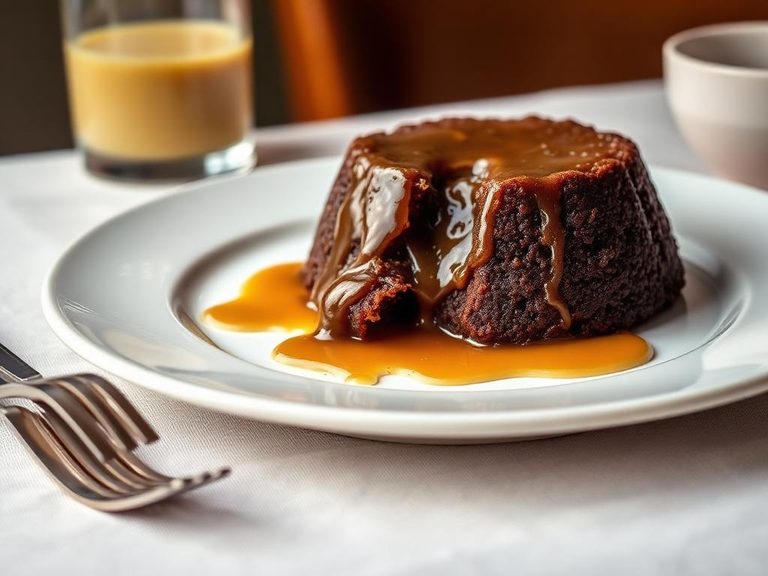
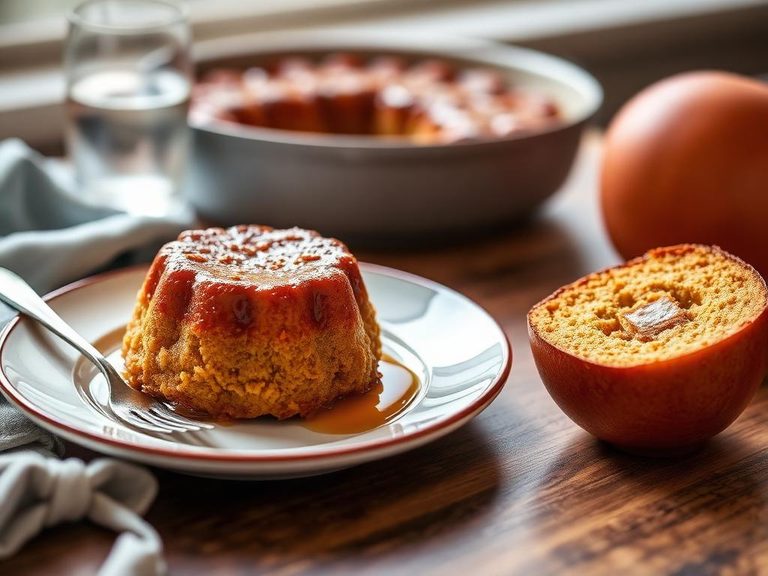
🍽️ Popular dishes
🌍 Where it's eaten
💡 Did you know?
The iconic 'Orange Marmalade' recipe was popularized by Keiller's of Dundee in the 18th century, and the tradition of using bitter Seville oranges is because their high pectin content ensures a perfect set without additives.
Full nutrition (USDA data · scales with serving)
| Water | 33.2 g |
| Energy | 246 kcal |
| Energy | 1029 kj |
| Protein | 0.30 g |
| Total lipid (fat) | 0.00 g |
| Ash | 0.20 g |
| Carbohydrate, by difference | 66.3 g |
| Fiber, total dietary | 0.70 g |
| Total Sugars | 60.0 g |
| Calcium, Ca | 38.0 mg |
| Iron, Fe | 0.15 mg |
| Magnesium, Mg | 2.0 mg |
| Phosphorus, P | 4.0 mg |
| Potassium, K | 37.0 mg |
| Sodium, Na | 56.0 mg |
| Zinc, Zn | 0.04 mg |
| Copper, Cu | 0.09 mg |
| Manganese, Mn | 0.02 mg |
| Selenium, Se | 0.60 ug |
| Vitamin C, total ascorbic acid | 4.8 mg |
| Thiamin | 0.01 mg |
| Riboflavin | 0.03 mg |
| Niacin | 0.05 mg |
| Pantothenic acid | 0.01 mg |
| Vitamin B-6 | 0.02 mg |
| Folate, total | 9.0 ug |
| Folic acid | 0.00 ug |
| Folate, food | 9.0 ug |
| Folate, DFE | 9.0 ug |
| Choline, total | 3.0 mg |
| Vitamin B-12 | 0.00 ug |
| Vitamin B-12, added | 0.00 ug |
| Vitamin A, RAE | 3.0 ug |
| Retinol | 0.00 ug |
| Carotene, beta | 15.0 ug |
| Carotene, alpha | 5.0 ug |
| Cryptoxanthin, beta | 38.0 ug |
| Vitamin A, IU | 62.0 iu |
| Lycopene | 0.00 ug |
| Lutein + zeaxanthin | 58.0 ug |
| Vitamin E (alpha-tocopherol) | 0.06 mg |
| Vitamin E, added | 0.00 mg |
| Vitamin D (D2 + D3), International Units | 0.00 iu |
| Vitamin D (D2 + D3) | 0.00 ug |
| Vitamin K (phylloquinone) | 0.00 ug |
| Alcohol, ethyl | 0.00 g |
| Caffeine | 0.00 mg |
| Theobromine | 0.00 mg |
Fat & fatty acid profile (per 100g)
| Fatty acids, total saturated | 0.00 g |
| SFA 4:0 | 0.00 g |
| SFA 6:0 | 0.00 g |
| SFA 8:0 | 0.00 g |
| SFA 10:0 | 0.00 g |
| SFA 12:0 | 0.00 g |
| SFA 14:0 | 0.00 g |
| SFA 16:0 | 0.00 g |
| SFA 18:0 | 0.00 g |
| Fatty acids, total monounsaturated | 0.00 g |
| MUFA 16:1 | 0.00 g |
| MUFA 18:1 | 0.00 g |
| MUFA 20:1 | 0.00 g |
| MUFA 22:1 | 0.00 g |
| Fatty acids, total polyunsaturated | 0.00 g |
| PUFA 18:2 | 0.00 g |
| PUFA 18:3 | 0.00 g |
| PUFA 18:4 | 0.00 g |
| PUFA 20:4 | 0.00 g |
| PUFA 20:5 n-3 (EPA) | 0.00 g |
| PUFA 22:5 n-3 (DPA) | 0.00 g |
| PUFA 22:6 n-3 (DHA) | 0.00 g |
| Cholesterol | 0.00 mg |
Amino acid profile (per 100g)
| Tryptophan | 0.00 g |
| Threonine | 0.01 g |
| Isoleucine | 0.01 g |
| Leucine | 0.01 g |
| Lysine | 0.01 g |
| Methionine | 0.01 g |
| Cystine | 0.00 g |
| Phenylalanine | 0.01 g |
| Tyrosine | 0.01 g |
| Valine | 0.01 g |
| Arginine | 0.02 g |
| Histidine | 0.01 g |
| Alanine | 0.02 g |
| Aspartic acid | 0.04 g |
| Glutamic acid | 0.03 g |
| Glycine | 0.03 g |
| Proline | 0.01 g |
| Serine | 0.01 g |
FAQ
What's the difference between marmalade and jam?
Marmalade is specifically made with citrus fruit and its peel, giving it a distinctive bittersweet flavor and shredded texture. Jam is made from other fruits and typically doesn't include the peel.
Why are Seville oranges used?
Seville (bitter) oranges are traditional because their peel is rich in pectin, which helps the marmalade set firmly. Their intense, bitter flavor also creates the classic marmalade taste.
How long does homemade marmalade last?
When properly sterilized and sealed, homemade marmalade can last for at least a year in a cool, dark place. Once opened, it should be refrigerated and used within a month.
Nutrient density (calculated · NRF9.3)
Nutrient Rich Foods index: beneficial nutrients (protein, fiber, vitamins, minerals) minus saturated fat, added sugar & sodium, per 100 kcal.
NRF9.3 index — Fulgoni, Keast & Drewnowski, 2009. Computed from USDA nutrients.
Weight-loss friendliness (composite index)
Energy density 2.46 kcal/g · 0% calories from protein · 0.7 g fiber · 60.0 g sugar per 100 g.
Composite of energy density (Rolls et al., 1999), protein & fiber satiety, minus sugar. A calculated heuristic — ranks satiety-per-calorie, not a clinical measure.
Dietary load (calculated from USDA values)
Potential renal acid load. Positive = acid-forming, negative = alkaline-forming.
Sodium-to-potassium ratio: 1.51 (lower is better — aim for ≤ 1)
Sodium:potassium per WHO potassium guidance. Computed from USDA nutrients.