

Fruit juice drink
Common food
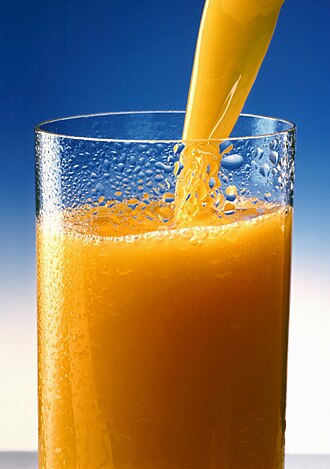
Photo: Wikipedia
Fruit juice drink is a light, sweetened beverage designed for hydration and a quick flavor boost, typically made from fruit concentrate, water, and added sugars. It has a thin, watery texture and a bright, often artificial fruit taste, providing a mere 10 kcal per 100g with negligible protein, fat, or fiber. Its primary nutritional contribution is a small hit of simple carbohydrates, making it a low-calorie option for those seeking a sweet, refreshing drink without the density of pure juice.
Calorie split: 0% protein · 100% carbs · 0% fat
↓ Full nutrition💚 Why it's loved
People love it for its immediate, refreshing sweetness and the nostalgic comfort of familiar fruit flavors, which can be more appealing than plain water. Its versatility allows it to be enjoyed chilled, used as a mixer in cocktails, or incorporated into light desserts, making it a staple in many households and social gatherings.
⚠️ Watch-outs & how to enjoy it better
The primary downside is its high sugar content, which can cause rapid blood-sugar spikes, especially for individuals with diabetes or insulin resistance. To counteract this, pair it with a source of protein or healthy fat (like a handful of nuts or yogurt) to slow sugar absorption, and practice strict portion control by limiting intake to 100-150ml per serving. Additionally, some brands may contain artificial additives or preservatives, so choosing varieties with minimal ingredients and no added sugars can mitigate these concerns.
Key benefits
- Provides quick energy from simple carbohydrates
- Low in calories, making it suitable for calorie-conscious diets
- Serves as a palatable hydration option for those who dislike plain water
- Often fortified with vitamin C, offering a minor antioxidant boost
- Convenient and shelf-stable for on-the-go consumption
🍽️ Popular dishes
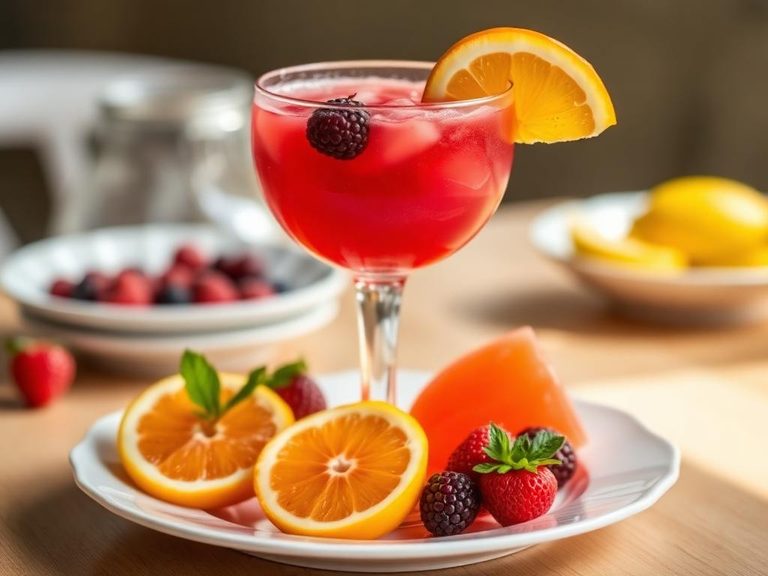
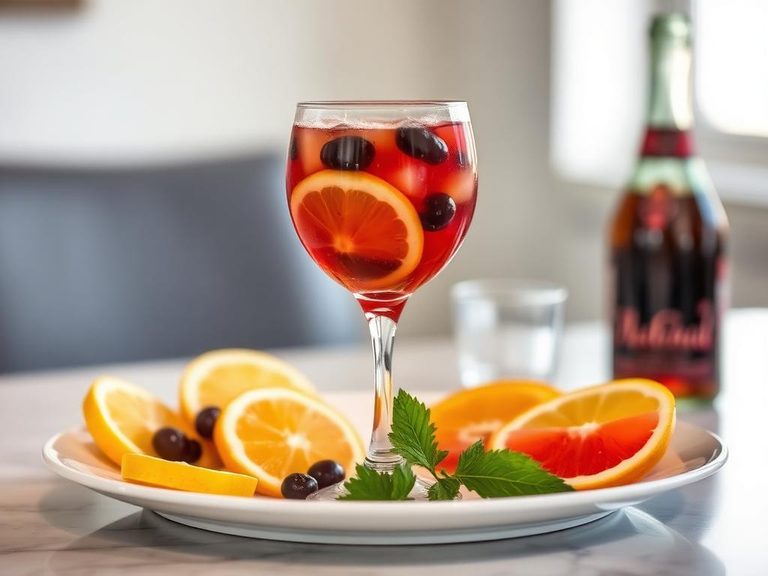
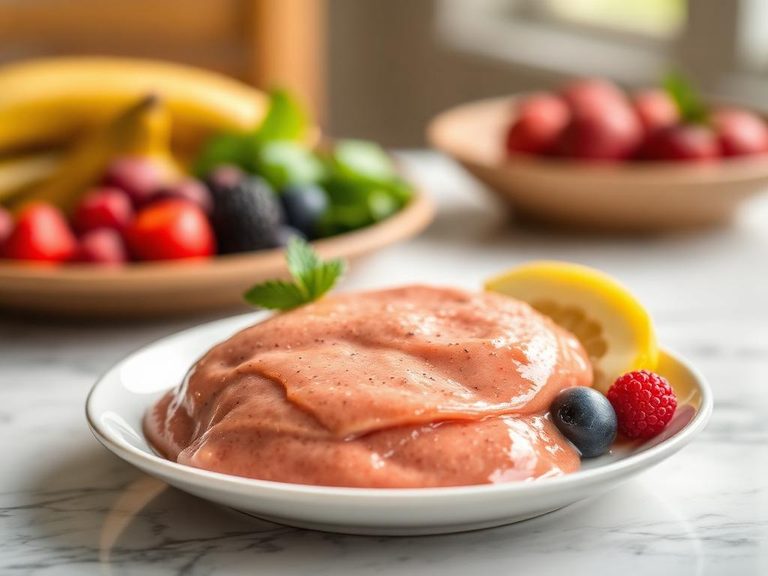
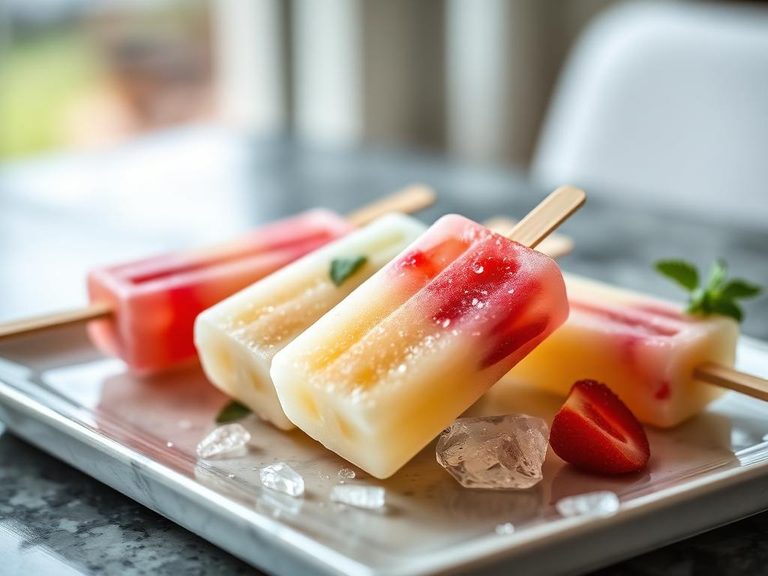
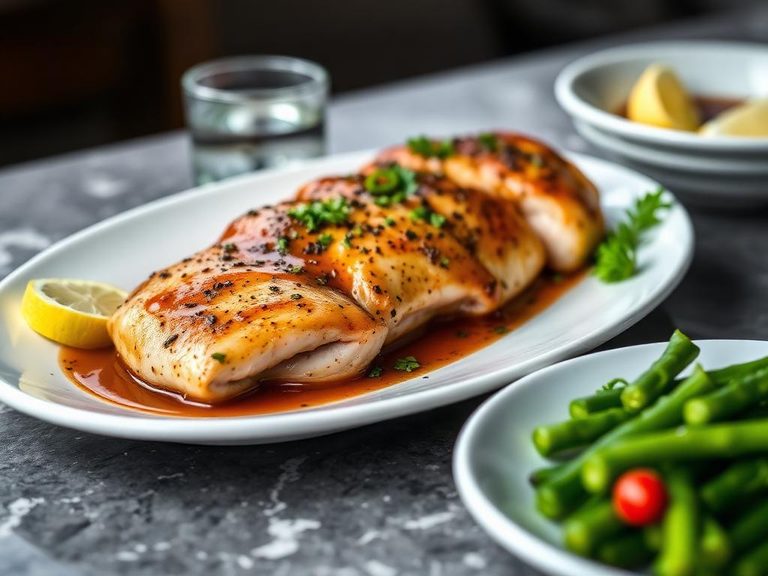
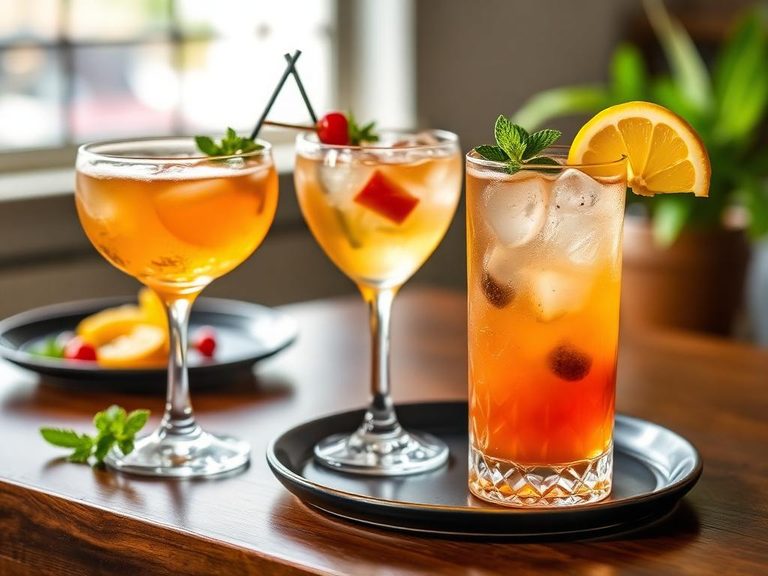
🌍 Where it's eaten
💡 Did you know?
The first commercial fruit juice drink was created in 1869 by Dr. Thomas B. Welch, who used pasteurization to prevent fermentation, but it was originally marketed as a non-alcoholic wine for church services.
Full nutrition (USDA data · scales with serving)
| Water | 97.5 g |
| Energy | 10.0 kcal |
| Protein | 0.00 g |
| Total lipid (fat) | 0.00 g |
| Carbohydrate, by difference | 2.5 g |
| Fiber, total dietary | 0.00 g |
| Total Sugars | 2.5 g |
| Calcium, Ca | 0.00 mg |
| Iron, Fe | 0.00 mg |
| Magnesium, Mg | 0.00 mg |
| Phosphorus, P | 0.00 mg |
| Potassium, K | 0.00 mg |
| Sodium, Na | 13.0 mg |
| Zinc, Zn | 0.00 mg |
| Copper, Cu | 0.00 mg |
| Selenium, Se | 0.00 ug |
| Vitamin C, total ascorbic acid | 0.00 mg |
| Thiamin | 0.00 mg |
| Riboflavin | 0.00 mg |
| Niacin | 0.00 mg |
| Vitamin B-6 | 0.00 mg |
| Folate, total | 0.00 ug |
| Folic acid | 0.00 ug |
| Folate, food | 0.00 ug |
| Folate, DFE | 0.00 ug |
| Choline, total | 0.00 mg |
| Vitamin B-12 | 0.00 ug |
| Vitamin B-12, added | 0.00 ug |
| Vitamin A, RAE | 0.00 ug |
| Retinol | 0.00 ug |
| Carotene, beta | 0.00 ug |
| Carotene, alpha | 0.00 ug |
| Cryptoxanthin, beta | 0.00 ug |
| Lycopene | 0.00 ug |
| Lutein + zeaxanthin | 0.00 ug |
| Vitamin E (alpha-tocopherol) | 0.00 mg |
| Vitamin E, added | 0.00 mg |
| Vitamin D (D2 + D3) | 0.00 ug |
| Vitamin K (phylloquinone) | 0.00 ug |
| Alcohol, ethyl | 0.00 g |
| Caffeine | 0.00 mg |
| Theobromine | 0.00 mg |
Fat & fatty acid profile (per 100g)
| Fatty acids, total saturated | 0.00 g |
| SFA 4:0 | 0.00 g |
| SFA 6:0 | 0.00 g |
| SFA 8:0 | 0.00 g |
| SFA 10:0 | 0.00 g |
| SFA 12:0 | 0.00 g |
| SFA 14:0 | 0.00 g |
| SFA 16:0 | 0.00 g |
| SFA 18:0 | 0.00 g |
| Fatty acids, total monounsaturated | 0.00 g |
| MUFA 16:1 | 0.00 g |
| MUFA 18:1 | 0.00 g |
| MUFA 20:1 | 0.00 g |
| MUFA 22:1 | 0.00 g |
| Fatty acids, total polyunsaturated | 0.00 g |
| PUFA 18:2 | 0.00 g |
| PUFA 18:3 | 0.00 g |
| PUFA 18:4 | 0.00 g |
| PUFA 20:4 | 0.00 g |
| PUFA 20:5 n-3 (EPA) | 0.00 g |
| PUFA 22:5 n-3 (DPA) | 0.00 g |
| PUFA 22:6 n-3 (DHA) | 0.00 g |
| Cholesterol | 0.00 mg |
Amino acid profile (per 100g)
Estimated from Babyfood, juice treats, fruit medley, toddler — USDA does not publish this profile for Fruit juice drink.
| Tryptophan | 0.00 g |
| Threonine | 0.00 g |
| Isoleucine | 0.00 g |
| Leucine | 0.00 g |
| Lysine | 0.00 g |
| Methionine | 0.00 g |
| Cystine | 0.00 g |
| Phenylalanine | 0.00 g |
| Tyrosine | 0.00 g |
| Valine | 0.00 g |
| Arginine | 0.00 g |
| Histidine | 0.00 g |
| Alanine | 0.00 g |
| Aspartic acid | 0.00 g |
| Glutamic acid | 0.00 g |
| Glycine | 0.00 g |
| Proline | 0.00 g |
| Serine | 0.00 g |
FAQ
Is fruit juice drink the same as 100% fruit juice?
No, fruit juice drink typically contains a lower percentage of actual fruit juice, often diluted with water and sweetened with added sugars, whereas 100% fruit juice is made solely from fruit with no added water or sugars.
Can fruit juice drink be part of a healthy diet?
Yes, in moderation, it can be part of a balanced diet, especially if chosen with no added sugars and consumed alongside meals to minimize blood-sugar spikes.
How does it compare nutritionally to whole fruit?
Fruit juice drink lacks the fiber, vitamins, and minerals found in whole fruit, offering only simple sugars and minimal nutrients, so whole fruit is generally a healthier choice for sustained energy and digestion.
Nutrient density (calculated · NRF9.3)
Nutrient Rich Foods index: beneficial nutrients (protein, fiber, vitamins, minerals) minus saturated fat, added sugar & sodium, per 100 kcal.
NRF9.3 index — Fulgoni, Keast & Drewnowski, 2009. Computed from USDA nutrients.
Weight-loss friendliness (composite index)
Energy density 0.10 kcal/g · 0% calories from protein · 0.0 g fiber · 2.5 g sugar per 100 g.
Composite of energy density (Rolls et al., 1999), protein & fiber satiety, minus sugar. A calculated heuristic — ranks satiety-per-calorie, not a clinical measure.
Dietary load (calculated from USDA values)
Potential renal acid load. Positive = acid-forming, negative = alkaline-forming.
Sodium:potassium per WHO potassium guidance. Computed from USDA nutrients.