

Fish, shark
Common food

Photo: Wikipedia
Shark meat is a firm, dense white fish with a mild, slightly sweet flavor and a meaty texture that holds up well to grilling, frying, or stewing. It's a lean protein powerhouse, offering over 23g of protein per 100g with minimal fat and carbs. Its dense muscle fibers make it a satisfying, substantial seafood option.
Calorie split: 44% protein · 15% carbs · 41% fat
↓ Full nutrition💚 Why it's loved
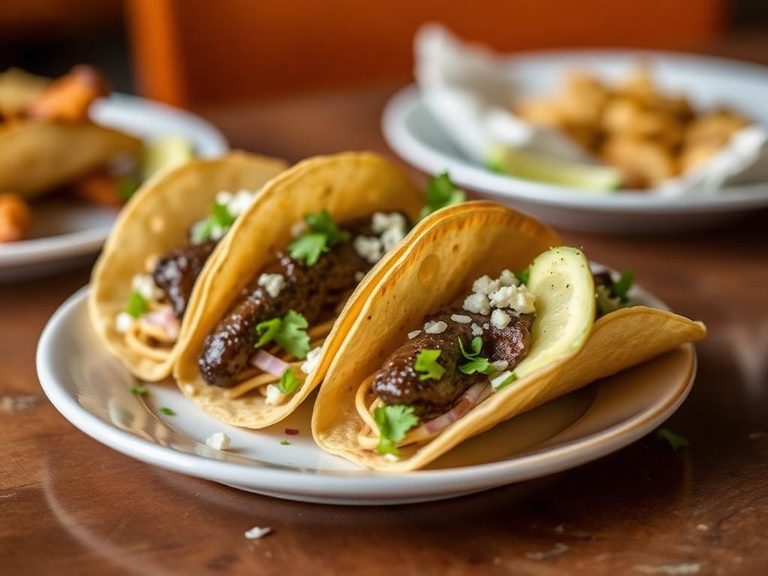
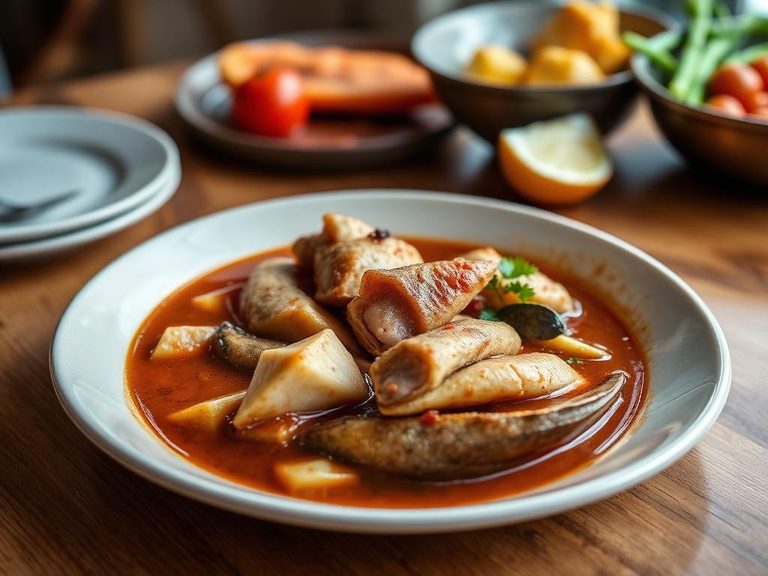
People love shark for its uniquely firm, steak-like texture that doesn't flake apart, making it ideal for dishes like fish tacos, kebabs, or curries where the fish needs to hold its shape. Its mild flavor also acts as a blank canvas for bold spices and marinades.
⚠️ Watch-outs & how to enjoy it better
Shark is a top predator, so it can accumulate higher levels of mercury and environmental toxins; pregnant women, nursing mothers, and young children should limit consumption. To mitigate risk, source from smaller, younger sharks (like blacktip or dogfish) and limit portion size to a few ounces per week. Always cook thoroughly to eliminate any potential parasites.
Key benefits
- Excellent source of high-quality protein for muscle maintenance.
- Very low in carbohydrates and sugar, suitable for low-carb diets.
- Contains omega-3 fatty acids, though less than oily fish.
- Good source of B vitamins like niacin and B12.
- Provides minerals like selenium and phosphorus.
🍽️ Popular dishes
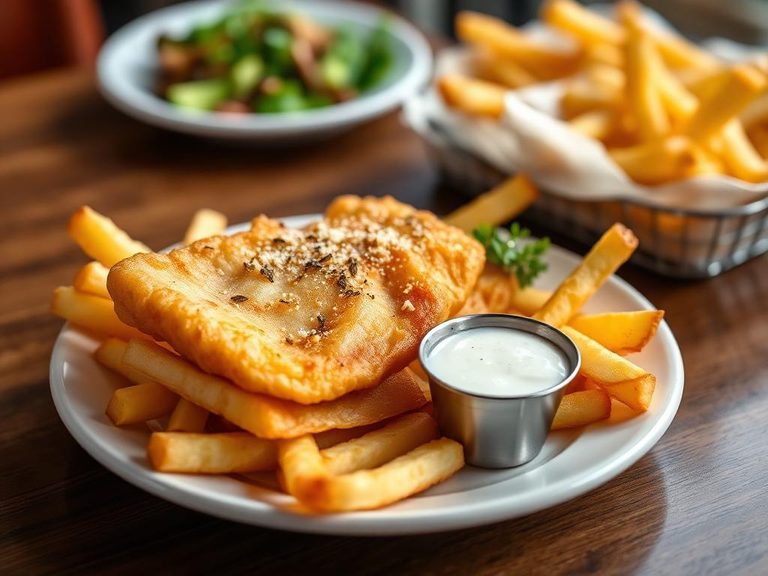
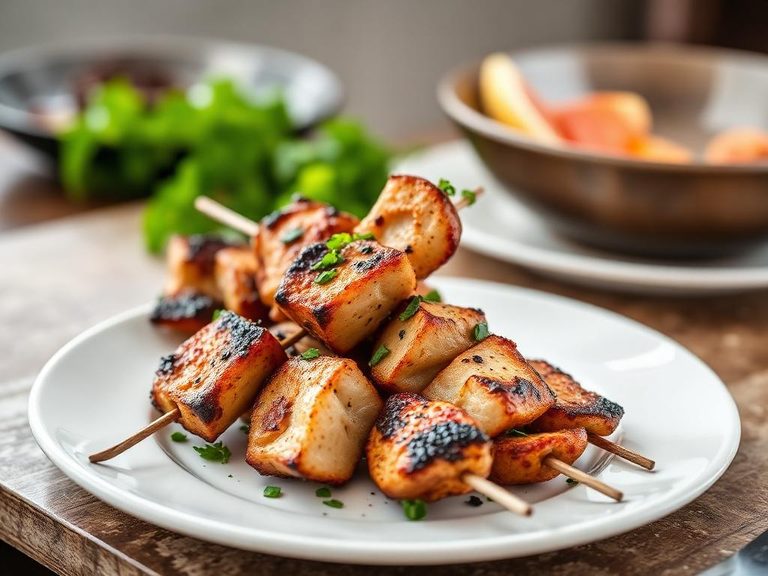
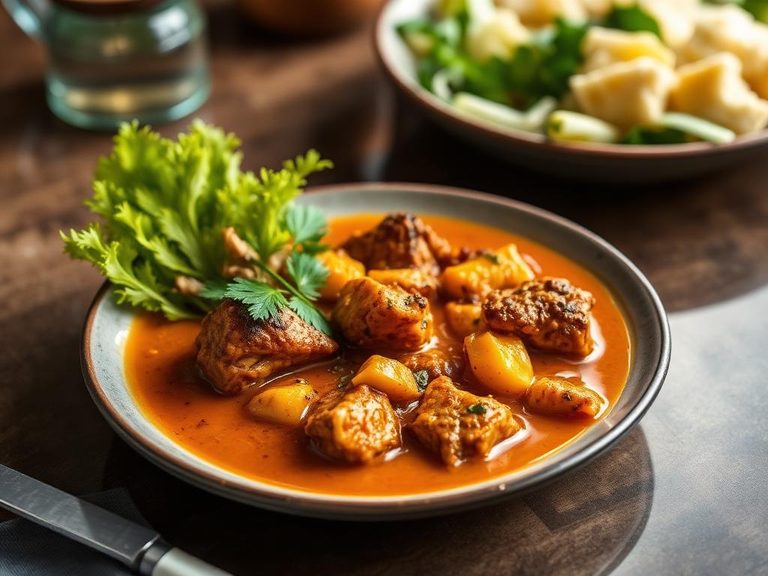
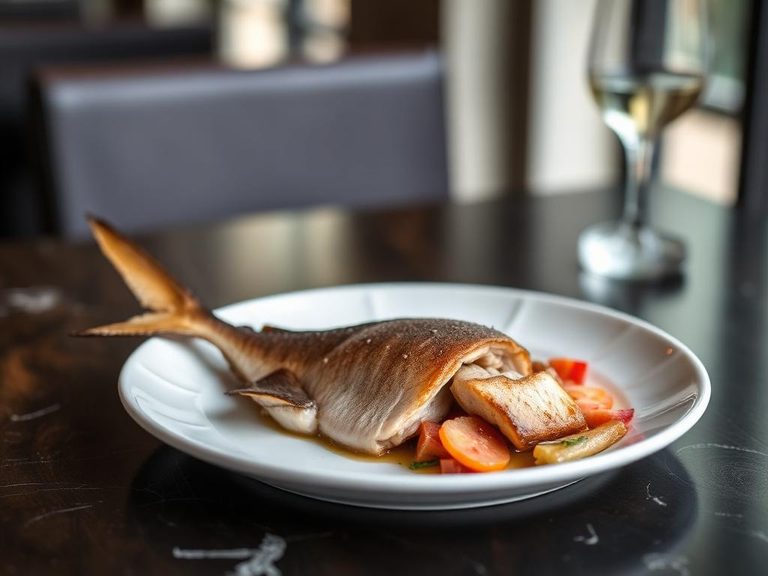
🌍 Where it's eaten
💡 Did you know?
In some cultures, the fins are the most prized part for shark fin soup, but the body meat was historically considered a byproduct and often fed to animals or used for pet food.
Full nutrition (USDA data · scales with serving)
| Water | 57.6 g |
| Energy | 216 kcal |
| Protein | 23.3 g |
| Total lipid (fat) | 9.6 g |
| Carbohydrate, by difference | 7.8 g |
| Fiber, total dietary | 0.30 g |
| Total Sugars | 0.14 g |
| Calcium, Ca | 46.0 mg |
| Iron, Fe | 1.5 mg |
| Magnesium, Mg | 55.0 mg |
| Phosphorus, P | 236 mg |
| Potassium, K | 184 mg |
| Sodium, Na | 346 mg |
| Zinc, Zn | 0.55 mg |
| Copper, Cu | 0.05 mg |
| Selenium, Se | 40.3 ug |
| Vitamin C, total ascorbic acid | 0.00 mg |
| Thiamin | 0.13 mg |
| Riboflavin | 0.11 mg |
| Niacin | 3.8 mg |
| Vitamin B-6 | 0.41 mg |
| Folate, total | 19.0 ug |
| Folic acid | 13.0 ug |
| Folate, food | 6.0 ug |
| Folate, DFE | 28.0 ug |
| Choline, total | 73.0 mg |
| Vitamin B-12 | 1.4 ug |
| Vitamin B-12, added | 0.00 ug |
| Vitamin A, RAE | 84.0 ug |
| Retinol | 84.0 ug |
| Carotene, beta | 9.0 ug |
| Carotene, alpha | 0.00 ug |
| Cryptoxanthin, beta | 0.00 ug |
| Lycopene | 0.00 ug |
| Lutein + zeaxanthin | 7.0 ug |
| Vitamin E (alpha-tocopherol) | 1.7 mg |
| Vitamin E, added | 0.00 mg |
| Vitamin D (D2 + D3) | 0.70 ug |
| Vitamin K (phylloquinone) | 4.0 ug |
| Alcohol, ethyl | 0.00 g |
| Caffeine | 0.00 mg |
| Theobromine | 0.00 mg |
Fat & fatty acid profile (per 100g)
| Fatty acids, total saturated | 2.2 g |
| SFA 4:0 | 0.03 g |
| SFA 6:0 | 0.02 g |
| SFA 8:0 | 0.01 g |
| SFA 10:0 | 0.03 g |
| SFA 12:0 | 0.04 g |
| SFA 14:0 | 0.20 g |
| SFA 16:0 | 1.5 g |
| SFA 18:0 | 0.38 g |
| Fatty acids, total monounsaturated | 3.6 g |
| MUFA 16:1 | 0.29 g |
| MUFA 18:1 | 2.6 g |
| MUFA 20:1 | 0.30 g |
| MUFA 22:1 | 0.33 g |
| Fatty acids, total polyunsaturated | 2.6 g |
| PUFA 18:2 | 1.3 g |
| PUFA 18:3 | 0.18 g |
| PUFA 18:4 | 0.03 g |
| PUFA 20:4 | 0.12 g |
| PUFA 20:5 n-3 (EPA) | 0.33 g |
| PUFA 22:5 n-3 (DPA) | 0.12 g |
| PUFA 22:6 n-3 (DHA) | 0.55 g |
| Cholesterol | 61.0 mg |
Amino acid profile (per 100g)
Estimated from Fish, fish sticks, frozen, prepared — USDA does not publish this profile for Fish.
| Tryptophan | 0.12 g |
| Threonine | 0.37 g |
| Isoleucine | 0.43 g |
| Leucine | 0.85 g |
| Lysine | 0.80 g |
| Methionine | 0.30 g |
| Phenylalanine | 0.47 g |
| Tyrosine | 0.29 g |
| Valine | 0.50 g |
| Arginine | 0.59 g |
| Histidine | 0.23 g |
| Alanine | 0.55 g |
| Aspartic acid | 0.82 g |
| Glutamic acid | 2.3 g |
| Glycine | 0.47 g |
| Proline | 0.78 g |
| Serine | 0.49 g |
| Hydroxyproline | 0.00 g |
FAQ
Is shark meat safe to eat?
It is consumed in many parts of the world, but due to its position as an apex predator, it can contain higher levels of mercury and other contaminants. Consumption should be moderate, and sourcing from sustainable fisheries is recommended.
What does shark taste like?
Shark has a mild, slightly sweet flavor similar to other firm white fish like swordfish or monkfish, but with a denser, meatier texture that doesn't flake easily.
How is shark meat typically prepared?
Because of its firm texture, it's excellent for grilling, frying, or using in stews and curries. It's often marinated or soaked in milk or vinegar to reduce any strong ammonia-like smell.
Nutrient density (calculated · NRF9.3)
Nutrient Rich Foods index: beneficial nutrients (protein, fiber, vitamins, minerals) minus saturated fat, added sugar & sodium, per 100 kcal.
NRF9.3 index — Fulgoni, Keast & Drewnowski, 2009. Computed from USDA nutrients.
Weight-loss friendliness (composite index)
Energy density 2.16 kcal/g · 43% calories from protein · 0.3 g fiber · 0.1 g sugar per 100 g.
Composite of energy density (Rolls et al., 1999), protein & fiber satiety, minus sugar. A calculated heuristic — ranks satiety-per-calorie, not a clinical measure.
Dietary load (calculated from USDA values)
Potential renal acid load. Positive = acid-forming, negative = alkaline-forming.
Sodium-to-potassium ratio: 1.88 (lower is better — aim for ≤ 1)
Sodium:potassium per WHO potassium guidance. Computed from USDA nutrients.