

Fish, salmon, NFS
Common food
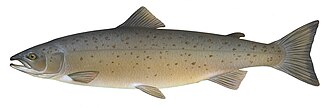
Photo: Wikipedia
Salmon is a rich, oily fish prized for its deep pink-to-orange flesh and a flavor that ranges from buttery and mild to robustly savory, depending on the species. Its texture is tender and flaky, with a satisfying melt-in-your-mouth quality when cooked properly. Nutritionally, it is a powerhouse of high-quality protein and heart-healthy omega-3 fatty acids, with virtually zero carbohydrates.
Calorie split: 38% protein · 0% carbs · 62% fat
↓ Full nutrition💚 Why it's loved
People love salmon for its rich, satisfying flavor that pairs beautifully with a wide array of seasonings, from simple dill and lemon to complex glazes. Its versatility in the kitchen—equally good grilled, baked, poached, or pan-seared—makes it a staple for both quick weeknight dinners and elegant meals.
⚠️ Watch-outs & how to enjoy it better
Some may be cautious due to potential environmental contaminants like mercury or PCBs, particularly in certain wild or farmed sources. To mitigate this, choose salmon from well-managed fisheries (look for MSC certification) and vary your seafood intake. Others might find the strong flavor or fatty texture unappealing; pairing it with bright, acidic elements like a citrus salsa or pickled onions can cut through the richness.
Key benefits
- Excellent source of complete, high-quality protein for muscle maintenance.
- Rich in long-chain omega-3 fatty acids (EPA and DHA) for heart and brain health.
- Provides a significant amount of vitamin D, especially wild-caught varieties.
- Good source of selenium, an important antioxidant mineral.
- Naturally low in carbohydrates and sugars.
🍽️ Popular dishes
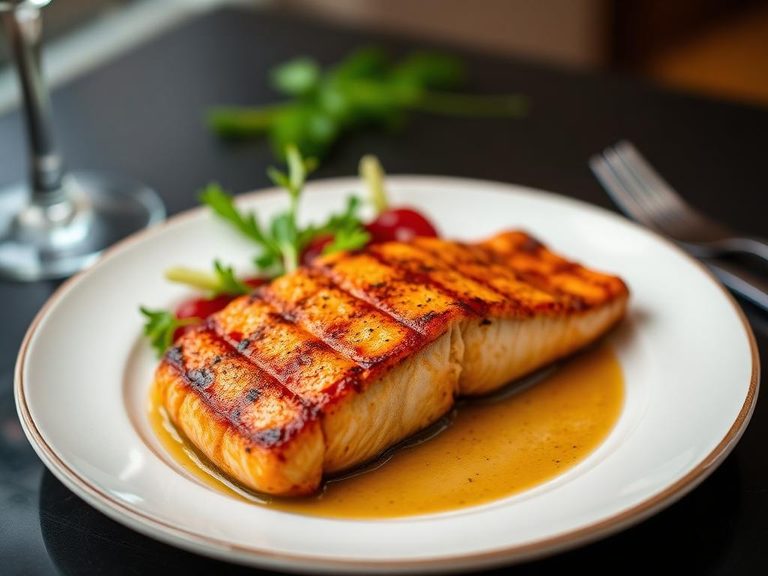
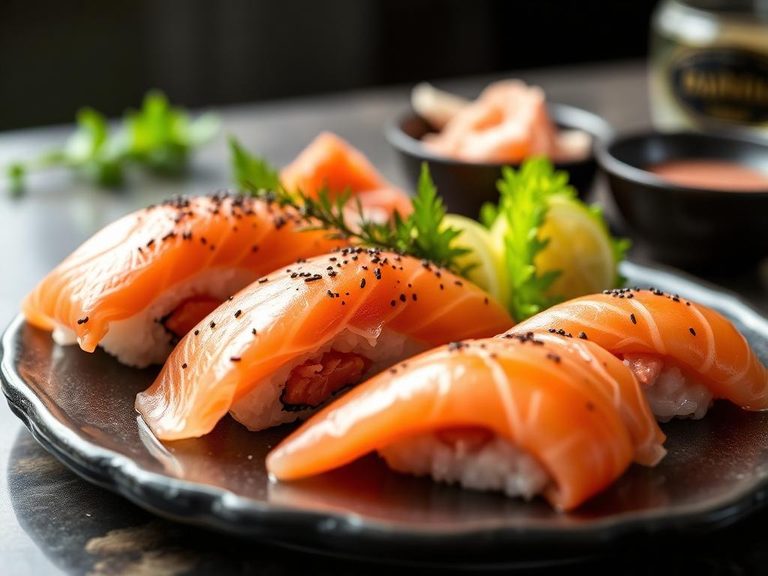
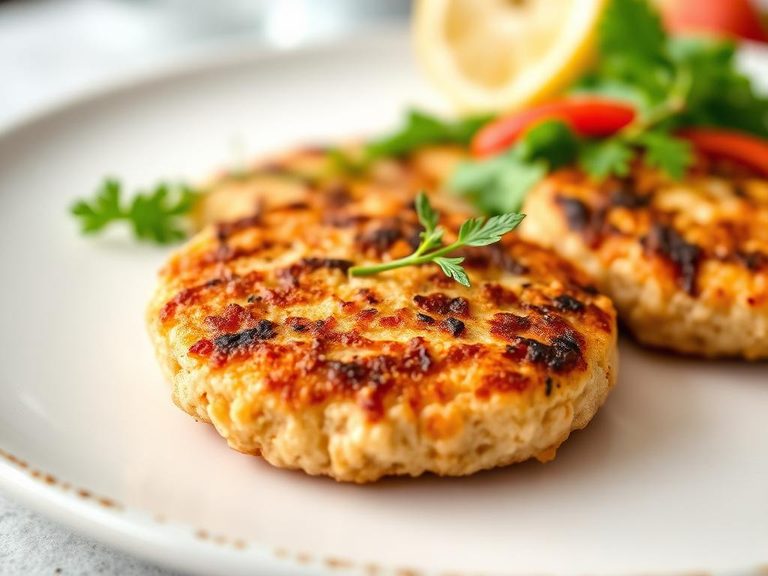
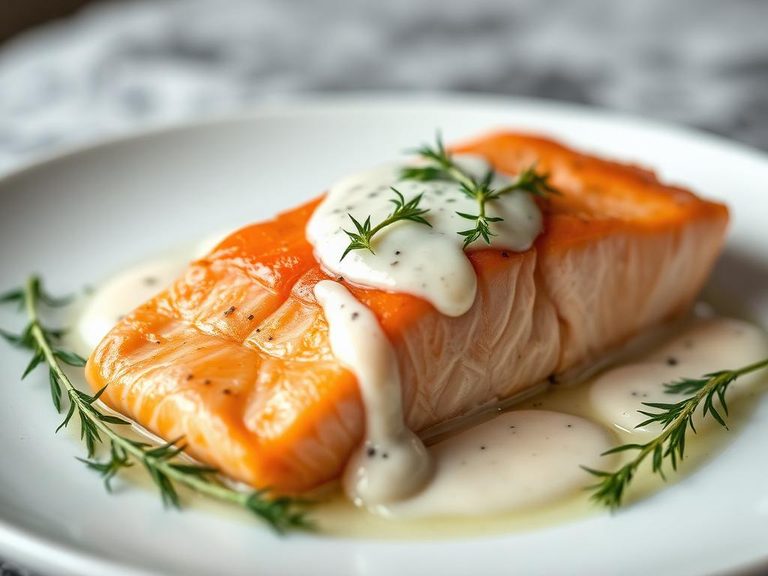
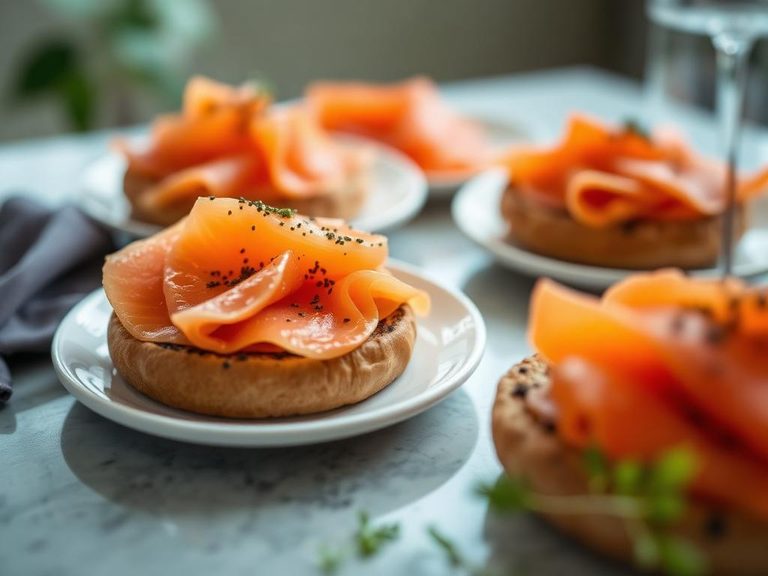

🌍 Where it's eaten
💡 Did you know?
The pink color of salmon flesh comes from a pigment called astaxanthin, which they obtain from eating krill and shrimp; farmed salmon are often given this pigment in their feed to maintain the color consumers expect.
Full nutrition (USDA data · scales with serving)
| Water | 54.6 g |
| Energy | 274 kcal |
| Protein | 25.4 g |
| Total lipid (fat) | 18.4 g |
| Carbohydrate, by difference | 0.01 g |
| Fiber, total dietary | 0.00 g |
| Total Sugars | 0.01 g |
| Calcium, Ca | 11.0 mg |
| Iron, Fe | 0.44 mg |
| Magnesium, Mg | 34.0 mg |
| Phosphorus, P | 305 mg |
| Potassium, K | 452 mg |
| Sodium, Na | 294 mg |
| Zinc, Zn | 0.46 mg |
| Copper, Cu | 0.06 mg |
| Selenium, Se | 32.1 ug |
| Vitamin C, total ascorbic acid | 2.9 mg |
| Thiamin | 0.18 mg |
| Riboflavin | 0.17 mg |
| Niacin | 10.6 mg |
| Vitamin B-6 | 0.73 mg |
| Folate, total | 23.0 ug |
| Folic acid | 0.00 ug |
| Folate, food | 23.0 ug |
| Folate, DFE | 23.0 ug |
| Choline, total | 103 mg |
| Vitamin B-12 | 3.9 ug |
| Vitamin B-12, added | 0.00 ug |
| Vitamin A, RAE | 75.0 ug |
| Retinol | 75.0 ug |
| Carotene, beta | 9.0 ug |
| Carotene, alpha | 0.00 ug |
| Cryptoxanthin, beta | 0.00 ug |
| Lycopene | 0.00 ug |
| Lutein + zeaxanthin | 0.00 ug |
| Vitamin E (alpha-tocopherol) | 4.1 mg |
| Vitamin E, added | 0.00 mg |
| Vitamin D (D2 + D3) | 13.7 ug |
| Vitamin K (phylloquinone) | 4.3 ug |
| Alcohol, ethyl | 0.00 g |
| Caffeine | 0.00 mg |
| Theobromine | 0.00 mg |
Fat & fatty acid profile (per 100g)
| Fatty acids, total saturated | 4.3 g |
| SFA 4:0 | 0.03 g |
| SFA 6:0 | 0.02 g |
| SFA 8:0 | 0.01 g |
| SFA 10:0 | 0.03 g |
| SFA 12:0 | 0.04 g |
| SFA 14:0 | 0.69 g |
| SFA 16:0 | 2.5 g |
| SFA 18:0 | 0.73 g |
| Fatty acids, total monounsaturated | 5.5 g |
| MUFA 16:1 | 0.82 g |
| MUFA 18:1 | 4.3 g |
| MUFA 20:1 | 0.41 g |
| MUFA 22:1 | 0.01 g |
| Fatty acids, total polyunsaturated | 5.2 g |
| PUFA 18:2 | 2.0 g |
| PUFA 18:3 | 0.32 g |
| PUFA 18:4 | 0.14 g |
| PUFA 20:4 | 0.09 g |
| PUFA 20:5 n-3 (EPA) | 0.86 g |
| PUFA 22:5 n-3 (DPA) | 0.38 g |
| PUFA 22:6 n-3 (DHA) | 1.1 g |
| Cholesterol | 69.0 mg |
Amino acid profile (per 100g)
Estimated from Fish, fish sticks, frozen, prepared — USDA does not publish this profile for Fish.
| Tryptophan | 0.12 g |
| Threonine | 0.37 g |
| Isoleucine | 0.43 g |
| Leucine | 0.85 g |
| Lysine | 0.80 g |
| Methionine | 0.30 g |
| Phenylalanine | 0.47 g |
| Tyrosine | 0.29 g |
| Valine | 0.50 g |
| Arginine | 0.59 g |
| Histidine | 0.23 g |
| Alanine | 0.55 g |
| Aspartic acid | 0.82 g |
| Glutamic acid | 2.3 g |
| Glycine | 0.47 g |
| Proline | 0.78 g |
| Serine | 0.49 g |
| Hydroxyproline | 0.00 g |
FAQ
What's the difference between wild-caught and farmed salmon?
Wild salmon typically has a leaner texture, a more pronounced 'fishy' flavor, and a brighter red-orange color. Farmed salmon is often higher in fat, has a milder taste, and a paler pink color, but is more widely available and consistent in price.
How do I know when salmon is cooked through?
Salmon is done when it reaches an internal temperature of 145°F (63°C) at its thickest part. The flesh should be opaque and flake easily with a fork. For a moister result, many cooks pull it from the heat at 125-130°F (52-54°C) and let it rest, as it will continue to cook.
Is the skin on salmon good to eat?
Yes, the skin is edible and becomes wonderfully crispy when pan-seared or grilled. It contains a high concentration of omega-3 fatty acids. If you prefer not to eat it, it's easy to remove after cooking or ask your fishmonger to do it.
Nutrient density (calculated · NRF9.3)
Nutrient Rich Foods index: beneficial nutrients (protein, fiber, vitamins, minerals) minus saturated fat, added sugar & sodium, per 100 kcal.
NRF9.3 index — Fulgoni, Keast & Drewnowski, 2009. Computed from USDA nutrients.
Weight-loss friendliness (composite index)
Energy density 2.74 kcal/g · 37% calories from protein · 0.0 g fiber · 0.0 g sugar per 100 g.
Composite of energy density (Rolls et al., 1999), protein & fiber satiety, minus sugar. A calculated heuristic — ranks satiety-per-calorie, not a clinical measure.
Dietary load (calculated from USDA values)
Potential renal acid load. Positive = acid-forming, negative = alkaline-forming.
Sodium-to-potassium ratio: 0.65 (lower is better — aim for ≤ 1)
Sodium:potassium per WHO potassium guidance. Computed from USDA nutrients.