

Fish, salmon, baked or broiled
Common food
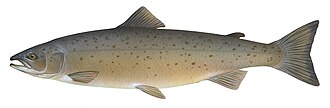
Photo: Wikipedia
Baked or broiled salmon is a culinary staple where the fish's natural richness is amplified by dry heat, resulting in a moist, flaky interior with a slightly caramelized exterior. Its deep, savory flavor is complemented by a buttery texture, making it a centerpiece of many health-conscious meals. Nutritionally, it's a powerhouse of high-quality protein and healthy fats, with virtually no carbohydrates.
Calorie split: 38% protein · 0% carbs · 62% fat
↓ Full nutrition💚 Why it's loved
People love it for its rich, satisfying flavor that feels indulgent yet is fundamentally healthy. Its versatility allows it to be seasoned simply with lemon and dill or incorporated into complex global cuisines, from Japanese teriyaki to Mediterranean salads.
⚠️ Watch-outs & how to enjoy it better
The primary concern is potential overcooking, which can lead to a dry, chalky texture. As a common fish allergen, it must be avoided by those with specific sensitivities. To counteract dryness, use a meat thermometer to pull it at 125-130°F (52-54°C) for medium doneness, and let it rest. For allergens, ensure no cross-contamination during preparation.
Key benefits
- Excellent source of complete protein for muscle maintenance.
- Rich in omega-3 fatty acids (EPA and DHA) for heart and brain health.
- Provides significant vitamin D and B12.
- Naturally low in carbohydrates and sugars.
- Contains astaxanthin, a potent antioxidant.
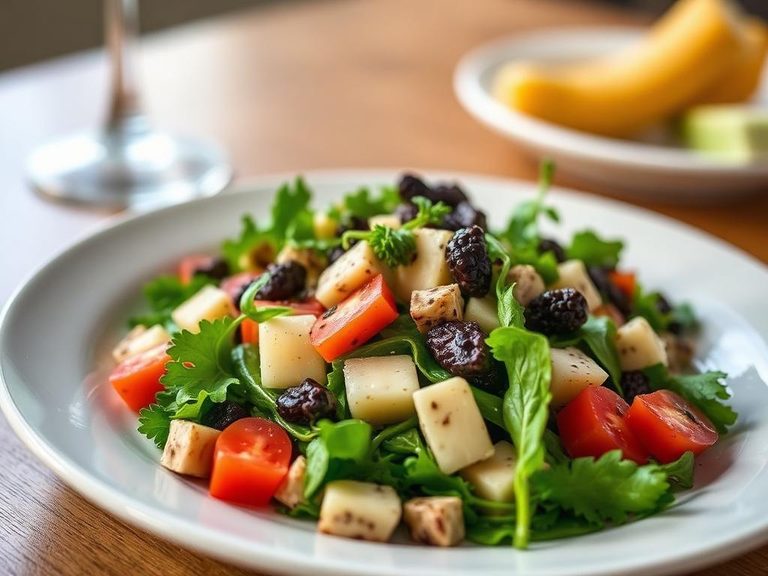
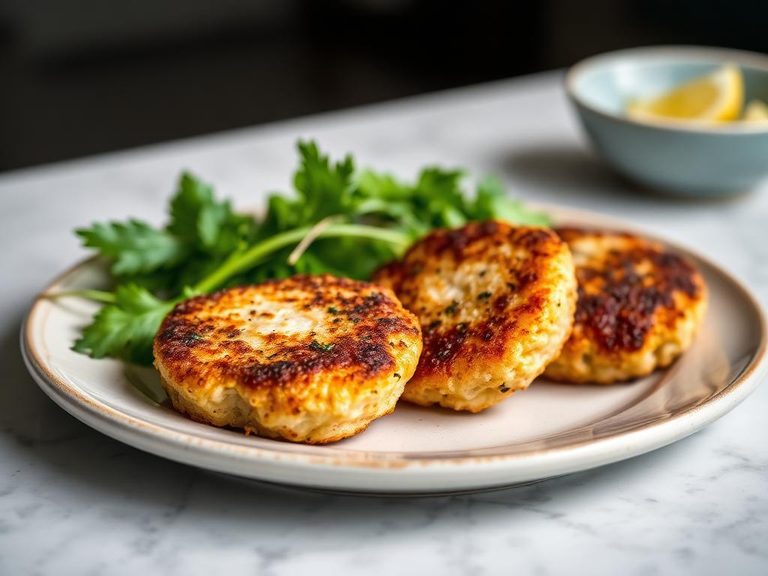
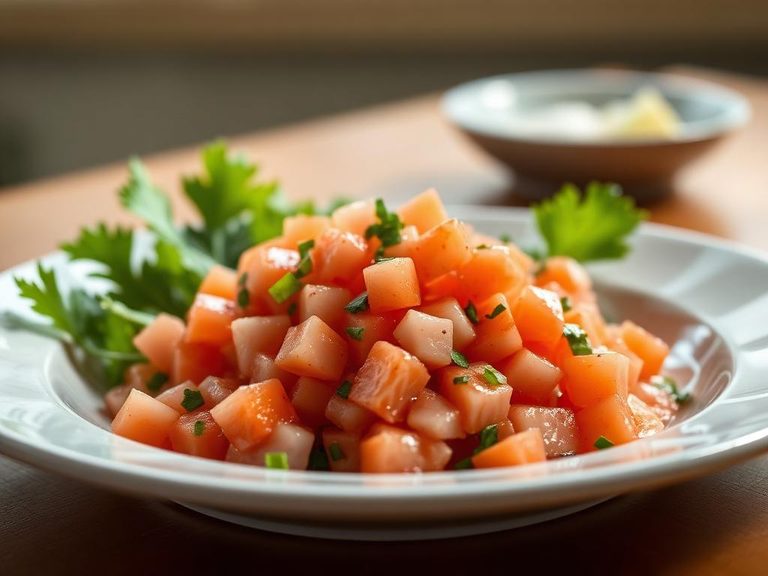
🍽️ Popular dishes
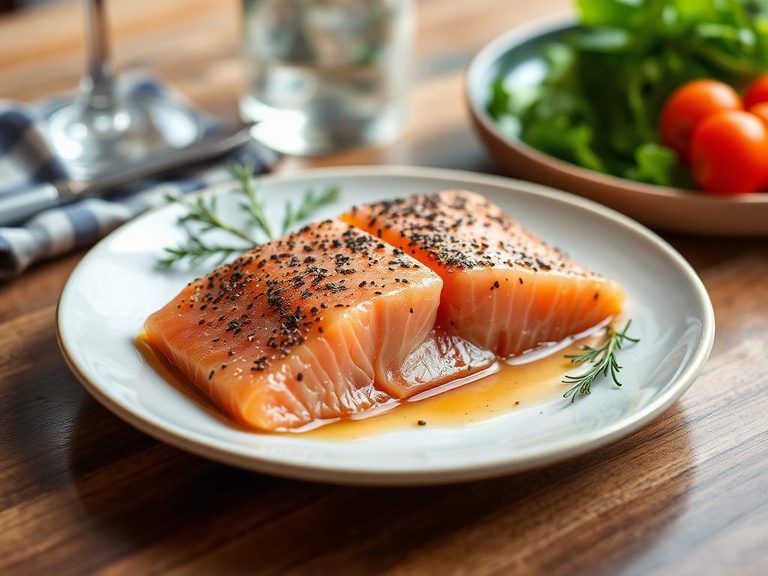
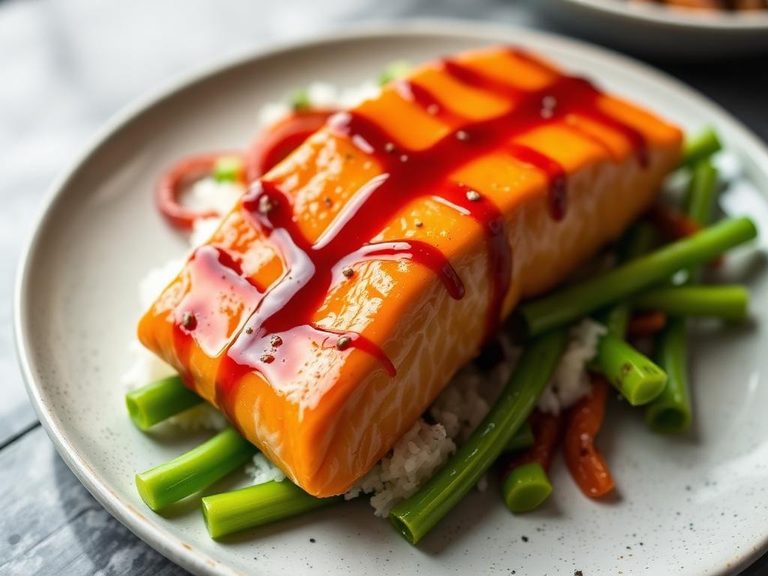
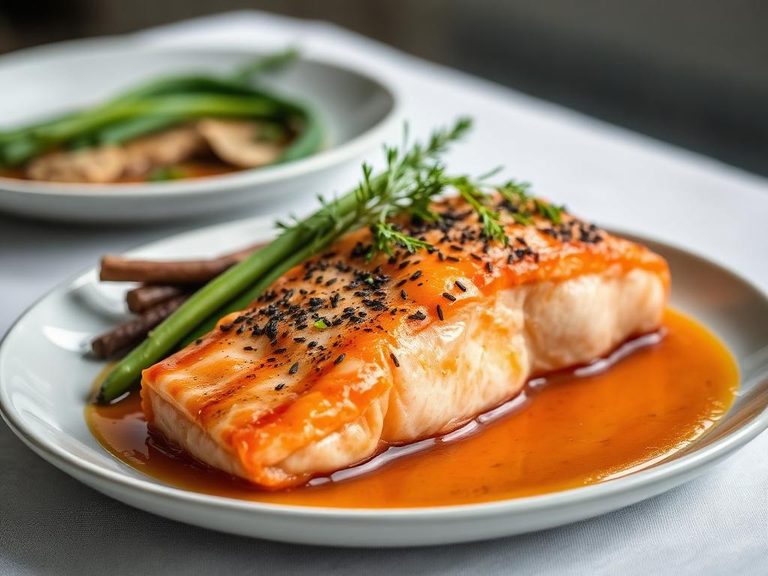
🌍 Where it's eaten
💡 Did you know?
The pink-orange color of salmon flesh comes from astaxanthin, a pigment they obtain by eating krill and shrimp; farmed salmon are often given this antioxidant in their feed to achieve the same hue.
Full nutrition (USDA data · scales with serving)
| Water | 54.6 g |
| Energy | 274 kcal |
| Protein | 25.4 g |
| Total lipid (fat) | 18.4 g |
| Carbohydrate, by difference | 0.01 g |
| Fiber, total dietary | 0.00 g |
| Total Sugars | 0.01 g |
| Calcium, Ca | 11.0 mg |
| Iron, Fe | 0.44 mg |
| Magnesium, Mg | 34.0 mg |
| Phosphorus, P | 305 mg |
| Potassium, K | 452 mg |
| Sodium, Na | 294 mg |
| Zinc, Zn | 0.46 mg |
| Copper, Cu | 0.06 mg |
| Selenium, Se | 32.1 ug |
| Vitamin C, total ascorbic acid | 2.9 mg |
| Thiamin | 0.18 mg |
| Riboflavin | 0.17 mg |
| Niacin | 10.6 mg |
| Vitamin B-6 | 0.73 mg |
| Folate, total | 23.0 ug |
| Folic acid | 0.00 ug |
| Folate, food | 23.0 ug |
| Folate, DFE | 23.0 ug |
| Choline, total | 103 mg |
| Vitamin B-12 | 3.9 ug |
| Vitamin B-12, added | 0.00 ug |
| Vitamin A, RAE | 75.0 ug |
| Retinol | 75.0 ug |
| Carotene, beta | 9.0 ug |
| Carotene, alpha | 0.00 ug |
| Cryptoxanthin, beta | 0.00 ug |
| Lycopene | 0.00 ug |
| Lutein + zeaxanthin | 0.00 ug |
| Vitamin E (alpha-tocopherol) | 4.1 mg |
| Vitamin E, added | 0.00 mg |
| Vitamin D (D2 + D3) | 13.7 ug |
| Vitamin K (phylloquinone) | 4.3 ug |
| Alcohol, ethyl | 0.00 g |
| Caffeine | 0.00 mg |
| Theobromine | 0.00 mg |
Fat & fatty acid profile (per 100g)
| Fatty acids, total saturated | 4.3 g |
| SFA 4:0 | 0.03 g |
| SFA 6:0 | 0.02 g |
| SFA 8:0 | 0.01 g |
| SFA 10:0 | 0.03 g |
| SFA 12:0 | 0.04 g |
| SFA 14:0 | 0.69 g |
| SFA 16:0 | 2.5 g |
| SFA 18:0 | 0.73 g |
| Fatty acids, total monounsaturated | 5.5 g |
| MUFA 16:1 | 0.82 g |
| MUFA 18:1 | 4.3 g |
| MUFA 20:1 | 0.41 g |
| MUFA 22:1 | 0.01 g |
| Fatty acids, total polyunsaturated | 5.2 g |
| PUFA 18:2 | 2.0 g |
| PUFA 18:3 | 0.32 g |
| PUFA 18:4 | 0.14 g |
| PUFA 20:4 | 0.09 g |
| PUFA 20:5 n-3 (EPA) | 0.86 g |
| PUFA 22:5 n-3 (DPA) | 0.38 g |
| PUFA 22:6 n-3 (DHA) | 1.1 g |
| Cholesterol | 69.0 mg |
Amino acid profile (per 100g)
Estimated from Fish, fish sticks, frozen, prepared — USDA does not publish this profile for Fish.
| Tryptophan | 0.12 g |
| Threonine | 0.37 g |
| Isoleucine | 0.43 g |
| Leucine | 0.85 g |
| Lysine | 0.80 g |
| Methionine | 0.30 g |
| Phenylalanine | 0.47 g |
| Tyrosine | 0.29 g |
| Valine | 0.50 g |
| Arginine | 0.59 g |
| Histidine | 0.23 g |
| Alanine | 0.55 g |
| Aspartic acid | 0.82 g |
| Glutamic acid | 2.3 g |
| Glycine | 0.47 g |
| Proline | 0.78 g |
| Serine | 0.49 g |
| Hydroxyproline | 0.00 g |
FAQ
How do I know when baked salmon is done?
The most reliable method is using an instant-read thermometer inserted into the thickest part. For moist, tender salmon, remove it from the oven when it reaches 125-130°F (52-54°C). The fish will continue to cook slightly as it rests.
Why is my baked salmon dry?
Dryness is almost always caused by overcooking. Salmon is very lean and cooks quickly. Reducing the oven temperature (to 375°F/190°C) and using a shorter cooking time, or trying the broiler for a quick finish, can help. Basting with oil or butter also adds moisture.
Can I eat the skin?
Yes, absolutely! When baked or broiled properly, the skin becomes wonderfully crispy and is a delicious, nutritious part of the fish, rich in healthy fats. It's often the easiest way to tell if the fish is cooked through—the skin will release easily from the flesh.
Nutrient density (calculated · NRF9.3)
Nutrient Rich Foods index: beneficial nutrients (protein, fiber, vitamins, minerals) minus saturated fat, added sugar & sodium, per 100 kcal.
NRF9.3 index — Fulgoni, Keast & Drewnowski, 2009. Computed from USDA nutrients.
Weight-loss friendliness (composite index)
Energy density 2.74 kcal/g · 37% calories from protein · 0.0 g fiber · 0.0 g sugar per 100 g.
Composite of energy density (Rolls et al., 1999), protein & fiber satiety, minus sugar. A calculated heuristic — ranks satiety-per-calorie, not a clinical measure.
Dietary load (calculated from USDA values)
Potential renal acid load. Positive = acid-forming, negative = alkaline-forming.
Sodium-to-potassium ratio: 0.65 (lower is better — aim for ≤ 1)
Sodium:potassium per WHO potassium guidance. Computed from USDA nutrients.