

Fish, herring
Common food

Photo: Wikipedia
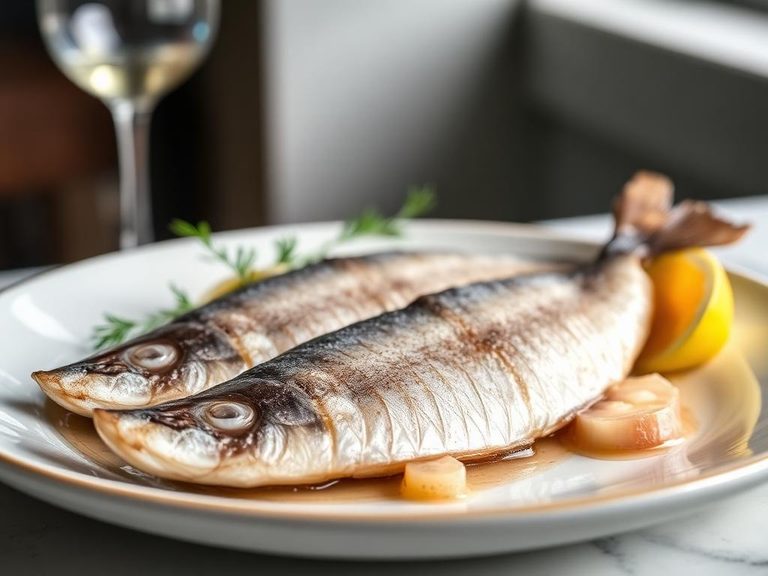
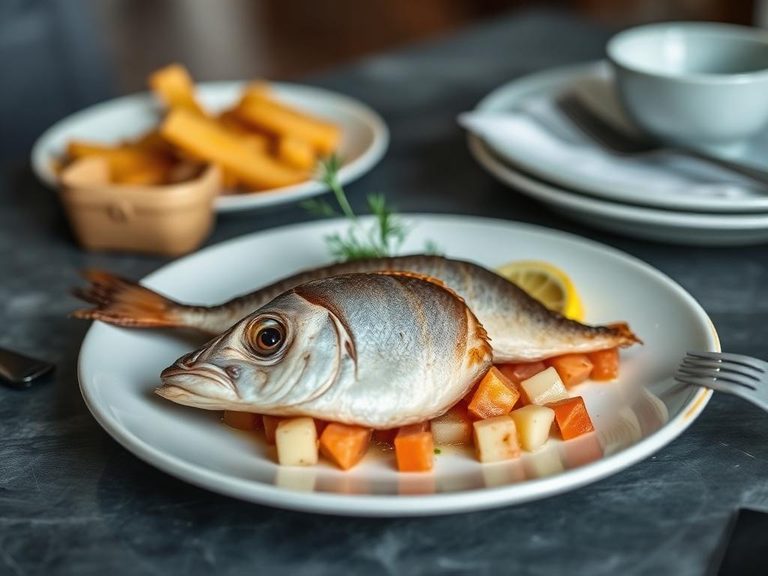
Herring is an oily, silver-skinned fish with a rich, savory flavor and a tender, flaky texture that becomes buttery when cooked. It's a nutritional powerhouse, particularly known for its high content of heart-healthy omega-3 fatty acids and complete protein.
Calorie split: 33% protein · 13% carbs · 54% fat
↓ Full nutrition💚 Why it's loved
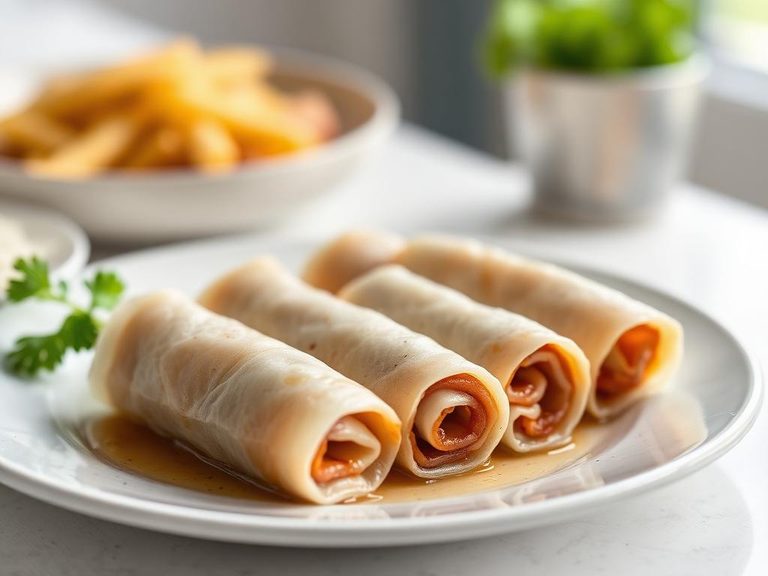
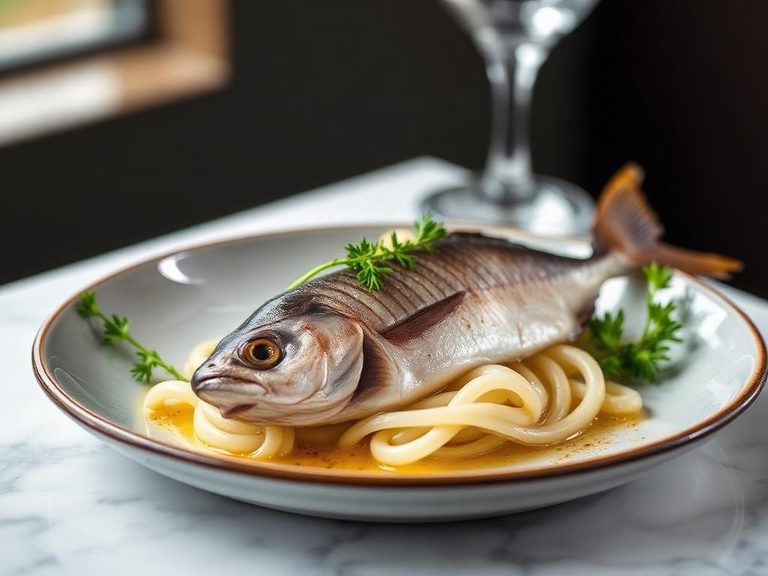
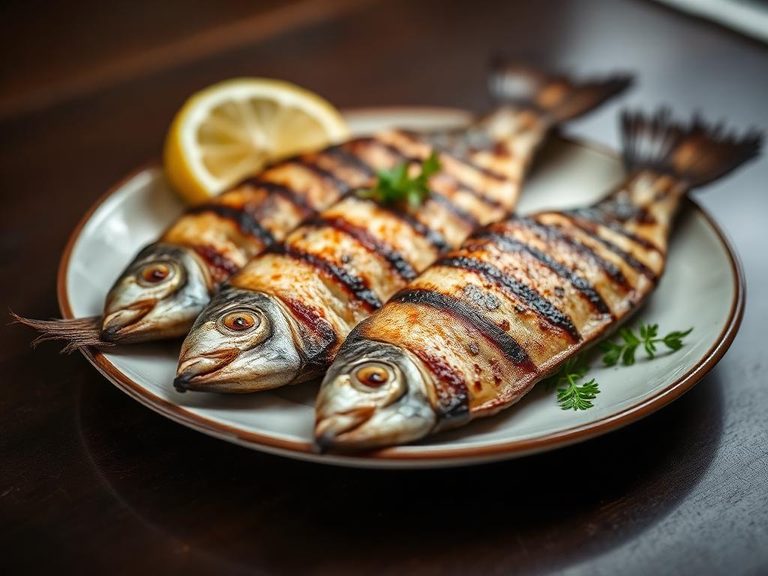
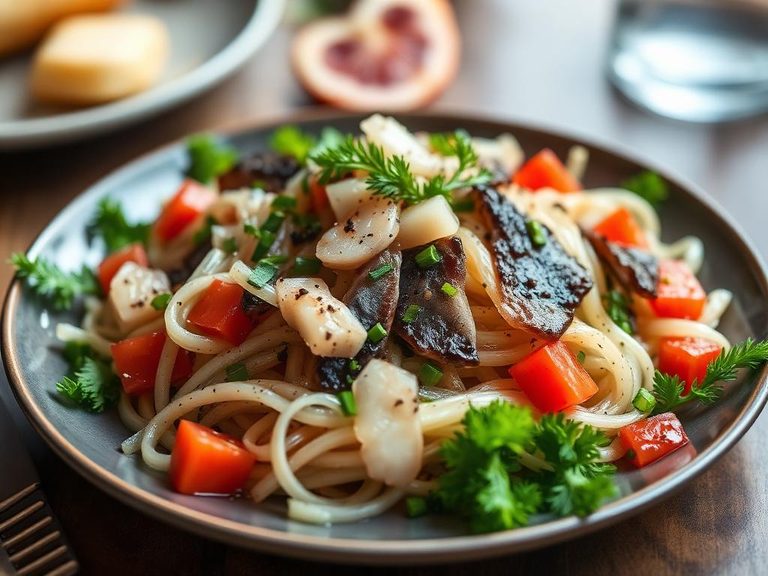
People love herring for its deep, umami-rich flavor that holds up beautifully to strong marinades and smoky preparations. Its versatility—from pickled snacks to hearty baked dishes—makes it a beloved staple in many coastal cuisines.
⚠️ Watch-outs & how to enjoy it better
Herring can be high in sodium, especially when pickled or cured, which may concern those monitoring blood pressure. As an oily fish, it can also have a pronounced 'fishy' taste and smell that some find off-putting; counter this by choosing fresh or frozen fillets and marinating in acidic ingredients like lemon juice or vinegar before cooking.
Key benefits
- Excellent source of long-chain omega-3 fatty acids (EPA & DHA)
- Provides high-quality complete protein for muscle maintenance
- Rich in vitamin D, crucial for bone health and immune function
- Contains vitamin B12, essential for nerve function and red blood cell formation
- A good source of selenium, an important antioxidant mineral
🍽️ Popular dishes
🌍 Where it's eaten
💡 Did you know?
Herring have been a cornerstone of trade for centuries; the Dutch Golden Age was partly financed by the 'silver of the sea' from their massive herring fisheries.
Full nutrition (USDA data · scales with serving)
| Water | 56.0 g |
| Energy | 245 kcal |
| Protein | 20.1 g |
| Total lipid (fat) | 14.3 g |
| Carbohydrate, by difference | 7.8 g |
| Fiber, total dietary | 0.30 g |
| Total Sugars | 0.14 g |
| Calcium, Ca | 70.0 mg |
| Iron, Fe | 1.7 mg |
| Magnesium, Mg | 37.0 mg |
| Phosphorus, P | 263 mg |
| Potassium, K | 359 mg |
| Sodium, Na | 357 mg |
| Zinc, Zn | 1.1 mg |
| Copper, Cu | 0.12 mg |
| Selenium, Se | 40.3 ug |
| Vitamin C, total ascorbic acid | 0.60 mg |
| Thiamin | 0.18 mg |
| Riboflavin | 0.28 mg |
| Niacin | 4.1 mg |
| Vitamin B-6 | 0.32 mg |
| Folate, total | 26.0 ug |
| Folic acid | 13.0 ug |
| Folate, food | 13.0 ug |
| Folate, DFE | 35.0 ug |
| Choline, total | 73.0 mg |
| Vitamin B-12 | 12.9 ug |
| Vitamin B-12, added | 0.00 ug |
| Vitamin A, RAE | 47.0 ug |
| Retinol | 46.0 ug |
| Carotene, beta | 9.0 ug |
| Carotene, alpha | 0.00 ug |
| Cryptoxanthin, beta | 0.00 ug |
| Lycopene | 0.00 ug |
| Lutein + zeaxanthin | 7.0 ug |
| Vitamin E (alpha-tocopherol) | 1.8 mg |
| Vitamin E, added | 0.00 mg |
| Vitamin D (D2 + D3) | 4.5 ug |
| Vitamin K (phylloquinone) | 4.0 ug |
| Alcohol, ethyl | 0.00 g |
| Caffeine | 0.00 mg |
| Theobromine | 0.00 mg |
Fat & fatty acid profile (per 100g)
| Fatty acids, total saturated | 3.4 g |
| SFA 4:0 | 0.03 g |
| SFA 6:0 | 0.02 g |
| SFA 8:0 | 0.01 g |
| SFA 10:0 | 0.04 g |
| SFA 12:0 | 0.05 g |
| SFA 14:0 | 0.69 g |
| SFA 16:0 | 2.1 g |
| SFA 18:0 | 0.38 g |
| Fatty acids, total monounsaturated | 5.6 g |
| MUFA 16:1 | 0.68 g |
| MUFA 18:1 | 3.2 g |
| MUFA 20:1 | 0.78 g |
| MUFA 22:1 | 0.88 g |
| Fatty acids, total polyunsaturated | 3.6 g |
| PUFA 18:2 | 1.4 g |
| PUFA 18:3 | 0.26 g |
| PUFA 18:4 | 0.22 g |
| PUFA 20:4 | 0.07 g |
| PUFA 20:5 n-3 (EPA) | 0.74 g |
| PUFA 22:5 n-3 (DPA) | 0.06 g |
| PUFA 22:6 n-3 (DHA) | 0.90 g |
| Cholesterol | 71.0 mg |
Amino acid profile (per 100g)
Estimated from Fish, fish sticks, frozen, prepared — USDA does not publish this profile for Fish.
| Tryptophan | 0.12 g |
| Threonine | 0.37 g |
| Isoleucine | 0.43 g |
| Leucine | 0.85 g |
| Lysine | 0.80 g |
| Methionine | 0.30 g |
| Phenylalanine | 0.47 g |
| Tyrosine | 0.29 g |
| Valine | 0.50 g |
| Arginine | 0.59 g |
| Histidine | 0.23 g |
| Alanine | 0.55 g |
| Aspartic acid | 0.82 g |
| Glutamic acid | 2.3 g |
| Glycine | 0.47 g |
| Proline | 0.78 g |
| Serine | 0.49 g |
| Hydroxyproline | 0.00 g |
FAQ
What's the difference between pickled, smoked, and fresh herring?
Fresh herring is raw and versatile for grilling or baking. Smoked herring (like kippers) is cooked by smoking, giving it a rich, intense flavor. Pickled herring is cured in a vinegar or brine solution, making it a tangy, ready-to-eat product often served as an appetizer.
Is herring high in mercury?
Herring is generally considered a low-mercury fish. It's a smaller, shorter-lived species, so it accumulates less mercury than large predators like tuna or swordfish, making it a safer choice for regular consumption.
How do I remove the pin bones from a herring fillet?
Run your finger along the fillet to locate the bones. Using clean tweezers or needle-nose pliers, grip each bone firmly and pull it out in the direction it's pointing (usually toward the head end) to avoid tearing the flesh.
Nutrient density (calculated · NRF9.3)
Nutrient Rich Foods index: beneficial nutrients (protein, fiber, vitamins, minerals) minus saturated fat, added sugar & sodium, per 100 kcal.
NRF9.3 index — Fulgoni, Keast & Drewnowski, 2009. Computed from USDA nutrients.
Weight-loss friendliness (composite index)
Energy density 2.45 kcal/g · 33% calories from protein · 0.3 g fiber · 0.1 g sugar per 100 g.
Composite of energy density (Rolls et al., 1999), protein & fiber satiety, minus sugar. A calculated heuristic — ranks satiety-per-calorie, not a clinical measure.
Dietary load (calculated from USDA values)
Potential renal acid load. Positive = acid-forming, negative = alkaline-forming.
Sodium-to-potassium ratio: 0.99 (lower is better — aim for ≤ 1)
Sodium:potassium per WHO potassium guidance. Computed from USDA nutrients.