Kippered Herring
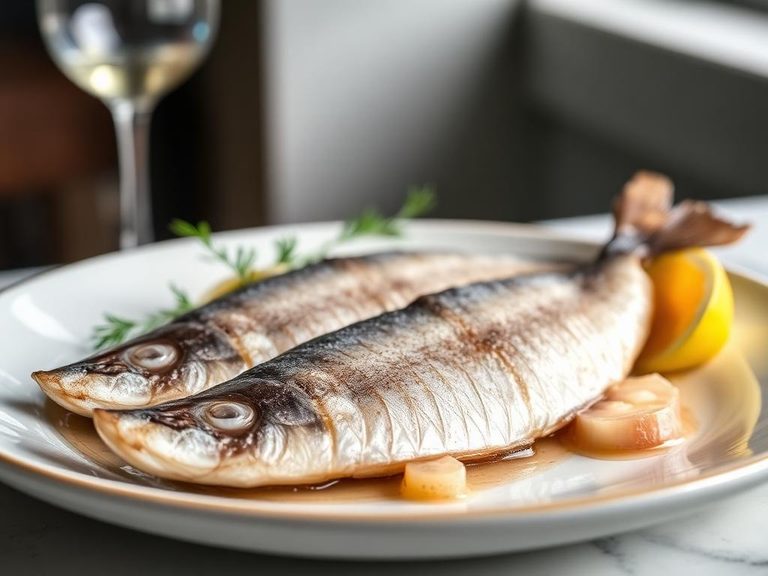
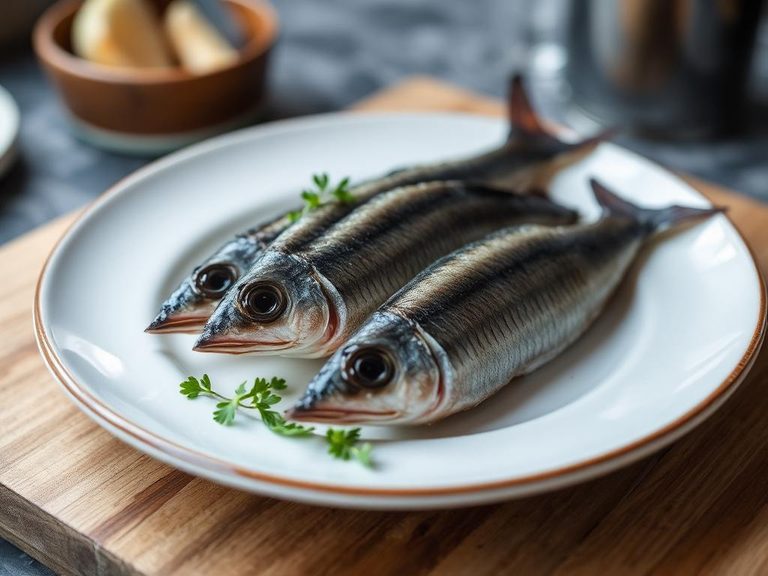
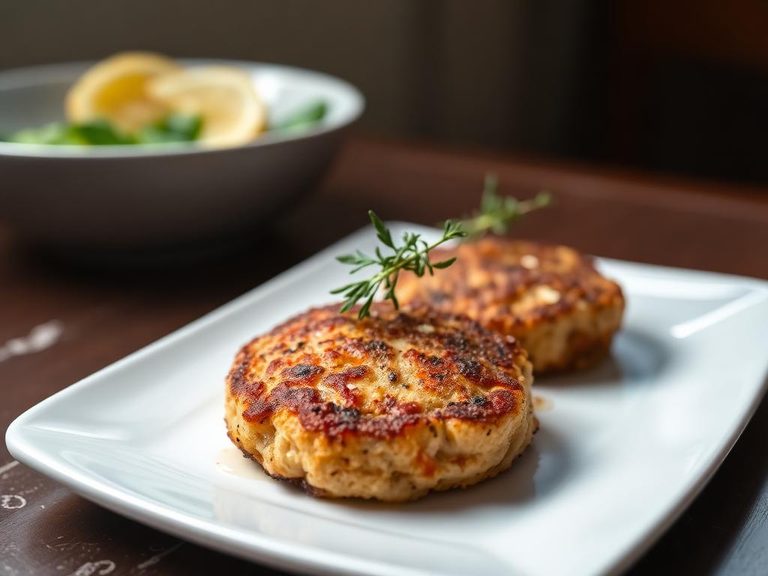
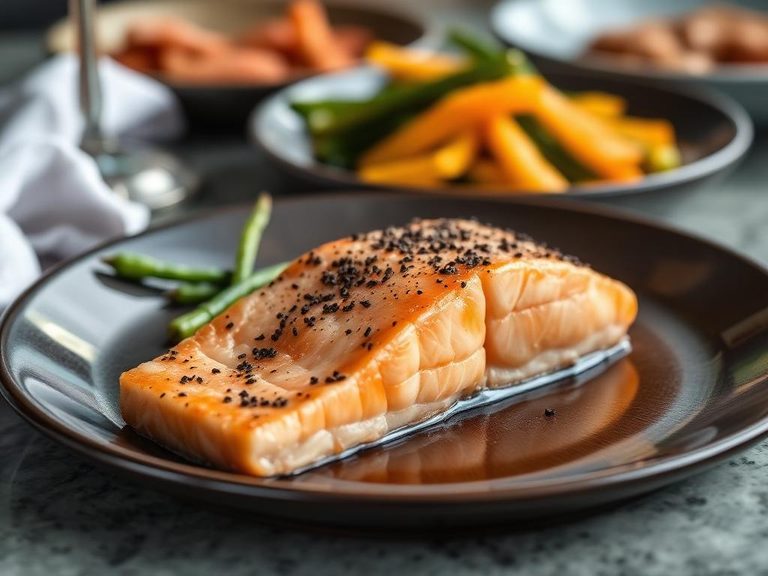
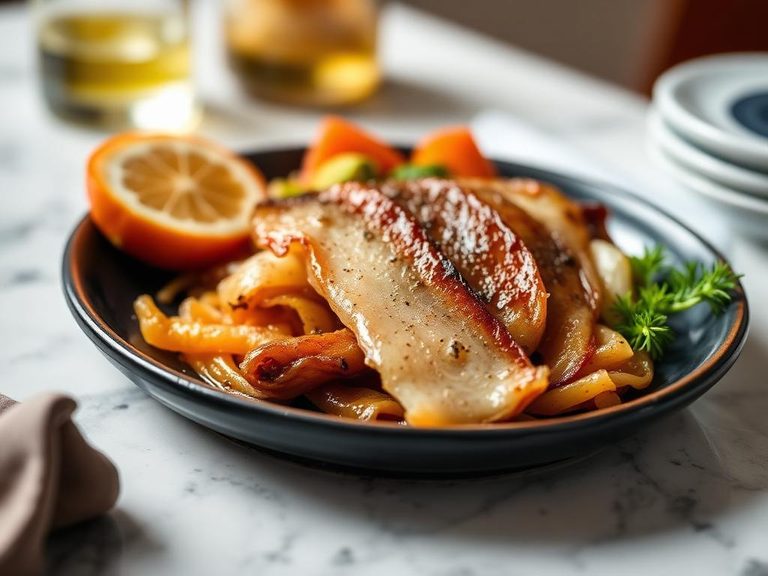
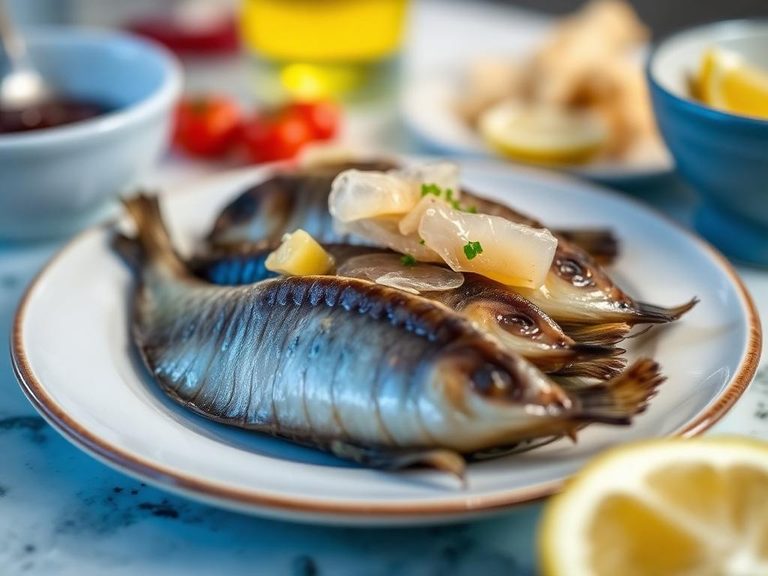
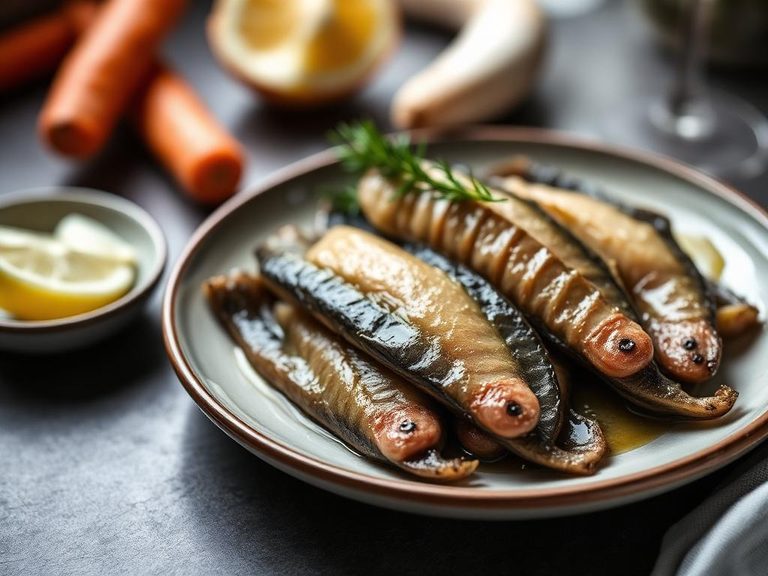
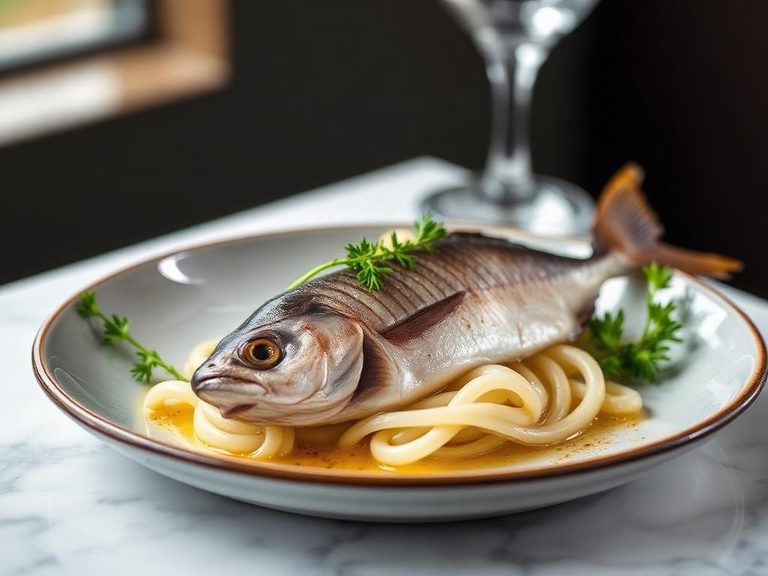
Kippered herring is a traditional dish made from herring that has been cleaned, filleted, and then smoked or dried, often after being cured in a brine or sugar-salt mixture. It typically features a rich, savory, and slightly sweet flavor with a firm, flaky texture. The dish has deep roots in Northern European and British culinary traditions, particularly popular in the UK and Scandinavia.
🍽️ Nutrition at a glance
Kippered herring is an excellent source of high-quality protein and healthy fats, especially omega-3 fatty acids, while being very low in carbohydrates. A standard 100-gram serving provides around 200-250 calories, along with significant amounts of vitamin D, vitamin B12, selenium, and phosphorus.
Nutrition breakdown
| Calories | 230 kcal |
| Protein | 25 g |
| Carbs | 0 g |
| Fat | 14 g |
| Fiber | 0 g |
| Sugar | 0 g |
| Sodium | 800 mg |
| Vitamin D | 200 IU |
| Vitamin B12 | 12 mcg |
| Niacin (B3) | 5 mg |
| Selenium | 50 mcg |
| Phosphorus | 300 mg |
| Omega-3 (EPA+DHA) | 1.5 g |
Per 1 cup (145 g) · estimated, varies by recipe
💡 What's interesting
Nutritionally, it stands out as a powerhouse of heart-healthy omega-3s, which are linked to reduced inflammation and improved brain health. Culturally, it has been a staple food for centuries, valued for its long shelf life and was historically an affordable, nutrient-dense protein source for working-class communities and sailors.