Schmaltz Herring
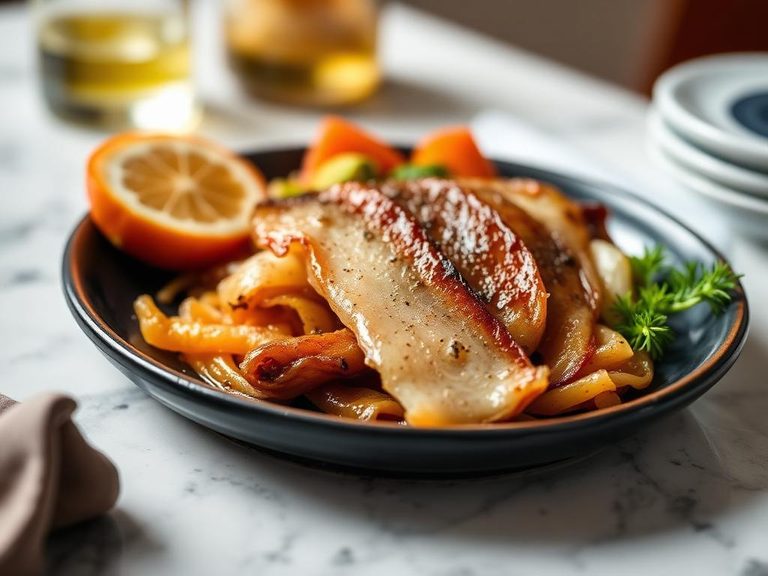
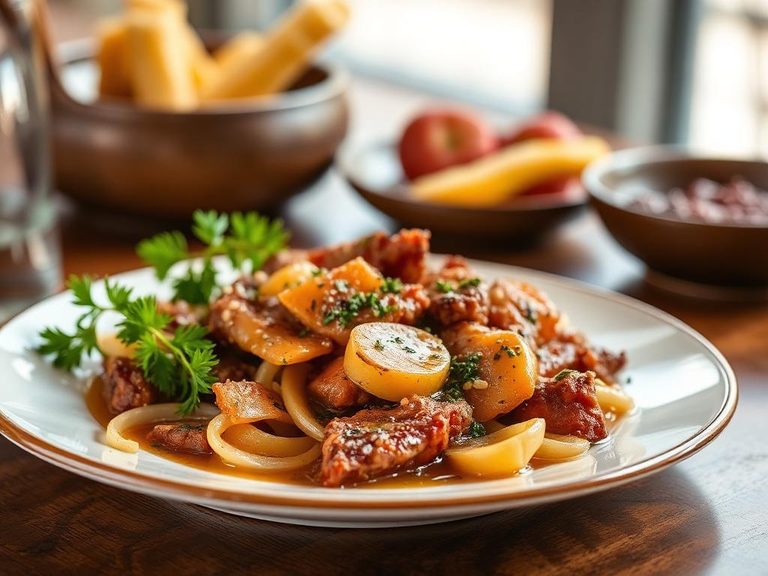
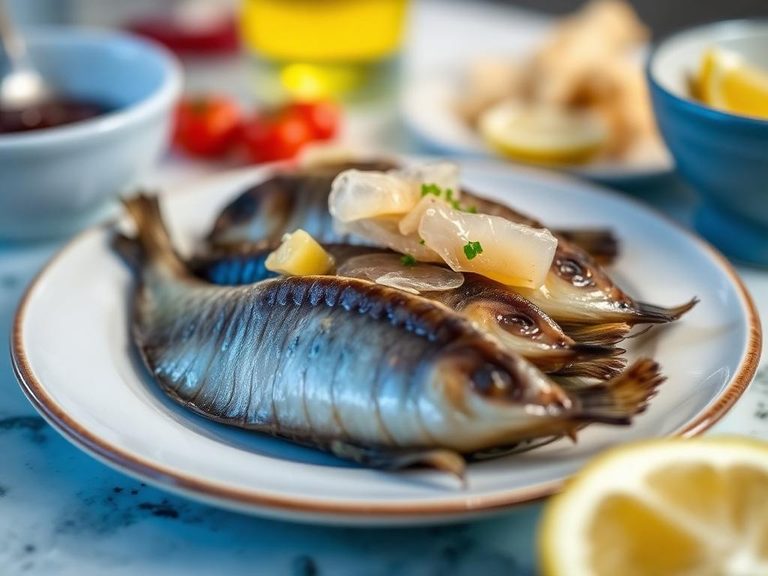
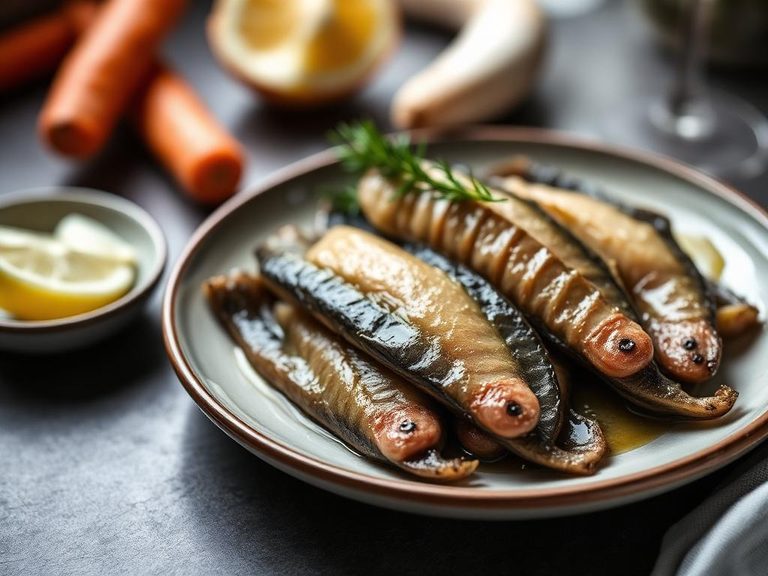
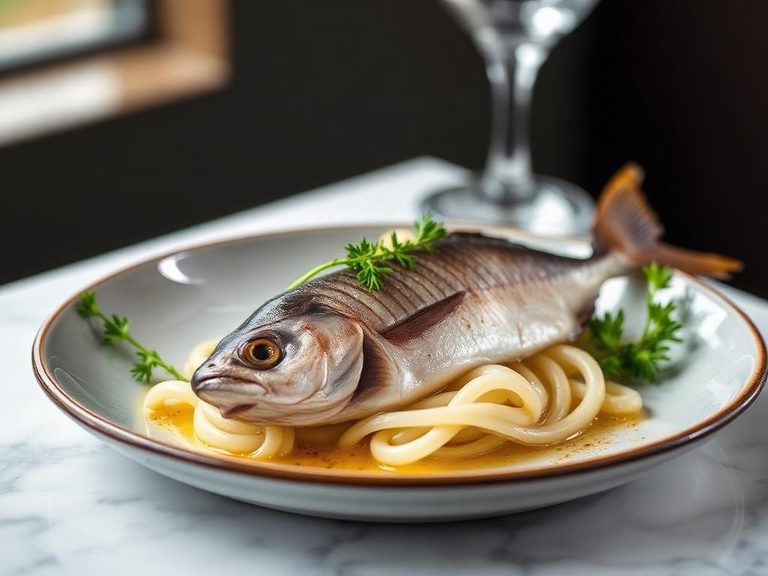
Schmaltz Herring is a traditional Ashkenazi Jewish dish consisting of herring fillets cured and preserved in rendered chicken or goose fat (schmaltz), often with added onions and spices. It is a staple of Eastern European Jewish cuisine, particularly associated with holiday meals and appetizer platters.
🍽️ Nutrition at a glance
This dish is very high in fat and protein, with negligible carbohydrates, making it a calorie-dense food. A typical serving provides significant amounts of omega-3 fatty acids, vitamin D, and vitamin B12.
Nutrition breakdown
| Calories | 200 kcal |
| Protein | 14 g |
| Carbs | 2 g |
| Fat | 15 g |
| Fiber | 0 g |
| Sugar | 1 g |
| Sodium | 800 mg |
| Vitamin D | 5 mcg |
| Vitamin B12 | 15 mcg |
| Omega-3 (EPA+DHA) | 1500 mg |
| Selenium | 30 mcg |
| Phosphorus | 200 mg |
| Niacin (B3) | 5 mg |
| Vitamin A | 30 mcg RAE |
| Choline | 50 mg |
Per 1 fillet (approx. 100 g) · estimated, varies by recipe
💡 What's interesting
The use of schmaltz is a unique culinary adaptation that historically allowed for preservation without dairy, making the dish compliant with kosher dietary laws that separate meat and dairy. Nutritionally, the high fat content from schmaltz also served as a valuable source of calories in colder Eastern European climates.