

Herring salad
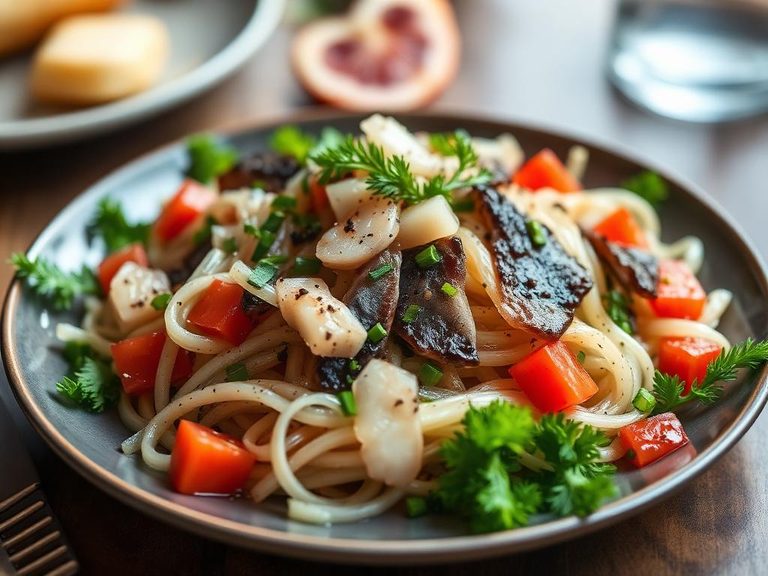
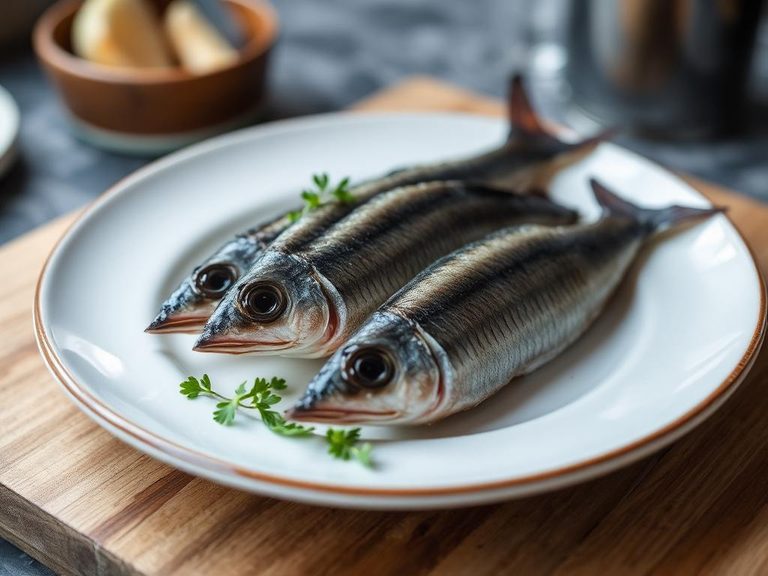
Forshmak is a classic Ashkenazi Jewish herring salad, typically made from pickled or salted herring fillets finely chopped and mixed with ingredients like onions, apples, and a tangy dressing of vinegar or lemon juice. It's a staple appetizer or side dish in Jewish cuisine, especially popular during holidays and celebrations.
🍽️ Nutrition at a glance
This dish is generally high in protein and healthy fats from the herring, while being relatively low in carbohydrates unless sweetened or served with bread. A typical serving provides omega-3 fatty acids, vitamin D, and selenium, with a calorie range of approximately 150-250 per half-cup serving, depending on the specific recipe.
Nutrition breakdown
| Calories | 290 kcal |
| Protein | 12 g |
| Carbs | 18 g |
| Fat | 19 g |
| Fiber | 2 g |
| Sugar | 5 g |
| Sodium | 680 mg |
| Potassium | 350 mg |
| Vitamin D | 4.2 mcg |
| Vitamin B12 | 1.8 mcg |
| Selenium | 18 mcg |
| Phosphorus | 190 mg |
| Omega-3 (EPA+DHA) | 1.2 g |
| Vitamin A | 45 mcg RAE |
| Iron | 1.5 mg |
Per 1 cup (240 g) · estimated, varies by recipe
💡 What's interesting
Forshmak holds cultural significance as a traditional dish in Jewish culinary heritage, often symbolizing abundance and shared meals. Nutritionally, herring is a sustainable, nutrient-dense fish that offers a unique blend of umami flavor and health benefits, making it a flavorful yet wholesome choice.
🍽️ Related dishes
AI estimate may be inaccurate · Terms