

Egg omelet or scrambled egg, made with animal fat or meat drippings
Common food

Photo: Wikipedia
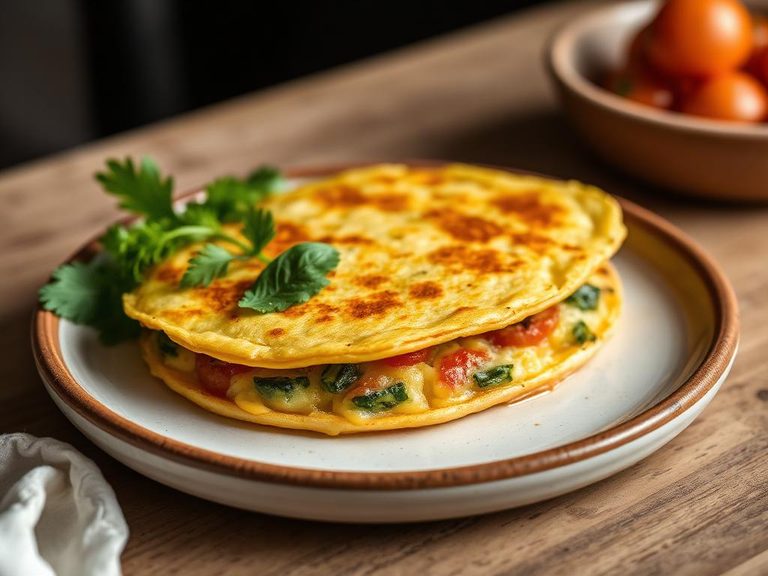
This is a classic, savory egg dish where beaten eggs are cooked in flavorful animal fats like butter, lard, or bacon drippings, resulting in a rich, tender, and often slightly crispy-edged omelet or soft, custardy scrambled eggs. The cooking fat is the star, imparting a deep, savory flavor that vegetable oils can't match, while the eggs provide a satisfying, protein-packed base. Nutritionally, it's a powerhouse of high-quality protein and healthy fats with virtually no carbohydrates.
Calorie split: 25% protein · 2% carbs · 73% fat
↓ Full nutrition💚 Why it's loved
People adore it for its unparalleled savory depth and comforting, home-cooked appeal, where the fat creates a luxurious mouthfeel and browning that elevates simple eggs. It's a beloved, quick-cooking staple that feels both humble and indulgent, adaptable from a solo breakfast to a filling for tacos or a topping for rice.
⚠️ Watch-outs & how to enjoy it better
The high saturated fat content from animal drippings may be a concern for those monitoring heart health or cholesterol, and it's a common allergen (eggs). To balance this, use a moderate portion of fat (e.g., 1 tsp per egg), opt for drippings from leaner meats like turkey, or mix with a splash of water or milk to increase volume without extra fat. Pairing with fiber-rich vegetables like spinach or tomatoes adds nutrients and helps moderate the meal's glycemic impact.
Key benefits
- Excellent source of complete, high-quality protein for muscle maintenance.
- Rich in fat-soluble vitamins like Vitamin D, A, and B12 from the yolks.
- Provides choline, an essential nutrient for brain and liver health.
- Zero carbohydrates, making it ideal for low-carb and ketogenic diets.
- High satiety factor helps promote fullness and reduce snacking.
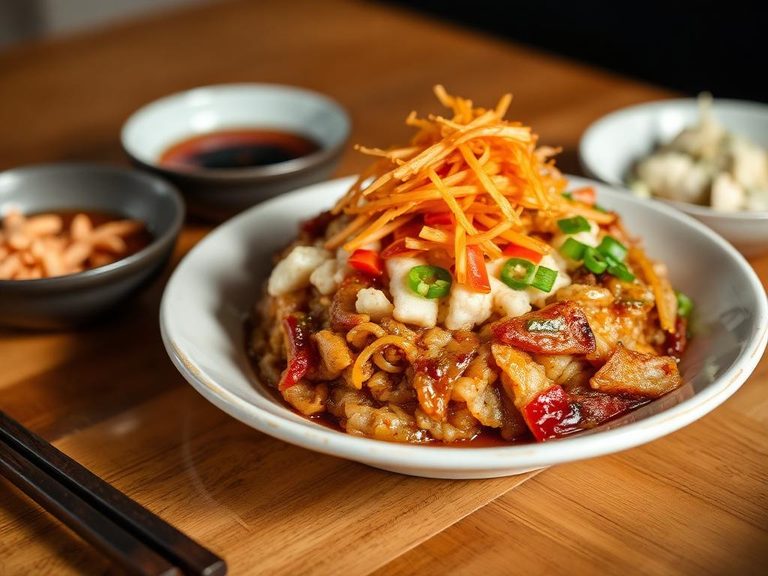
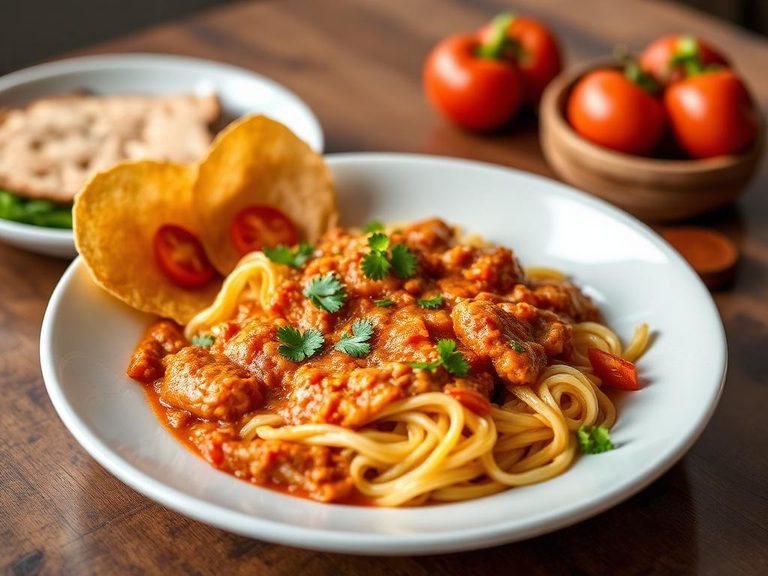
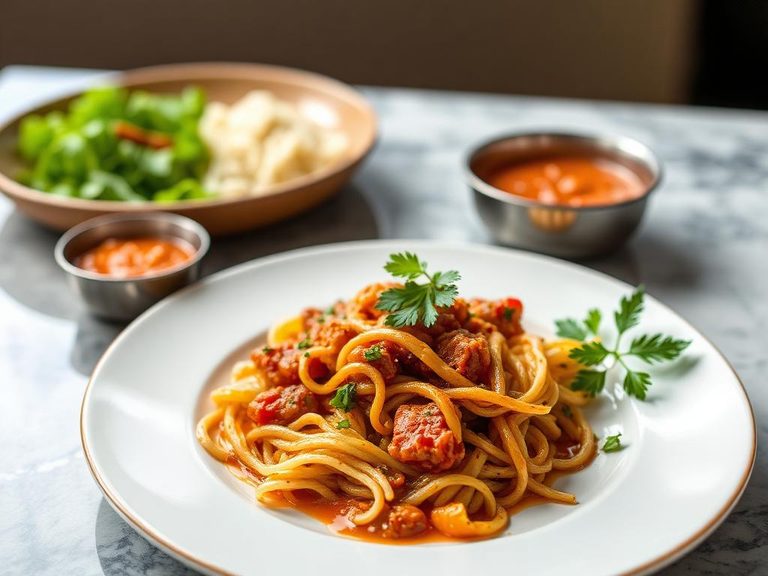
🍽️ Popular dishes


🌍 Where it's eaten
💡 Did you know?
The practice of cooking eggs in meat drippings is ancient and practical; historically, it was a way to use every calorie from a slaughtered animal, and the rendered fat acted as a natural non-stick surface before modern cookware.
Full nutrition (USDA data · scales with serving)
| Water | 70.9 g |
| Energy | 188 kcal |
| Protein | 11.7 g |
| Total lipid (fat) | 15.3 g |
| Carbohydrate, by difference | 0.90 g |
| Fiber, total dietary | 0.00 g |
| Total Sugars | 0.19 g |
| Calcium, Ca | 45.0 mg |
| Iron, Fe | 1.6 mg |
| Magnesium, Mg | 10.0 mg |
| Phosphorus, P | 172 mg |
| Potassium, K | 124 mg |
| Sodium, Na | 268 mg |
| Zinc, Zn | 1.2 mg |
| Copper, Cu | 0.00 mg |
| Selenium, Se | 29.1 ug |
| Vitamin C, total ascorbic acid | 0.00 mg |
| Thiamin | 0.06 mg |
| Riboflavin | 0.37 mg |
| Niacin | 0.02 mg |
| Vitamin B-6 | 0.06 mg |
| Folate, total | 50.0 ug |
| Folic acid | 0.00 ug |
| Folate, food | 50.0 ug |
| Folate, DFE | 50.0 ug |
| Choline, total | 253 mg |
| Vitamin B-12 | 0.77 ug |
| Vitamin B-12, added | 0.00 ug |
| Vitamin A, RAE | 168 ug |
| Retinol | 167 ug |
| Carotene, beta | 0.00 ug |
| Carotene, alpha | 0.00 ug |
| Cryptoxanthin, beta | 12.0 ug |
| Lycopene | 0.00 ug |
| Lutein + zeaxanthin | 469 ug |
| Vitamin E (alpha-tocopherol) | 1.0 mg |
| Vitamin E, added | 0.00 mg |
| Vitamin D (D2 + D3) | 2.5 ug |
| Vitamin K (phylloquinone) | 0.30 ug |
| Alcohol, ethyl | 0.00 g |
| Caffeine | 0.00 mg |
| Theobromine | 0.00 mg |
Fat & fatty acid profile (per 100g)
| Fatty acids, total saturated | 5.3 g |
| SFA 4:0 | 0.00 g |
| SFA 6:0 | 0.00 g |
| SFA 8:0 | 0.00 g |
| SFA 10:0 | 0.01 g |
| SFA 12:0 | 0.01 g |
| SFA 14:0 | 0.13 g |
| SFA 16:0 | 3.6 g |
| SFA 18:0 | 1.5 g |
| Fatty acids, total monounsaturated | 6.1 g |
| MUFA 16:1 | 0.42 g |
| MUFA 18:1 | 5.6 g |
| MUFA 20:1 | 0.05 g |
| MUFA 22:1 | 0.00 g |
| Fatty acids, total polyunsaturated | 2.4 g |
| PUFA 18:2 | 1.9 g |
| PUFA 18:3 | 0.07 g |
| PUFA 18:4 | 0.00 g |
| PUFA 20:4 | 0.00 g |
| PUFA 20:5 n-3 (EPA) | 0.00 g |
| PUFA 22:5 n-3 (DPA) | 0.00 g |
| PUFA 22:6 n-3 (DHA) | 0.00 g |
| Cholesterol | 389 mg |
Amino acid profile (per 100g)
Estimated from Egg, whole, cooked, omelet — USDA does not publish this profile for Egg omelet or scrambled egg.
| Tryptophan | 0.14 g |
| Threonine | 0.47 g |
| Isoleucine | 0.56 g |
| Leucine | 0.91 g |
| Lysine | 0.77 g |
| Methionine | 0.32 g |
| Cystine | 0.23 g |
| Phenylalanine | 0.57 g |
| Tyrosine | 0.42 g |
| Valine | 0.72 g |
| Arginine | 0.69 g |
| Histidine | 0.26 g |
| Alanine | 0.62 g |
| Aspartic acid | 1.1 g |
| Glutamic acid | 1.4 g |
| Glycine | 0.36 g |
| Proline | 0.43 g |
| Serine | 0.82 g |
FAQ
What's the difference in taste between using butter, lard, or bacon drippings?
Butter adds a rich, creamy, slightly nutty flavor and browns nicely. Lard provides a cleaner, more neutral savory taste with a very tender result. Bacon drippings impart a strong, smoky, salty essence that dominates the dish. The choice dramatically alters the final flavor profile.
Can I make this healthier without losing the 'cooked in fat' character?
Yes. Use a flavorful but leaner fat like duck fat in moderation, or combine a small amount of animal fat with a high-heat oil. Cooking on lower heat allows you to use less fat while still preventing sticking. Adding herbs or spices can boost flavor without extra calories.
Why are my eggs rubbery when cooked in fat?
High heat is the culprit. Animal fats have a high smoke point, tempting cooks to use high temperatures. For soft, tender eggs, cook over medium-low heat, stirring or folding gently, and remove them from the pan just before they look fully set, as they'll continue cooking from residual heat.
Nutrient density (calculated · NRF9.3)
Nutrient Rich Foods index: beneficial nutrients (protein, fiber, vitamins, minerals) minus saturated fat, added sugar & sodium, per 100 kcal.
NRF9.3 index — Fulgoni, Keast & Drewnowski, 2009. Computed from USDA nutrients.
Weight-loss friendliness (composite index)
Energy density 1.88 kcal/g · 25% calories from protein · 0.0 g fiber · 0.2 g sugar per 100 g.
Composite of energy density (Rolls et al., 1999), protein & fiber satiety, minus sugar. A calculated heuristic — ranks satiety-per-calorie, not a clinical measure.
Dietary load (calculated from USDA values)
Potential renal acid load. Positive = acid-forming, negative = alkaline-forming.
Sodium-to-potassium ratio: 2.16 (lower is better — aim for ≤ 1)
Sodium:potassium per WHO potassium guidance. Computed from USDA nutrients.