

Corn flour, whole-grain, yellow
Whole food · Cereal Grains and Pasta
Whole-grain yellow corn flour is a vibrant, stone-ground staple with a robust, earthy corn flavor and a slightly gritty, hearty texture. It's a nutritional powerhouse, packed with fiber and complex carbs that provide sustained energy. Its golden hue comes from natural carotenoids like lutein and zeaxanthin, which are beneficial for eye health.
Calorie split: 7% protein · 83% carbs · 9% fat
↓ Full nutrition💚 Why it's loved
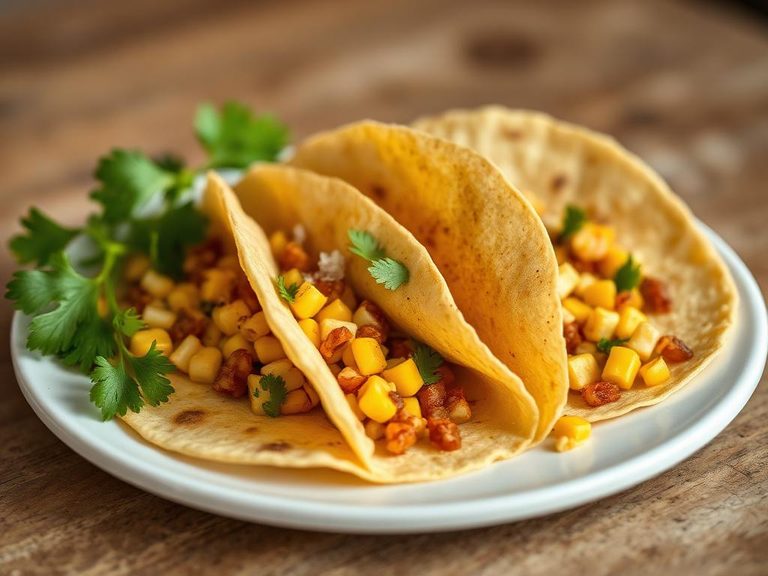
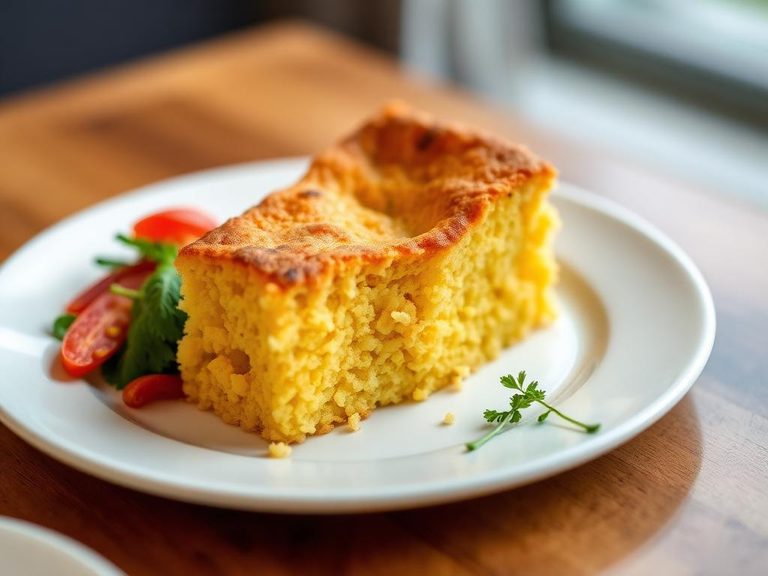
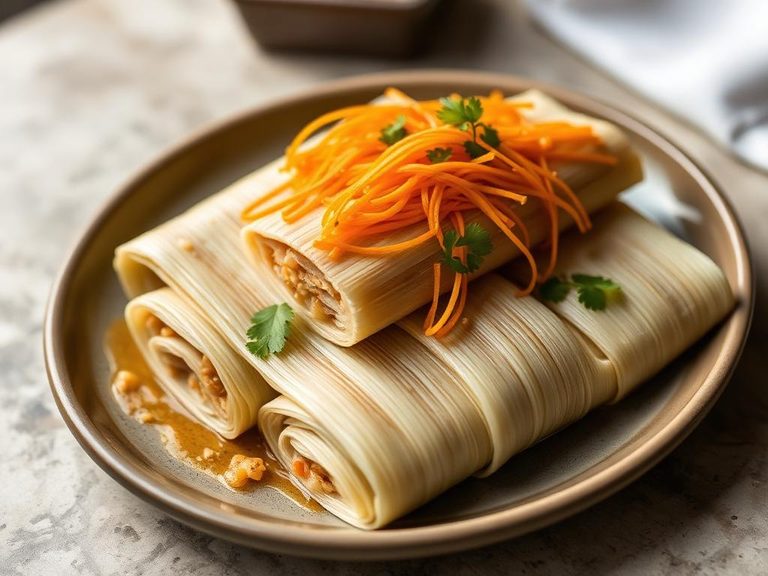
People love it for its deep, comforting corn flavor that forms the soul of iconic dishes like tortillas and cornbread. Its versatility shines in both sweet and savory cooking, from rustic flatbreads to delicate pastries.
⚠️ Watch-outs & how to enjoy it better
Its high carbohydrate content can cause rapid blood-sugar spikes if consumed alone or in large portions. To counteract this, always pair it with protein (like beans or cheese) or healthy fats (like avocado or olive oil) to slow digestion. Also, as a whole grain, it contains phytic acid which can reduce mineral absorption; soaking or fermenting the dough (as in traditional masa preparation) helps mitigate this.
Key benefits
- Excellent source of dietary fiber for digestive health.
- Rich in carotenoid antioxidants lutein and zeaxanthin.
- Provides sustained energy from complex carbohydrates.
- Naturally gluten-free, suitable for many dietary needs.
- Contains essential minerals like magnesium and phosphorus.
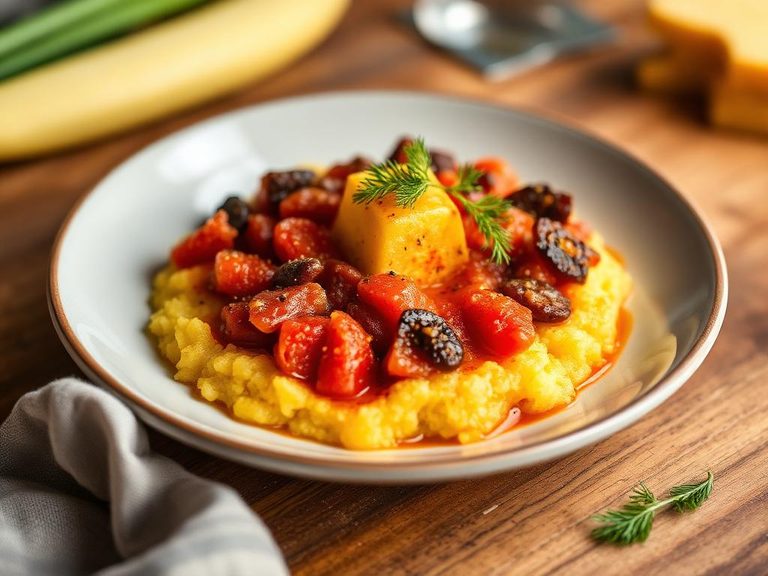
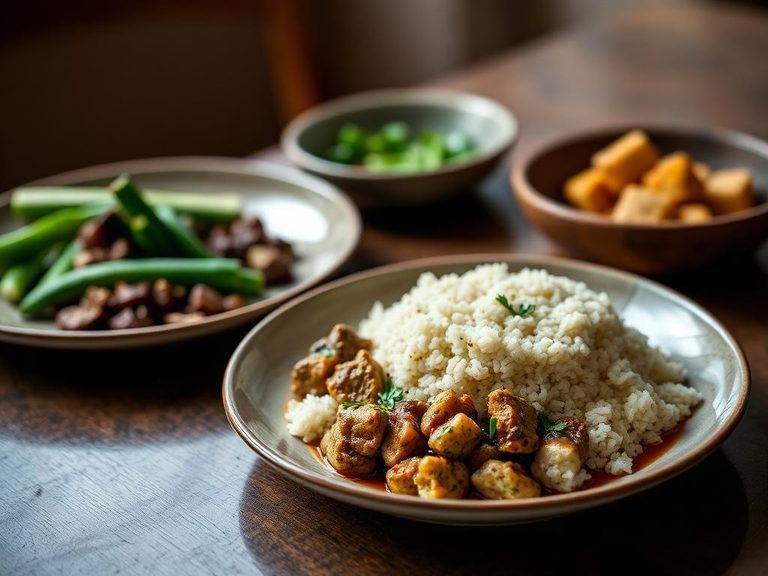
🍽️ Popular dishes

🌍 Where it's eaten
💡 Did you know?
The process of nixtamalization, where corn is soaked in an alkaline solution like lime water, was a Mesoamerican innovation that dramatically increased the bioavailability of niacin (vitamin B3) and prevented pellagra in populations reliant on corn.
Full nutrition (USDA data · scales with serving)
| Water | 10.9 g |
| Energy | 361 kcal |
| Energy | 1510 kj |
| Protein | 6.9 g |
| Total lipid (fat) | 3.9 g |
| Ash | 1.4 g |
| Carbohydrate, by difference | 76.8 g |
| Fiber, total dietary | 7.3 g |
| Total Sugars | 0.64 g |
| Calcium, Ca | 7.0 mg |
| Iron, Fe | 2.4 mg |
| Magnesium, Mg | 93.0 mg |
| Phosphorus, P | 272 mg |
| Potassium, K | 315 mg |
| Sodium, Na | 5.0 mg |
| Zinc, Zn | 1.7 mg |
| Copper, Cu | 0.23 mg |
| Manganese, Mn | 0.46 mg |
| Selenium, Se | 15.4 ug |
| Vitamin C, total ascorbic acid | 0.00 mg |
| Thiamin | 0.25 mg |
| Riboflavin | 0.08 mg |
| Niacin | 1.9 mg |
| Pantothenic acid | 0.66 mg |
| Vitamin B-6 | 0.37 mg |
| Folate, total | 25.0 ug |
| Folic acid | 0.00 ug |
| Folate, food | 25.0 ug |
| Folate, DFE | 25.0 ug |
| Choline, total | 21.6 mg |
| Vitamin B-12 | 0.00 ug |
| Vitamin B-12, added | 0.00 ug |
| Vitamin A, RAE | 11.0 ug |
| Retinol | 0.00 ug |
| Carotene, beta | 97.0 ug |
| Carotene, alpha | 63.0 ug |
| Cryptoxanthin, beta | 0.00 ug |
| Vitamin A, IU | 214 iu |
| Lycopene | 0.00 ug |
| Lutein + zeaxanthin | 1355 ug |
| Vitamin E (alpha-tocopherol) | 0.42 mg |
| Vitamin E, added | 0.00 mg |
| Vitamin D (D2 + D3), International Units | 0.00 iu |
| Vitamin D (D2 + D3) | 0.00 ug |
| Vitamin K (phylloquinone) | 0.30 ug |
| Alcohol, ethyl | 0.00 g |
| Caffeine | 0.00 mg |
| Theobromine | 0.00 mg |
Fat & fatty acid profile (per 100g)
| Fatty acids, total saturated | 0.54 g |
| SFA 4:0 | 0.00 g |
| SFA 6:0 | 0.00 g |
| SFA 8:0 | 0.00 g |
| SFA 10:0 | 0.00 g |
| SFA 12:0 | 0.00 g |
| SFA 14:0 | 0.00 g |
| SFA 16:0 | 0.46 g |
| SFA 18:0 | 0.06 g |
| Fatty acids, total monounsaturated | 1.0 g |
| MUFA 16:1 | 0.00 g |
| MUFA 18:1 | 1.0 g |
| MUFA 20:1 | 0.00 g |
| MUFA 22:1 | 0.00 g |
| Fatty acids, total polyunsaturated | 1.8 g |
| PUFA 18:2 | 1.7 g |
| PUFA 18:3 | 0.05 g |
| PUFA 18:4 | 0.00 g |
| PUFA 20:4 | 0.00 g |
| PUFA 20:5 n-3 (EPA) | 0.00 g |
| PUFA 22:5 n-3 (DPA) | 0.00 g |
| PUFA 22:6 n-3 (DHA) | 0.00 g |
| Cholesterol | 0.00 mg |
Amino acid profile (per 100g)
| Tryptophan | 0.05 g |
| Threonine | 0.26 g |
| Isoleucine | 0.25 g |
| Leucine | 0.85 g |
| Lysine | 0.20 g |
| Methionine | 0.14 g |
| Cystine | 0.13 g |
| Phenylalanine | 0.34 g |
| Tyrosine | 0.28 g |
| Valine | 0.35 g |
| Arginine | 0.34 g |
| Histidine | 0.21 g |
| Alanine | 0.52 g |
| Aspartic acid | 0.48 g |
| Glutamic acid | 1.3 g |
| Glycine | 0.28 g |
| Proline | 0.60 g |
| Serine | 0.33 g |
FAQ
What is the difference between corn flour and cornmeal?
Corn flour is typically ground to a fine, powdery consistency, while cornmeal is ground more coarsely, resulting in a gritty texture. Their uses in recipes differ accordingly.
Is whole-grain yellow corn flour gluten-free?
Yes, pure corn flour is naturally gluten-free. However, it's always important to check labels for potential cross-contamination if you have celiac disease or severe gluten sensitivity.
How should I store it?
For optimal freshness, store it in an airtight container in a cool, dark place like a pantry for a few months, or in the refrigerator or freezer for up to a year to prevent the natural oils from going rancid.
Nutrient density (calculated · NRF9.3)
Nutrient Rich Foods index: beneficial nutrients (protein, fiber, vitamins, minerals) minus saturated fat, added sugar & sodium, per 100 kcal.
NRF9.3 index — Fulgoni, Keast & Drewnowski, 2009. Computed from USDA nutrients.
Weight-loss friendliness (composite index)
Energy density 3.61 kcal/g · 8% calories from protein · 7.3 g fiber · 0.6 g sugar per 100 g.
Composite of energy density (Rolls et al., 1999), protein & fiber satiety, minus sugar. A calculated heuristic — ranks satiety-per-calorie, not a clinical measure.
Dietary load (calculated from USDA values)
Potential renal acid load. Positive = acid-forming, negative = alkaline-forming.
Sodium-to-potassium ratio: 0.02 (lower is better — aim for ≤ 1)
Sodium:potassium per WHO potassium guidance. Computed from USDA nutrients.