

Coffee, Cappuccino, with non-dairy milk
Common food

Photo: Wikipedia
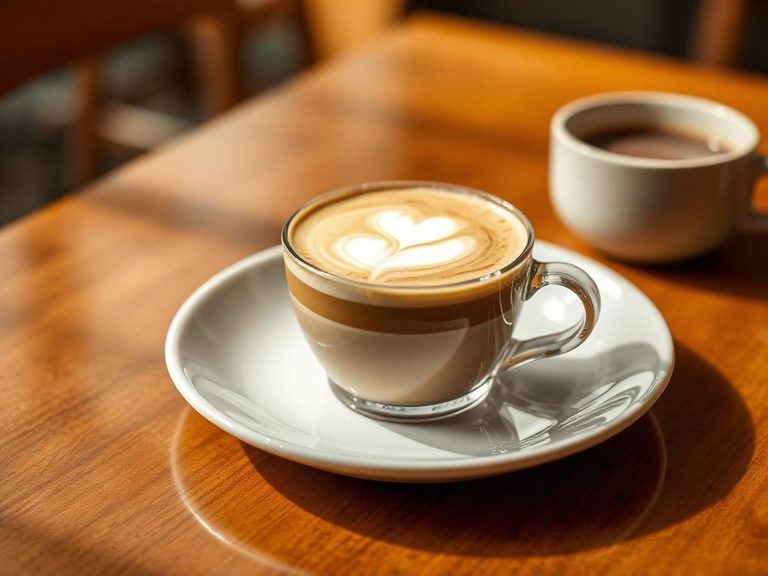
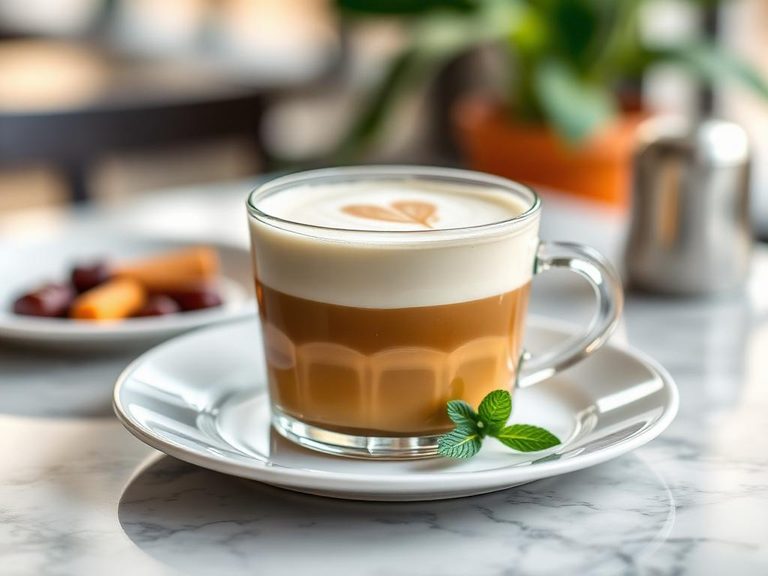
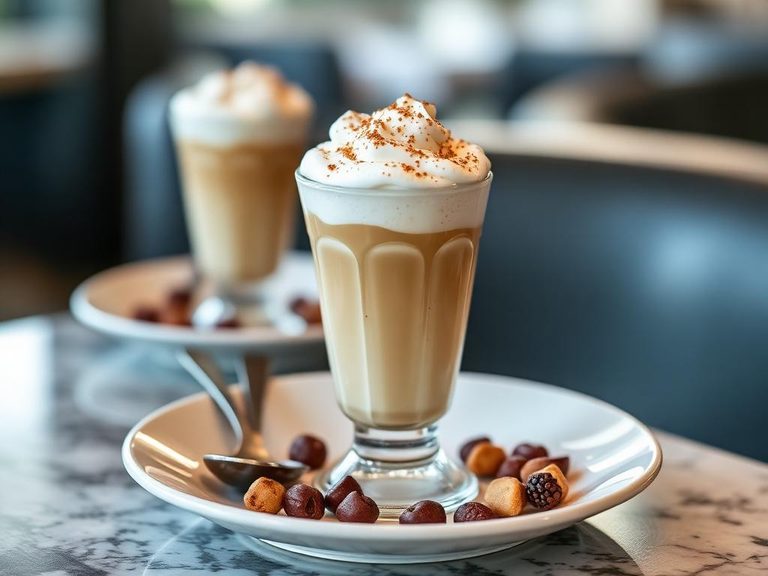
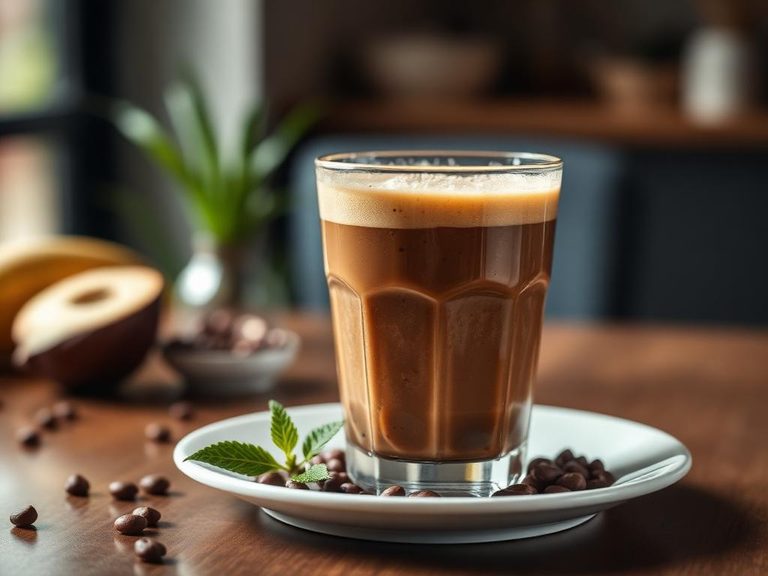
A cappuccino made with non-dairy milk is a velvety, espresso-based drink where the coffee's bold bitterness is softened by the creamy, often subtly sweet or nutty character of plant-based milk. Its light, frothy texture makes it a comforting yet low-calorie indulgence, with a nutritional profile that is notably lean at just 17 kcal per 100g. The drink offers a gentle caffeine lift without the heaviness of dairy, making it a popular choice for those seeking a lighter coffee experience.
Calorie split: 14% protein · 42% carbs · 44% fat
↓ Full nutrition💚 Why it's loved
People love it for its smooth, balanced flavor that marries the rich, roasted notes of espresso with the gentle, often nutty or oat-like sweetness of non-dairy milk. It's a versatile, culturally ingrained ritual—whether a morning pick-me-up or an afternoon treat—that fits seamlessly into modern, health-conscious lifestyles.
⚠️ Watch-outs & how to enjoy it better
The primary downside is that some non-dairy milks (like oat or rice) can cause blood-sugar spikes due to their higher carb content, and they may lack the protein density of dairy. To counteract this, pair the cappuccino with a protein-rich snack (like nuts or Greek yogurt) and opt for unsweetened, barista-style plant milks to minimize added sugars.
Key benefits
- Very low in calories (17 kcal per 100g), suitable for weight management.
- Dairy-free, making it accessible for lactose-intolerant individuals or vegans.
- Provides a moderate caffeine boost for alertness without heavy calories.
- Often fortified with calcium and vitamins (e.g., B12, D) in plant milks.
- Low in fat (0.84g per 100g) compared to full-fat dairy cappuccinos.
🍽️ Popular dishes


🌍 Where it's eaten
💡 Did you know?
The traditional Italian cappuccino is named after the Capuchin friars, whose brown robes resembled the drink's color, and it is strictly a morning beverage in Italy—ordering one after 11 AM is considered a faux pas!
Full nutrition (USDA data · scales with serving)
| Water | 96.4 g |
| Energy | 17.0 kcal |
| Protein | 0.60 g |
| Total lipid (fat) | 0.84 g |
| Carbohydrate, by difference | 1.8 g |
| Fiber, total dietary | 0.10 g |
| Total Sugars | 1.0 g |
| Calcium, Ca | 79.0 mg |
| Iron, Fe | 0.18 mg |
| Magnesium, Mg | 19.0 mg |
| Phosphorus, P | 19.0 mg |
| Potassium, K | 46.0 mg |
| Sodium, Na | 29.0 mg |
| Zinc, Zn | 0.11 mg |
| Copper, Cu | 0.03 mg |
| Selenium, Se | 0.30 ug |
| Vitamin C, total ascorbic acid | 0.00 mg |
| Thiamin | 0.01 mg |
| Riboflavin | 0.05 mg |
| Niacin | 0.93 mg |
| Vitamin B-6 | 0.01 mg |
| Folate, total | 2.0 ug |
| Folic acid | 0.00 ug |
| Folate, food | 2.0 ug |
| Folate, DFE | 2.0 ug |
| Choline, total | 3.9 mg |
| Vitamin B-12 | 0.19 ug |
| Vitamin B-12, added | 0.19 ug |
| Vitamin A, RAE | 18.0 ug |
| Retinol | 18.0 ug |
| Carotene, beta | 0.00 ug |
| Carotene, alpha | 0.00 ug |
| Cryptoxanthin, beta | 0.00 ug |
| Lycopene | 0.00 ug |
| Lutein + zeaxanthin | 2.0 ug |
| Vitamin E (alpha-tocopherol) | 1.1 mg |
| Vitamin E, added | 1.0 mg |
| Vitamin D (D2 + D3) | 0.50 ug |
| Vitamin K (phylloquinone) | 0.50 ug |
| Alcohol, ethyl | 0.00 g |
| Caffeine | 36.0 mg |
| Theobromine | 0.00 mg |
Fat & fatty acid profile (per 100g)
| Fatty acids, total saturated | 0.10 g |
| SFA 4:0 | 0.00 g |
| SFA 6:0 | 0.00 g |
| SFA 8:0 | 0.00 g |
| SFA 10:0 | 0.00 g |
| SFA 12:0 | 0.00 g |
| SFA 14:0 | 0.00 g |
| SFA 16:0 | 0.07 g |
| SFA 18:0 | 0.02 g |
| Fatty acids, total monounsaturated | 0.40 g |
| MUFA 16:1 | 0.00 g |
| MUFA 18:1 | 0.39 g |
| MUFA 20:1 | 0.01 g |
| MUFA 22:1 | 0.00 g |
| Fatty acids, total polyunsaturated | 0.27 g |
| PUFA 18:2 | 0.24 g |
| PUFA 18:3 | 0.03 g |
| PUFA 18:4 | 0.00 g |
| PUFA 20:4 | 0.00 g |
| PUFA 20:5 n-3 (EPA) | 0.00 g |
| PUFA 22:5 n-3 (DPA) | 0.00 g |
| PUFA 22:6 n-3 (DHA) | 0.00 g |
| Cholesterol | 0.00 mg |
Amino acid profile (per 100g)
Estimated from Cream, fluid, light (coffee cream or table cream) — USDA does not publish this profile for Coffee.
| Tryptophan | 0.07 g |
| Threonine | 0.13 g |
| Isoleucine | 0.15 g |
| Leucine | 0.24 g |
| Lysine | 0.13 g |
| Methionine | 0.07 g |
| Cystine | 0.01 g |
| Phenylalanine | 0.14 g |
| Tyrosine | 0.14 g |
| Valine | 0.18 g |
| Arginine | 0.07 g |
| Histidine | 0.07 g |
| Alanine | 0.09 g |
| Aspartic acid | 0.22 g |
| Glutamic acid | 0.59 g |
| Glycine | 0.07 g |
| Proline | 0.31 g |
| Serine | 0.10 g |
FAQ
Is a non-dairy cappuccino healthier than a dairy one?
It can be, as it's typically lower in calories and fat, but it depends on the plant milk used—some are fortified with nutrients, while others may contain added sugars or thickeners.
What non-dairy milk works best for a cappuccino?
Oat milk is popular for its creamy texture and ability to froth well, while almond milk offers a lighter, nuttier taste; soy milk provides a protein boost and good foam.
Does a non-dairy cappuccino contain caffeine?
Yes, it contains espresso, which has caffeine—typically around 63 mg per shot, though this can vary by coffee bean and preparation.
Nutrient density (calculated · NRF9.3)
Nutrient Rich Foods index: beneficial nutrients (protein, fiber, vitamins, minerals) minus saturated fat, added sugar & sodium, per 100 kcal.
NRF9.3 index — Fulgoni, Keast & Drewnowski, 2009. Computed from USDA nutrients.
Weight-loss friendliness (composite index)
Energy density 0.17 kcal/g · 14% calories from protein · 0.1 g fiber · 1.0 g sugar per 100 g.
Composite of energy density (Rolls et al., 1999), protein & fiber satiety, minus sugar. A calculated heuristic — ranks satiety-per-calorie, not a clinical measure.
Dietary load (calculated from USDA values)
Potential renal acid load. Positive = acid-forming, negative = alkaline-forming.
Sodium-to-potassium ratio: 0.63 (lower is better — aim for ≤ 1)
Sodium:potassium per WHO potassium guidance. Computed from USDA nutrients.