

Chicken, NS as to part, rotisserie, NS as to skin eaten
Common food
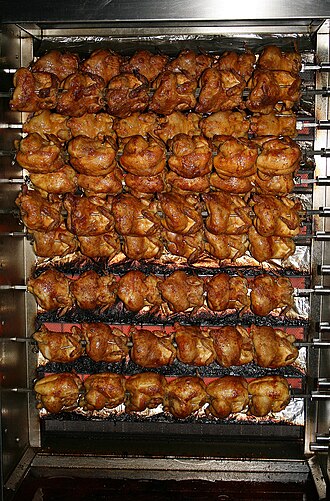
Photo: Wikipedia
Rotisserie chicken is a whole bird cooked on a rotating spit, resulting in a deeply savory, juicy interior with a crisp, golden-brown skin. The meat is tender and infused with the rendered fat and juices from the cooking process, creating a rich, umami flavor. It's a nutritional powerhouse, delivering an impressive 26.79 grams of high-quality protein per 100g with zero carbohydrates.
Calorie split: 65% protein · 0% carbs · 35% fat
↓ Full nutrition💚 Why it's loved
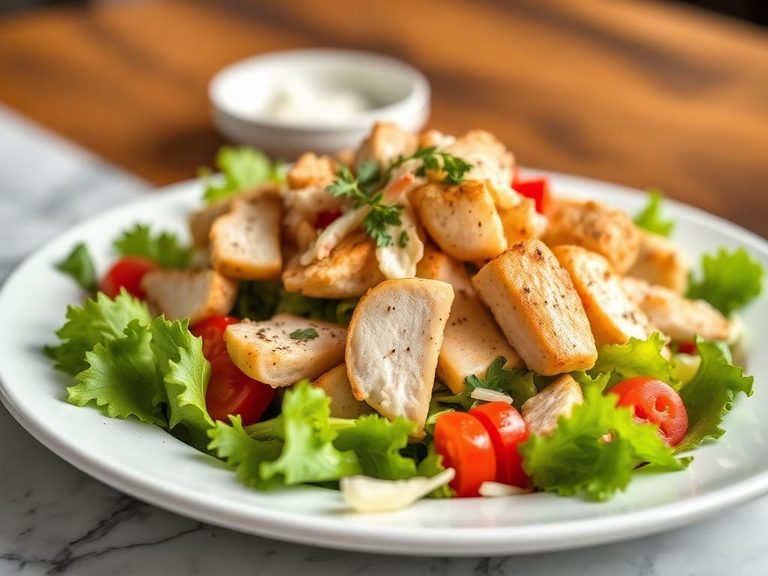
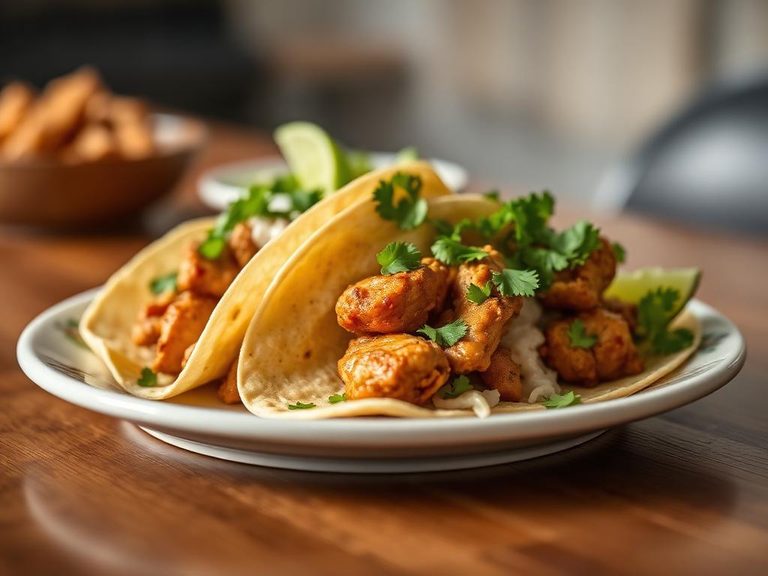
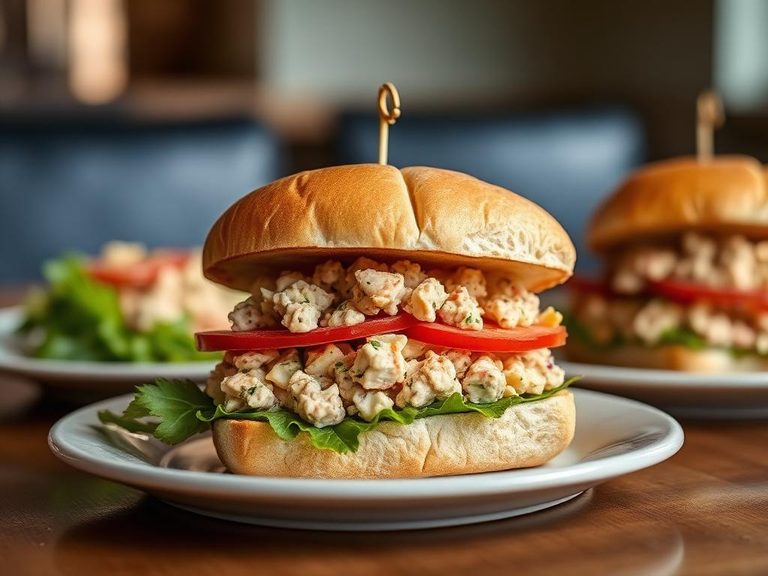
People adore rotisserie chicken for its effortless, savory flavor and incredible versatility—it's a ready-to-eat centerpiece that can be shredded for salads, tacos, or soups, or enjoyed as a simple, satisfying meal. Its comforting aroma and taste are deeply embedded in casual dining and home cooking across many cultures.
⚠️ Watch-outs & how to enjoy it better
The skin, while flavorful, is high in saturated fat and calories, and the cooking process can lead to high sodium content in pre-seasoned birds. Those monitoring fat intake or sodium should opt for skinless portions and check labels for added salt. A concrete tip is to pair the chicken with fiber-rich vegetables to balance the meal and enhance satiety.
Key benefits
- Excellent source of complete, lean protein for muscle maintenance and satiety.
- Naturally zero-carb, making it suitable for ketogenic and low-carb diets.
- Provides essential nutrients like niacin, vitamin B6, and selenium.
- The rotisserie method allows fat to render away, often resulting in a leaner final product than other fried or pan-cooked methods.
🍽️ Popular dishes
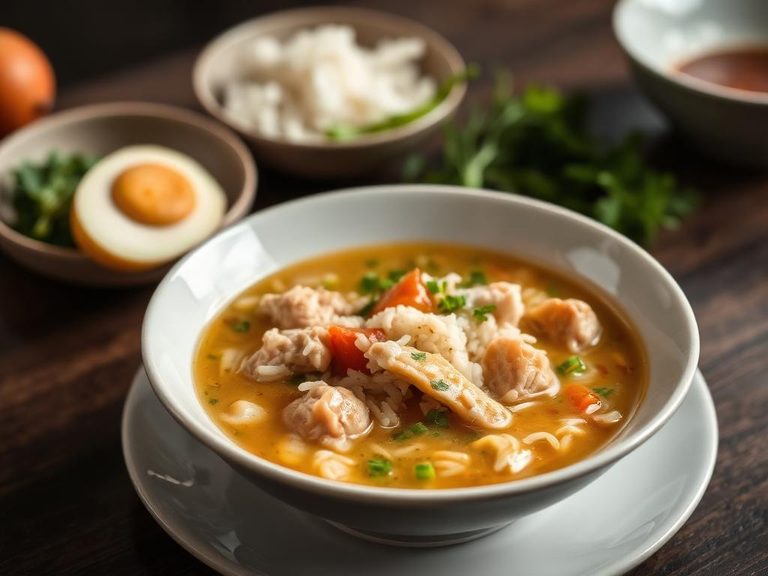
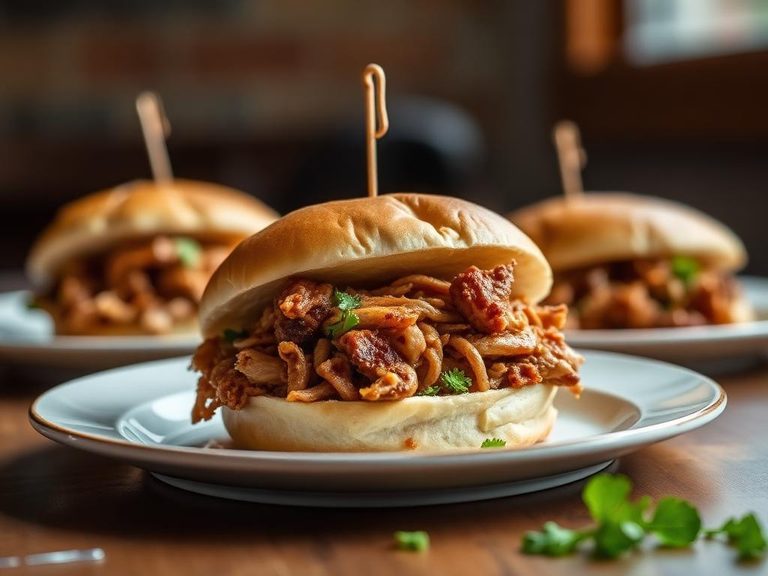
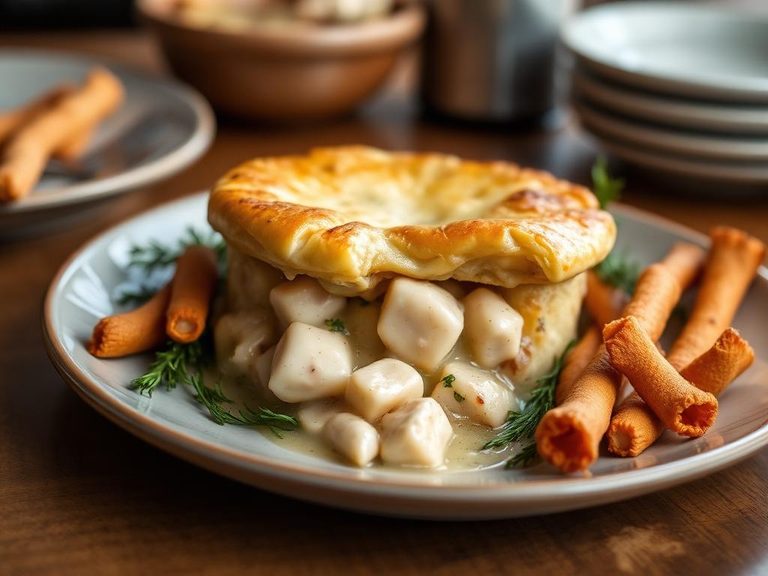
🌍 Where it's eaten
💡 Did you know?
The term 'rotisserie' comes from the French word 'rôtir,' meaning 'to roast,' and the method of spit-roasting meat dates back to at least the 15th century, long before modern ovens.
Full nutrition (USDA data · scales with serving)
| Water | 66.0 g |
| Energy | 164 kcal |
| Protein | 26.8 g |
| Total lipid (fat) | 6.4 g |
| Carbohydrate, by difference | 0.00 g |
| Fiber, total dietary | 0.00 g |
| Total Sugars | 0.00 g |
| Calcium, Ca | 14.0 mg |
| Iron, Fe | 0.73 mg |
| Magnesium, Mg | 23.0 mg |
| Phosphorus, P | 237 mg |
| Potassium, K | 279 mg |
| Sodium, Na | 345 mg |
| Zinc, Zn | 1.6 mg |
| Copper, Cu | 0.06 mg |
| Selenium, Se | 24.0 ug |
| Vitamin C, total ascorbic acid | 0.00 mg |
| Thiamin | 0.07 mg |
| Riboflavin | 0.18 mg |
| Niacin | 7.6 mg |
| Vitamin B-6 | 0.25 mg |
| Folate, total | 10.0 ug |
| Folic acid | 0.00 ug |
| Folate, food | 8.0 ug |
| Folate, DFE | 8.0 ug |
| Choline, total | 66.3 mg |
| Vitamin B-12 | 0.36 ug |
| Vitamin B-12, added | 0.00 ug |
| Vitamin A, RAE | 8.0 ug |
| Retinol | 8.0 ug |
| Carotene, beta | 0.00 ug |
| Carotene, alpha | 0.00 ug |
| Cryptoxanthin, beta | 0.00 ug |
| Lycopene | 0.00 ug |
| Lutein + zeaxanthin | 0.00 ug |
| Vitamin E (alpha-tocopherol) | 0.41 mg |
| Vitamin E, added | 0.00 mg |
| Vitamin D (D2 + D3) | 0.00 ug |
| Vitamin K (phylloquinone) | 0.00 ug |
| Alcohol, ethyl | 0.00 g |
| Caffeine | 0.00 mg |
| Theobromine | 0.00 mg |
Fat & fatty acid profile (per 100g)
| Fatty acids, total saturated | 1.6 g |
| SFA 4:0 | 0.00 g |
| SFA 6:0 | 0.00 g |
| SFA 8:0 | 0.00 g |
| SFA 10:0 | 0.00 g |
| SFA 12:0 | 0.00 g |
| SFA 14:0 | 0.03 g |
| SFA 16:0 | 1.3 g |
| SFA 18:0 | 0.28 g |
| Fatty acids, total monounsaturated | 2.7 g |
| MUFA 16:1 | 0.46 g |
| MUFA 18:1 | 2.2 g |
| MUFA 20:1 | 0.02 g |
| MUFA 22:1 | 0.00 g |
| Fatty acids, total polyunsaturated | 0.94 g |
| PUFA 18:2 | 0.86 g |
| PUFA 18:3 | 0.05 g |
| PUFA 18:4 | 0.00 g |
| PUFA 20:4 | 0.02 g |
| PUFA 20:5 n-3 (EPA) | 0.00 g |
| PUFA 22:5 n-3 (DPA) | 0.00 g |
| PUFA 22:6 n-3 (DHA) | 0.00 g |
| Cholesterol | 112 mg |
Amino acid profile (per 100g)
Estimated from Restaurant, Latino, chicken and rice, entree, prepared — USDA does not publish this profile for Chicken.
| Tryptophan | 0.16 g |
| Threonine | 0.50 g |
| Isoleucine | 0.55 g |
| Leucine | 0.93 g |
| Lysine | 0.93 g |
| Methionine | 0.31 g |
| Cystine | 0.15 g |
| Phenylalanine | 0.51 g |
| Tyrosine | 0.35 g |
| Valine | 0.62 g |
| Arginine | 0.80 g |
| Histidine | 0.40 g |
| Alanine | 0.68 g |
| Aspartic acid | 1.1 g |
| Glutamic acid | 1.9 g |
| Glycine | 0.58 g |
| Proline | 0.51 g |
| Serine | 0.47 g |
FAQ
Is rotisserie chicken healthier than fried chicken?
Generally, yes. Rotisserie chicken is roasted, allowing excess fat to drip away, whereas deep-frying adds significant oil and calories. However, the skin and any added marinades or seasonings can still contribute to the fat and sodium content.
Can I eat the skin?
The skin is edible and adds flavor and texture, but it is the fattiest part of the chicken. Removing it significantly reduces the fat and calorie count of your serving.
How should I store leftover rotisserie chicken?
Remove meat from the bone, place it in an airtight container, and refrigerate for up to 3-4 days. For longer storage, freeze the shredded meat for up to 4 months.
Nutrient density (calculated · NRF9.3)
Nutrient Rich Foods index: beneficial nutrients (protein, fiber, vitamins, minerals) minus saturated fat, added sugar & sodium, per 100 kcal.
NRF9.3 index — Fulgoni, Keast & Drewnowski, 2009. Computed from USDA nutrients.
Weight-loss friendliness (composite index)
Energy density 1.64 kcal/g · 65% calories from protein · 0.0 g fiber · 0.0 g sugar per 100 g.
Composite of energy density (Rolls et al., 1999), protein & fiber satiety, minus sugar. A calculated heuristic — ranks satiety-per-calorie, not a clinical measure.
Dietary load (calculated from USDA values)
Potential renal acid load. Positive = acid-forming, negative = alkaline-forming.
Sodium-to-potassium ratio: 1.24 (lower is better — aim for ≤ 1)
Sodium:potassium per WHO potassium guidance. Computed from USDA nutrients.