

Cheese, Colby Jack
Common food

Photo: Wikipedia
Colby Jack is a marbled, semi-soft cheese made by blending orange Colby and white Monterey Jack curds during the cheesemaking process. It has a mild, creamy, and slightly tangy flavor with a smooth, supple texture that melts beautifully. Nutritionally, it's a dense source of high-quality protein and fat, providing nearly 400 calories per 100 grams.
Calorie split: 24% protein · 2% carbs · 74% fat
↓ Full nutrition💚 Why it's loved
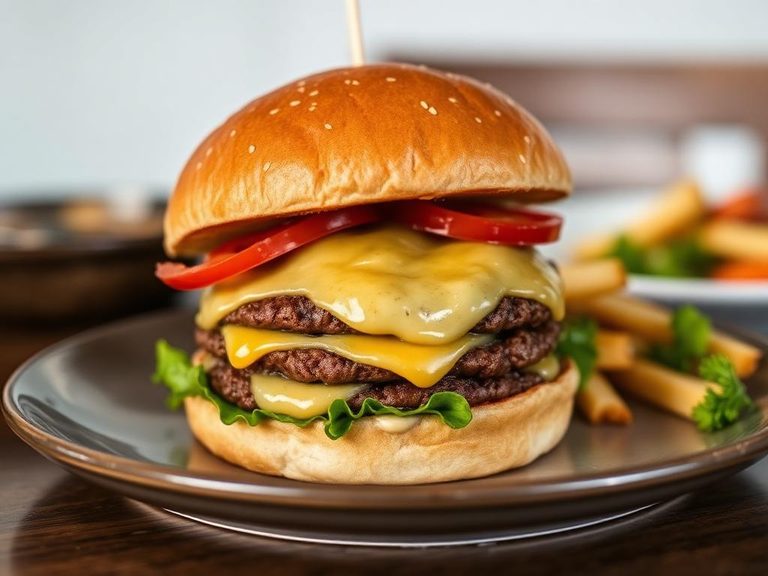
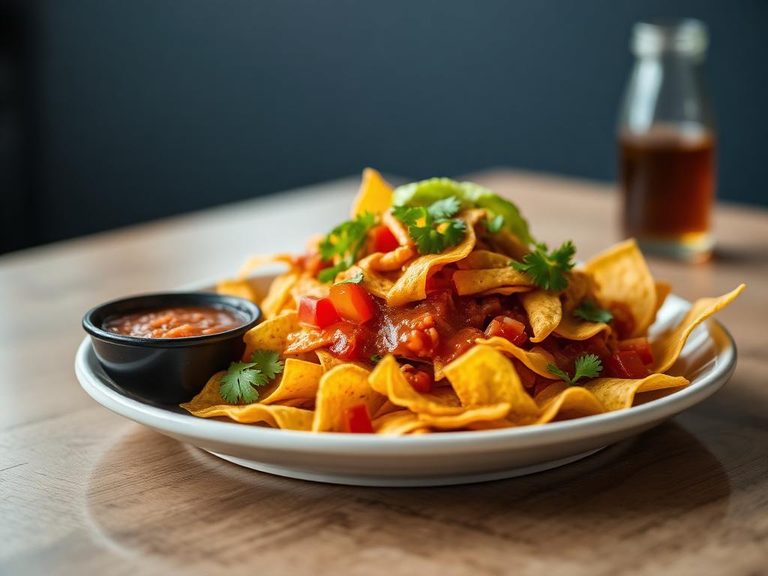
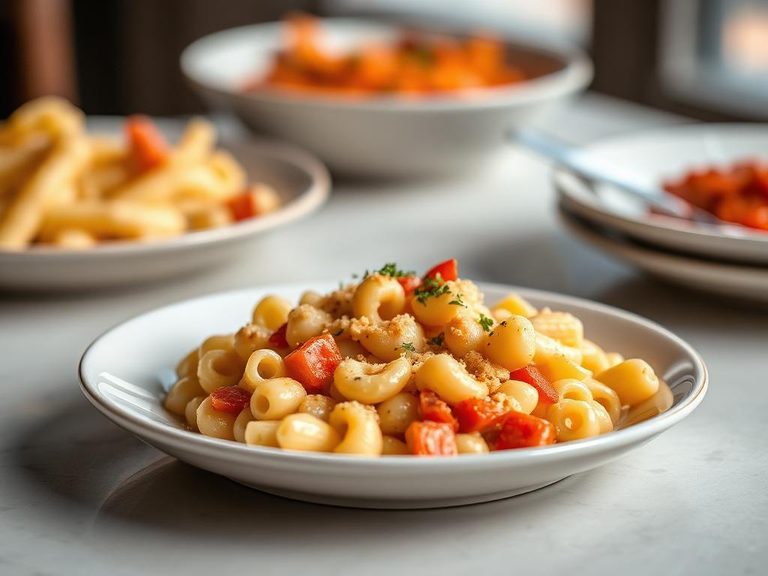
People adore Colby Jack for its crowd-pleasing, mild flavor and signature orange-and-white marbling that makes it visually appealing. Its exceptional melting properties and versatility make it a staple for everything from sandwiches and burgers to nachos and casseroles.
⚠️ Watch-outs & how to enjoy it better
As a high-fat, calorie-dense cheese, it should be consumed mindfully by those managing weight or saturated fat intake. It is also a dairy product, a common allergen, and can be high in sodium. To enjoy it healthily, practice portion control (stick to a 1-ounce serving), pair it with high-fiber vegetables like celery or carrots, or use it as a flavorful accent in a dish rather than the main ingredient.
Key benefits
- Excellent source of complete protein for muscle maintenance.
- Rich in calcium for bone and dental health.
- Provides conjugated linoleic acid (CLA), a fatty acid studied for metabolic effects.
- Contains vitamin A, essential for vision and immune function.
- Offers phosphorus, which works with calcium for bone strength.
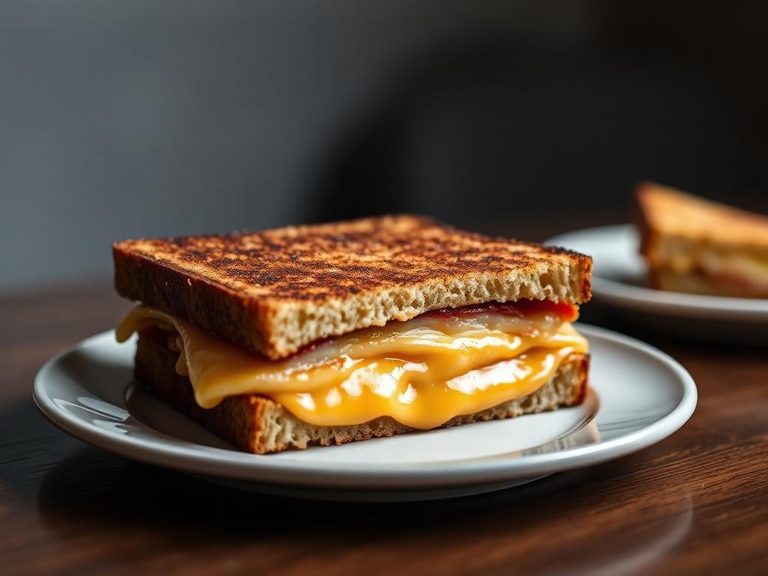
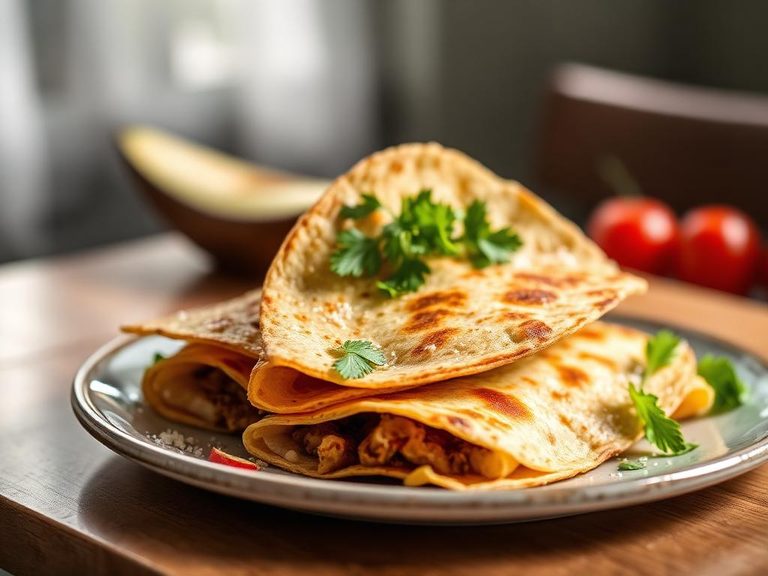
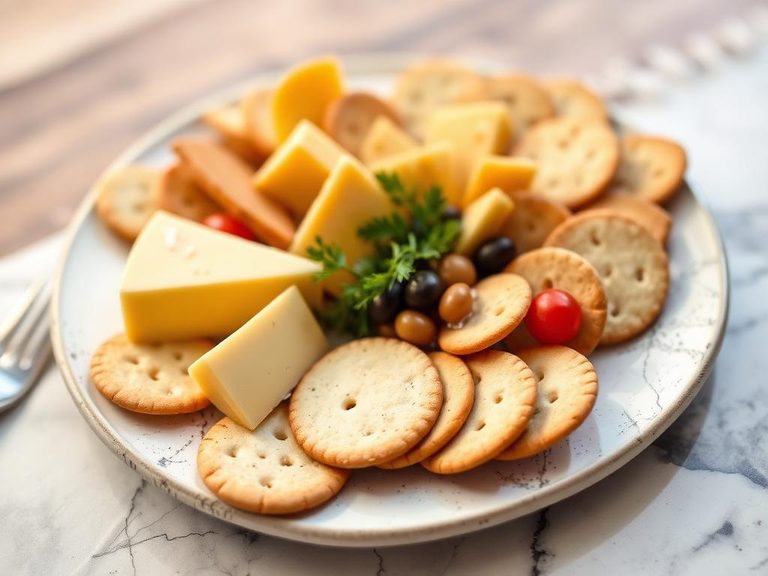
🍽️ Popular dishes
🌍 Where it's eaten
💡 Did you know?
The marbled effect of Colby Jack is achieved by gently mixing the curds of two different cheeses—orange Colby and white Monterey Jack—before pressing them into a block, a technique that creates its distinctive two-tone appearance.
Full nutrition (USDA data · scales with serving)
| Water | 38.7 g |
| Energy | 393 kcal |
| Protein | 23.2 g |
| Total lipid (fat) | 32.4 g |
| Carbohydrate, by difference | 2.2 g |
| Fiber, total dietary | 0.00 g |
| Total Sugars | 0.51 g |
| Calcium, Ca | 700 mg |
| Iron, Fe | 0.38 mg |
| Magnesium, Mg | 28.0 mg |
| Phosphorus, P | 464 mg |
| Potassium, K | 105 mg |
| Sodium, Na | 633 mg |
| Zinc, Zn | 3.4 mg |
| Copper, Cu | 0.02 mg |
| Selenium, Se | 14.5 ug |
| Vitamin C, total ascorbic acid | 0.00 mg |
| Thiamin | 0.01 mg |
| Riboflavin | 0.38 mg |
| Niacin | 0.09 mg |
| Vitamin B-6 | 0.08 mg |
| Folate, total | 18.0 ug |
| Folic acid | 0.00 ug |
| Folate, food | 18.0 ug |
| Folate, DFE | 18.0 ug |
| Choline, total | 15.4 mg |
| Vitamin B-12 | 0.83 ug |
| Vitamin B-12, added | 0.00 ug |
| Vitamin A, RAE | 228 ug |
| Retinol | 224 ug |
| Carotene, beta | 41.0 ug |
| Carotene, alpha | 0.00 ug |
| Cryptoxanthin, beta | 0.00 ug |
| Lycopene | 0.00 ug |
| Lutein + zeaxanthin | 0.00 ug |
| Vitamin E (alpha-tocopherol) | 0.27 mg |
| Vitamin E, added | 0.00 mg |
| Vitamin D (D2 + D3) | 0.30 ug |
| Vitamin K (phylloquinone) | 2.6 ug |
| Alcohol, ethyl | 0.00 g |
| Caffeine | 0.00 mg |
| Theobromine | 0.00 mg |
Fat & fatty acid profile (per 100g)
| Fatty acids, total saturated | 19.7 g |
| SFA 4:0 | 1.0 g |
| SFA 6:0 | 0.25 g |
| SFA 8:0 | 0.32 g |
| SFA 10:0 | 0.58 g |
| SFA 12:0 | 0.73 g |
| SFA 14:0 | 3.4 g |
| SFA 16:0 | 8.8 g |
| SFA 18:0 | 3.2 g |
| Fatty acids, total monounsaturated | 8.0 g |
| MUFA 16:1 | 0.95 g |
| MUFA 18:1 | 7.6 g |
| MUFA 20:1 | 0.00 g |
| MUFA 22:1 | 0.00 g |
| Fatty acids, total polyunsaturated | 0.93 g |
| PUFA 18:2 | 0.71 g |
| PUFA 18:3 | 0.27 g |
| PUFA 18:4 | 0.00 g |
| PUFA 20:4 | 0.00 g |
| PUFA 20:5 n-3 (EPA) | 0.00 g |
| PUFA 22:5 n-3 (DPA) | 0.00 g |
| PUFA 22:6 n-3 (DHA) | 0.00 g |
| Cholesterol | 98.0 mg |
Amino acid profile (per 100g)
Estimated from Crackers, cheese, sandwich-type with cheese filling — USDA does not publish this profile for Cheese.
| Tryptophan | 0.11 g |
| Threonine | 0.33 g |
| Isoleucine | 0.36 g |
| Leucine | 0.64 g |
| Lysine | 0.39 g |
| Methionine | 0.15 g |
| Cystine | 0.15 g |
| Phenylalanine | 0.35 g |
| Tyrosine | 0.25 g |
| Valine | 0.38 g |
| Arginine | 0.29 g |
| Histidine | 0.17 g |
| Alanine | 0.30 g |
| Aspartic acid | 0.52 g |
| Glutamic acid | 2.2 g |
| Glycine | 0.24 g |
| Proline | 0.77 g |
| Serine | 0.40 g |
FAQ
What's the difference between Colby Jack and Co-Jack?
They are the same cheese. 'Co-Jack' is simply a common abbreviation or nickname for Colby Jack.
Is Colby Jack a good melting cheese?
Yes, it's an excellent melting cheese due to its high moisture content and smooth texture, making it ideal for grilled cheese, nachos, and sauces.
How long does Colby Jack last in the fridge?
When properly wrapped, it typically stays fresh for 3 to 4 weeks. For longer storage, it can be frozen, though the texture may become crumbly.
Nutrient density (calculated · NRF9.3)
Nutrient Rich Foods index: beneficial nutrients (protein, fiber, vitamins, minerals) minus saturated fat, added sugar & sodium, per 100 kcal.
NRF9.3 index — Fulgoni, Keast & Drewnowski, 2009. Computed from USDA nutrients.
Weight-loss friendliness (composite index)
Energy density 3.93 kcal/g · 24% calories from protein · 0.0 g fiber · 0.5 g sugar per 100 g.
Composite of energy density (Rolls et al., 1999), protein & fiber satiety, minus sugar. A calculated heuristic — ranks satiety-per-calorie, not a clinical measure.
Dietary load (calculated from USDA values)
Potential renal acid load. Positive = acid-forming, negative = alkaline-forming.
Sodium-to-potassium ratio: 6.03 (lower is better — aim for ≤ 1)
Sodium:potassium per WHO potassium guidance. Computed from USDA nutrients.