

Carrots, NS as to form, cooked
Common food

Photo: Wikipedia
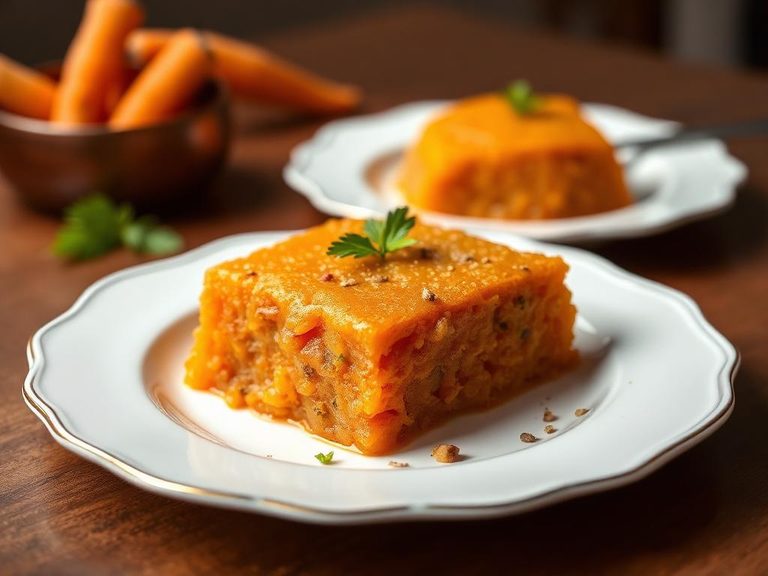
Cooked carrots, prepared in any form, transform into tender, sweet morsels with a deep orange hue. Their texture ranges from pleasantly firm to melt-in-your-mouth soft, depending on the cooking method, while their natural sugars caramelize to enhance their inherent sweetness. Nutritionally, they are a standout source of beta-carotene, which the body converts to vitamin A, and provide a good amount of fiber for digestive health.
Calorie split: 5% protein · 57% carbs · 37% fat
↓ Full nutrition💚 Why it's loved
People love cooked carrots for their comforting, sweet flavor and satisfyingly soft texture that complements both savory and sweet dishes. They are a kitchen chameleon, easily roasted, glazed, steamed, or puréed, making them a beloved staple in cuisines worldwide from stews to desserts.
⚠️ Watch-outs & how to enjoy it better
While nutritious, carrots have a moderate glycemic index when cooked, which can cause a quicker blood sugar rise compared to raw carrots. To mitigate this, pair them with a source of protein (like lentils) or healthy fat (like olive oil or nuts) to slow digestion. Overcooking can also lead to a mushy texture and nutrient loss; aim for tender-crisp when possible.
Key benefits
- Excellent source of beta-carotene, a precursor to vitamin A.
- Provides dietary fiber to support healthy digestion.
- Contains antioxidants like lutein and lycopene.
- Naturally low in sodium and cholesterol-free.
- A versatile, low-calorie vegetable for adding volume and nutrients to meals.
🍽️ Popular dishes
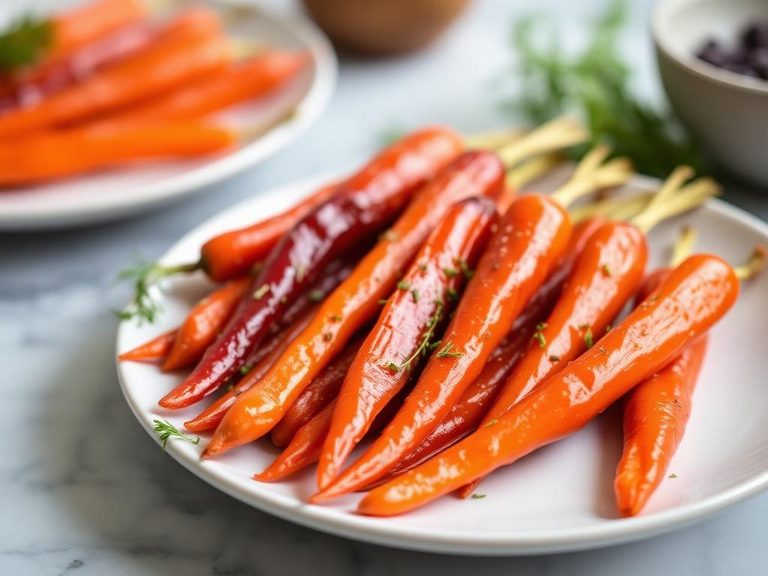

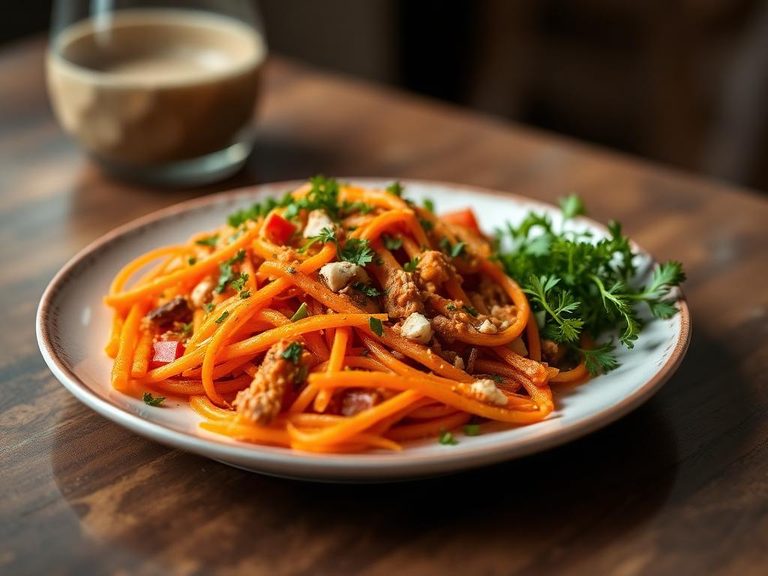
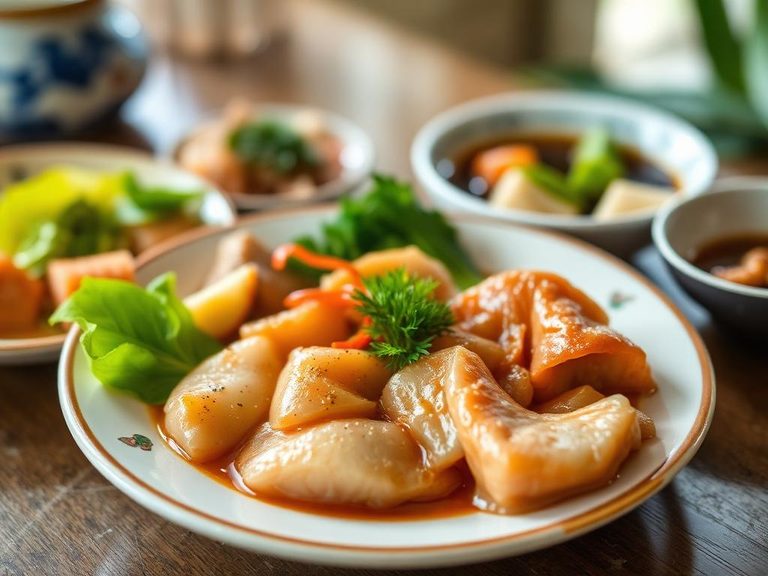
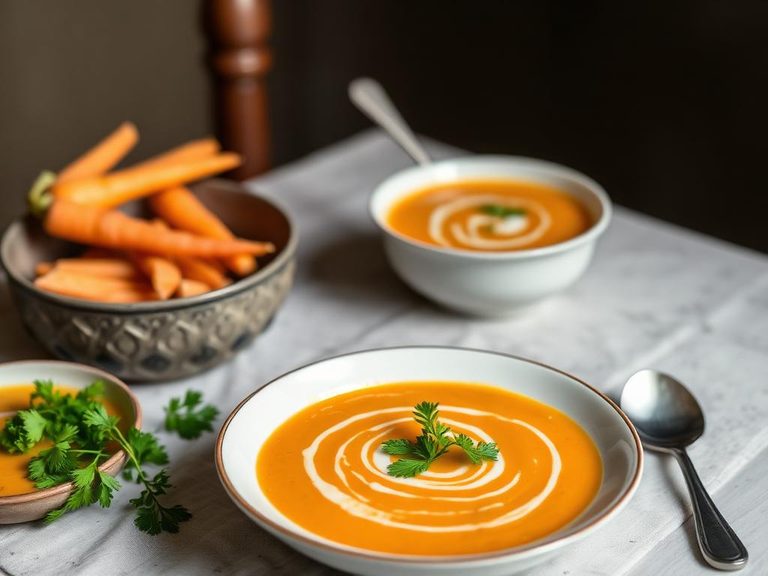
🌍 Where it's eaten
💡 Did you know?
The beta-carotene in carrots is more bioavailable to your body after cooking, especially when cooked with a little fat, compared to eating them raw.
Full nutrition (USDA data · scales with serving)
| Water | 84.6 g |
| Energy | 72.0 kcal |
| Protein | 0.96 g |
| Total lipid (fat) | 3.0 g |
| Carbohydrate, by difference | 10.4 g |
| Fiber, total dietary | 3.1 g |
| Total Sugars | 4.8 g |
| Calcium, Ca | 31.0 mg |
| Iron, Fe | 0.15 mg |
| Magnesium, Mg | 12.0 mg |
| Phosphorus, P | 41.0 mg |
| Potassium, K | 283 mg |
| Sodium, Na | 214 mg |
| Zinc, Zn | 0.24 mg |
| Copper, Cu | 0.06 mg |
| Selenium, Se | 0.00 ug |
| Vitamin C, total ascorbic acid | 5.1 mg |
| Thiamin | 0.06 mg |
| Riboflavin | 0.09 mg |
| Niacin | 1.3 mg |
| Vitamin B-6 | 0.15 mg |
| Folate, total | 32.0 ug |
| Folic acid | 0.00 ug |
| Folate, food | 32.0 ug |
| Folate, DFE | 32.0 ug |
| Choline, total | 9.1 mg |
| Vitamin B-12 | 0.00 ug |
| Vitamin B-12, added | 0.00 ug |
| Vitamin A, RAE | 812 ug |
| Retinol | 11.0 ug |
| Carotene, beta | 7942 ug |
| Carotene, alpha | 3331 ug |
| Cryptoxanthin, beta | 0.00 ug |
| Lycopene | 1.0 ug |
| Lutein + zeaxanthin | 245 ug |
| Vitamin E (alpha-tocopherol) | 1.1 mg |
| Vitamin E, added | 0.00 mg |
| Vitamin D (D2 + D3) | 0.00 ug |
| Vitamin K (phylloquinone) | 15.5 ug |
| Alcohol, ethyl | 0.00 g |
| Caffeine | 0.00 mg |
| Theobromine | 0.00 mg |
Fat & fatty acid profile (per 100g)
| Fatty acids, total saturated | 0.73 g |
| SFA 4:0 | 0.02 g |
| SFA 6:0 | 0.01 g |
| SFA 8:0 | 0.01 g |
| SFA 10:0 | 0.02 g |
| SFA 12:0 | 0.02 g |
| SFA 14:0 | 0.07 g |
| SFA 16:0 | 0.41 g |
| SFA 18:0 | 0.14 g |
| Fatty acids, total monounsaturated | 0.95 g |
| MUFA 16:1 | 0.02 g |
| MUFA 18:1 | 0.92 g |
| MUFA 20:1 | 0.01 g |
| MUFA 22:1 | 0.00 g |
| Fatty acids, total polyunsaturated | 0.86 g |
| PUFA 18:2 | 0.78 g |
| PUFA 18:3 | 0.09 g |
| PUFA 18:4 | 0.00 g |
| PUFA 20:4 | 0.00 g |
| PUFA 20:5 n-3 (EPA) | 0.00 g |
| PUFA 22:5 n-3 (DPA) | 0.00 g |
| PUFA 22:6 n-3 (DHA) | 0.00 g |
| Cholesterol | 2.0 mg |
Amino acid profile (per 100g)
Estimated from Carrots, canned, no salt added, drained solids — USDA does not publish this profile for Carrots.
| Tryptophan | 0.01 g |
| Threonine | 0.02 g |
| Isoleucine | 0.03 g |
| Leucine | 0.03 g |
| Lysine | 0.03 g |
| Methionine | 0.00 g |
| Cystine | 0.01 g |
| Phenylalanine | 0.02 g |
| Tyrosine | 0.01 g |
| Valine | 0.03 g |
| Arginine | 0.03 g |
| Histidine | 0.01 g |
| Alanine | 0.04 g |
| Aspartic acid | 0.08 g |
| Glutamic acid | 0.12 g |
| Glycine | 0.02 g |
| Proline | 0.02 g |
| Serine | 0.02 g |
FAQ
Are cooked carrots healthier than raw carrots?
Both are healthy, but cooking increases the availability of beta-carotene (vitamin A precursor) and makes certain antioxidants easier to absorb. Raw carrots retain more heat-sensitive vitamin C and provide a crunchier texture.
Why do my cooked carrots sometimes taste bitter?
Bitterness can come from overcooking, which concentrates certain compounds, or from using older, larger carrots which tend to have a more bitter core. Using fresh, young carrots and cooking them just until tender can help ensure a sweeter flavor.
How can I prevent my cooked carrots from becoming too soft or mushy?
To maintain a firmer texture, avoid overcooking. For methods like boiling or steaming, cook only until tender-crisp. For roasting, cut pieces uniformly and avoid overcrowding the pan to promote caramelization rather than steaming.
Nutrient density (calculated · NRF9.3)
Nutrient Rich Foods index: beneficial nutrients (protein, fiber, vitamins, minerals) minus saturated fat, added sugar & sodium, per 100 kcal.
NRF9.3 index — Fulgoni, Keast & Drewnowski, 2009. Computed from USDA nutrients.
Weight-loss friendliness (composite index)
Energy density 0.72 kcal/g · 5% calories from protein · 3.1 g fiber · 4.8 g sugar per 100 g.
Composite of energy density (Rolls et al., 1999), protein & fiber satiety, minus sugar. A calculated heuristic — ranks satiety-per-calorie, not a clinical measure.
Dietary load (calculated from USDA values)
Potential renal acid load. Positive = acid-forming, negative = alkaline-forming.
Sodium-to-potassium ratio: 0.76 (lower is better — aim for ≤ 1)
Sodium:potassium per WHO potassium guidance. Computed from USDA nutrients.