Indian Gajar ka Halwa
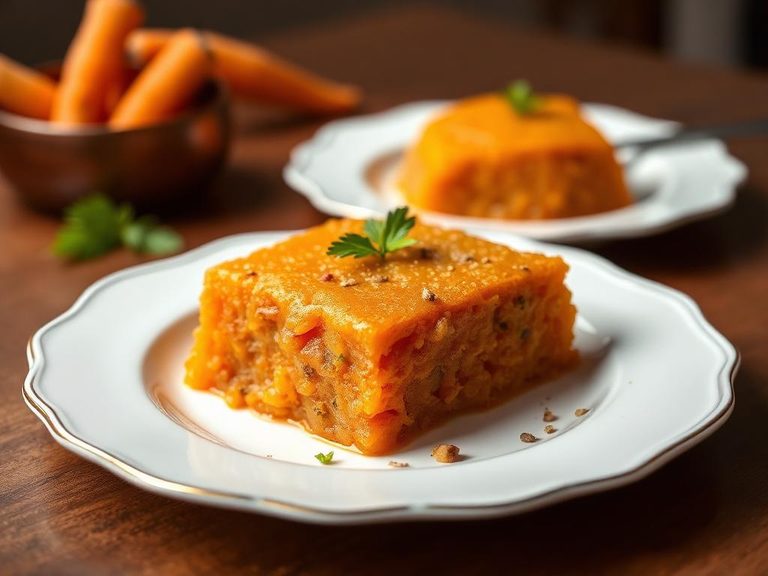
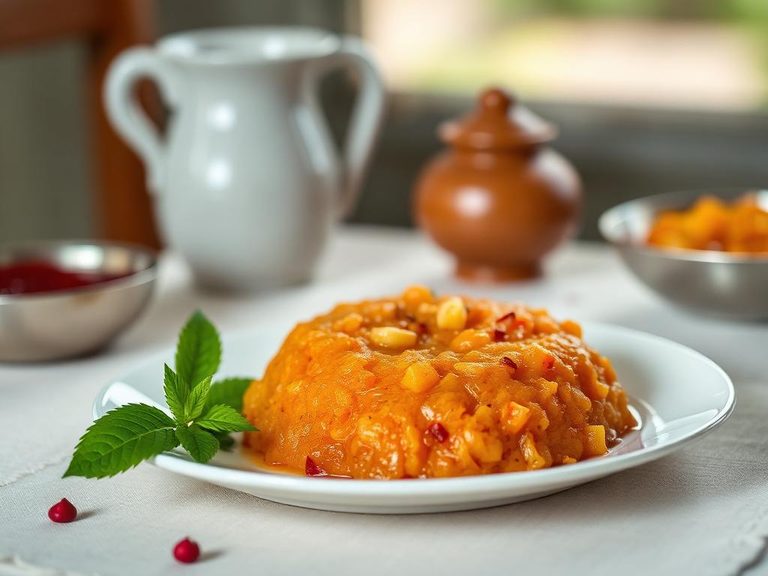
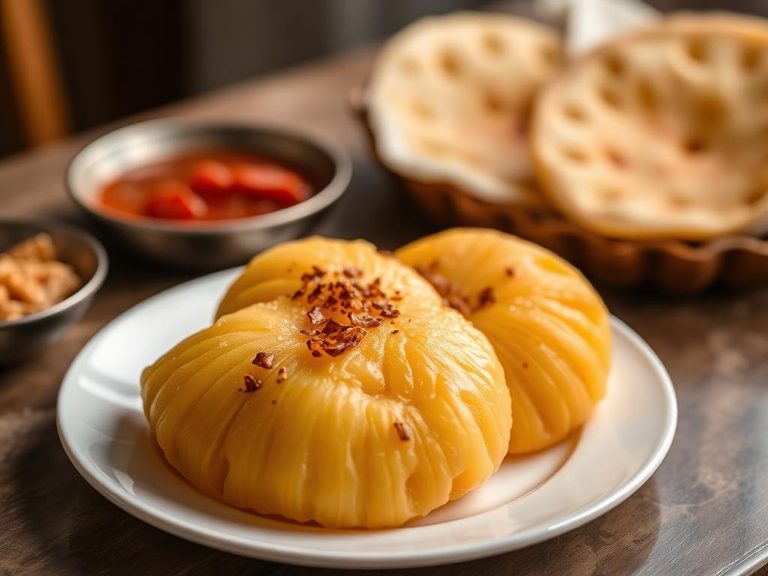
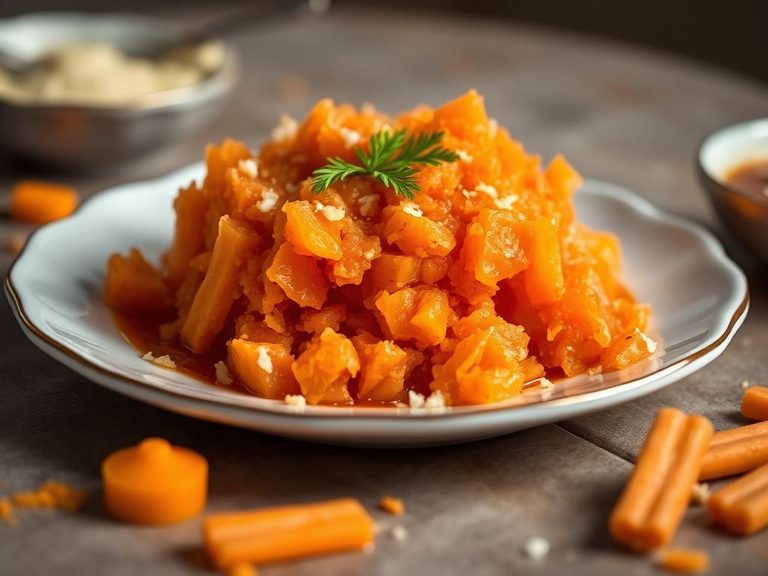
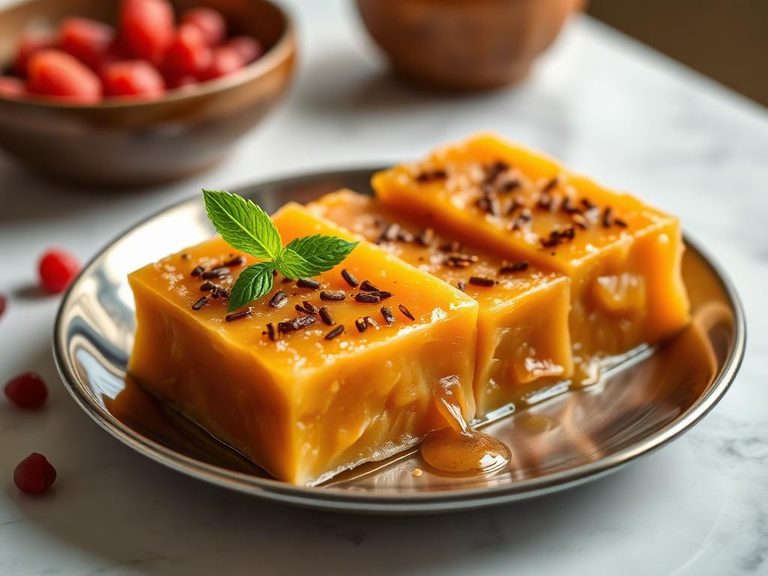
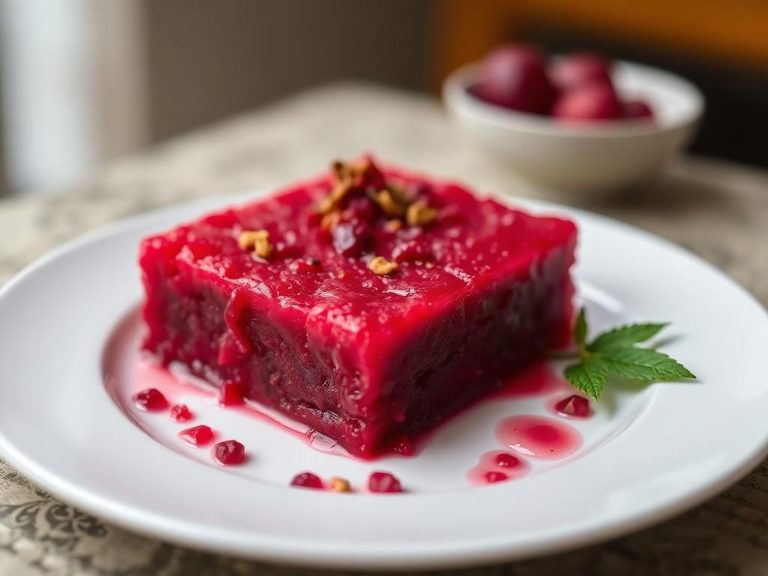
Gajar ka Halwa is a beloved Indian dessert pudding made by slow-cooking grated carrots with milk, sugar, and ghee until it becomes rich, creamy, and aromatic. Originating from North India, it is a staple during festivals like Diwali and Holi, and is often served warm, sometimes garnished with nuts like almonds or pistachios. The dish highlights the natural sweetness of carrots, transformed into a comforting treat through traditional cooking methods.
🍽️ Nutrition at a glance
This dessert is high in carbohydrates from sugar and milk, with moderate fat from ghee, and provides some protein from dairy. Key nutrients include vitamin A from carrots, calcium from milk, and a rough calorie estimate is around 300-400 per serving, depending on portion size and ingredients used.
Nutrition breakdown
| Calories | 370 kcal |
| Protein | 6 g |
| Carbs | 55 g |
| Fat | 16 g |
| Fiber | 4 g |
| Sugar | 42 g |
| Sodium | 180 mg |
| Vitamin A | 1200 mcg RAE |
| Vitamin C | 8 mg |
| Calcium | 200 mg |
| Iron | 1.5 mg |
| Potassium | 350 mg |
| Magnesium | 45 mg |
| Phosphorus | 150 mg |
| Vitamin K | 15 mcg |
Per 1 cup (240 g) · estimated, varies by recipe
💡 What's interesting
Culturally, Gajar ka Halwa is a symbol of celebration and hospitality in Indian households, often prepared in large batches for gatherings. Nutritionally, it uniquely combines the health benefits of carrots—rich in antioxidants—with indulgent elements, making it a dessert that balances flavor and nourishment in a way that's cherished across generations.