Halwa Puri
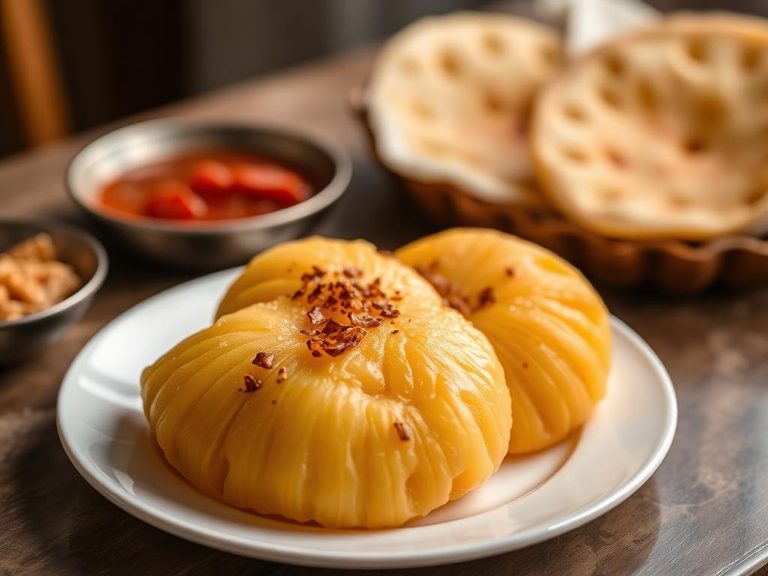
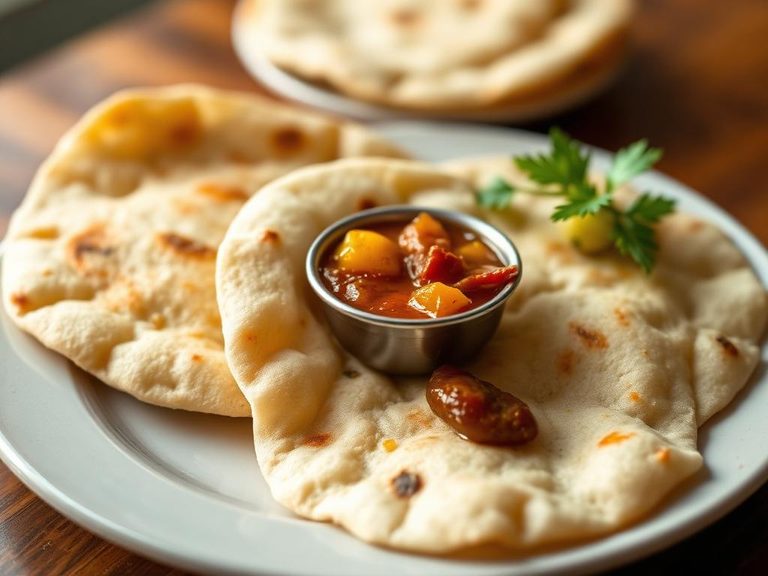
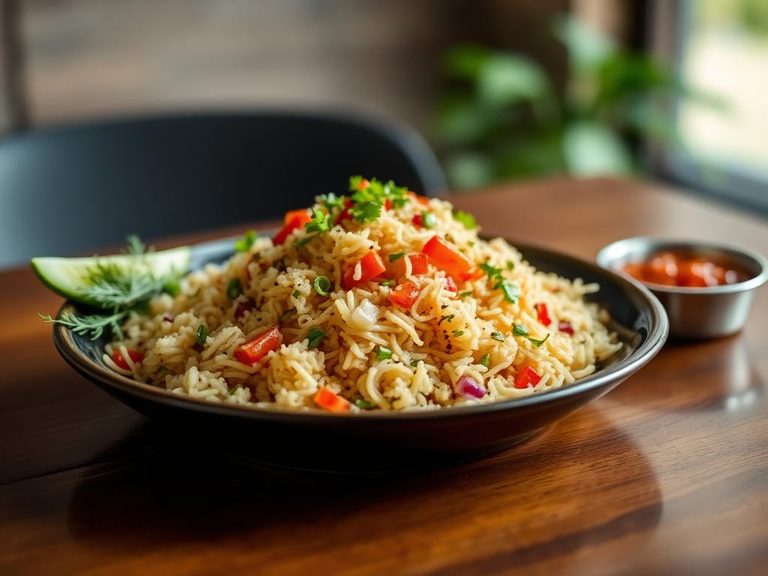
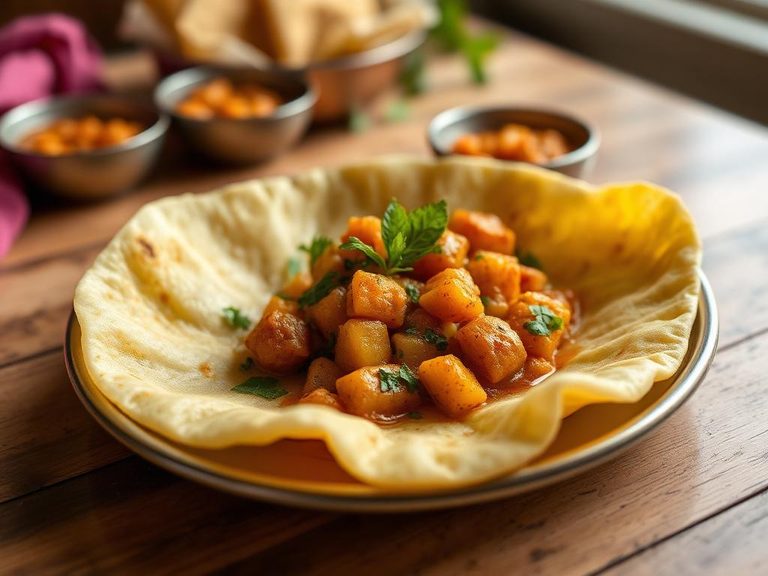
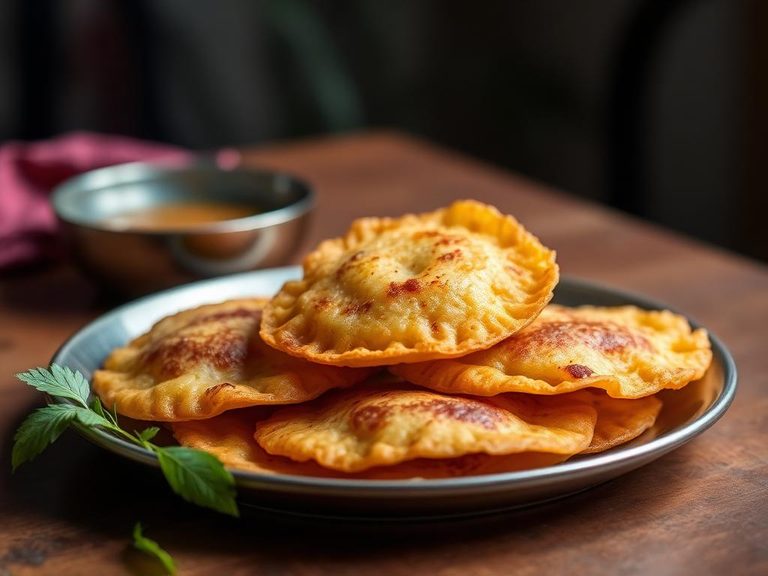
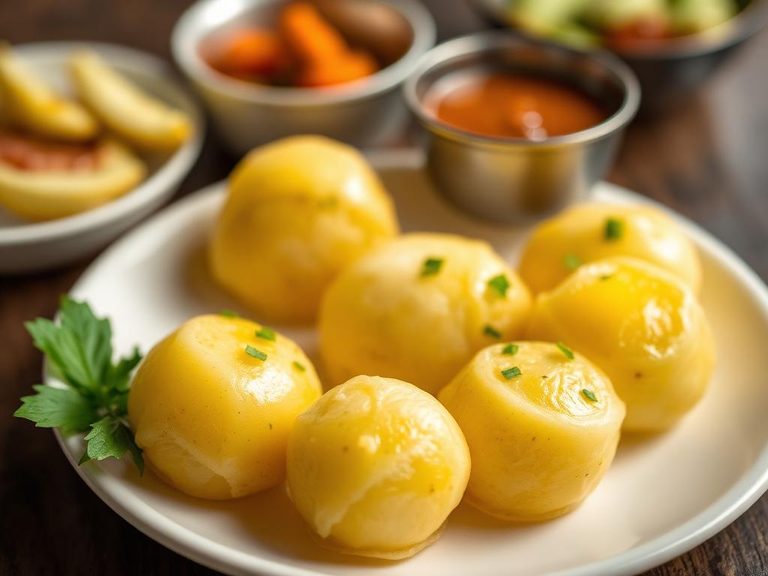
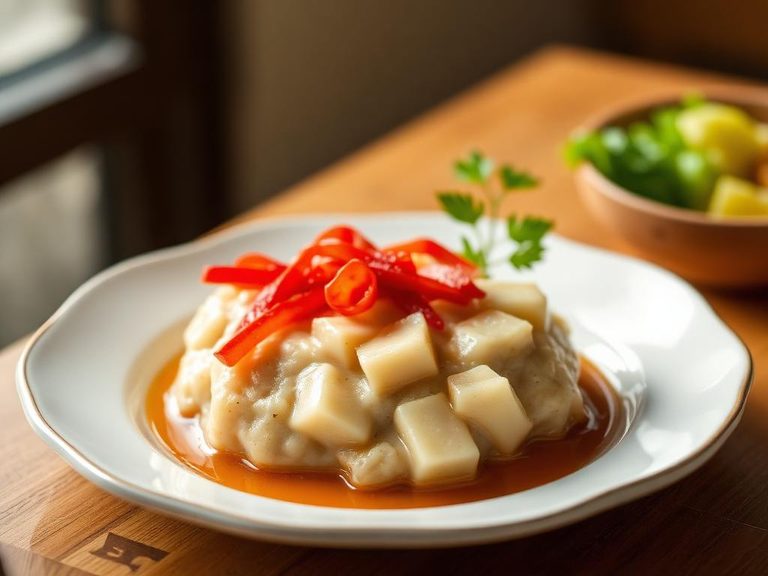
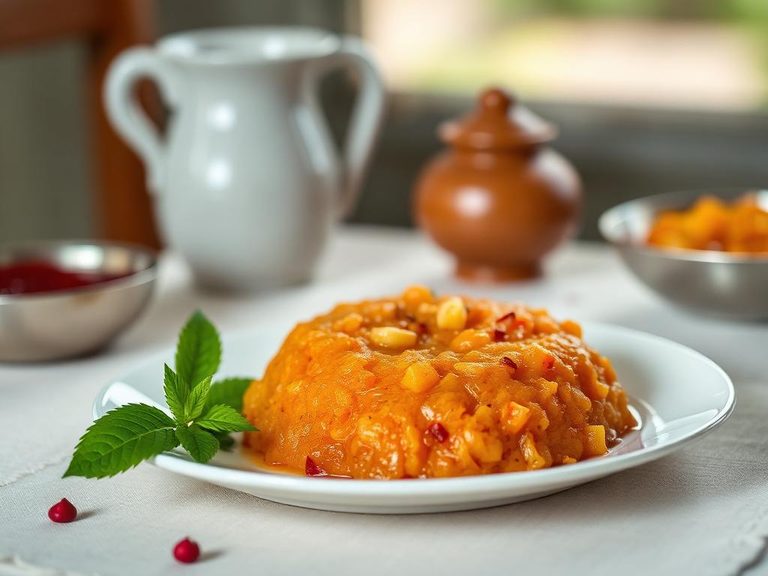
Halwa Puri is a beloved traditional breakfast or festive dish from the Indian subcontinent, particularly popular in North India and Pakistan. It consists of two main components: a sweet, semolina-based dessert called 'halwa' and a deep-fried, fluffy bread known as 'puri'. The meal is often served with savory side dishes like chickpea curry (chana) or potato curry (aloo) to balance the flavors.
🍽️ Nutrition at a glance
This dish is high in carbohydrates and fats due to the deep-fried puri and sugar in the halwa, with moderate protein from the semolina and accompanying legume curries. A typical serving can range from 500 to 700 calories, providing quick energy but limited in fiber and micronutrients unless paired with vegetable-based sides.
Nutrition breakdown
| Calories | 750 kcal |
| Protein | 12 g |
| Carbs | 95 g |
| Fat | 38 g |
| Fiber | 5 g |
| Sugar | 25 g |
| Sodium | 600 mg |
| Iron | 4 mg |
| Calcium | 120 mg |
| Potassium | 300 mg |
| Magnesium | 50 mg |
| Phosphorus | 150 mg |
| Vitamin B1 (Thiamine) | 0.3 mg |
| Vitamin B2 (Riboflavin) | 0.2 mg |
| Vitamin A | 150 mcg |
Per 1 plate (approx. 400 g) · estimated, varies by recipe
💡 What's interesting
Halwa Puri holds cultural significance as a celebratory meal, often served at weddings, religious festivals, and Sunday family gatherings, symbolizing indulgence and communal joy. Nutritionally, it's a classic example of a 'comfort food' that combines rapid energy sources (simple carbs and fats) with a small protein component, reflecting traditional meal structures designed for sustenance during festive or active days.