Beetroot Halwa
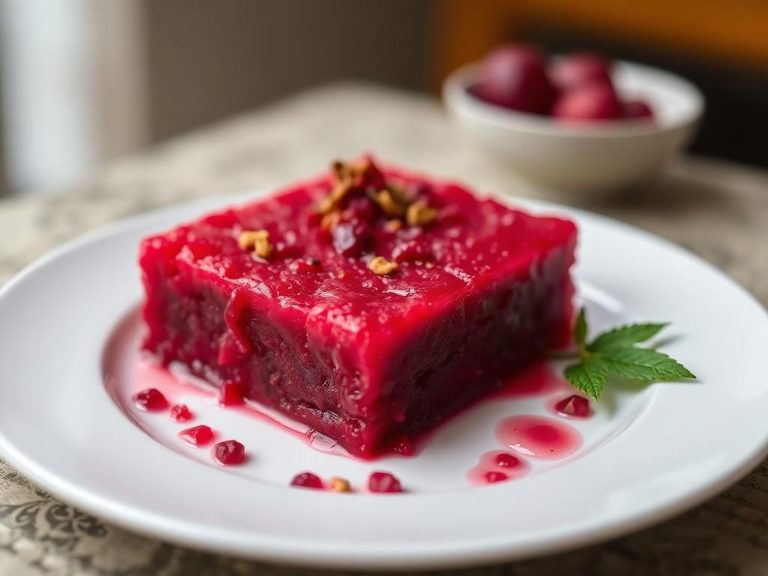
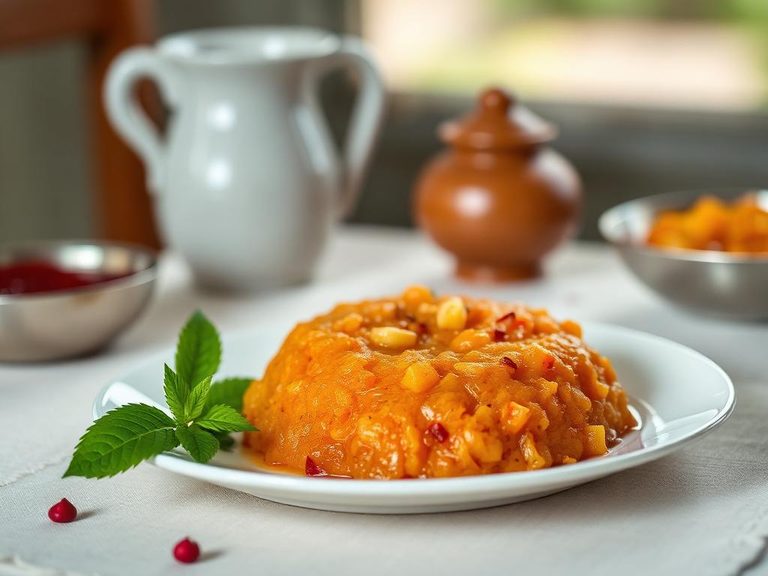
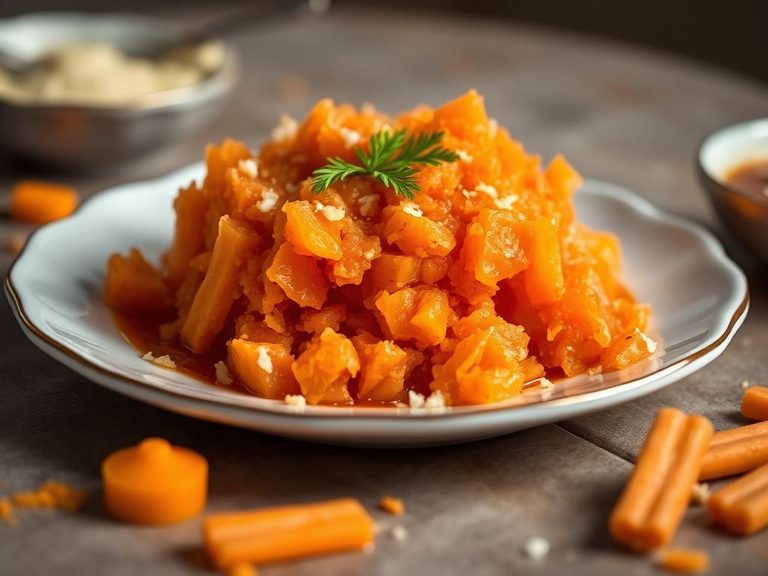
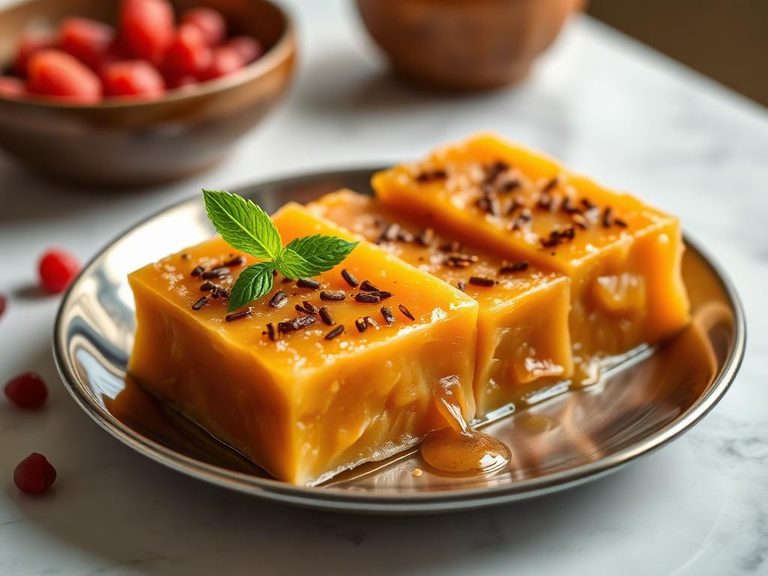
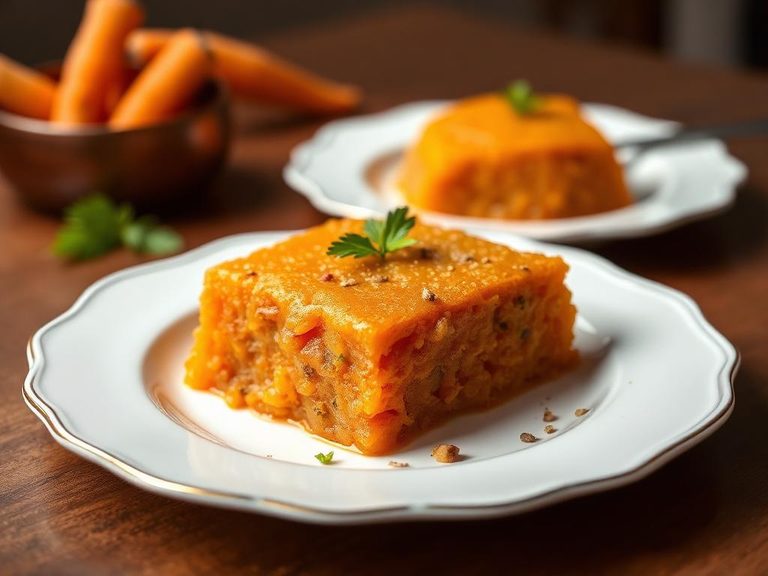
Beetroot Halwa is a vibrant, sweet Indian dessert made by slow-cooking grated beetroot with milk, sugar, ghee (clarified butter), and aromatic spices like cardamom. It's a popular adaptation of traditional carrot halwa (Gajar ka Halwa), often enjoyed during festivals and special occasions across India.
🍽️ Nutrition at a glance
This dessert is typically high in carbohydrates and fats due to sugar and ghee, but it also provides fiber, iron, and antioxidants from beetroot. A standard serving can range from 250 to 350 calories, depending on the recipe's richness.
Nutrition breakdown
| Calories | 350 kcal |
| Protein | 4.5 g |
| Carbs | 55 g |
| Fat | 14 g |
| Fiber | 5 g |
| Sugar | 42 g |
| Sodium | 120 mg |
| Potassium | 350 mg |
| Iron | 2.5 mg |
| Calcium | 80 mg |
| Vitamin C | 6 mg |
| Magnesium | 45 mg |
| Phosphorus | 100 mg |
| Vitamin A | 15 mcg RAE |
| Folate | 60 mcg |
Per 1 cup (240 g) · estimated, varies by recipe
💡 What's interesting
Culturally, it showcases the Indian culinary tradition of transforming humble vegetables into celebratory sweets. Nutritionally, it's unique because it retains some of beetroot's earthy nutrients while being indulgent, offering a blend of comfort and subtle health benefits.