Chikoo halwa
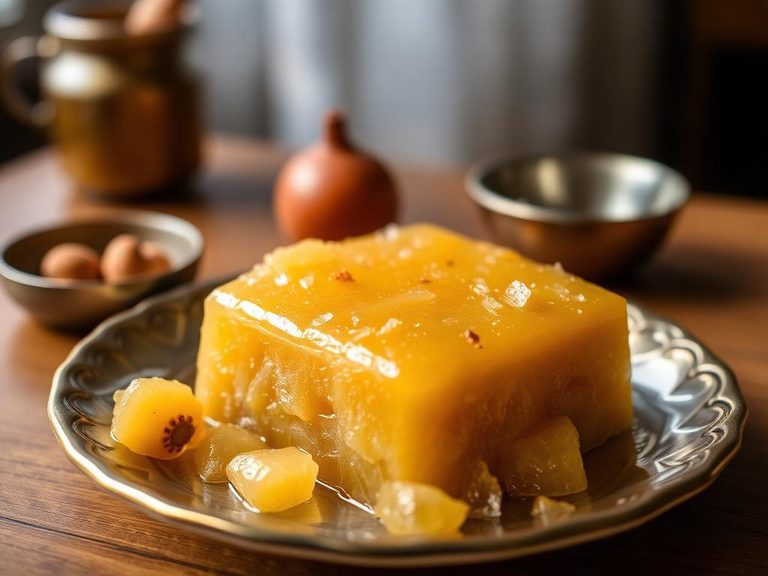
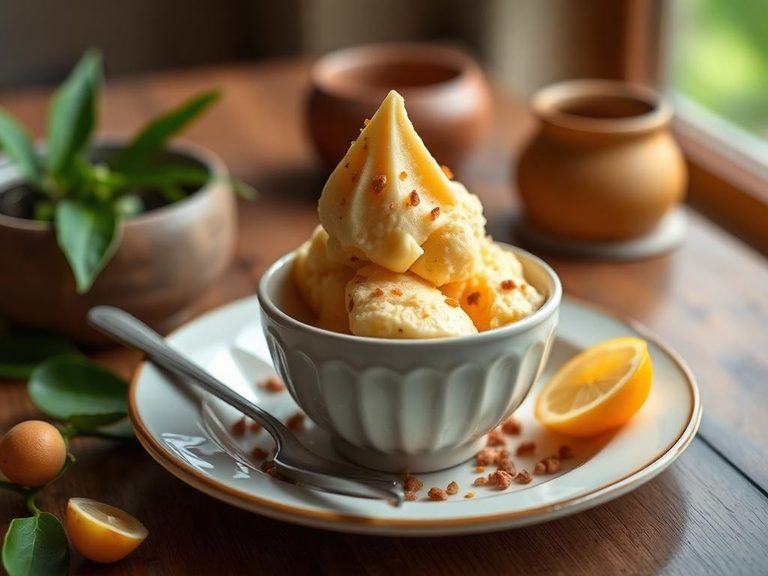
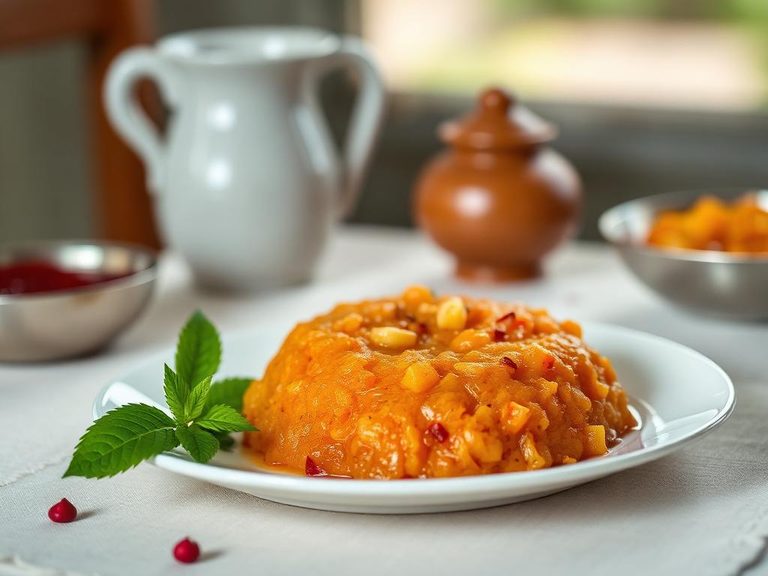
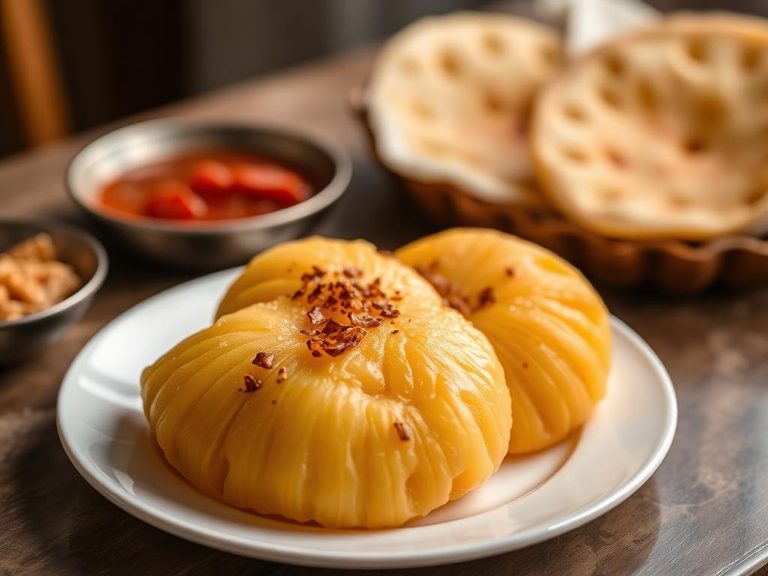
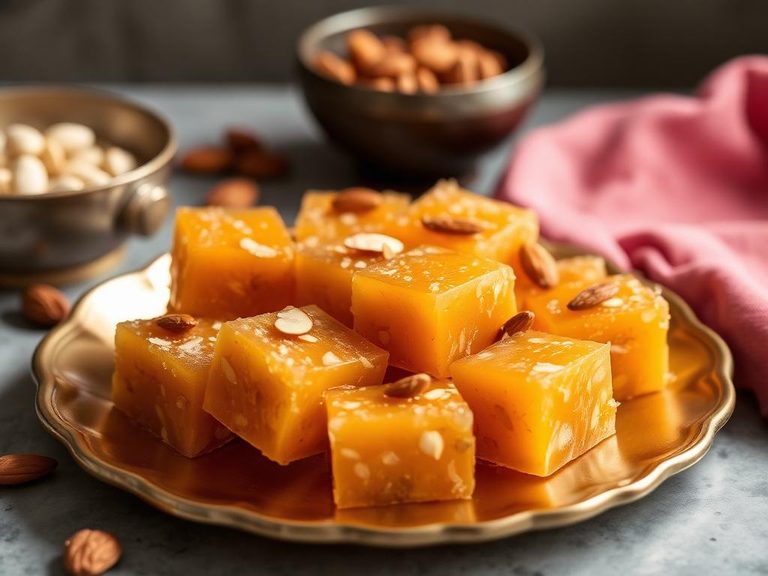
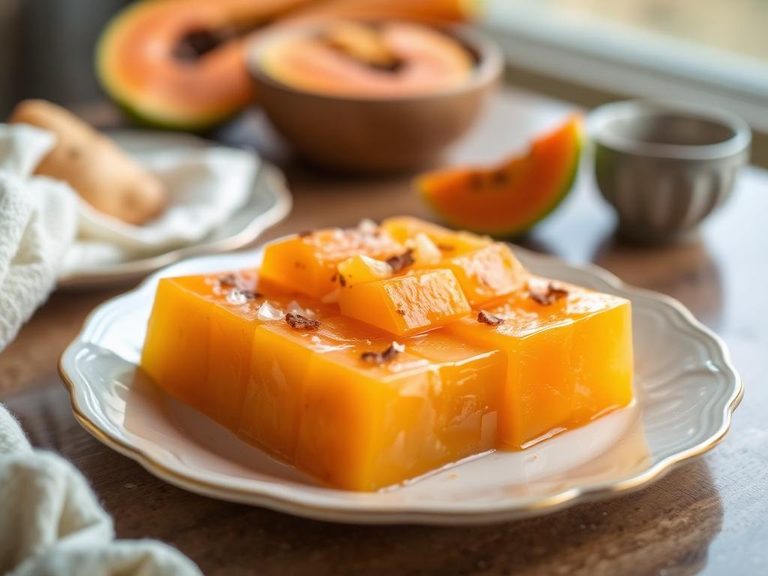
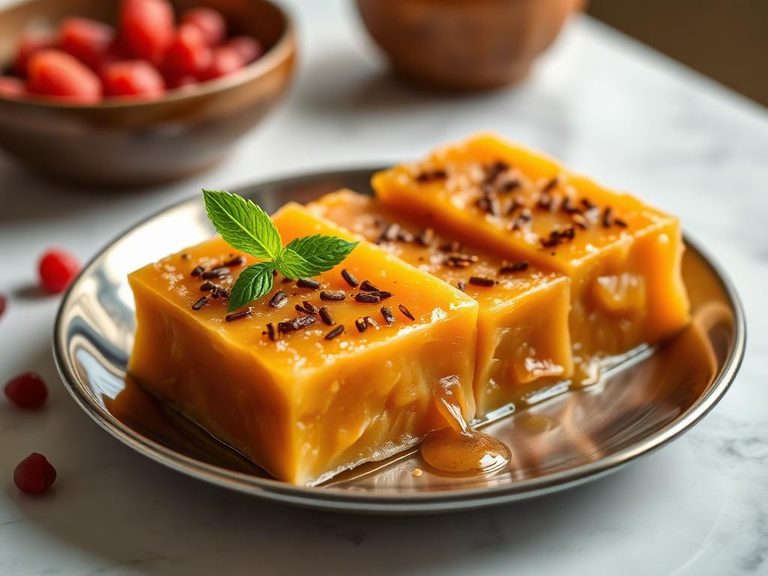
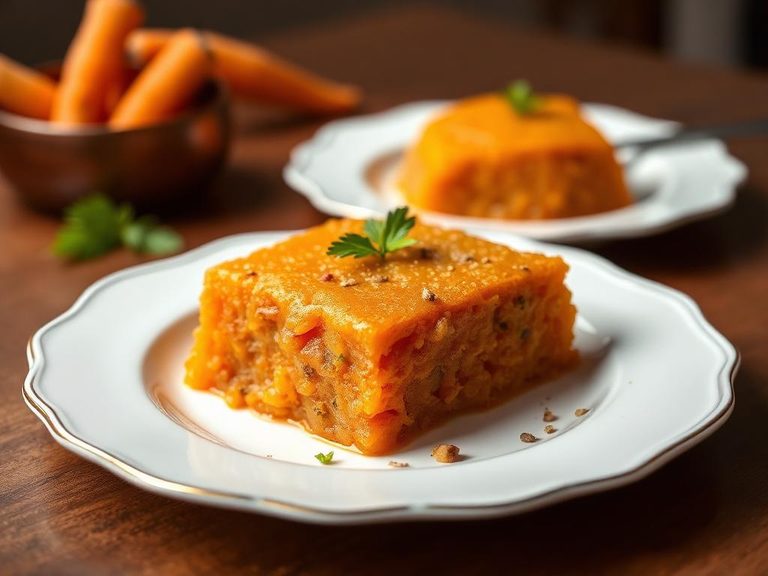
Chikoo halwa is a rich, sweet Indian dessert made from the pulp of ripe sapodilla (chikoo) fruit, cooked down with ghee, sugar, and milk until it becomes a thick, fudge-like confection. It is often garnished with nuts like cashews and almonds and is a popular treat during festivals and celebrations in South Asian cuisine.
🍽️ Nutrition at a glance
This dessert is high in carbohydrates and natural sugars from the fruit and added sugar, with a moderate amount of fat from ghee. It provides a quick energy boost and contains some dietary fiber and potassium, with a typical serving containing around 350-400 calories.
Nutrition breakdown
| Calories | 380 kcal |
| Protein | 4.5 g |
| Carbs | 58 g |
| Fat | 16 g |
| Fiber | 5 g |
| Sugar | 48 g |
| Sodium | 35 mg |
| Potassium | 420 mg |
| Iron | 1.8 mg |
| Calcium | 85 mg |
| Vitamin C | 15 mg |
| Vitamin A | 120 IU |
| Magnesium | 40 mg |
| Phosphorus | 110 mg |
| Zinc | 0.8 mg |
Per 1 cup (240 g) · estimated, varies by recipe
💡 What's interesting
Chikoo halwa is unique because it uses a naturally sweet, caramel-flavored fruit as the base instead of the more common carrots or lentils found in other halwas. Nutritionally, it offers a slightly better fiber profile than many sweets due to the fruit content, though it remains an indulgent treat.