

Cashews, salted
Common food
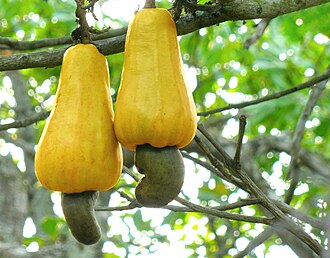
Photo: Wikipedia
Salted cashews are the buttery, crunchy crown jewels of the nut world, with a satisfying snap and a rich, slightly sweet finish. Their high fat content (47.48g per 100g) delivers a luxurious mouthfeel, while the salt amplifies their natural creaminess. A 100g serving packs a substantial 14.7g of protein, making them a powerfully dense energy source.
Calorie split: 10% protein · 21% carbs · 70% fat
↓ Full nutrition💚 Why it's loved
People adore them for their uniquely creamy, almost cheese-like texture that sets them apart from other nuts. They are incredibly versatile, seamlessly moving from a standalone snack to a star ingredient in savory dishes, desserts, and even sauces.
⚠️ Watch-outs & how to enjoy it better
The added salt (sodium) can be a concern for those monitoring blood pressure, and the high calorie density (578 kcal/100g) requires mindful portion control. Cashews are a common tree nut allergen, and their oxalate content may be a consideration for individuals prone to certain kidney stones. To counteract, opt for unsalted versions, practice strict portion control (stick to the listed servings), and always check ingredient labels for allergen warnings.
Key benefits
- Excellent source of plant-based protein (14.7g per 100g).
- High in heart-healthy monounsaturated fats.
- Provides essential minerals like magnesium and zinc.
- Offers a quick, energy-dense snack for active lifestyles.
- Contains dietary fiber (2.9g) for digestive health.
🍽️ Popular dishes
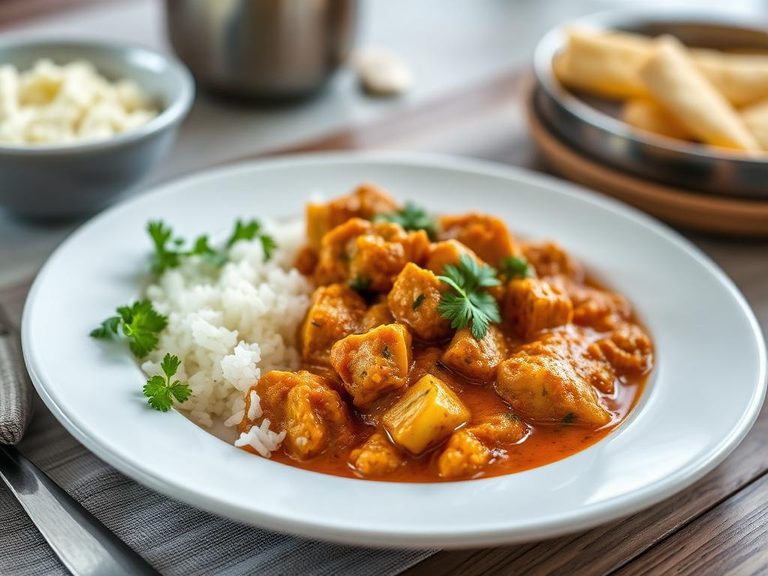
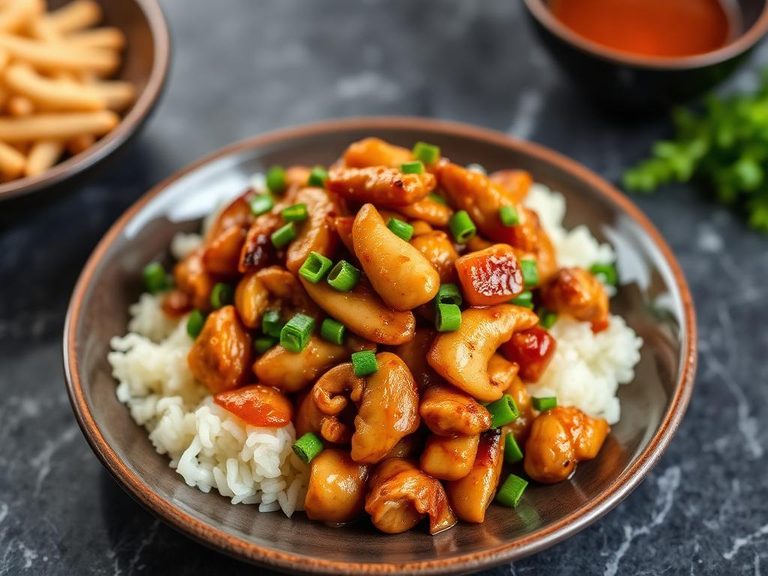
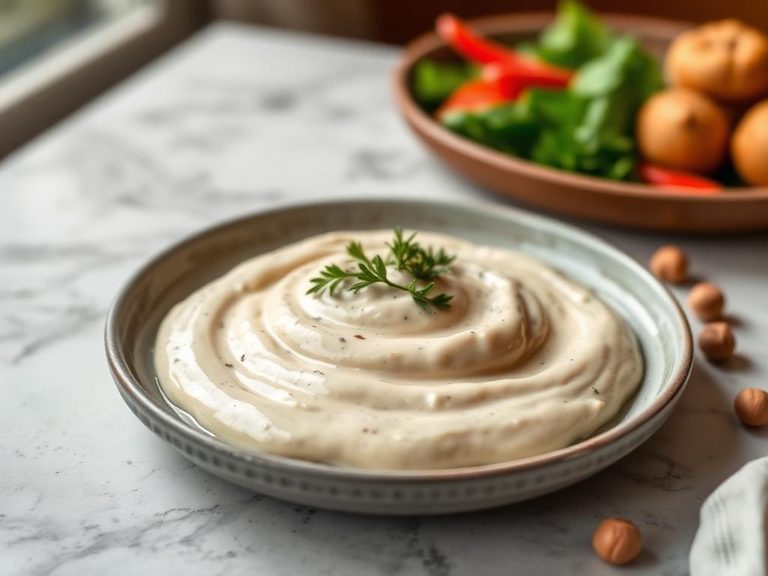
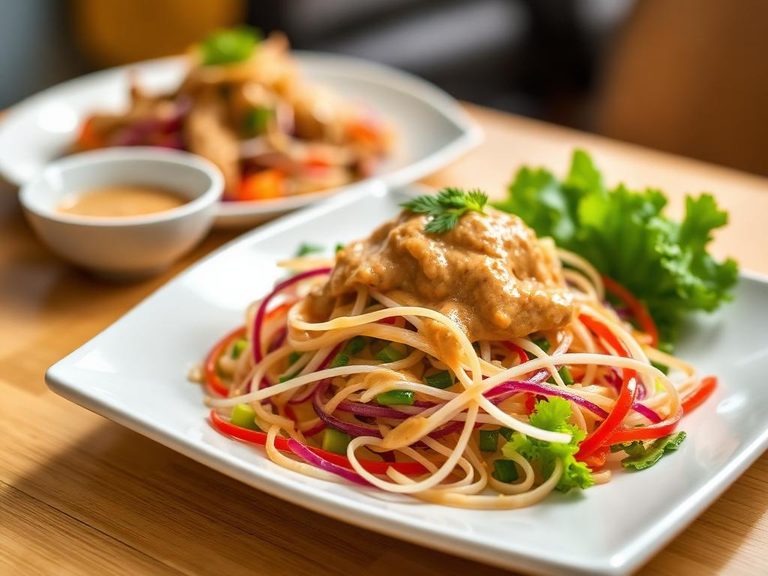
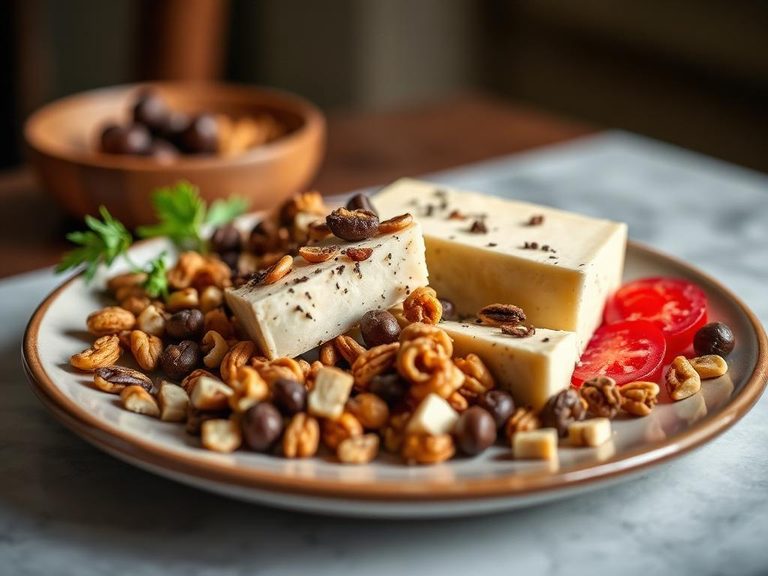
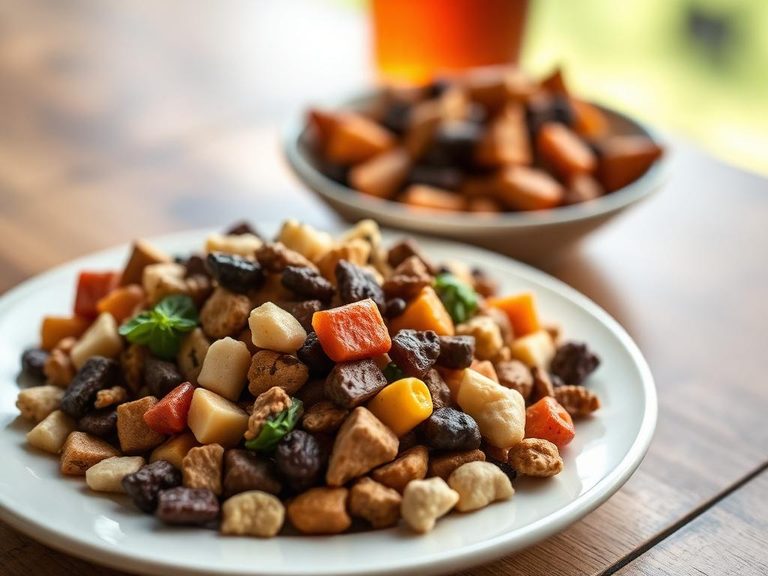
🌍 Where it's eaten
💡 Did you know?
Despite their name and culinary use, cashews are not true nuts; they are seeds that grow at the bottom of a cashew apple, a fleshy, fruit-like structure.
Full nutrition (USDA data · scales with serving)
| Water | 1.6 g |
| Energy | 578 kcal |
| Protein | 14.7 g |
| Total lipid (fat) | 47.5 g |
| Carbohydrate, by difference | 31.4 g |
| Fiber, total dietary | 2.9 g |
| Total Sugars | 4.8 g |
| Calcium, Ca | 44.0 mg |
| Iron, Fe | 5.8 mg |
| Magnesium, Mg | 250 mg |
| Phosphorus, P | 471 mg |
| Potassium, K | 543 mg |
| Sodium, Na | 399 mg |
| Zinc, Zn | 5.4 mg |
| Copper, Cu | 2.1 mg |
| Selenium, Se | 11.2 ug |
| Vitamin C, total ascorbic acid | 0.00 mg |
| Thiamin | 0.19 mg |
| Riboflavin | 0.19 mg |
| Niacin | 1.3 mg |
| Vitamin B-6 | 0.25 mg |
| Folate, total | 66.0 ug |
| Folic acid | 0.00 ug |
| Folate, food | 66.0 ug |
| Folate, DFE | 66.0 ug |
| Choline, total | 58.6 mg |
| Vitamin B-12 | 0.00 ug |
| Vitamin B-12, added | 0.00 ug |
| Vitamin A, RAE | 0.00 ug |
| Retinol | 0.00 ug |
| Carotene, beta | 0.00 ug |
| Carotene, alpha | 0.00 ug |
| Cryptoxanthin, beta | 0.00 ug |
| Lycopene | 0.00 ug |
| Lutein + zeaxanthin | 22.0 ug |
| Vitamin E (alpha-tocopherol) | 1.4 mg |
| Vitamin E, added | 0.00 mg |
| Vitamin D (D2 + D3) | 0.00 ug |
| Vitamin K (phylloquinone) | 36.3 ug |
| Alcohol, ethyl | 0.00 g |
| Caffeine | 0.00 mg |
| Theobromine | 0.00 mg |
Fat & fatty acid profile (per 100g)
| Fatty acids, total saturated | 9.2 g |
| SFA 4:0 | 0.00 g |
| SFA 6:0 | 0.00 g |
| SFA 8:0 | 0.13 g |
| SFA 10:0 | 0.13 g |
| SFA 12:0 | 0.75 g |
| SFA 14:0 | 0.34 g |
| SFA 16:0 | 4.5 g |
| SFA 18:0 | 2.9 g |
| Fatty acids, total monounsaturated | 27.5 g |
| MUFA 16:1 | 0.32 g |
| MUFA 18:1 | 27.0 g |
| MUFA 20:1 | 0.15 g |
| MUFA 22:1 | 0.00 g |
| Fatty acids, total polyunsaturated | 8.7 g |
| PUFA 18:2 | 8.4 g |
| PUFA 18:3 | 0.28 g |
| PUFA 18:4 | 0.00 g |
| PUFA 20:4 | 0.00 g |
| PUFA 20:5 n-3 (EPA) | 0.00 g |
| PUFA 22:5 n-3 (DPA) | 0.00 g |
| PUFA 22:6 n-3 (DHA) | 0.00 g |
| Cholesterol | 0.00 mg |
FAQ
Are salted cashews unhealthy?
Not inherently, but they are calorie-dense and high in sodium. Enjoying them in controlled portions (like the 30g handful) as part of a balanced diet is key. Choosing low-sodium or unsalted varieties is a healthier option for regular consumption.
Why are cashews often more expensive than other nuts?
Their processing is labor-intensive. The cashew nut is encased in a hard shell containing a caustic oil (urushiol), which must be carefully removed through roasting or steaming before the nut is safe to handle and eat.
Can I use cashews to make dairy-free milk or cream?
Absolutely. Soaked and blended cashews create a remarkably rich and creamy base for vegan milks, cheeses, sauces, and soups due to their high fat and protein content.
Nutrient density (calculated · NRF9.3)
Nutrient Rich Foods index: beneficial nutrients (protein, fiber, vitamins, minerals) minus saturated fat, added sugar & sodium, per 100 kcal.
NRF9.3 index — Fulgoni, Keast & Drewnowski, 2009. Computed from USDA nutrients.
Weight-loss friendliness (composite index)
Energy density 5.78 kcal/g · 10% calories from protein · 2.9 g fiber · 4.8 g sugar per 100 g.
Composite of energy density (Rolls et al., 1999), protein & fiber satiety, minus sugar. A calculated heuristic — ranks satiety-per-calorie, not a clinical measure.
Dietary load (calculated from USDA values)
Potential renal acid load. Positive = acid-forming, negative = alkaline-forming.
Sodium-to-potassium ratio: 0.73 (lower is better — aim for ≤ 1)
Sodium:potassium per WHO potassium guidance. Computed from USDA nutrients.