

Cashews, lightly salted
Common food

Photo: Wikipedia
Cashews are the creamy, buttery seeds of the tropical cashew apple, prized for their rich, slightly sweet flavor and satisfyingly soft crunch. Lightly salted, they offer a perfect balance of savory and sweet, with a nutrition profile that delivers a significant energy boost from healthy fats and a solid dose of plant-based protein.
Calorie split: 10% protein · 21% carbs · 70% fat
↓ Full nutrition💚 Why it's loved
People adore cashews for their uniquely creamy, almost cheese-like texture and versatile, mild sweetness that shines in both sweet and savory applications. They are a beloved snack and a culinary workhorse, from thickening vegan sauces to adding a luxurious crunch to stir-fries and desserts.
⚠️ Watch-outs & how to enjoy it better
The high calorie density and added sodium in lightly salted varieties can be a concern for those monitoring intake or managing blood pressure. As a tree nut, cashews are a common allergen and contain oxalates, which may be problematic for individuals prone to kidney stones. To mitigate, practice strict portion control (stick to a 1-ounce serving), opt for raw or unsalted versions when possible, and pair with high-fiber foods like fruit to help manage blood sugar impact.
Key benefits
- Excellent source of heart-healthy monounsaturated fats
- Provides a good dose of plant-based protein for muscle maintenance
- Rich in essential minerals like magnesium, copper, and phosphorus
- Contains antioxidants that help combat oxidative stress
- Offers a satisfying mix of fiber and healthy fats for sustained energy
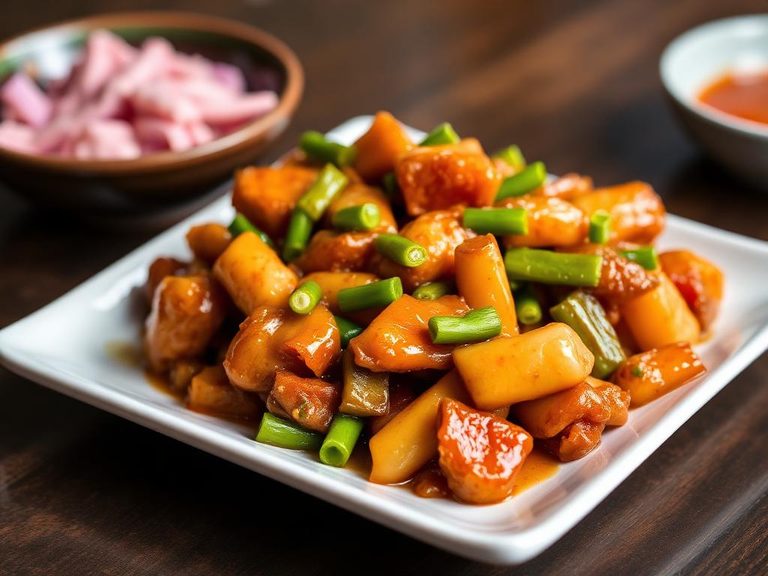
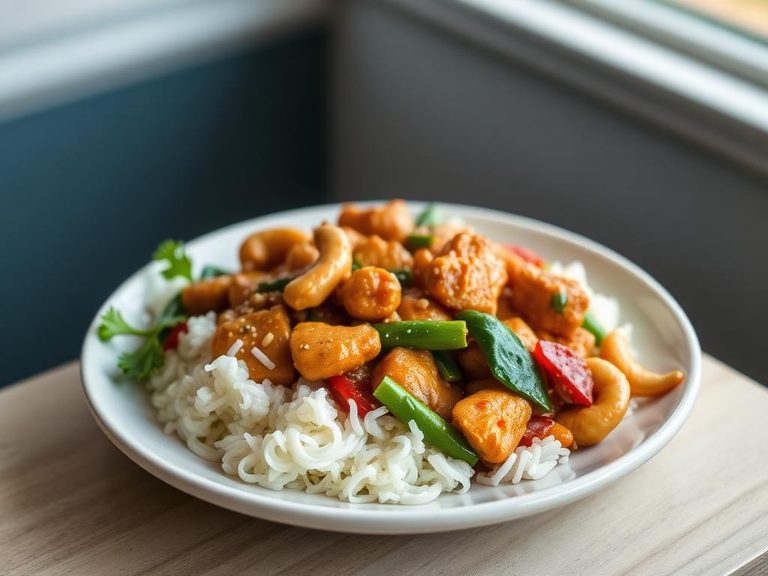
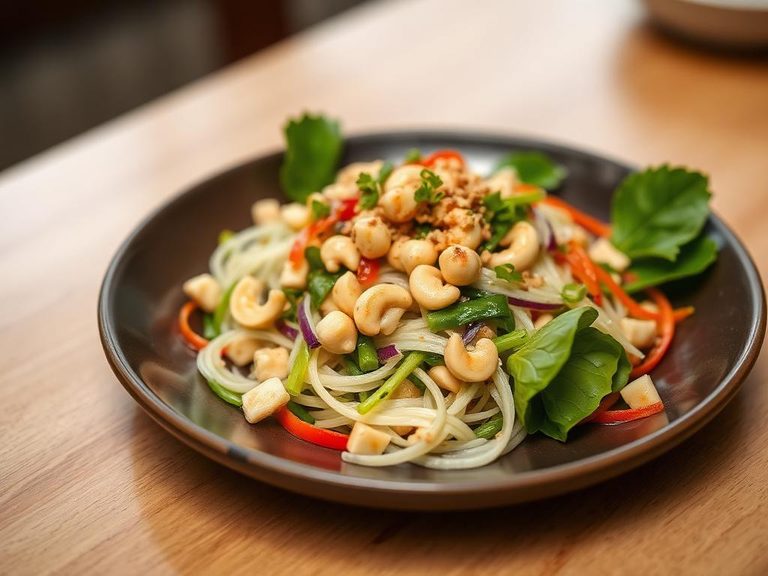
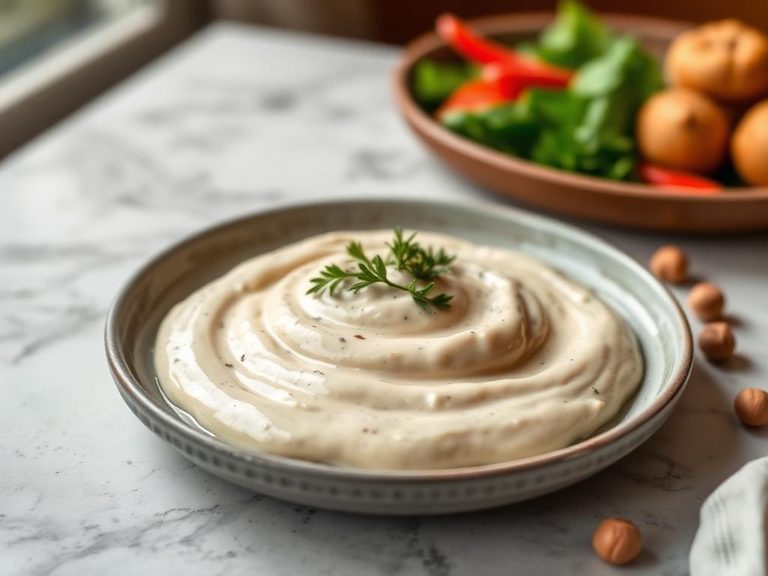
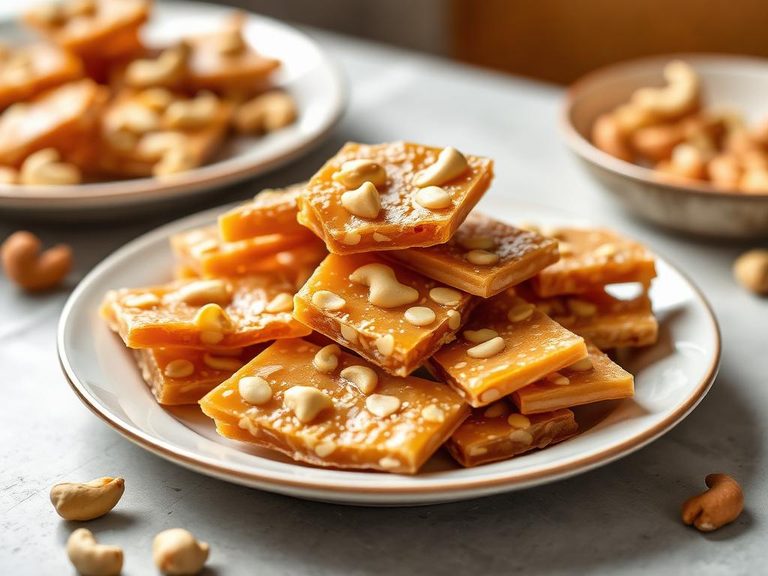
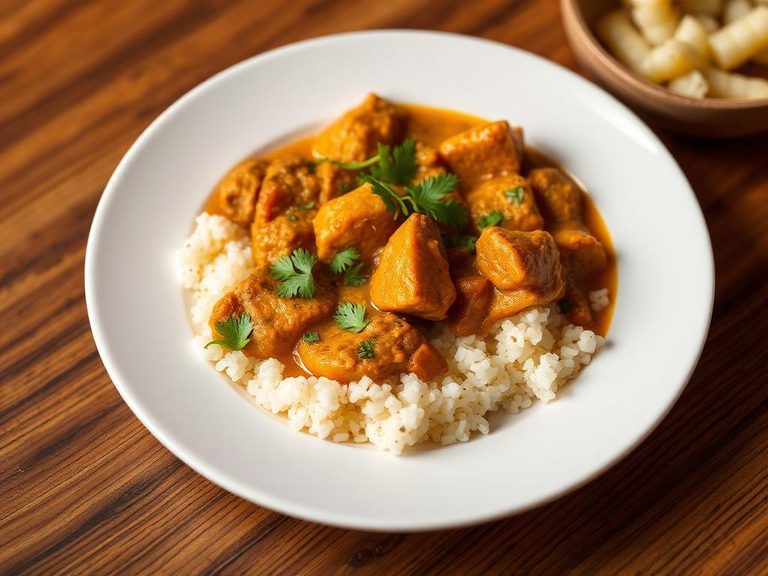
🍽️ Popular dishes
🌍 Where it's eaten
💡 Did you know?
The cashew 'nut' is botanically a seed that grows at the end of a fleshy, pear-shaped fruit called the cashew apple, which is too perishable for export and is mostly used locally for juices, jams, and fermented drinks.
Full nutrition (USDA data · scales with serving)
| Water | 1.6 g |
| Energy | 581 kcal |
| Protein | 14.8 g |
| Total lipid (fat) | 47.7 g |
| Carbohydrate, by difference | 31.6 g |
| Fiber, total dietary | 2.9 g |
| Total Sugars | 4.8 g |
| Calcium, Ca | 44.0 mg |
| Iron, Fe | 5.8 mg |
| Magnesium, Mg | 251 mg |
| Phosphorus, P | 473 mg |
| Potassium, K | 545 mg |
| Sodium, Na | 208 mg |
| Zinc, Zn | 5.4 mg |
| Copper, Cu | 2.1 mg |
| Selenium, Se | 11.3 ug |
| Vitamin C, total ascorbic acid | 0.00 mg |
| Thiamin | 0.19 mg |
| Riboflavin | 0.19 mg |
| Niacin | 1.4 mg |
| Vitamin B-6 | 0.25 mg |
| Folate, total | 67.0 ug |
| Folic acid | 0.00 ug |
| Folate, food | 67.0 ug |
| Folate, DFE | 67.0 ug |
| Choline, total | 58.9 mg |
| Vitamin B-12 | 0.00 ug |
| Vitamin B-12, added | 0.00 ug |
| Vitamin A, RAE | 0.00 ug |
| Retinol | 0.00 ug |
| Carotene, beta | 0.00 ug |
| Carotene, alpha | 0.00 ug |
| Cryptoxanthin, beta | 0.00 ug |
| Lycopene | 0.00 ug |
| Lutein + zeaxanthin | 22.0 ug |
| Vitamin E (alpha-tocopherol) | 1.5 mg |
| Vitamin E, added | 0.00 mg |
| Vitamin D (D2 + D3) | 0.00 ug |
| Vitamin K (phylloquinone) | 36.5 ug |
| Alcohol, ethyl | 0.00 g |
| Caffeine | 0.00 mg |
| Theobromine | 0.00 mg |
Fat & fatty acid profile (per 100g)
| Fatty acids, total saturated | 9.2 g |
| SFA 4:0 | 0.00 g |
| SFA 6:0 | 0.00 g |
| SFA 8:0 | 0.13 g |
| SFA 10:0 | 0.13 g |
| SFA 12:0 | 0.76 g |
| SFA 14:0 | 0.34 g |
| SFA 16:0 | 4.5 g |
| SFA 18:0 | 3.0 g |
| Fatty acids, total monounsaturated | 27.6 g |
| MUFA 16:1 | 0.32 g |
| MUFA 18:1 | 27.1 g |
| MUFA 20:1 | 0.15 g |
| MUFA 22:1 | 0.00 g |
| Fatty acids, total polyunsaturated | 8.7 g |
| PUFA 18:2 | 8.4 g |
| PUFA 18:3 | 0.29 g |
| PUFA 18:4 | 0.00 g |
| PUFA 20:4 | 0.00 g |
| PUFA 20:5 n-3 (EPA) | 0.00 g |
| PUFA 22:5 n-3 (DPA) | 0.00 g |
| PUFA 22:6 n-3 (DHA) | 0.00 g |
| Cholesterol | 0.00 mg |
FAQ
Are lightly salted cashews healthy?
They are nutrient-dense, offering healthy fats, protein, and minerals. However, the added sodium and high calorie content mean they should be enjoyed in moderation as part of a balanced diet.
Why are cashews softer than other nuts?
Cashews have a higher moisture and lower fat content compared to nuts like almonds or walnuts. Their unique cell structure and lower oiliness contribute to their characteristically creamy, tender bite.
Can cashews be used as a dairy substitute?
Yes, when soaked and blended, cashews create a remarkably creamy, neutral-flavored base perfect for vegan cheeses, creams, sauces, and milks, making them a cornerstone of plant-based cooking.
Nutrient density (calculated · NRF9.3)
Nutrient Rich Foods index: beneficial nutrients (protein, fiber, vitamins, minerals) minus saturated fat, added sugar & sodium, per 100 kcal.
NRF9.3 index — Fulgoni, Keast & Drewnowski, 2009. Computed from USDA nutrients.
Weight-loss friendliness (composite index)
Energy density 5.81 kcal/g · 10% calories from protein · 2.9 g fiber · 4.8 g sugar per 100 g.
Composite of energy density (Rolls et al., 1999), protein & fiber satiety, minus sugar. A calculated heuristic — ranks satiety-per-calorie, not a clinical measure.
Dietary load (calculated from USDA values)
Potential renal acid load. Positive = acid-forming, negative = alkaline-forming.
Sodium-to-potassium ratio: 0.38 (lower is better — aim for ≤ 1)
Sodium:potassium per WHO potassium guidance. Computed from USDA nutrients.