

Pistachio nuts, lightly salted
Common food
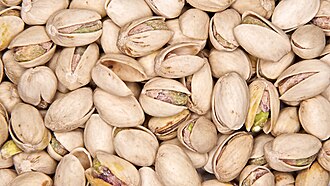
Photo: Wikipedia
Pistachio nuts are vibrant green kernels with a satisfyingly firm, slightly chewy texture and a rich, subtly sweet, and earthy flavor. Their high protein and healthy fat content makes them a nutrient-dense snack, while their distinctive color and taste set them apart in the nut world.
Calorie split: 13% protein · 18% carbs · 69% fat
↓ Full nutrition💚 Why it's loved
People love pistachios for their unique, savory-sweet flavor and the interactive, almost ritualistic pleasure of cracking open each shell. They are celebrated for their versatility, adding crunch and color to both sweet desserts and savory dishes across many cuisines.
⚠️ Watch-outs & how to enjoy it better
The added salt can contribute to excess sodium intake, and their high calorie density requires mindful portioning. As a tree nut, they are a common allergen, and some individuals may experience digestive discomfort from the fiber. To counteract this, choose unsalted versions, stick to a single-serving portion (about 49 nuts), and ensure they are part of a balanced meal to moderate blood sugar impact.
Key benefits
- Excellent source of plant-based protein
- Rich in heart-healthy monounsaturated fats
- High in dietary fiber for digestive health
- Provides antioxidants like lutein and zeaxanthin
- Good source of essential minerals like copper and vitamin B6
🍽️ Popular dishes
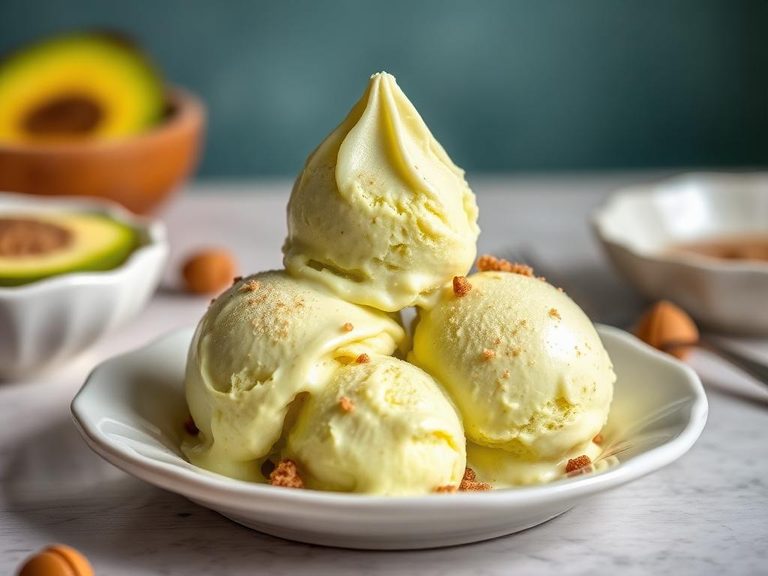
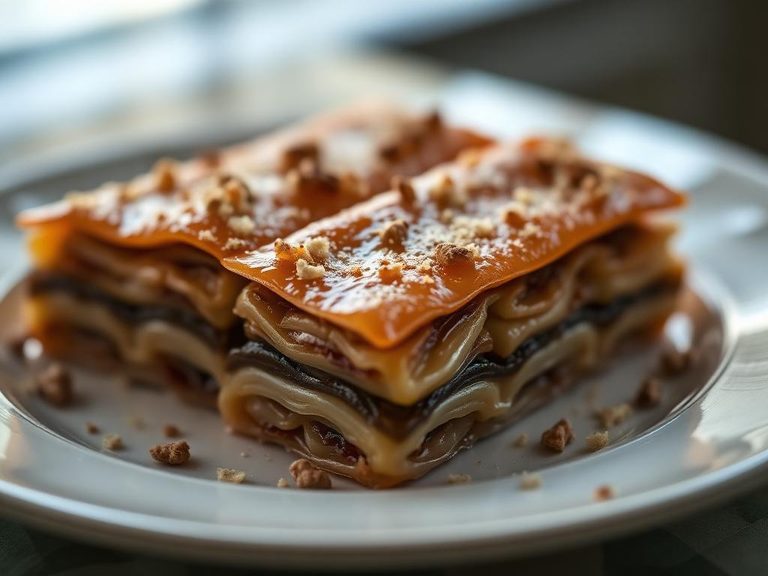
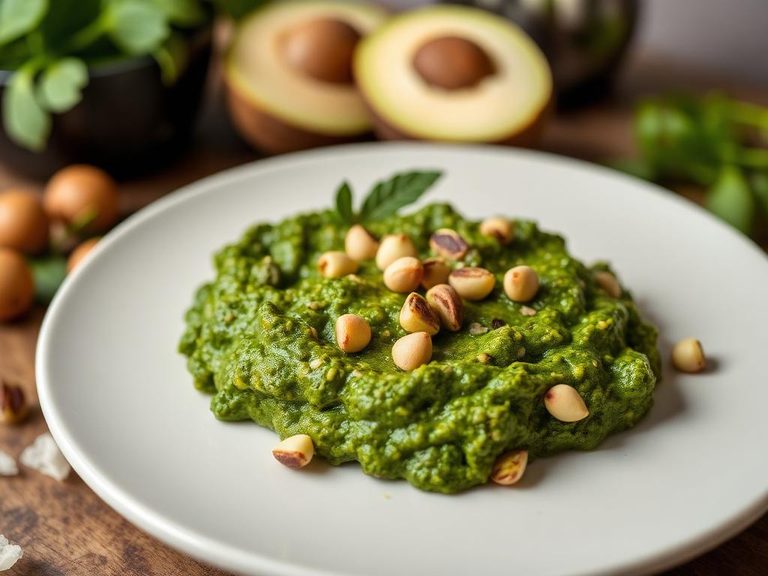
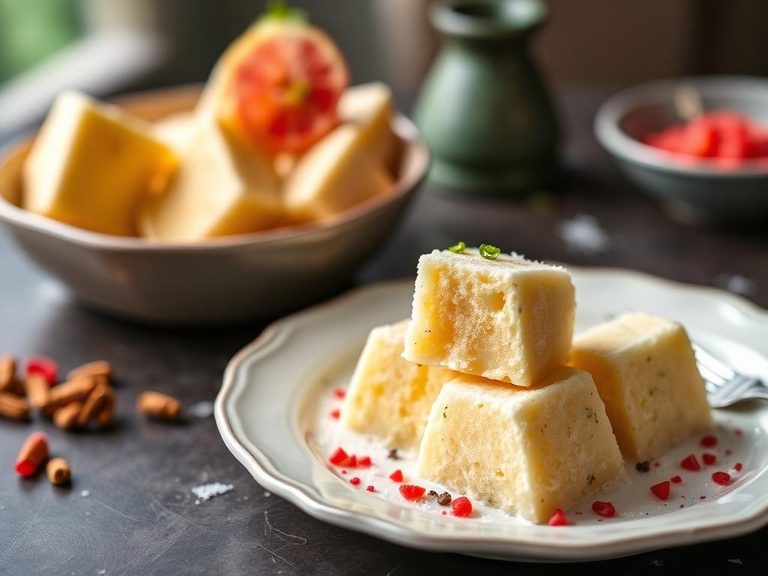
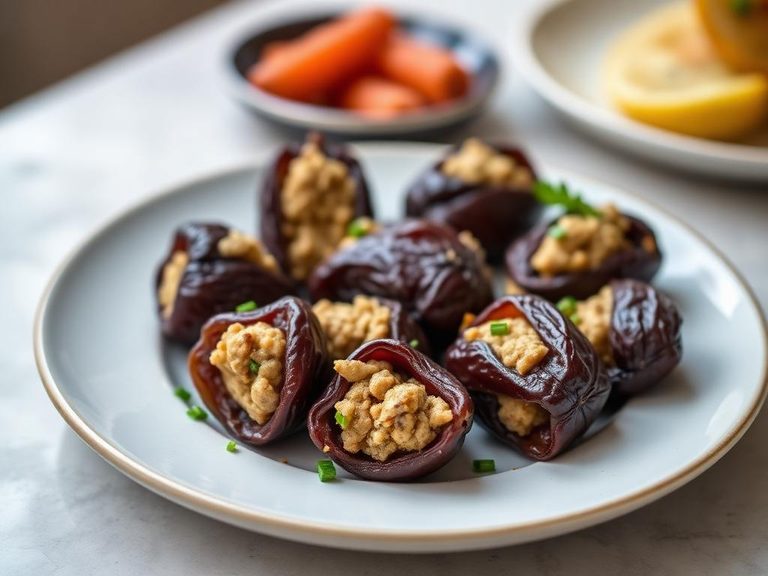
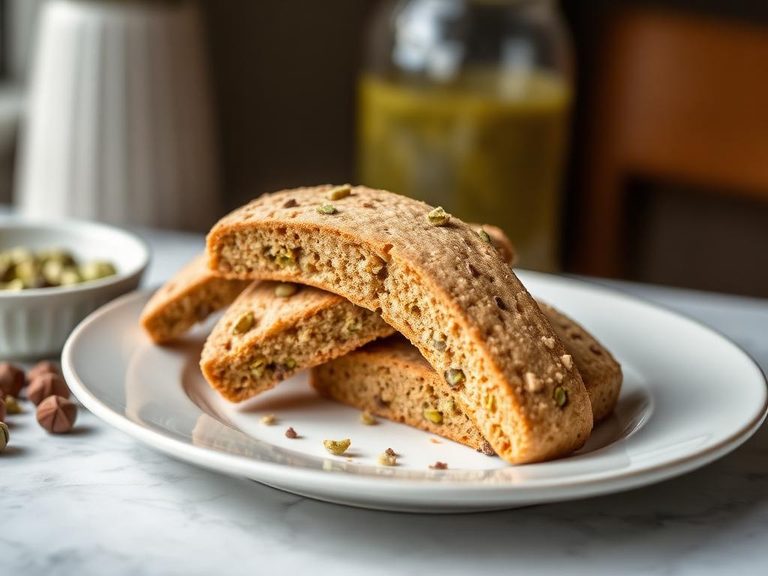
🌍 Where it's eaten
💡 Did you know?
The natural green color of pistachio kernels comes from chlorophyll, and their shells naturally split open when the nut is ripe, making them one of the few nuts that 'self-indicate' their readiness for harvest.
Full nutrition (USDA data · scales with serving)
| Water | 1.8 g |
| Energy | 579 kcal |
| Protein | 20.3 g |
| Total lipid (fat) | 47.2 g |
| Carbohydrate, by difference | 27.3 g |
| Fiber, total dietary | 9.9 g |
| Total Sugars | 7.5 g |
| Calcium, Ca | 104 mg |
| Iron, Fe | 3.9 mg |
| Magnesium, Mg | 105 mg |
| Phosphorus, P | 453 mg |
| Potassium, K | 972 mg |
| Sodium, Na | 198 mg |
| Zinc, Zn | 2.3 mg |
| Copper, Cu | 1.2 mg |
| Selenium, Se | 9.7 ug |
| Vitamin C, total ascorbic acid | 2.9 mg |
| Thiamin | 0.67 mg |
| Riboflavin | 0.23 mg |
| Niacin | 1.3 mg |
| Vitamin B-6 | 1.1 mg |
| Folate, total | 49.0 ug |
| Folic acid | 0.00 ug |
| Folate, food | 49.0 ug |
| Folate, DFE | 49.0 ug |
| Choline, total | 68.9 mg |
| Vitamin B-12 | 0.00 ug |
| Vitamin B-12, added | 0.00 ug |
| Vitamin A, RAE | 13.0 ug |
| Retinol | 0.00 ug |
| Carotene, beta | 153 ug |
| Carotene, alpha | 0.00 ug |
| Cryptoxanthin, beta | 0.00 ug |
| Lycopene | 0.00 ug |
| Lutein + zeaxanthin | 1120 ug |
| Vitamin E (alpha-tocopherol) | 2.7 mg |
| Vitamin E, added | 0.00 mg |
| Vitamin D (D2 + D3) | 0.00 ug |
| Vitamin K (phylloquinone) | 15.7 ug |
| Alcohol, ethyl | 0.00 g |
| Caffeine | 0.00 mg |
| Theobromine | 0.00 mg |
Fat & fatty acid profile (per 100g)
| Fatty acids, total saturated | 5.8 g |
| SFA 4:0 | 0.00 g |
| SFA 6:0 | 0.00 g |
| SFA 8:0 | 0.00 g |
| SFA 10:0 | 0.00 g |
| SFA 12:0 | 0.00 g |
| SFA 14:0 | 0.01 g |
| SFA 16:0 | 5.1 g |
| SFA 18:0 | 0.63 g |
| Fatty acids, total monounsaturated | 24.9 g |
| MUFA 16:1 | 0.46 g |
| MUFA 18:1 | 24.3 g |
| MUFA 20:1 | 0.12 g |
| MUFA 22:1 | 0.01 g |
| Fatty acids, total polyunsaturated | 14.0 g |
| PUFA 18:2 | 13.7 g |
| PUFA 18:3 | 0.34 g |
| PUFA 18:4 | 0.00 g |
| PUFA 20:4 | 0.01 g |
| PUFA 20:5 n-3 (EPA) | 0.00 g |
| PUFA 22:5 n-3 (DPA) | 0.00 g |
| PUFA 22:6 n-3 (DHA) | 0.00 g |
| Cholesterol | 0.00 mg |
Amino acid profile (per 100g)
Estimated from Nuts, pistachio nuts, dry roasted, with salt added — USDA does not publish this profile for Pistachio nuts.
| Tryptophan | 0.26 g |
| Threonine | 0.71 g |
| Isoleucine | 0.96 g |
| Leucine | 1.7 g |
| Lysine | 1.2 g |
| Methionine | 0.38 g |
| Cystine | 0.30 g |
| Phenylalanine | 1.1 g |
| Tyrosine | 0.53 g |
| Valine | 1.3 g |
| Arginine | 2.2 g |
| Histidine | 0.54 g |
| Alanine | 1.0 g |
| Aspartic acid | 2.0 g |
| Glutamic acid | 4.5 g |
| Glycine | 1.1 g |
| Proline | 0.98 g |
| Serine | 1.3 g |
| Hydroxyproline | 0.10 g |
FAQ
Why are some pistachio shells partially open?
This is a natural split that occurs as the nut matures inside the shell. It's a sign of ripeness and makes them easier to crack open.
Are pistachios good for you?
Yes, they are nutrient-dense, providing protein, healthy fats, fiber, and various vitamins and minerals. However, due to their high calorie content, moderation is key.
What's the difference between raw and roasted pistachios?
Raw pistachios are simply dried. Roasted pistachios are cooked with dry heat, which enhances their flavor and crunch but may slightly reduce some heat-sensitive nutrients.
Can I eat the pistachio shell?
No, the shells are very hard and indigestible. They are meant to be discarded after cracking.
Nutrient density (calculated · NRF9.3)
Nutrient Rich Foods index: beneficial nutrients (protein, fiber, vitamins, minerals) minus saturated fat, added sugar & sodium, per 100 kcal.
NRF9.3 index — Fulgoni, Keast & Drewnowski, 2009. Computed from USDA nutrients.
Weight-loss friendliness (composite index)
Energy density 5.79 kcal/g · 14% calories from protein · 9.9 g fiber · 7.5 g sugar per 100 g.
Composite of energy density (Rolls et al., 1999), protein & fiber satiety, minus sugar. A calculated heuristic — ranks satiety-per-calorie, not a clinical measure.
Dietary load (calculated from USDA values)
Potential renal acid load. Positive = acid-forming, negative = alkaline-forming.
Sodium-to-potassium ratio: 0.20 (lower is better — aim for ≤ 1)
Sodium:potassium per WHO potassium guidance. Computed from USDA nutrients.