

Carrots, canned, cooked, no added fat
Common food

Photo: Wikipedia
Canned, cooked carrots are tender, pre-softened root vegetables with a distinctively sweet, mellow flavor and a uniformly soft, almost creamy texture. Packed in water with no added fat, they are a low-calorie, fiber-rich pantry staple. Their nutrition is highlighted by a significant dose of beta-carotene, which the body converts to vitamin A.
Calorie split: 10% protein · 84% carbs · 6% fat
↓ Full nutrition💚 Why it's loved
People love canned carrots for their incredible convenience and consistent, sweet flavor that requires no cooking. They are a versatile ingredient that blends seamlessly into soups, stews, and purees, and are a nostalgic comfort food for many.
⚠️ Watch-outs & how to enjoy it better
The soft, sometimes mushy texture can be unappealing to those who prefer a crisp bite. They may have a higher glycemic impact than raw carrots due to cooking, which can be a consideration for blood sugar management. To counteract this, pair them with a source of protein or healthy fat (like in a stew with beans or a drizzle of olive oil) to slow sugar absorption.
Key benefits
- Excellent source of beta-carotene (vitamin A precursor)
- Good source of dietary fiber for digestive health
- Very low in fat and calories
- Convenient, shelf-stable, and ready to eat
- Contains antioxidants like lutein and lycopene
🍽️ Popular dishes
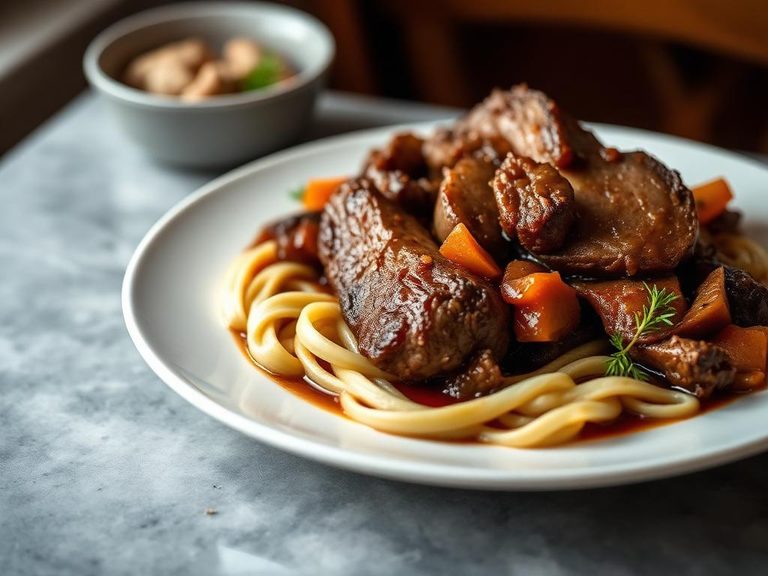

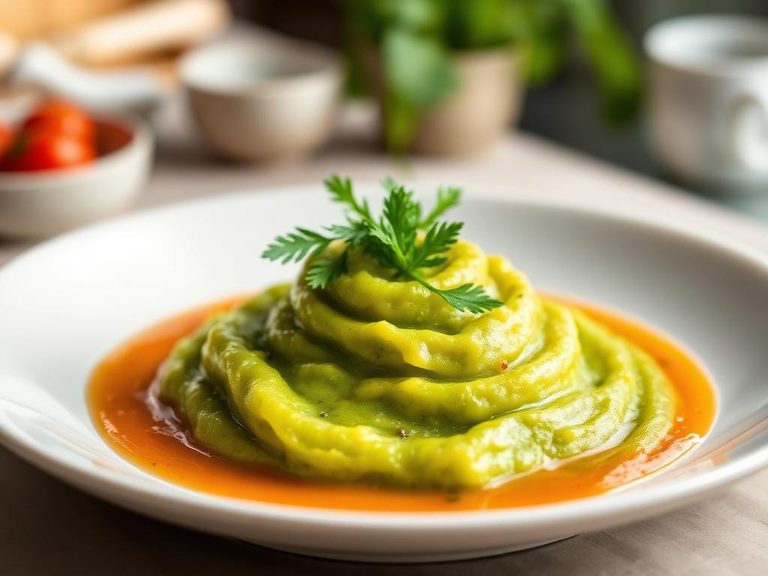



🌍 Where it's eaten
💡 Did you know?
The beta-carotene in carrots is more bioavailable to your body after they are cooked, especially when canned, as the heat breaks down tough cell walls.
Full nutrition (USDA data · scales with serving)
| Water | 93.0 g |
| Energy | 25.0 kcal |
| Protein | 0.64 g |
| Total lipid (fat) | 0.19 g |
| Carbohydrate, by difference | 5.5 g |
| Fiber, total dietary | 1.5 g |
| Total Sugars | 2.5 g |
| Calcium, Ca | 25.0 mg |
| Iron, Fe | 0.64 mg |
| Magnesium, Mg | 8.0 mg |
| Phosphorus, P | 24.0 mg |
| Potassium, K | 179 mg |
| Sodium, Na | 242 mg |
| Zinc, Zn | 0.26 mg |
| Copper, Cu | 0.10 mg |
| Selenium, Se | 0.40 ug |
| Vitamin C, total ascorbic acid | 2.4 mg |
| Thiamin | 0.02 mg |
| Riboflavin | 0.03 mg |
| Niacin | 0.55 mg |
| Vitamin B-6 | 0.11 mg |
| Folate, total | 9.0 ug |
| Folic acid | 0.00 ug |
| Folate, food | 9.0 ug |
| Folate, DFE | 9.0 ug |
| Choline, total | 6.3 mg |
| Vitamin B-12 | 0.00 ug |
| Vitamin B-12, added | 0.00 ug |
| Vitamin A, RAE | 558 ug |
| Retinol | 0.00 ug |
| Carotene, beta | 5331 ug |
| Carotene, alpha | 2743 ug |
| Cryptoxanthin, beta | 0.00 ug |
| Lycopene | 0.00 ug |
| Lutein + zeaxanthin | 0.00 ug |
| Vitamin E (alpha-tocopherol) | 0.74 mg |
| Vitamin E, added | 0.00 mg |
| Vitamin D (D2 + D3) | 0.00 ug |
| Vitamin K (phylloquinone) | 9.8 ug |
| Alcohol, ethyl | 0.00 g |
| Caffeine | 0.00 mg |
| Theobromine | 0.00 mg |
Fat & fatty acid profile (per 100g)
| Fatty acids, total saturated | 0.04 g |
| SFA 4:0 | 0.00 g |
| SFA 6:0 | 0.00 g |
| SFA 8:0 | 0.00 g |
| SFA 10:0 | 0.00 g |
| SFA 12:0 | 0.00 g |
| SFA 14:0 | 0.00 g |
| SFA 16:0 | 0.03 g |
| SFA 18:0 | 0.00 g |
| Fatty acids, total monounsaturated | 0.01 g |
| MUFA 16:1 | 0.00 g |
| MUFA 18:1 | 0.01 g |
| MUFA 20:1 | 0.00 g |
| MUFA 22:1 | 0.00 g |
| Fatty acids, total polyunsaturated | 0.09 g |
| PUFA 18:2 | 0.08 g |
| PUFA 18:3 | 0.01 g |
| PUFA 18:4 | 0.00 g |
| PUFA 20:4 | 0.00 g |
| PUFA 20:5 n-3 (EPA) | 0.00 g |
| PUFA 22:5 n-3 (DPA) | 0.00 g |
| PUFA 22:6 n-3 (DHA) | 0.00 g |
| Cholesterol | 0.00 mg |
Amino acid profile (per 100g)
Estimated from Carrots, canned, no salt added, drained solids — USDA does not publish this profile for Carrots.
| Tryptophan | 0.01 g |
| Threonine | 0.02 g |
| Isoleucine | 0.03 g |
| Leucine | 0.03 g |
| Lysine | 0.03 g |
| Methionine | 0.00 g |
| Cystine | 0.01 g |
| Phenylalanine | 0.02 g |
| Tyrosine | 0.01 g |
| Valine | 0.03 g |
| Arginine | 0.03 g |
| Histidine | 0.01 g |
| Alanine | 0.04 g |
| Aspartic acid | 0.08 g |
| Glutamic acid | 0.12 g |
| Glycine | 0.02 g |
| Proline | 0.02 g |
| Serine | 0.02 g |
FAQ
Are canned carrots as nutritious as fresh?
Yes, they retain most of their vitamins and minerals, especially beta-carotene. The canning process can even make some nutrients like beta-carotene more available for absorption.
Why are canned carrots sometimes higher in sodium?
Salt is often added during canning for flavor and preservation. To reduce sodium, look for 'no salt added' versions or rinse the carrots thoroughly before use.
Can I use canned carrots in recipes that call for fresh?
Yes, but adjust cooking times as they are already fully cooked. They are perfect for soups, stews, and purees, but may not hold up well for roasting or stir-fries where a firm texture is desired.
Nutrient density (calculated · NRF9.3)
Nutrient Rich Foods index: beneficial nutrients (protein, fiber, vitamins, minerals) minus saturated fat, added sugar & sodium, per 100 kcal.
NRF9.3 index — Fulgoni, Keast & Drewnowski, 2009. Computed from USDA nutrients.
Weight-loss friendliness (composite index)
Energy density 0.25 kcal/g · 10% calories from protein · 1.5 g fiber · 2.5 g sugar per 100 g.
Composite of energy density (Rolls et al., 1999), protein & fiber satiety, minus sugar. A calculated heuristic — ranks satiety-per-calorie, not a clinical measure.
Dietary load (calculated from USDA values)
Potential renal acid load. Positive = acid-forming, negative = alkaline-forming.
Sodium-to-potassium ratio: 1.35 (lower is better — aim for ≤ 1)
Sodium:potassium per WHO potassium guidance. Computed from USDA nutrients.