

Vegetable puree
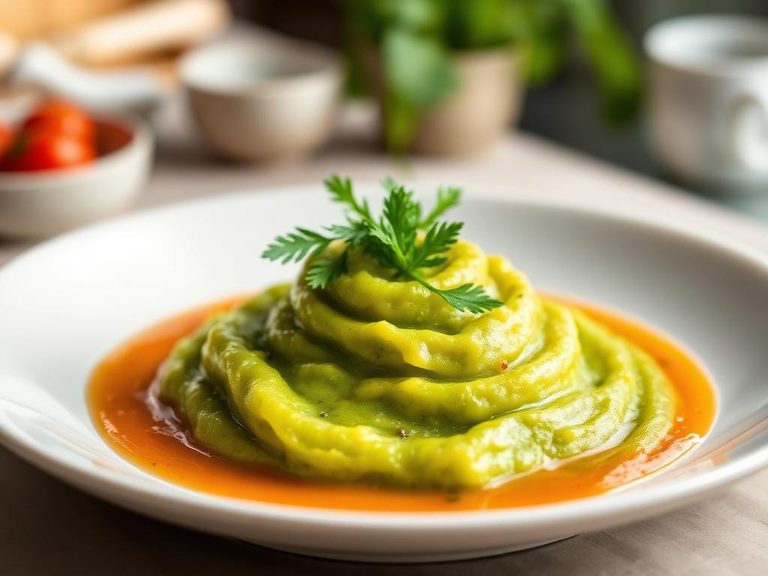
Vegetable puree is a smooth, creamy dish made by boiling and blending vegetables such as carrots, peas, potatoes, or squash into a thick consistency. It is a staple in many cuisines worldwide, often served as a side dish, a base for soups and sauces, or as a gentle food for infants. While it can be made with a single vegetable, it is frequently a medley of seasonal produce, sometimes enriched with butter, cream, or herbs.
🍽️ Nutrition at a glance
Vegetable puree is generally low in fat and protein but can be moderate in carbohydrates depending on the vegetables used. It is rich in essential vitamins like Vitamin A and C, as well as minerals such as potassium and iron, with a typical serving containing around 80-120 calories.
Nutrition breakdown
| Calories | 95 kcal |
| Protein | 3.5 g |
| Carbs | 18 g |
| Fat | 1.5 g |
| Fiber | 5 g |
| Sugar | 6 g |
| Sodium | 150 mg |
| Vitamin A | 450 mcg |
| Vitamin C | 25 mg |
| Potassium | 380 mg |
| Vitamin K | 30 mcg |
| Folate | 60 mcg |
| Iron | 1.5 mg |
| Magnesium | 30 mg |
| Vitamin B6 | 0.2 mg |
Per 1 cup (240 g) · estimated, varies by recipe
💡 What's interesting
Vegetable puree has a long history as a culinary technique, notably refined in French cuisine as 'purée' to create elegant side dishes like 'pommes purée'. Nutritionally, the pureeing process breaks down plant cell walls, making nutrients more bioavailable and easier to digest, which is why it's a common first food for babies.
🍽️ Related dishes
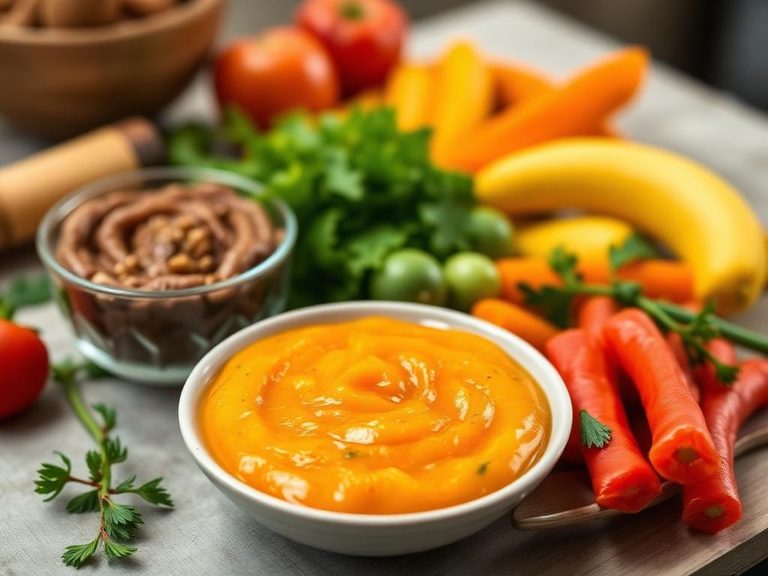 Homemade vegetable purée blends
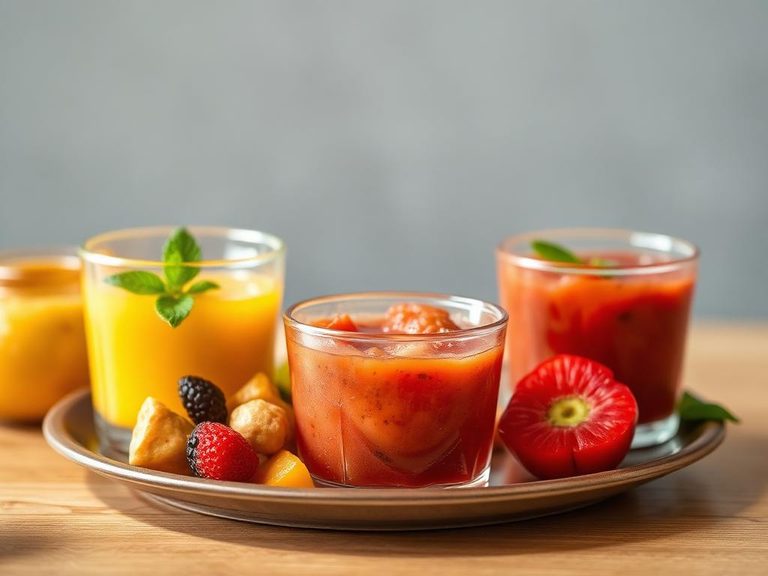 Blended into fruit or vegetable purees
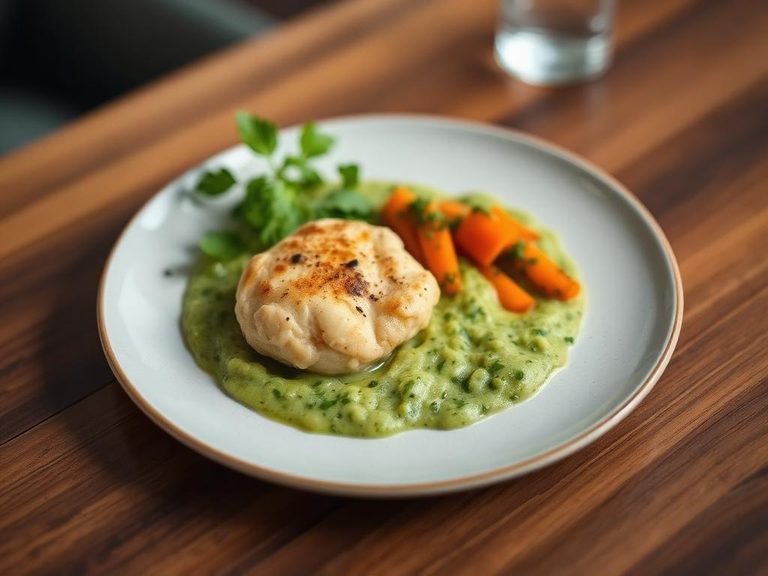 Combined with vegetable puree for a savory meal
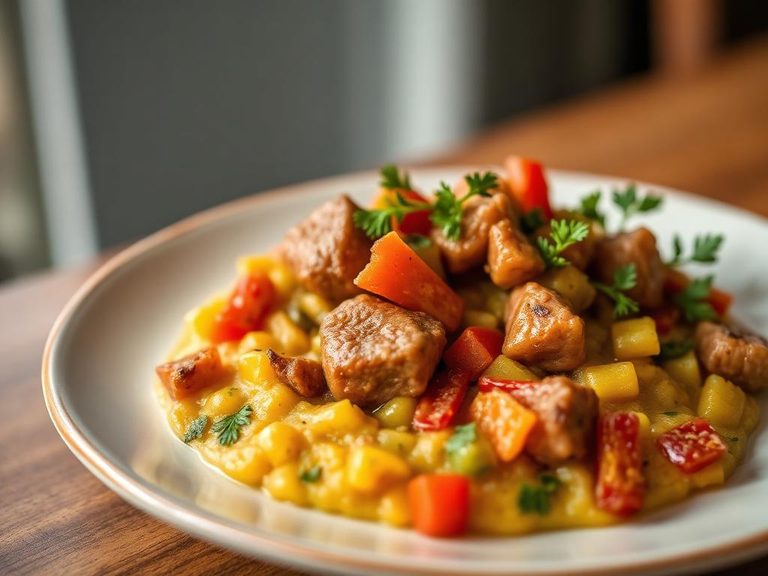 Mixed vegetable and meat puree
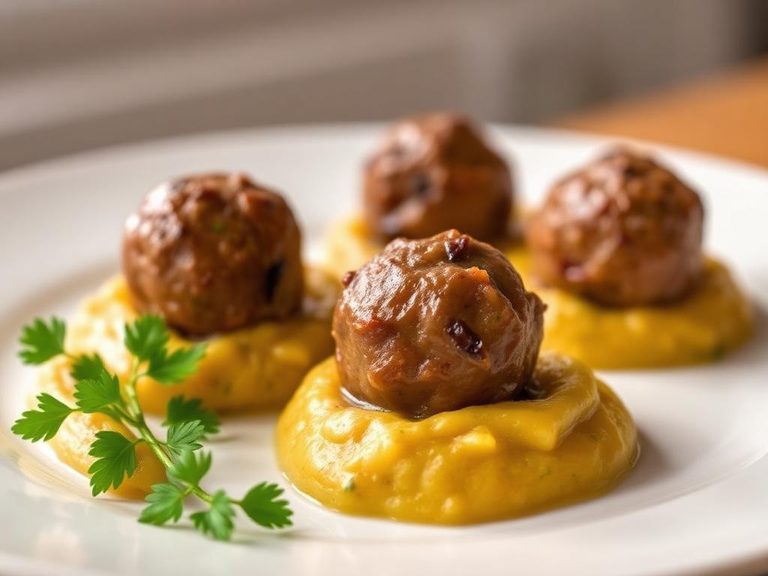 Mini Lamb Meatballs with Vegetable Purée
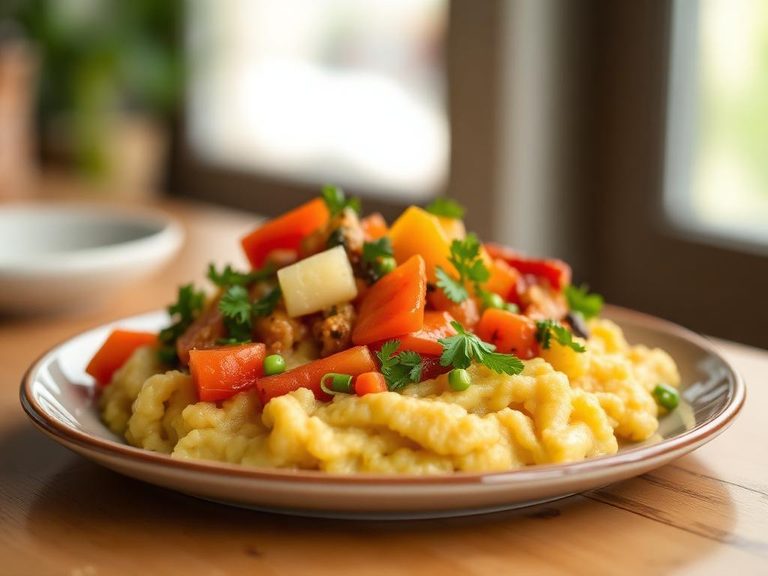 Mixed with pureed vegetables for added nutrients
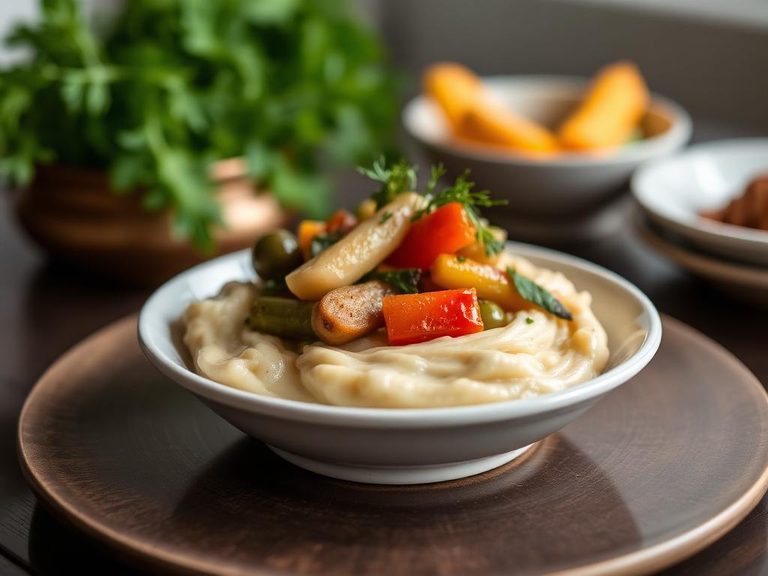 Side dish with pureed vegetables
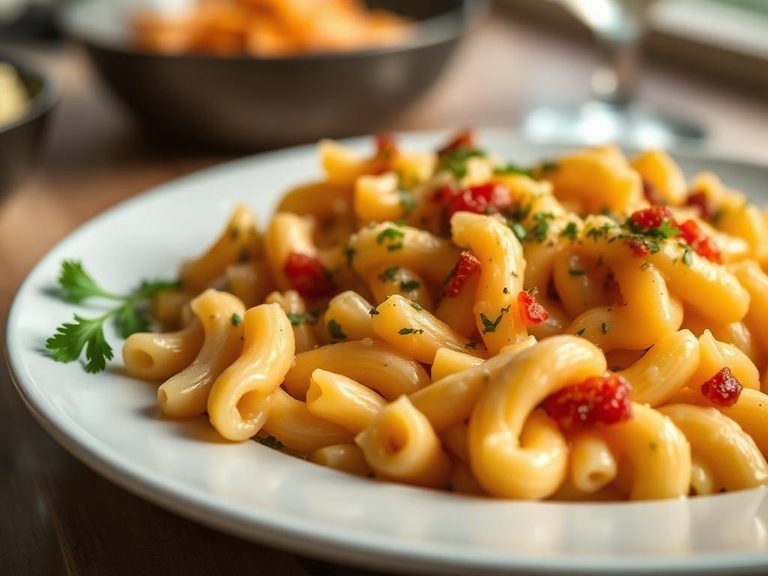 Macaroni and cheese with hidden vegetable puree
AI estimate may be inaccurate · Terms