Homemade vegetable purée blends
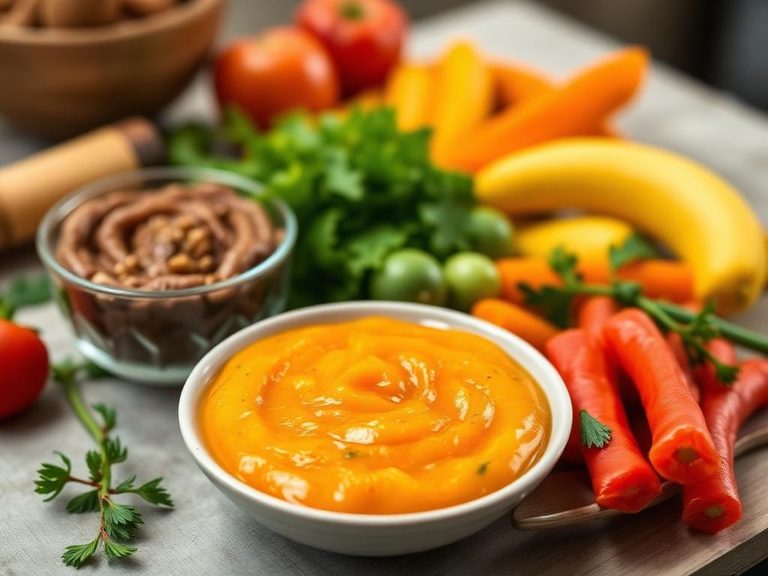
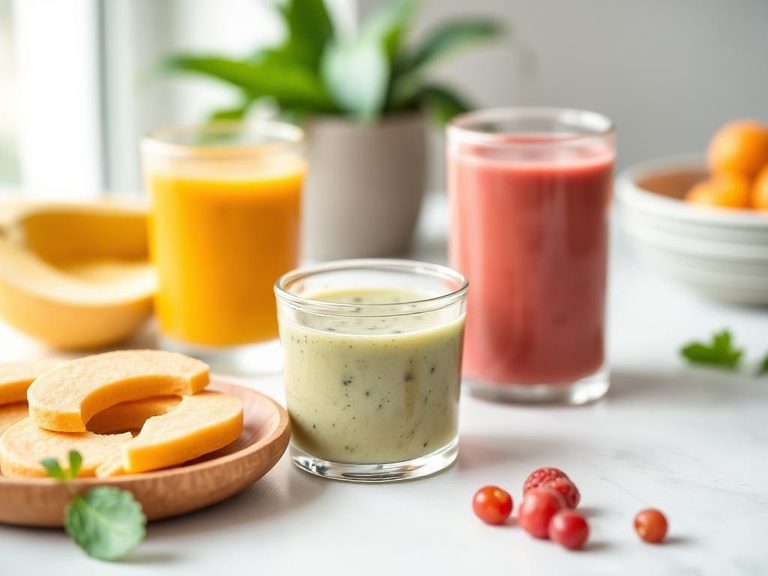
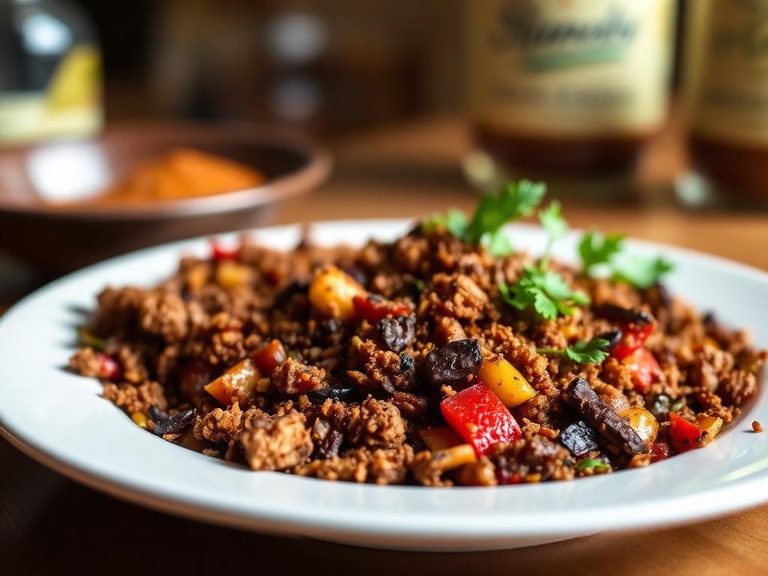
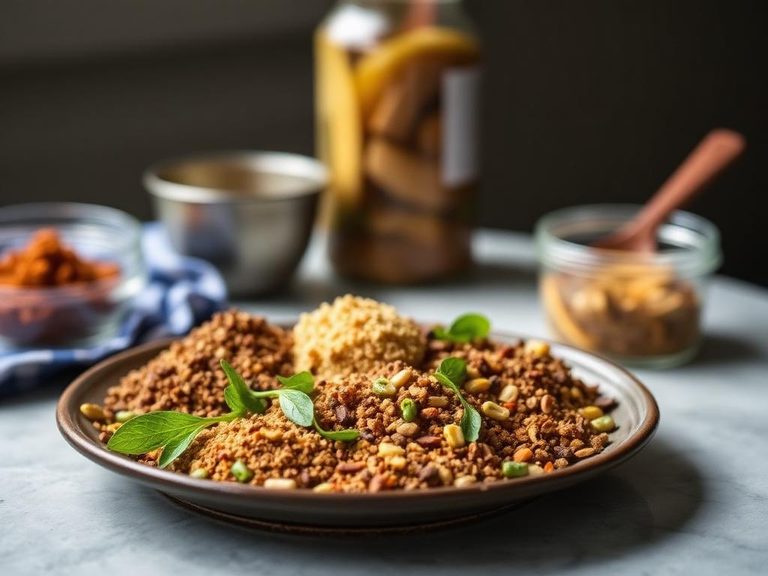
Homemade vegetable purée blends are smooth, creamy mixtures of cooked vegetables, often combined with herbs, broth, or a touch of cream for richness. Common ingredients include carrots, peas, zucchini, potatoes, and leafy greens, and the dish is a versatile staple in many home kitchens worldwide, particularly in European and North American cuisine.
🍽️ Nutrition at a glance
This dish is generally low in fat and protein but can be moderate in carbohydrates, especially if starchy vegetables like potatoes are included. It is an excellent source of dietary fiber, vitamins A and C, and essential minerals like potassium, with a typical serving containing roughly 80-120 calories.
Nutrition breakdown
| Calories | 95 kcal |
| Protein | 3 g |
| Carbs | 18 g |
| Fat | 2 g |
| Fiber | 5 g |
| Sugar | 7 g |
| Sodium | 280 mg |
| Vitamin A | 120 mcg RAE |
| Vitamin C | 15 mg |
| Potassium | 420 mg |
| Vitamin K | 25 mcg |
| Folate | 40 mcg |
| Manganese | 0.3 mg |
| Iron | 1.2 mg |
| Vitamin B6 | 0.2 mg |
Per 1 cup (240 g) · estimated, varies by recipe
💡 What's interesting
Culturally, vegetable purées are often introduced as a first solid food for infants, making them a universal symbol of nurturing and early nutrition. Nutritionally, blending vegetables can increase the bioavailability of certain nutrients and make it easier to consume a wider variety of produce in one serving.