Dry Rubs & Spice Blends
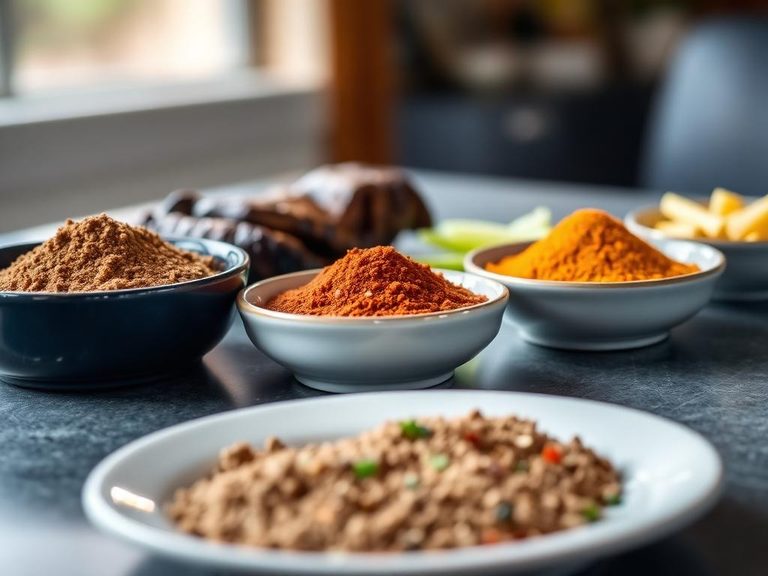
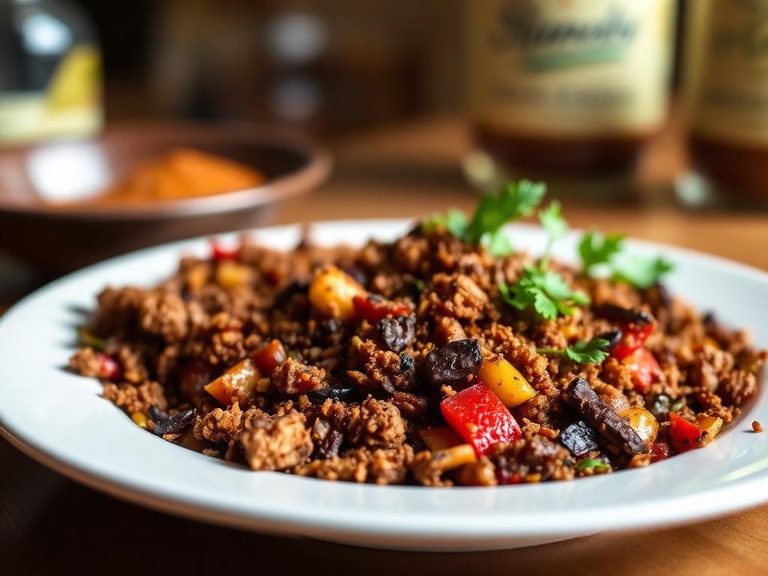
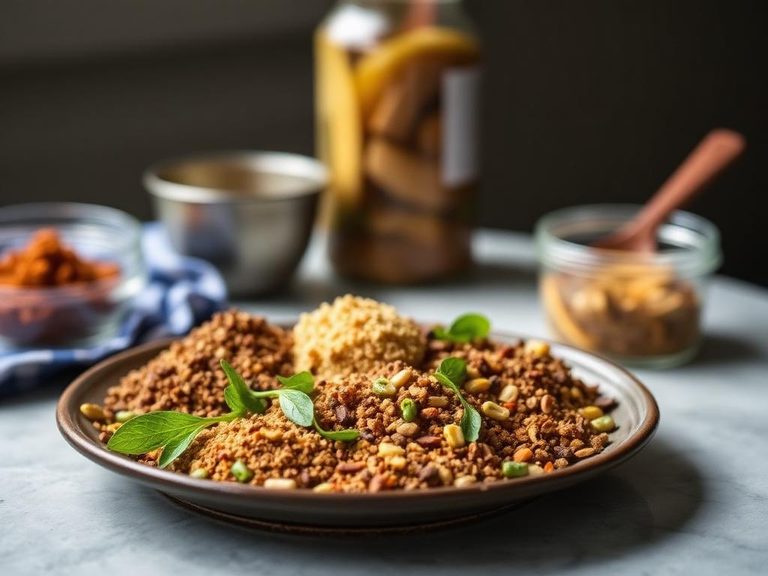
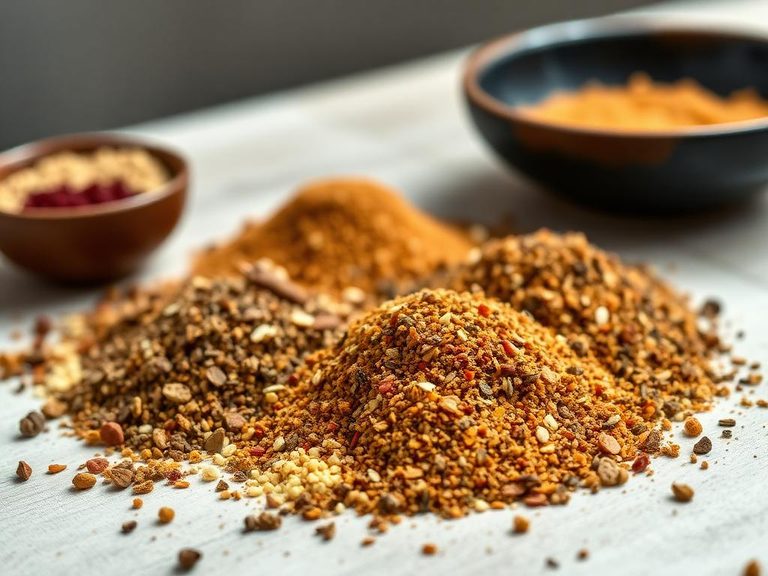
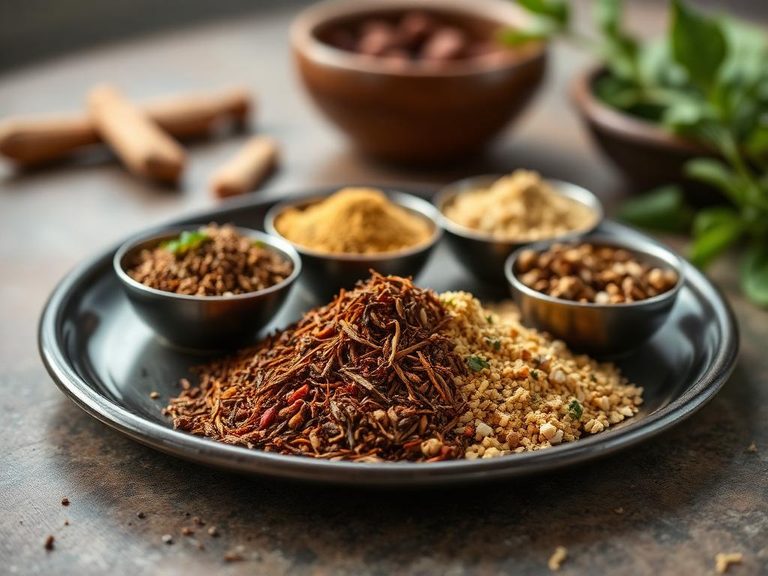
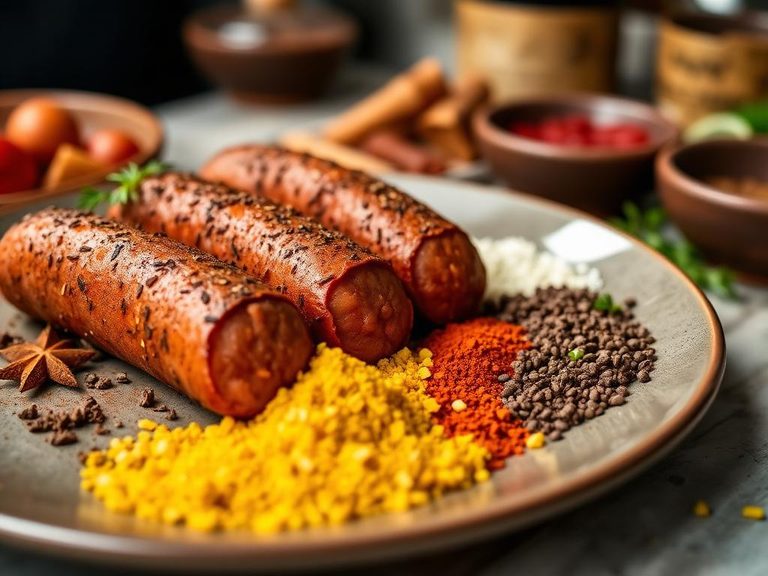
Dry rubs and spice blends are mixtures of ground herbs, spices, salt, and sometimes sugar, used to season and flavor meats, vegetables, and other foods before cooking. Originating from various global cuisines, including American barbecue, Indian tandoori, and Moroccan tagines, they are a foundational element in culinary traditions worldwide.
🍽️ Nutrition at a glance
Dry rubs are typically very low in carbohydrates, fat, and protein, as they are used in small quantities. Their primary nutritional contribution comes from trace minerals and antioxidants found in the spices, with a negligible calorie count per application.
Nutrition breakdown
| Calories | 20 kcal |
| Protein | 0.5 g |
| Carbs | 4 g |
| Fat | 0.5 g |
| Fiber | 1.5 g |
| Sugar | 0.5 g |
| Sodium | 1500 mg |
| Iron | 1.2 mg |
| Manganese | 0.3 mg |
| Magnesium | 10 mg |
| Potassium | 85 mg |
| Vitamin A | 120 IU |
| Vitamin C | 1.5 mg |
| Calcium | 20 mg |
| Phosphorus | 15 mg |
Per 1 tablespoon (about 10 g) · estimated, varies by recipe
💡 What's interesting
Culturally, dry rubs are a signature of regional identity, such as the sweet and smoky Kansas City style or the peppery Texas style of American barbecue. Nutritionally, many spices in these blends, like turmeric, cumin, and paprika, are rich in bioactive compounds with antioxidant and anti-inflammatory properties.