Pickling spice blends
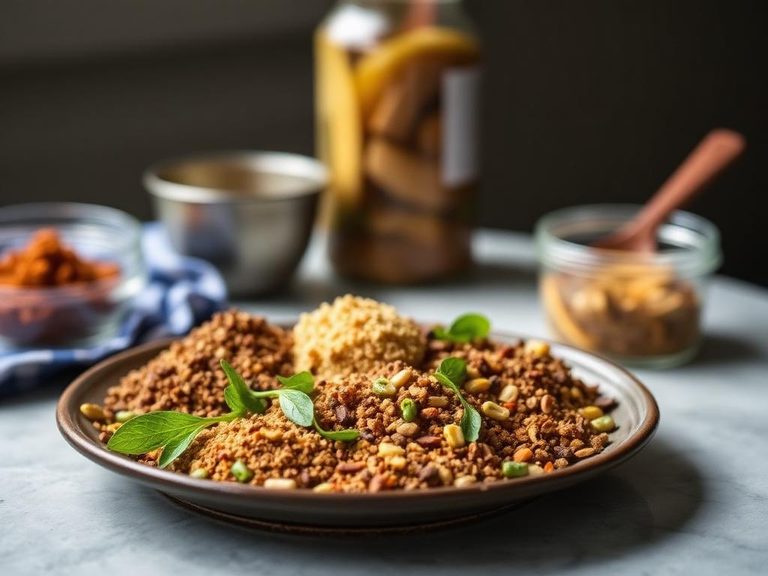
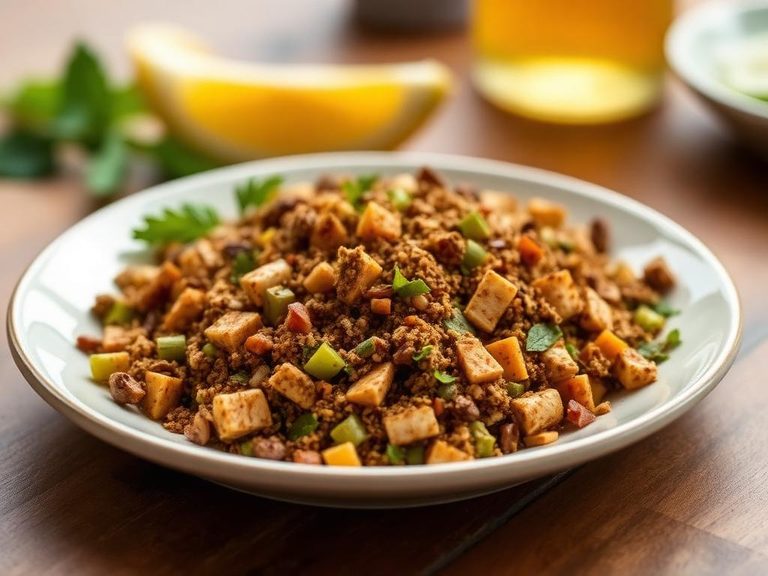
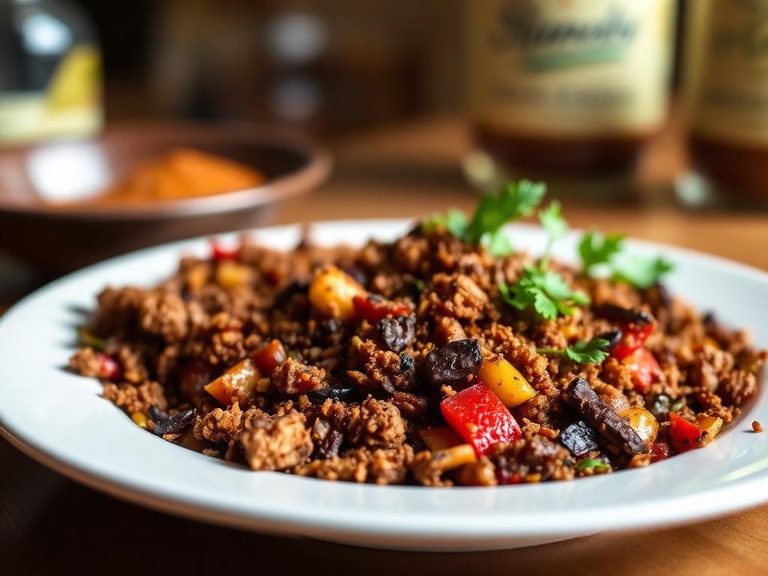
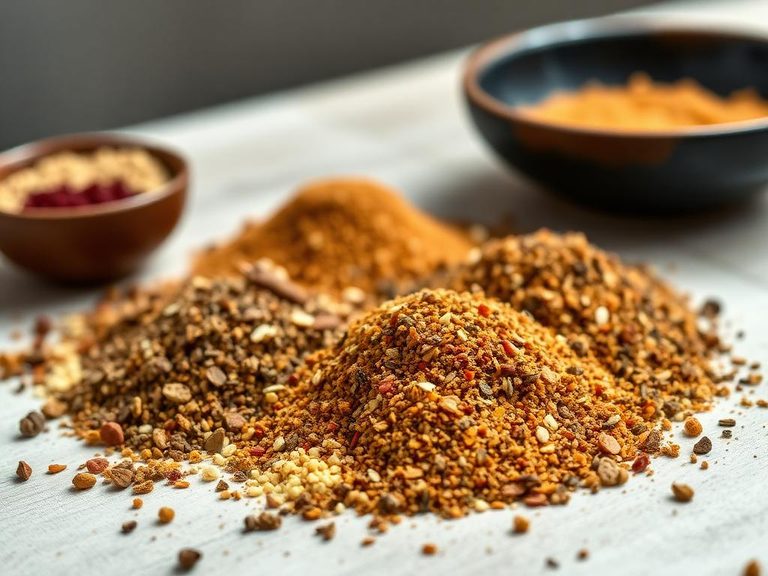
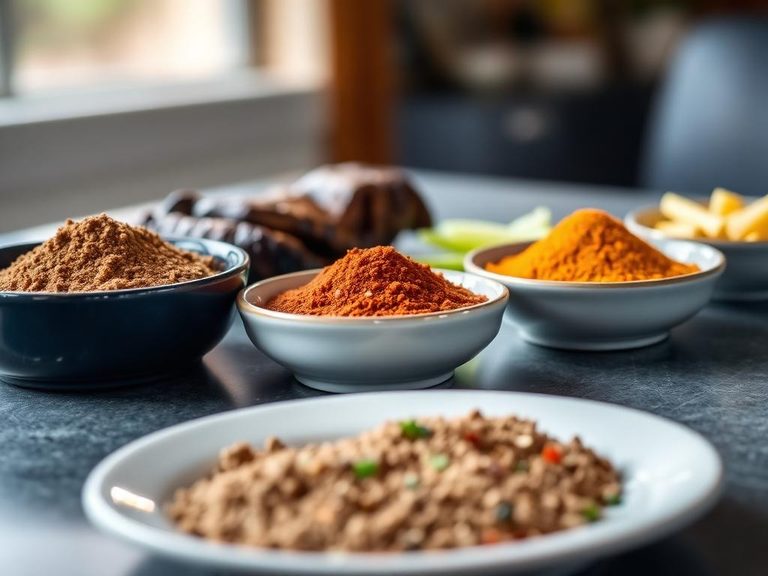
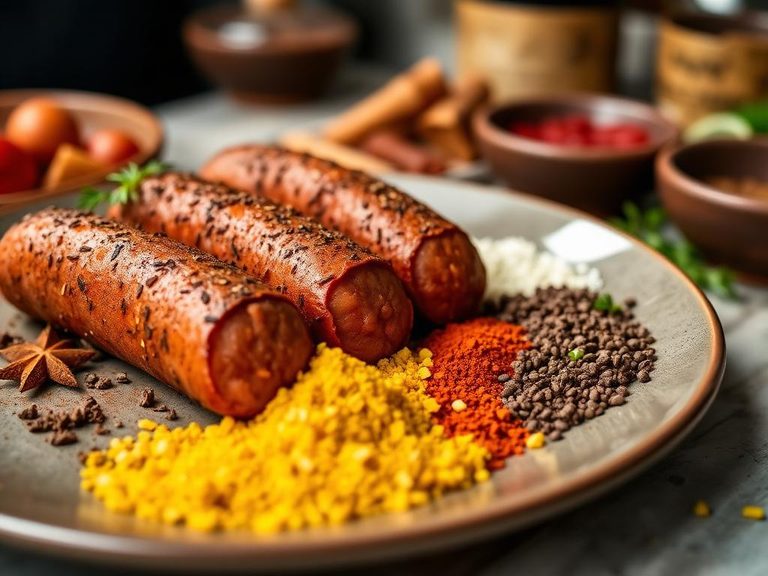
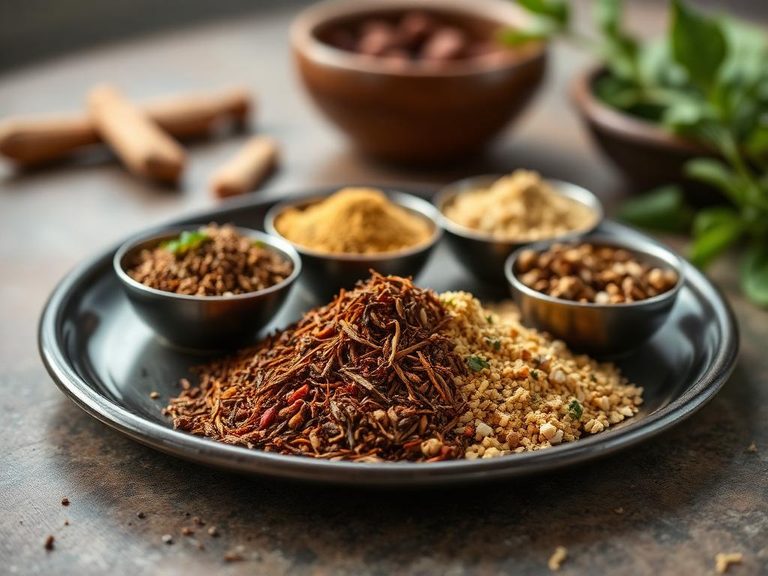
Pickling spice blends are aromatic mixtures of whole or coarsely ground spices, seeds, and herbs used to flavor and preserve foods in brine or vinegar. Common ingredients include mustard seeds, coriander seeds, dill seeds, black peppercorns, bay leaves, and dried chili peppers, with regional variations across the world. While originating from various culinary traditions, such blends are especially iconic in Eastern European, German, and American pickling practices.
🍽️ Nutrition at a glance
Pickling spice blends are virtually calorie-free and contain negligible amounts of carbohydrates, fat, or protein. Their primary nutritional contribution comes from trace minerals and antioxidant compounds derived from the individual spices, such as manganese from mustard seeds and iron from bay leaves.
Nutrition breakdown
| Calories | 15 kcal |
| Protein | 0.5 g |
| Carbs | 2 g |
| Fat | 0.5 g |
| Fiber | 1 g |
| Sugar | 0 g |
| Sodium | 5 mg |
| Manganese | 0.2 mg |
| Iron | 0.5 mg |
| Magnesium | 8 mg |
| Potassium | 40 mg |
| Calcium | 15 mg |
| Vitamin K | 3 mcg |
| Copper | 0.03 mg |
| Selenium | 0.2 mcg |
Per 1 tablespoon (about 6 g) · estimated, varies by recipe
💡 What's interesting
Culturally, these blends are a cornerstone of food preservation techniques that allowed communities to store vegetables through long winters, forming the basis for iconic dishes like Polish bigos or American dill pickles. Nutritionally, the spices in the blend can aid digestion and contain antimicrobial properties, which historically helped prevent spoilage.