Component of homemade baby food blends
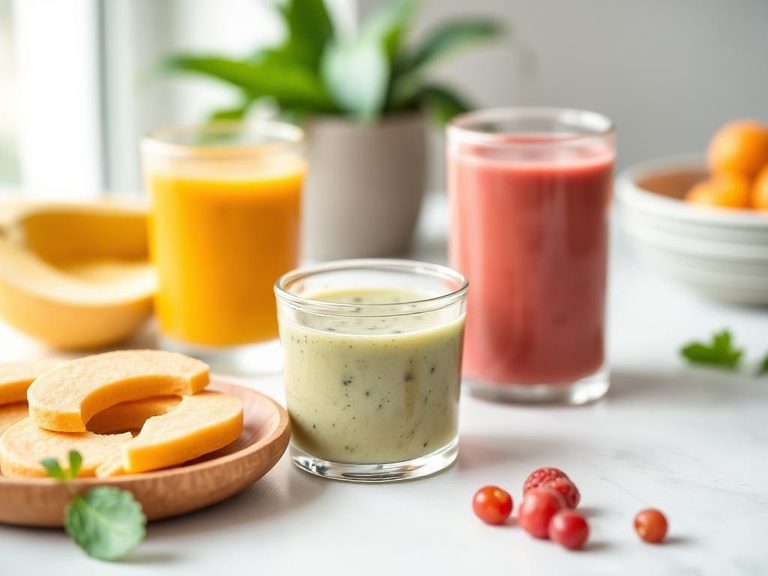
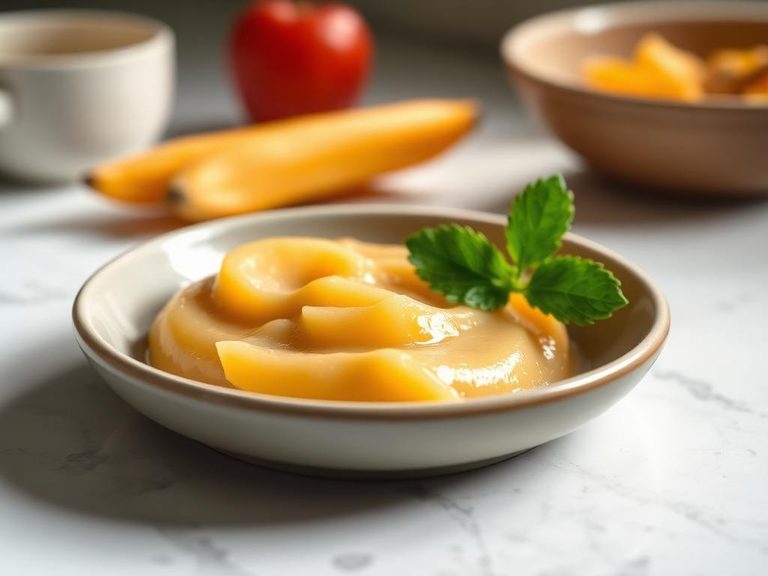
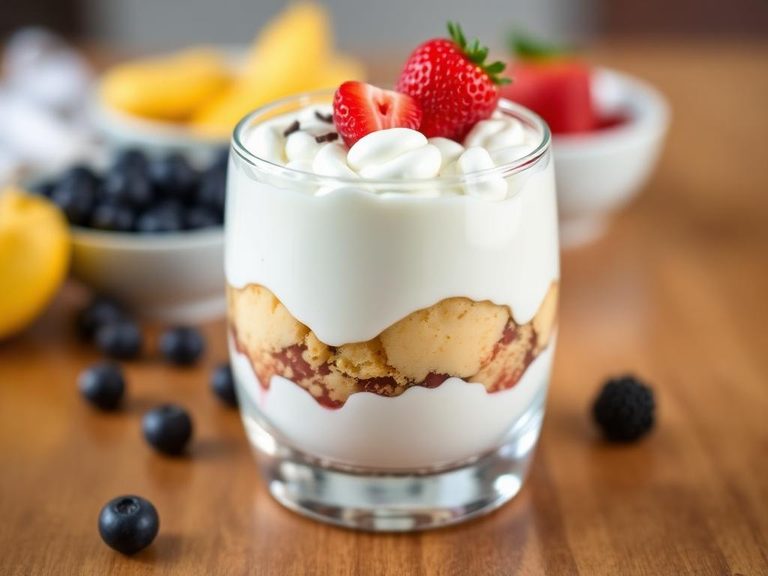
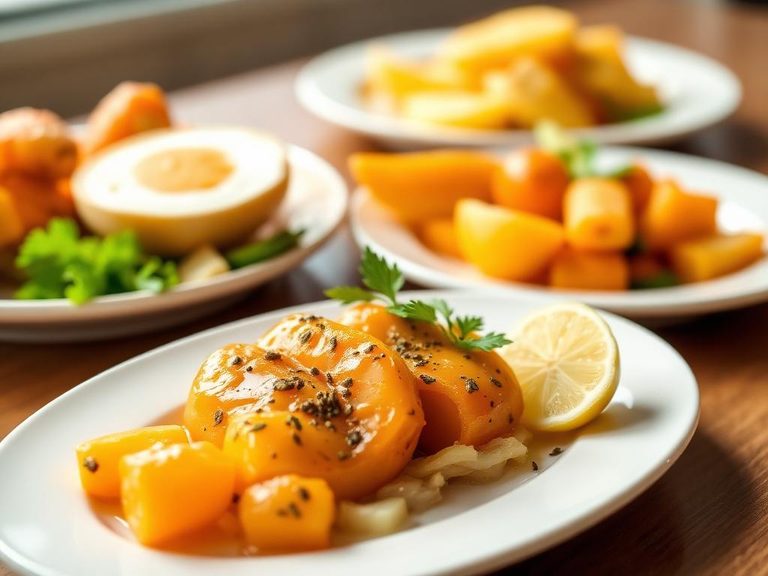
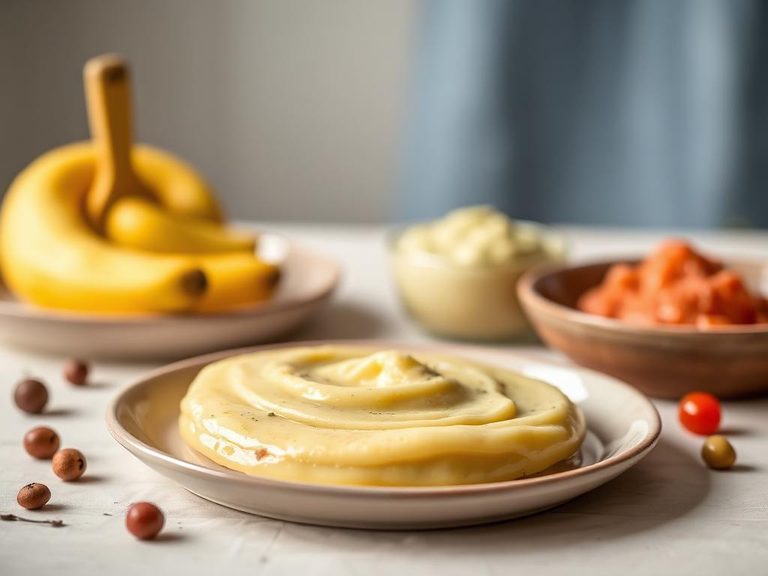
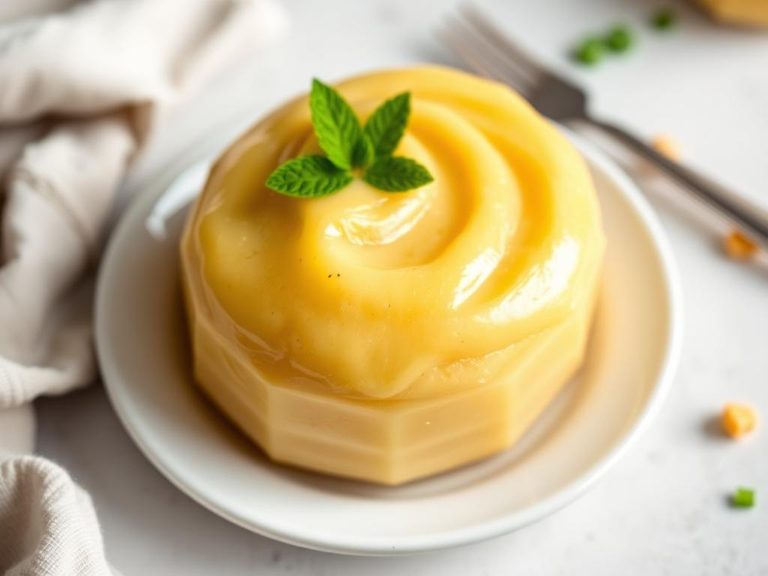
Homemade baby food blends are nutrient-dense, smooth mixtures of cooked and pureed ingredients, typically made from single or combined fruits, vegetables, and grains. These blends are a global practice, with ingredients tailored to local agricultural staples and cultural dietary patterns, from sweet potato and apple in North America to millet and lentil in South Asia.
🍽️ Nutrition at a glance
These blends are generally high in complex carbohydrates for energy and are excellent sources of key nutrients like iron, zinc, vitamin A, and fiber, depending on the ingredients. A typical homemade serving (about 2-4 ounces) provides a modest 50-100 calories, designed to complement a baby's growing nutritional needs without overloading them.
Nutrition breakdown
| Calories | 80 kcal |
| Protein | 2.5 g |
| Carbs | 14 g |
| Fat | 1.5 g |
| Fiber | 2.5 g |
| Sugar | 5 g |
| Sodium | 15 mg |
| Potassium | 250 mg |
| Vitamin A | 120 mcg RAE |
| Vitamin C | 15 mg |
| Vitamin K | 10 mcg |
| Folate | 30 mcg DFE |
| Calcium | 40 mg |
| Iron | 1.0 mg |
| Magnesium | 20 mg |
Per 1/2 cup (120 g) · estimated, varies by recipe
💡 What's interesting
Culturally, these blends are a profound act of care, often representing a family's first direct contribution to a child's lifelong relationship with food. Nutritionally, they are unique for their focus on 'first foods' that introduce allergens and essential micronutrients during a critical window of immune and developmental programming.