Baby's first solid food
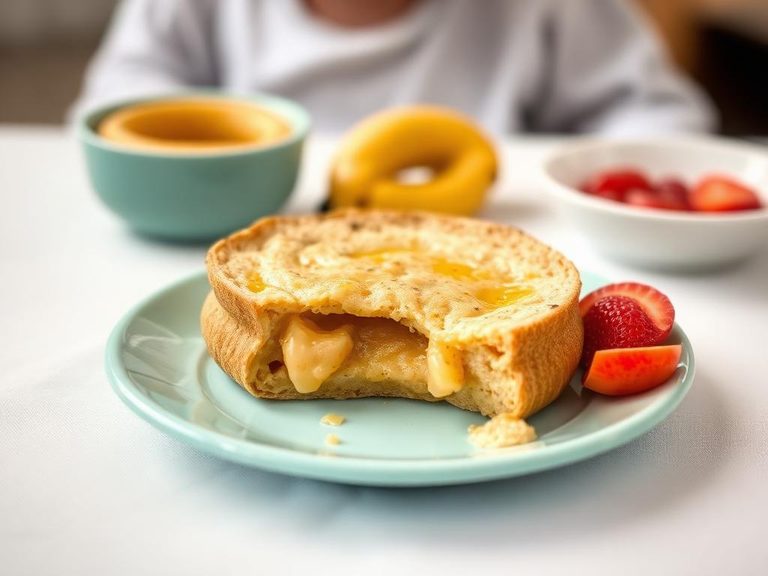
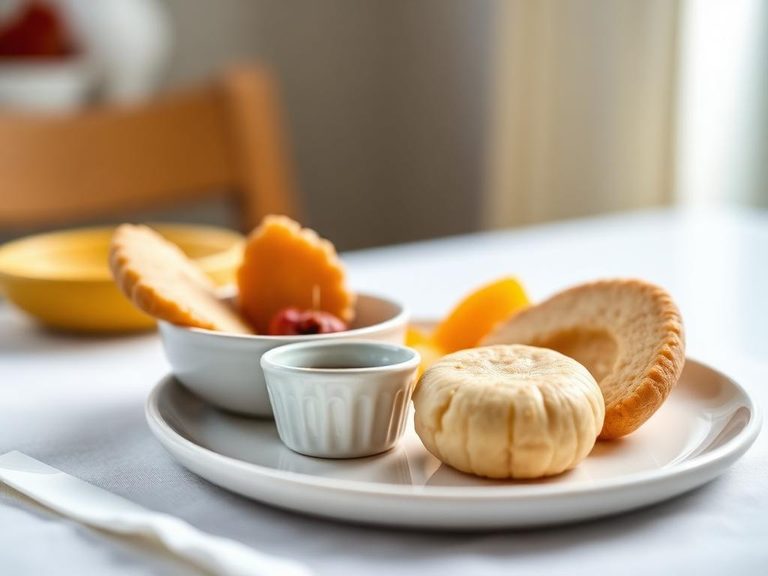
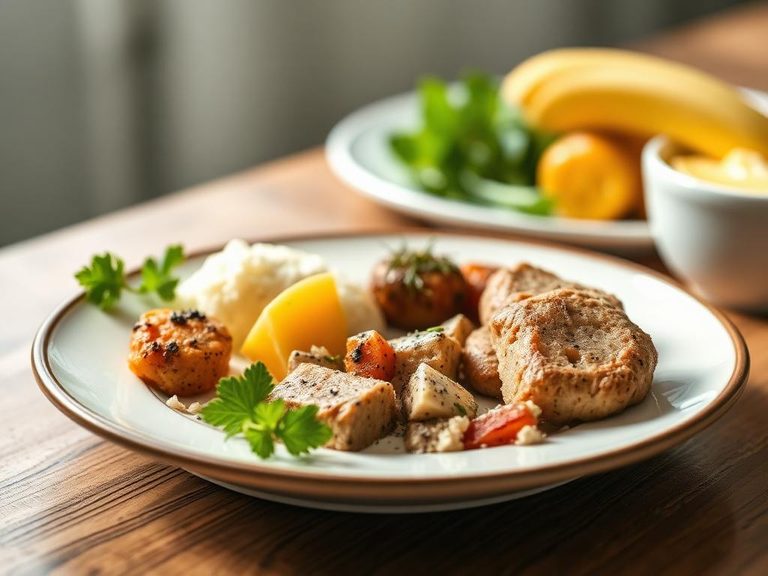
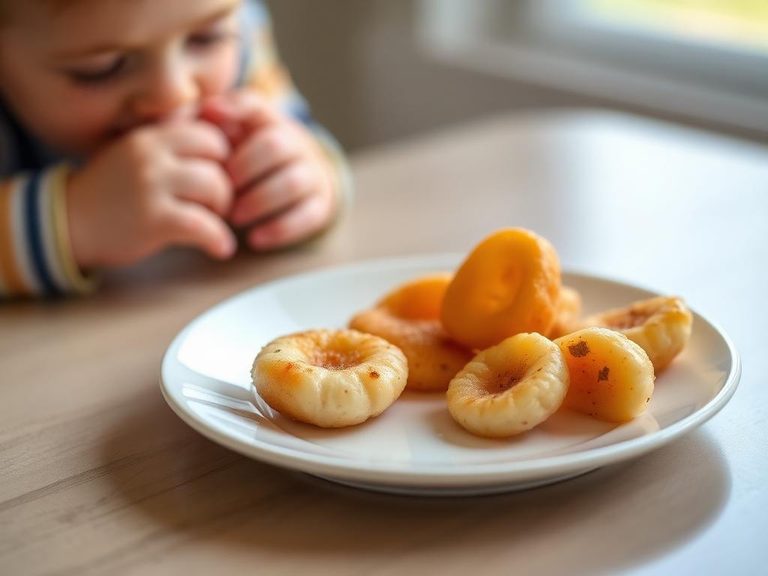
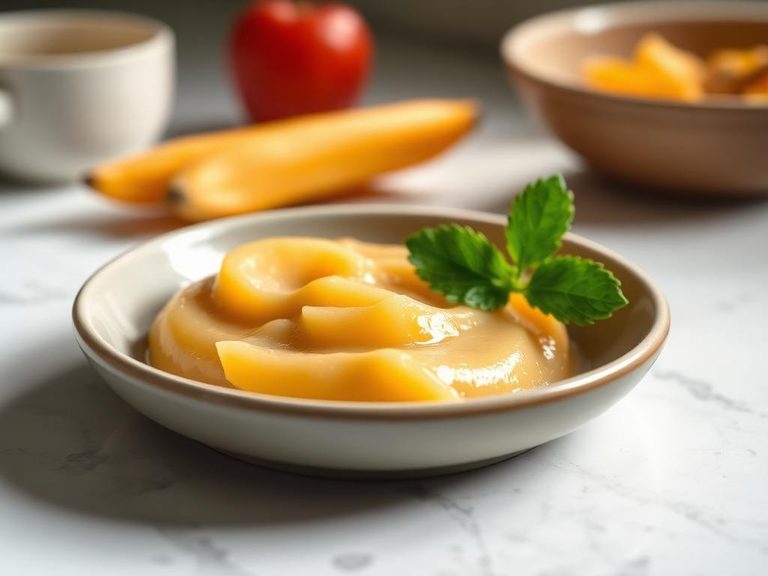
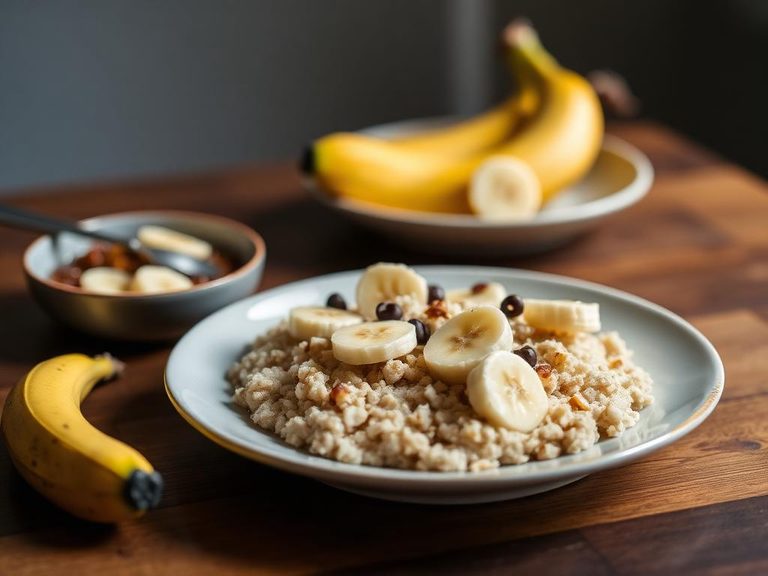
Baby's first solid food is a traditional introductory meal for infants, typically a simple, smooth puree made from a single ingredient like rice, oats, or sweet potato. It is a universal concept found in cultures worldwide, often customized with locally available staples.
🍽️ Nutrition at a glance
This dish is generally high in carbohydrates for energy and is fortified with key nutrients like iron and B vitamins, especially when made from iron-fortified cereals. A small serving, around 1-2 tablespoons, provides a modest 20-50 calories, designed for a baby's developing digestive system.
Nutrition breakdown
| Calories | 80 kcal |
| Protein | 1.5 g |
| Carbs | 15 g |
| Fat | 0.5 g |
| Fiber | 2 g |
| Sugar | 6 g |
| Sodium | 25 mg |
| Vitamin A | 150 mcg RAE |
| Vitamin C | 20 mg |
| Calcium | 40 mg |
| Iron | 1.5 mg |
| Potassium | 200 mg |
| Vitamin B6 | 0.2 mg |
| Folate | 30 mcg |
| Zinc | 0.5 mg |
Per 1 jar (120 g) · estimated, varies by recipe
💡 What's interesting
What's unique is its role as a cultural milestone, symbolizing a child's transition to independence and family meals. Nutritionally, it's carefully designed to be allergen-free and easy to digest, often serving as a baby's first exposure to textures and flavors beyond milk.