First solids for infants
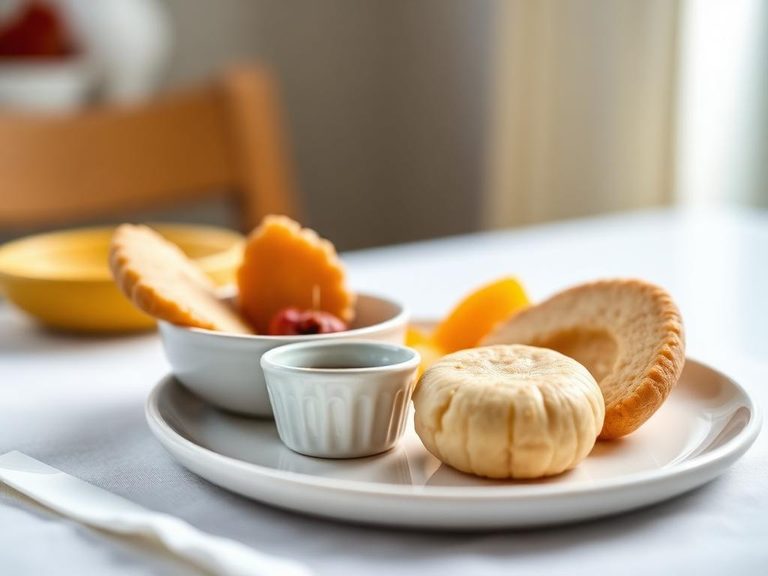
First solids for infants refers to the initial, nutrient-rich foods introduced to babies around 6 months of age, typically starting with single-ingredient purees. Common first foods include iron-fortified infant cereal, mashed fruits like banana or avocado, and pureed vegetables like sweet potato or peas. This practice is universal, with cultural variations in the specific ingredients chosen.
🍽️ Nutrition at a glance
These foods are generally moderate in calories and designed to be gentle on a developing digestive system. They are often a key early source of iron and zinc, especially iron-fortified cereals, and provide essential vitamins like A and C from fruits and vegetables.
Nutrition breakdown
| Calories | 40 kcal |
| Protein | 1 g |
| Carbs | 7 g |
| Fat | 0.5 g |
| Fiber | 0.5 g |
| Sugar | 0.5 g |
| Sodium | 20 mg |
| Iron | 5 mg |
| Zinc | 1.5 mg |
| Vitamin B1 (Thiamin) | 0.3 mg |
| Vitamin B2 (Riboflavin) | 0.4 mg |
| Niacin (B3) | 5 mg |
| Vitamin B6 | 0.4 mg |
| Folate | 50 mcg |
| Phosphorus | 60 mg |
Per 1 tablespoon (15 g) of iron-fortified infant cereal mixed with 4 tablespoons (60 ml) of breast milk or formula · estimated, varies by recipe
💡 What's interesting
The introduction of solids is a major developmental milestone, not just for nutrition but for exploring new textures and flavors. Nutritionally, it's a critical period to prevent deficiencies like iron deficiency anemia, which is why iron-rich foods are often prioritized.
🍽️ Related dishes
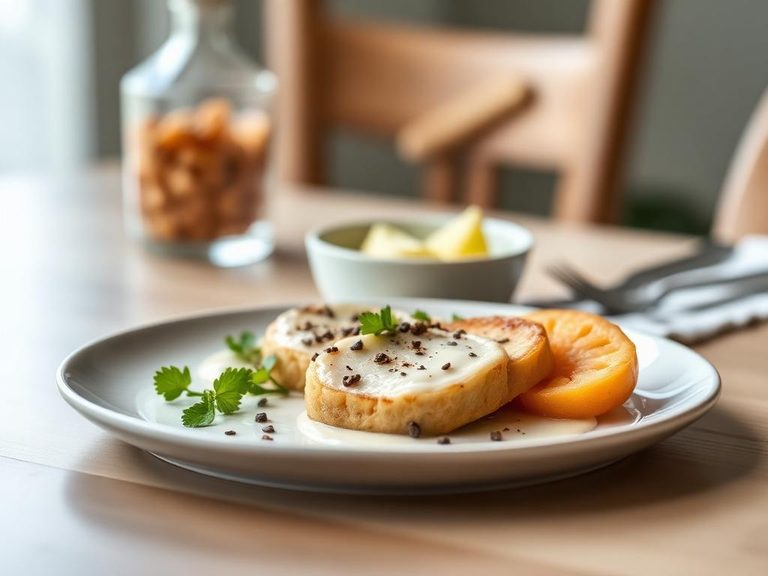 Standalone first food for infants 4-6 months+
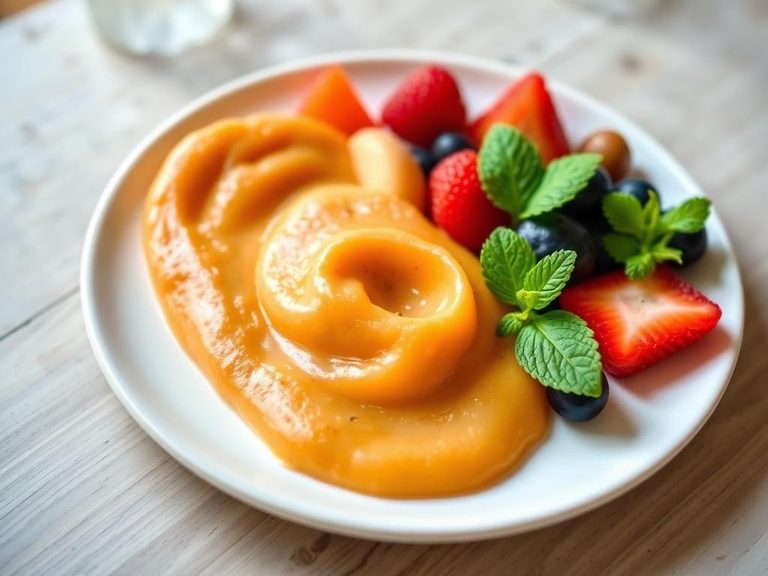 Added to calorie-boosting purees for older infants
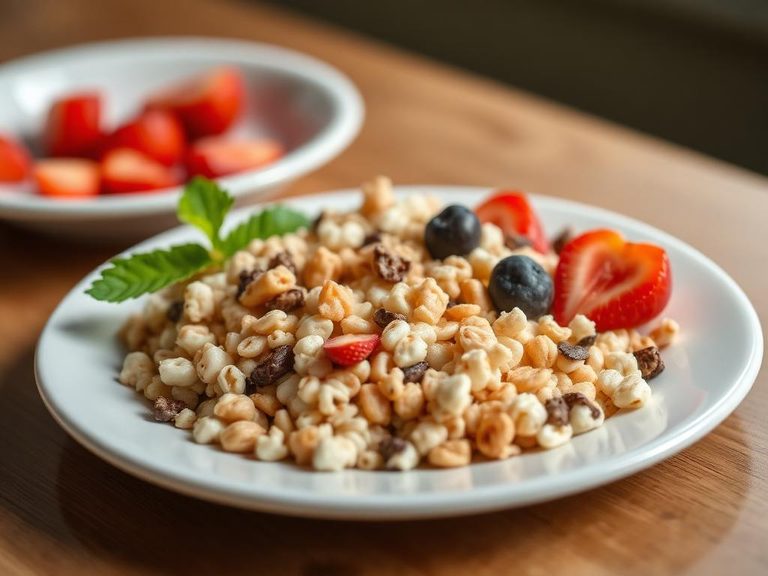 Mixed with Cereal for Older Infants
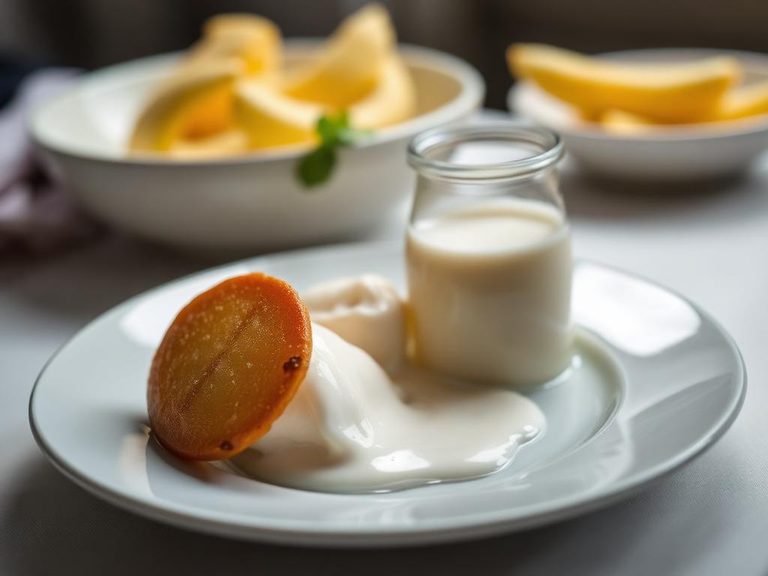 Donor milk for NICU infants
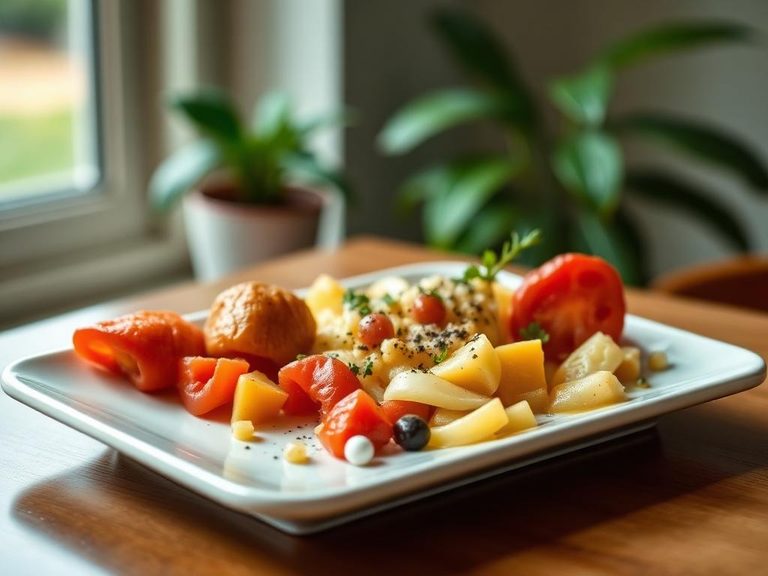 Combined with medication for infants
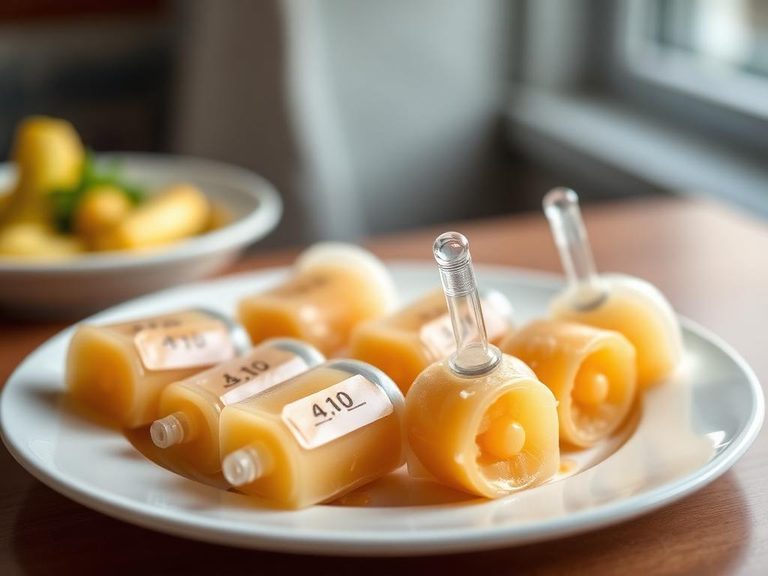 Used in medical feeding tubes for infants
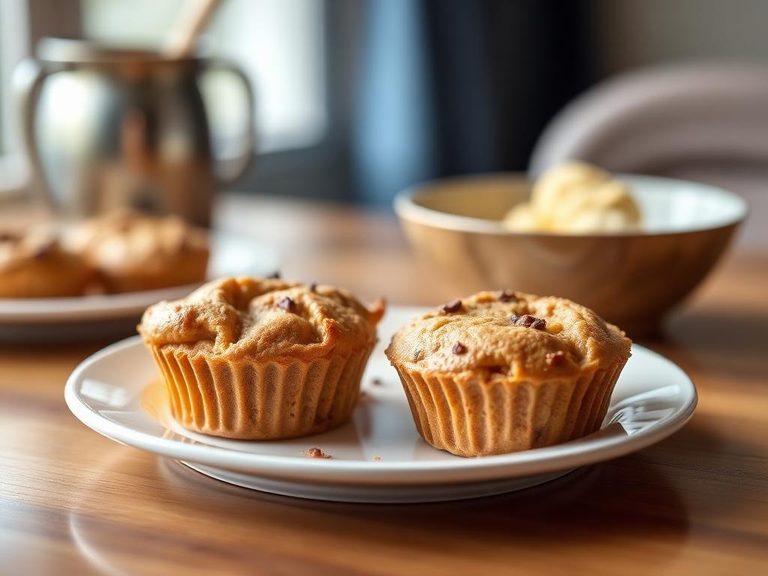 Ingredient in baked goods for infants
 Primary feeding for premature infants in NICUs.